 跳转到主要内容 跳转到页脚
The 2025 vacuum cleaner market is valued at over $20 billion, reflecting a vast landscape of models and technologies that can make choosing the right one feel overwhelming. From powerful cordless vacuums for quick cleanups to intelligent robot vacuums that operate autonomously, the perfect machine exists for every lifestyle and home environment. This guide cuts through the noise to analyze the best options available today.
We will explore the key differences between cordless, robotic, bagless, and central vacuum systems, helping you align features with your specific cleaning needs. Our goal is to equip you with the knowledge to select a vacuum that makes your home maintenance simpler and more effective. By understanding the core technologies and what to look for, you can invest in a cleaner that truly fits your life.
Key Points to Remember About Choosing the Best Vacuum Cleaner for Your Home
- The best vacuum for you depends on your home type, cleaning needs, and budget.
- Advanced features like suction power, smart navigation, and HEPA filters can make a significant difference in your cleaning routine.
Types of Vacuum Cleaners: Choosing the Right One for Your Home
Not all vacuum cleaners are built the same, as the right model depends on your living space and cleaning habits. Upright vacuums are powerhouses for large homes with thick carpets, delivering deep suction and wide cleaning paths. Canister vacuums offer greater flexibility with a separate hose and body, ideal for multi-surface homes needing to clean floors, stairs, and upholstery. Compact stick and handheld models excel in smaller apartments where quick cleanups and maneuverability are top priorities.
Robot vacuums provide unmatched convenience for busy, tech-savvy households by cleaning autonomously while you are away. They perform best in modern homes with open layouts and minimal clutter, navigating obstacles with advanced sensors. Central vacuum systems represent a more permanent solution, integrating directly into a home’s infrastructure for quiet, powerful cleaning without a portable unit. While they require professional installation, they offer superior suction and eliminate the need to carry a machine from room to room.
Cordless Vacuums: Flexibility and Convenience
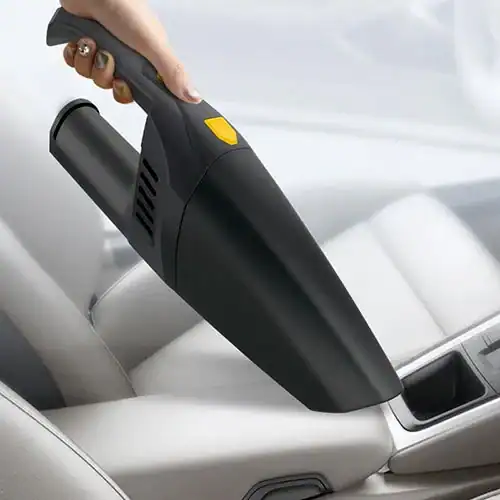
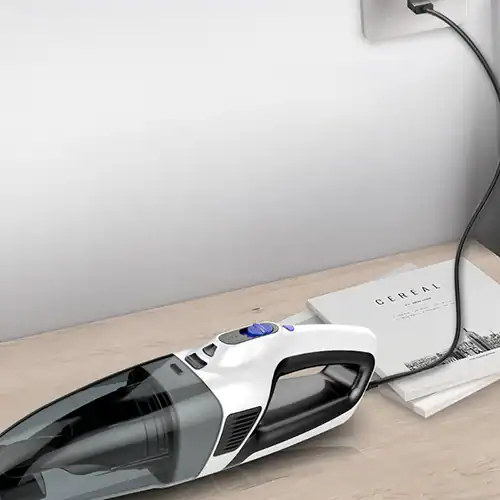
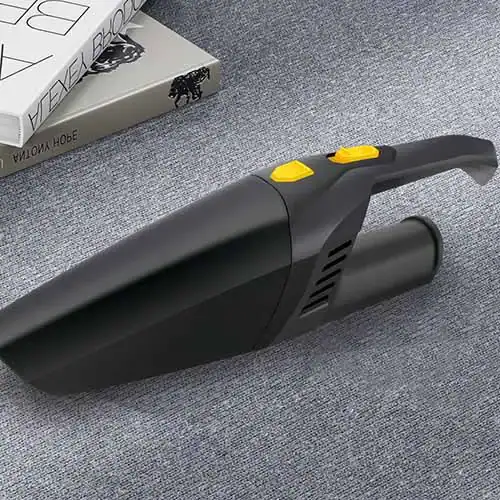
Cordless vacuums offer a convenient, portable, and flexible cleaning solution. Powered by rechargeable batteries, these vacuums provide freedom of movement without being tethered to a power outlet. They come in various styles, from lightweight stick vacuums to powerful handheld models, offering a versatile range of options for different home types. Their primary appeal is the ability to clean efficiently in tight spaces, on stairs, and even in cars, making them ideal for smaller homes.
For small apartments and quick cleanups, cordless vacuums offer unmatched convenience with minimal setup time. Battery life and suction power are key factors to consider, as shorter runtimes may suffice for touch-ups, but deeper cleans require more robust specifications. For example, a busy family with pets can use a cordless vacuum with a powerful motor and long-lasting battery to quickly tackle spills or pet hair. To learn more, explore our recommendations for the best cordless vacuums for apartments.
Beyond convenience, modern cordless vacuums pack serious technological advancements. High-performance lithium-ion batteries provide longer runtimes and consistent power, with some models offering swappable battery packs to eliminate downtime entirely. Specialized attachments are also crucial, including crevice tools for tight corners, motorized brush heads for deep-carpet cleaning, and soft dusting brushes for delicate surfaces. These versatile tools transform a simple stick vacuum into a comprehensive cleaning system capable of tackling any mess.
Robot Vacuums: Smart Cleaning for the Modern Home
Robot vacuums have revolutionized home cleaning by offering autonomous solutions that clean your floors while you focus on other tasks. These smart devices use advanced technologies like sensors, cameras, and powerful suction to navigate obstacles and ensure thorough coverage. Brands like Roomba are market leaders, with a product line spanning ten generations that showcases continuous design improvements. Exploring the various Roomba robotic vacuum cleaner features reveals advanced navigation systems and powerful suction.
When comparing Roomba to other brands, its reputation for reliability and innovation stands out, especially with features like self-emptying bases and intelligent mapping that lets you designate no-go zones. For instance, a family with two dogs found their Roomba j7+ to be indispensable. Scheduled to run daily, it effectively managed constant shedding on both hardwood and area rugs, using its smart mapping to avoid pet bowls and toys. The self-emptying base meant they only had to think about the vacuum once a month, drastically reducing their daily cleaning workload and keeping allergens under control.
Key Features to Look for in a Vacuum Cleaner
When choosing a vacuum cleaner, a few key features ensure efficient and convenient cleaning. Suction power directly impacts how well the vacuum removes dirt, debris, and pet hair from various surfaces. Higher suction is particularly important for deep cleaning carpets, while HEPA filters are essential for allergy sufferers, as they trap fine dust particles and allergens.
For cordless vacuums, battery life is crucial, as longer runtimes allow for more thorough cleaning without frequent recharging. Other important considerations include the vacuum’s weight and maneuverability, the types of attachments included for versatile cleaning, and the noise level during operation. Each of these features enhances the cleaning performance and overall user experience, so prioritizing them based on your home’s specific needs will help you find the perfect model.
Suction Power and Its Impact on Cleaning Efficiency
Suction power dictates how effectively a vacuum lifts and traps dirt from surfaces. It is measured in Pascals (Pa), wattage (W), or Air Watts (AW), each representing a different aspect of performance. While Pa measures pressure force and W reflects motor power draw, AW is the most accurate indicator of cleaning efficiency because it measures airflow. A higher AW rating translates directly to deeper cleaning and more consistent debris pickup, especially on thick carpets.
Among 2025’s top contenders, models like the Dyson Gen5detect and Shark Stratos DuoClean lead with suction powers exceeding 250 AW, capable of removing embedded dust and pet hair in a single pass. From personal testing, using a 230 AW cordless vacuum on a high-pile carpet revealed a striking improvement—the cleaner pulled out deep-set particles missed by standard 150 AW models. This demonstrates how enhanced suction not only boosts visible cleanliness but also supports better indoor air quality. For a deeper technical breakdown, check out our comprehensive vacuum suction power guide.
HEPA Filters and Allergen Control
HEPA (High-Efficiency Particulate Air) filters are designed to capture at least 99.97% of airborne particles as small as 0.3 microns, including dust, pollen, and pet dander. They work by using a dense mat of fibers that traps microscopic particles as air passes through, significantly improving air quality during cleaning. This filtration is essential for households dealing with allergens or for individuals with respiratory issues like asthma.
For allergy sufferers and pet owners, a vacuum cleaner with a HEPA filter is a critical tool. These filters prevent allergens from being released back into the air, ensuring your home remains a healthier environment. For a HEPA filter to be effective, the vacuum must also have a sealed system, which prevents unfiltered air from leaking out through cracks in the machine’s body. Without a sealed system, even the best filter cannot guarantee clean air. To learn more about selecting the right vacuum cleaner for allergies, check our guide.
High-Performance Home Vacuum Cleaners Built for Your Brand
Explore KelyLands’ customizable vacuums delivering strong suction, smart features, and versatile cleaning for everyday home and on-the-go use. Ideal solutions for OEM and ODM partners ready to stand out.

Conclusion
Choosing the right vacuum ultimately comes down to your specific needs, including your budget, home size, and cleaning preferences. Key features like suction power, HEPA filtration, and smart navigation can significantly improve the cleaning experience, turning a chore into a simple task. While advanced robotic models offer incredible convenience, they come with unique considerations that are important to weigh against your lifestyle.
Ready to find the perfect vacuum for your home? Explore our top recommendations and make your cleaning routine easier today!

Frequently Asked Questions
Which vacuum is best for apartments?
For apartments, a lightweight cordless stick vacuum is often the best choice, offering flexibility without taking up much storage space. Models like the Dyson V11 combine strong suction with good battery life, making them perfect for thorough cleaning in smaller areas. When choosing a vacuum for an apartment, prioritize maneuverability, versatile attachments for both carpets and hard floors, and a battery that can cover the entire space on a single charge.
Look for features like a slim profile for getting under furniture and a handheld conversion option for cleaning upholstery or spills. Brands like Gtech and Shark also offer excellent cordless options that shine in apartment settings due to their ease of use and efficient performance. The right model can make keeping a small space clean nearly effortless.
Which one works best on hardwood floors?
When cleaning hardwood floors, the ideal vacuum combines strong suction with a gentle touch to avoid scratches. Models like the iRobot Roomba j7+ and Shark Navigator Lift-Away excel here because they remove debris without dulling the finish. Look for vacuums with soft-bristle brush rolls or the ability to turn the brush off entirely, ensuring your flooring remains pristine while still getting a deep clean.
Additionally, vacuums with adjustable suction control and rubberized wheels are perfect for hardwood surfaces, as they prevent scuffing. Robotic vacuums are particularly convenient for daily maintenance, picking up pet hair and fine particles while navigating around furniture. Upright models with a lift-away feature provide the flexibility to clean corners and edges without compromising the integrity of your floors.
Is bagless better?
Bagless vacuums provide long-term cost savings and convenience by eliminating the need to purchase replacement bags. Emptying the dustbin can be messy, potentially exposing you to dust, which is a key drawback. Conversely, bagged vacuums excel at trapping allergens and dust, as the bag acts as a high-quality filter that can be disposed of cleanly. This makes them a superior choice for allergy sufferers or anyone prioritizing indoor air quality.
Maintenance is another point of difference. Bagless models often have filters that require regular washing and drying to maintain suction, while bagged models just need a simple bag change when full. The choice depends on whether you prioritize the convenience and lower running costs of a bagless model or the cleaner disposal and superior filtration of a bagged one.
How much suction power is enough?
Suction power is a crucial factor, as it directly impacts cleaning efficiency. For homes with thick or high-pile carpets, a vacuum with at least 200 air watts (AW) is recommended to effectively remove deeply embedded dirt and debris. Vacuums with lower suction power may struggle on these surfaces, leaving particles behind. For hardwood floors, tile, or low-pile rugs, around 150 AW is generally sufficient to pick up dust and surface debris without being unnecessarily aggressive.
It’s also important to consider a vacuum’s overall design, as efficient airflow and a well-designed floor head can maximize the effectiveness of its suction. Some models offer adjustable suction settings, which provide the versatility to clean delicate rugs on a low setting and deep-clean carpets on high. Matching the suction power to your specific flooring and cleaning needs is key to achieving the best results.
Which brands last longest?
Brands like Miele, Dyson, and Shark have earned strong reputations for durability and quality engineering. Miele is often cited as a top-tier brand for longevity, with many models tested to last 20 years with proper care. Dyson is known for its powerful performance and innovative design, while Shark offers a compelling balance of durability and affordability.
A vacuum’s lifespan also depends heavily on maintenance and the availability of replacement parts. Regularly cleaning filters, clearing blockages from the brush roll, and handling the machine with care will extend its life significantly. Choosing a brand with a strong warranty and accessible customer service ensures you can get support and parts for years, maximizing your investment.

 English
  Español
  Français
  Deutsch
  Português do Brasil
  Русский
  한국어
한국어  日本語
日本語  العربية