 跳转到主要内容 跳转到页脚

Getting bulk 12V car tire inflators right comes down to understanding what actually matters in the field. You’re not just buying units—you’re investing in motor quality, pressure accuracy, duty cycles, and supplier relationships that determine whether you’ll face warranty headaches or satisfied customers. This guide cuts through the marketing fluff to show you how to evaluate copper versus aluminum windings, nail down ±1-2 PSI accuracy standards, and build supplier partnerships that protect your bottom line while delivering products your customers will actually trust.
Understanding 12V Car Tire Inflator Fundamentals
Smart bulk buying starts with knowing the specs that separate reliable performers from warranty nightmares—and it’s not always what the spec sheets emphasize.
Most passenger vehicles need inflators hitting around 150 PSI, though you’ll see ranges from 100 to 300 PSI across different models. But here’s what matters more than peak pressure: airflow rate determines how fast these things actually work, while duty cycle tells you whether the motor will overheat after inflating two tires or can handle a full set without breaking a sweat.
Premium bulk 12V car tire inflator models use copper wire motor windings instead of aluminum alternatives. This isn’t just technical showboating—copper dissipates heat better and extends operational life significantly. When you’re sourcing wholesale automotive tire inflators, this detail alone can determine whether you’re dealing with returns or repeat customers.
Pressure sensor accuracy should stay within ±1-2 PSI tolerance, and motor continuous operation time needs to handle inflating 4-6 standard car tires on one cooling cycle. These aren’t aspirational numbers—they’re baseline requirements for any serious 12V tire inflator bulk purchase.
Join 300+ global partners who trust KelyLands for top-tier car accessories. Review our portable tire inflators in our free catalogue
Request now
Power Source Configurations and Performance Trade-offs
Traditional 12V DC models plug straight into cigarette lighter sockets, giving unlimited runtime as long as the vehicle’s nearby. These typically draw 10-15 amps, staying compatible with most automotive electrical systems without blowing fuses. Understanding amp draw helps prevent those frustrating customer complaints about electrical issues.
Cordless models with rechargeable lithium batteries offer ultimate portability but come with capacity limitations that directly affect customer satisfaction. Battery specs usually range from 2000-6000mAh, and this number directly determines how many tires you can inflate per charge. Advanced models offer dual-power capability, accepting both 12V DC and USB-C charging for maximum versatility.
When sourcing cordless bulk car tire inflator supplier options, verify actual inflation capacity per charge rather than trusting battery capacity specs alone. The real-world performance often tells a different story than the numbers suggest.
Digital Control Systems and Smart Features
Modern tire inflators pack sophisticated digital control systems that prevent common user errors and enhance satisfaction ratings. Auto shut-off functionality stops operation when preset pressure levels are reached, preventing over-inflation disasters. LCD displays should show real-time pressure readings in multiple units—PSI, BAR, and KPA—with backlit screens for low-light visibility.
Memory presets let users store preferred pressure settings for different vehicle types, while integrated LED lighting systems provide illumination for nighttime emergencies. Premium models include SOS flash patterns and power bank functionality for charging mobile devices. These features command higher prices but significantly improve customer satisfaction ratings and reduce support calls.
Critical Product Quality Assessment Framework
Material construction and component quality create the foundation for product longevity—and directly influence whether you’ll be processing warranty claims or profit margins.
Housing materials make or break customer perception and actual durability. ABS plastic offers excellent impact resistance and temperature stability, while ABS+PC blends provide enhanced strength for heavy-duty applications. Avoid products using basic PP materials, which crack under stress and temperature extremes. When evaluating samples for your bulk 12V car tire inflator orders, perform drop tests and temperature cycling to validate material claims.
Internal component quality varies dramatically between manufacturers, and this is where your due diligence pays off. Premium units feature all-copper motor windings, precision-machined pistons, and high-grade rubber seals. Pressure sensors should use proven semiconductor technology rather than mechanical gauges, which drift out of calibration and suffer shipping damage.

Electrical Safety and Certification Requirements
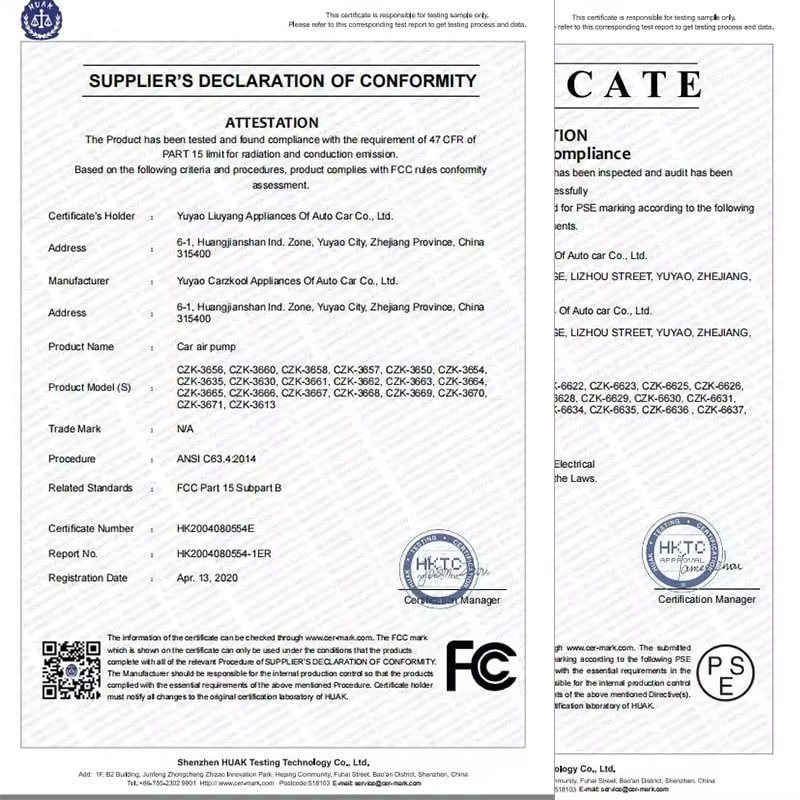
Electrical safety represents a critical concern in bulk purchasing because non-compliant products face customs seizure, liability issues, and market rejection. Essential certifications include CE marking for European markets, FCC approval for North American sales, and RoHS compliance for environmental safety. These certifications should be verified through official documentation rather than supplier claims alone.
Power cord specifications must meet regional safety standards, with appropriate gauge wire for amperage draw. Fuse protection should be built into the 12V DC plug to prevent electrical damage to vehicle systems. USB-C charging implementations must comply with USB-IF standards to ensure compatibility and safety.
| Market Region | Required Certifications | Key Testing Standards |
|---|---|---|
| United States | FCC, UL (preferred) | UL 2089, FCC Part 15 |
| European Union | CE, RoHS | EN 60335, EMC Directive |
| United Kingdom | UKCA, RoHS | BS EN 60335 |
| Canada | IC, CSA | CSA C22.2 |

Performance Testing Protocols for Bulk Orders
Implementing systematic testing protocols protects bulk buyers from accepting substandard products. Pre-shipment inspections should include pressure accuracy verification using calibrated reference gauges, continuous operation testing to validate duty cycle claims, and electrical safety checks to confirm proper grounding and insulation.
Temperature performance testing reveals unit behavior in extreme conditions, particularly important for products destined for harsh climate markets. Vibration testing simulates transportation stress, while drop testing validates housing durability claims. Statistical sampling plans should follow established standards like MIL-STD-105E to ensure representative quality assessment without testing every unit.
Supplier Selection and Risk Assessment
Separating real manufacturers from trading companies represents the critical first step in building reliable supplier relationships that won’t leave you hanging when production scales up.
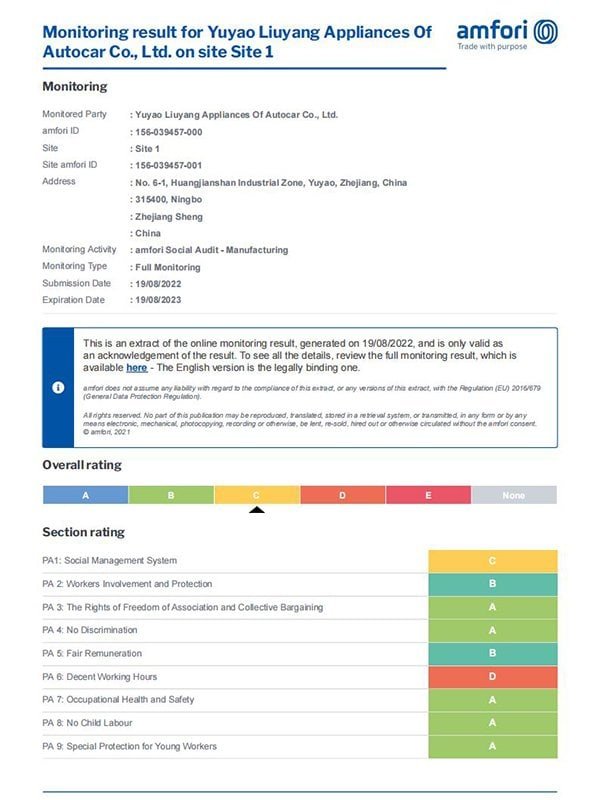
Genuine manufacturers typically own injection molding equipment, maintain component inventory, and provide factory tour opportunities. They should possess relevant industry certifications like ISO 9001:2015 and demonstrate established quality management systems. Production capacity assessment involves evaluating monthly output capabilities, peak season flexibility, and component sourcing stability rather than just quoted capacity numbers.
When evaluating automotive tire inflators wholesale suppliers, look for established relationships with tier-1 component manufacturers for motors, pressure sensors, and electronic components rather than spot market sourcing. This supply chain stability directly affects product consistency and availability during production scale-up phases. Consider exploring professional car air pump manufacturing partners who offer comprehensive OEM services and quality assurance programs.
Quality Control System Assessment
Effective suppliers implement multi-stage quality control encompassing incoming material inspection, in-process quality control, and final quality control. Each stage should include documented procedures, statistical sampling methods, and corrective action protocols. Testing equipment availability indicates commitment to quality—look for suppliers with pressure calibration systems, electrical safety testers, and environmental chambers for temperature testing.
Documentation systems should provide traceability from raw materials through final packaging. This traceability becomes essential when quality issues arise and root cause analysis is required. Suppliers should maintain detailed records of component suppliers, production parameters, and testing results for each batch or production run. Some specialized manufacturers like those offering DC 12V portable tyre air pump solutions have developed comprehensive quality tracking systems specifically for automotive inflation products.
Communication and Service Infrastructure
Responsive communication often correlates with overall supplier reliability. Evaluate response times to technical inquiries, willingness to provide detailed specifications, and ability to communicate in your preferred language. Account management structure should include dedicated contacts for sales, technical support, quality issues, and logistics rather than routing everything through a single contact.
After-sales support capabilities become critical when issues arise post-delivery. Suppliers should maintain spare parts inventory, provide technical documentation, and offer troubleshooting support. Warranty terms should clearly specify coverage periods, return procedures, and whether advance replacement units are available to minimize customer disruption.
Cost Analysis and Total Cost of Ownership
Unit price represents just one piece of the total cost puzzle—shipping, duties, quality-related expenses, and long-term customer service costs can make or break your margins.
Shipping costs vary dramatically based on supplier location, shipping method, and packaging efficiency. Consolidating orders to achieve full container loads reduces per-unit shipping costs but requires larger minimum orders and increased inventory investment. Air freight costs 3-5 times more than sea freight but reduces lead times from 30-40 days to 7-15 days, impacting cash flow and inventory requirements.
Duty and taxation calculations depend on product classification, country of origin, and destination market regulations. Temporary duty increases or trade policy changes can dramatically affect landed costs, making supplier diversification a critical risk management strategy for your 12V tire inflator bulk purchase operations. Many buyers source through wholesale car tyre inflator platforms to compare pricing across multiple suppliers and regions.
Quality-Related Cost Considerations
Quality-related costs include inspection expenses, potential returns, warranty claims, and customer service overhead. Higher-quality products typically generate lower total costs despite higher unit prices due to reduced post-sale support requirements. Calculate the true cost impact of quality issues by including customer service time, return processing, replacement product costs, and potential customer loss.
Warranty terms directly impact total cost of ownership through potential repair and replacement obligations. Standard warranty periods range from 12-24 months, but premium suppliers may offer extended warranty options. Local service capability affects customer satisfaction and support costs, while spare parts availability ensures long-term serviceability for discontinued models. When comparing options, examine specialized equipment like tire inflation gun systems which may offer different cost structures for commercial applications.
Implementation Strategy for Successful Bulk Procurement
Phased procurement strategies reduce risk while building supplier confidence and validating market acceptance before committing your cash flow to large inventory bets.
Initial orders should focus on limited quantities across multiple suppliers to evaluate performance, quality consistency, and market acceptance. This approach provides comparative data for supplier selection while minimizing exposure to quality or market risks. Document all supplier interactions, quality metrics, and customer feedback during initial phases to inform future purchasing decisions.
Market testing phases allow validation of product specifications against actual customer preferences. Customer feedback during test marketing can identify necessary modifications before investing in large inventory quantities. Seasonal demand patterns affect inventory requirements and cash flow management, with tire inflator sales typically peaking during spring and summer travel seasons. Consider working with manufacturers that provide customized tire inflator solutions to differentiate your offerings in competitive markets.
Building Long-term Supplier Partnerships
Successful bulk purchasing relationships extend beyond individual transactions to create strategic partnerships benefiting both parties. Regular communication, feedback sharing, and collaborative improvement initiatives strengthen supplier relationships while driving continuous quality enhancement. Joint product development opportunities allow creation of market-specific features or private label differentiation.
Performance-based contracts align supplier incentives with buyer objectives through quality bonuses, on-time delivery incentives, and volume-based pricing improvements. These arrangements encourage suppliers to prioritize your business while ensuring consistent performance standards.
Air Pumps Built for Precision and Portability
Explore KelyLands’ range of compact, versatile air pumps designed for cars, bikes, motorcycles, sports, and inflatables. Featuring smart digital controls, rapid inflation up to 150 PSI, and rugged construction, these pumps are ready for emergencies, everyday use, and outdoor activities. Personalize your product with flexible OEM/ODM services and count on dependable quality and worldwide support.
Frequently Asked Questions
What minimum order quantity should I expect from quality tire inflator manufacturers?
Most established manufacturers require MOQs of 300-500 units for standard models, with customization requiring 500-1000 unit minimums. Some suppliers offer flexibility for initial orders, but expect higher unit costs for smaller quantities. Factor MOQ requirements into cash flow planning and inventory management strategies.
How can I verify a supplier’s claimed production capacity and quality systems?
Request factory audit reports from third-party services, ask for customer references you can contact directly, and consider virtual or in-person factory tours. Legitimate manufacturers welcome transparency and provide evidence of their capabilities readily. Verify certifications through official databases rather than relying solely on supplied documentation.
What certifications are absolutely essential for selling tire inflators in different markets?
For US markets, FCC approval is required for digital displays, with UL listing preferred for safety. European markets require CE marking and RoHS compliance. Additional certifications like ISO 9001 for the factory enhance credibility and reduce compliance risks. Verify certification authenticity through official databases before finalizing orders.
How do I handle quality control for large shipments?
Implement statistical sampling inspection using AQL 2.5 standards, utilize third-party inspection services like SGS or Intertek, and establish clear acceptance criteria before production begins. Consider pre-shipment sample approval for large orders and document all testing procedures and results for future reference.
What payment terms are standard, and how can I minimize financial risk?
Typical terms require 30% deposits with 70% balance before shipment. For large orders, consider letters of credit, escrow services, or trade finance options. Never pay full amounts upfront unless using established payment protection services. Verify supplier financial stability through credit checks and trade references.
What common quality issues should I specifically test for during inspection?
Key testing areas include pressure accuracy within ±1-2 PSI, motor overheating during continuous operation, cord durability and connections, housing crack resistance, and display reliability under temperature extremes. Establish specific test protocols and acceptance criteria before production begins to avoid disputes during delivery.

 English
  Español
  Français
  Deutsch
  Português do Brasil
  Русский
  한국어
한국어  日本語
日本語  العربية