 跳转到主要内容 跳转到页脚
Choosing between a car vacuum and home vacuum doesn’t have to be an either-or decision. These cleaning tools serve different purposes – car vacuums excel at reaching tight spaces with specialized attachments, while home vacuums pack more power for larger areas. Most families benefit from owning both, though newer hybrid models can handle light-duty cleaning in either environment. Your best choice depends on how often you clean, your budget, and whether you prioritize convenience or specialized performance.
Why Car and Home Vacuums Are Built So Differently
Car vacuums prioritize portability and precision, while home vacuums focus on raw power and coverage – these design philosophies create tools that excel in their intended environments.
The size difference hits you immediately when you compare these two vacuum types. Car vacuums stay compact at 12-18 inches long and weigh just 2-5 pounds, making them easy to maneuver around steering wheels and between seats. Home vacuums range from 8-20 pounds and sacrifice portability for the sustained cleaning power you need across large rooms.
Power delivery tells the real story though. Home vacuums plug into standard 120V outlets and pull 8-12 amps of consistent power, delivering 100-200+ air watts of suction. Car vacuums work with your vehicle’s 12V system or rechargeable batteries, producing 50-100 air watts – enough for surface debris but not deep cleaning.

Motor Design and Noise Levels
The motor placement reveals each vacuum’s priorities. Car vacuums pack high-speed motors into tight spaces for quick cleaning sessions, which explains why they often sound louder (70-85 decibels) than their size suggests. Home vacuums use larger motors designed for extended operation at more reasonable noise levels (65-75 decibels).
| Feature | Car Vacuum | Home Vacuum |
|---|---|---|
| Weight | 2-5 lbs | 8-20 lbs |
| Power Source | 12V DC / Battery | 120V AC |
| Suction Power | 50-100 Air Watts | 100-200+ Air Watts |
| Dustbin Capacity | 0.3-0.7 liters | 1-4 liters |
| Cord Length | 12-16 feet | 20-30 feet |
Attachments That Actually Make a Difference
Car vacuum attachments solve automotive-specific problems like cup holder grime and seat crevices, while home attachments tackle everything from carpet deep-cleaning to ceiling fans.
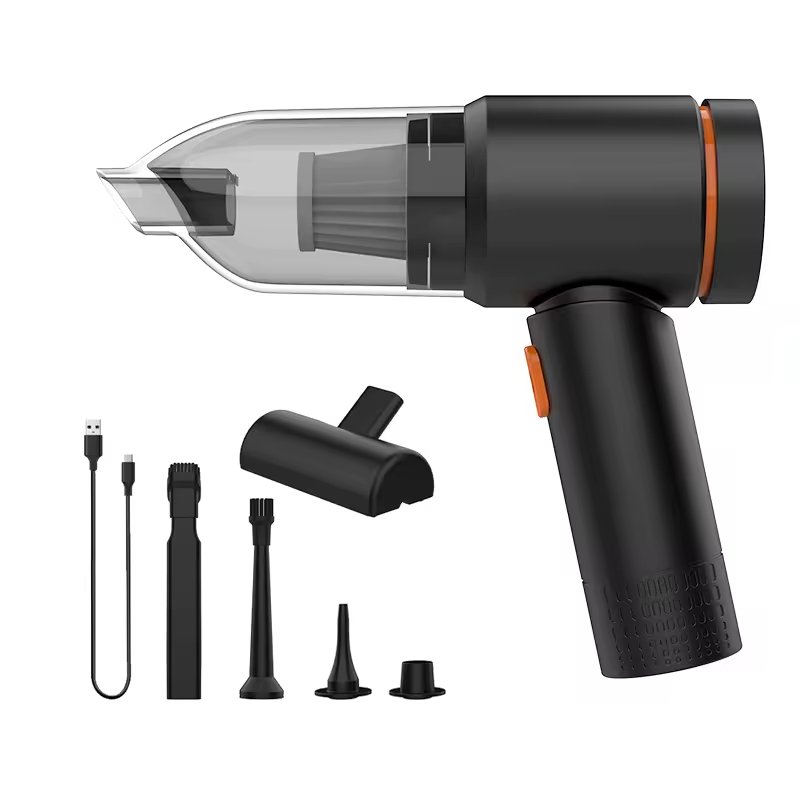
Car vacuum attachments target the weird spaces that make vehicle interiors challenging. You get 6-12 inch crevice tools that slip between seat cushions and reach into console gaps. The brush attachments use softer bristles that clean dashboard surfaces without scratching delicate plastics. Many models include flexible hoses that bend around gear shifters and specialized nozzles for air vent cleaning.
Home vacuum attachments focus on versatility across different surfaces. Motorized brush heads dig deep into carpet fibers, while hard floor attachments prevent debris from scattering across tile and wood. Extension wands let you reach ceiling fans and high shelves – capabilities you’ll never need in a car.
Filtration: Simple vs Sophisticated
Home vacuums frequently include HEPA filters that trap 99.97% of particles larger than 0.3 microns, addressing allergen concerns in living spaces. Car vacuums typically use basic foam or cloth filters that handle visible dirt and debris but skip the microscopic particle removal.
Where Each Vacuum Type Shines
Car interiors demand precision and maneuverability, while home environments need sustained power and broad coverage – each vacuum excels in its intended space.
Car interiors present unique cleaning challenges that favor compact, nimble vacuums. Seat tracks collect debris in narrow channels, cup holders trap sticky residue, and door panels hide dirt in countless crevices. The confined space makes cord management crucial. Car vacuums handle these scenarios brilliantly thanks to their lightweight design and specialized attachments.
Home environments demand sustained suction power across varied surfaces. Deep carpet cleaning requires motorized brush action and consistent airflow that car vacuums simply cannot match. Large open areas benefit from the extended reach and powerful motors found in dedicated home vacuum systems.
When Cross-Environment Use Falls Short
Using your home vacuum in the car creates practical headaches. The weight and bulk make tight-space maneuvering difficult, while the powerful suction can damage delicate automotive materials like vinyl or soft plastics. Standard home vacuum attachments often prove too large for car interior crevices.
Car vacuums struggle with whole-house cleaning due to power and capacity limitations. The smaller dustbin requires frequent emptying during large cleaning sessions. Battery-powered models may die before you finish cleaning, while the reduced suction power struggles with embedded carpet dirt that home vacuums handle easily.
Join 300+ global partners who trust KelyLands for top-tier car accessories. Review our portable vacuums in our catalogue
Request nowHybrid Solutions That Bridge the Gap
Modern convertible vacuums attempt to serve both environments, but they often compromise specialized performance for convenience.
Several manufacturers now produce convertible vacuum systems that transform from upright home units into portable handheld models. These systems feature detachable motorized heads and extension hoses, allowing both floor cleaning and detail work. The convenience factor appeals to many buyers, though these hybrid models often compromise on specialized performance compared to dedicated units.
Wet-dry shop vacuums represent another hybrid category, offering powerful suction suitable for both automotive and home use. These units excel at heavy-duty cleaning tasks but lack the finesse attachments needed for delicate surfaces. Their substantial weight and size limit portability for regular car cleaning applications.
Cordless Technology Changes the Game
Lithium-ion battery advancement has enabled powerful cordless stick vacuums that work reasonably well in both environments. These models typically offer 15-45 minutes of runtime with suction power approaching corded models. The cordless design eliminates power source concerns when cleaning vehicles, while the stick format handles home floors effectively.

Choosing What Works for Your Situation
Your cleaning frequency, living situation, and budget constraints determine whether separate vacuums or a hybrid solution makes financial sense.
Families with multiple vehicles and regular car maintenance routines benefit most from dedicated car vacuums. The specialized attachments and portable design justify the additional investment when car cleaning occurs weekly or bi-weekly. Car enthusiasts and anyone who details vehicles regularly find comprehensive car vacuum guides essential for achieving professional-quality results.
Urban dwellers with small apartments and infrequent car use may prefer investing in a high-quality cordless stick vacuum with car-cleaning attachments. This approach maximizes utility per dollar spent while minimizing storage requirements in cramped living spaces.
Budget Math and Long-Term Value
Entry-level car vacuums start around $30-50, while quality models range from $80-150. Home vacuums span a broader price range, from $100 budget uprights to $400+ premium cordless models. Purchasing separate dedicated units typically costs $200-400 total, compared to $150-300 for a versatile hybrid system.
Maintenance costs favor dedicated systems due to specialized replacement parts and filters. Hybrid models may require more expensive universal components, while dedicated units often use cheaper, application-specific consumables that keep long-term costs down.
Portable Car Vacuums Built for Powerful Cleaning
Keep every corner of your vehicle spotless with KelyLands’ compact, high-suction car vacuum cleaners. Designed for quiet and efficient performance, they include versatile attachments, rechargeable options, and OEM customization to fit your brand and market needs.
Keeping Your Vacuum Running Strong
Car vacuums need frequent filter changes and motor vent cleaning, while home vacuums require belt and brush roll maintenance – but both reward proper care with extended lifespans.
Car vacuums require different maintenance approaches due to their compact design and frequent exposure to automotive debris. Motor vents need regular cleaning to prevent overheating, while filters require more frequent replacement due to the fine dust common in vehicle interiors. Battery-powered models benefit from proper charging cycles and storage at moderate temperatures.
Home vacuum maintenance focuses on belt replacement, brush roll cleaning, and filter management. The larger scale of home vacuum components makes maintenance more straightforward, with easily accessible parts and clear maintenance indicators that tell you when service is needed.

Filter Replacement Costs and Performance Impact
Clogged filters dramatically reduce suction power in both vacuum types. Car vacuum filters typically cost $5-15 to replace and should be changed every 2-3 months with regular use. Home vacuum filters range from $10-40 depending on the filtration level, with HEPA filters commanding premium pricing but offering superior air quality benefits. For detailed insights on car vacuum pros and cons, proper maintenance proves crucial for performance.
When considering using car vacuums at home, remember that regular filter care maintains optimal functionality across environments. For buyers exploring options, separate or combined vacuum solutions each have specific maintenance requirements. Professional detailers often consult ultimate car vacuum guides to maximize equipment longevity and performance.
Power Up Your Market Presence
Stay ahead with KelyLands’ cutting-edge car accessories. Our vacuum cleaners are designed for global markets. Click to contact our sales team and explore partnership opportunities.
Frequently Asked Questions
Can I use a home vacuum cleaner for my car regularly?
You can use a home vacuum occasionally, but regular car cleaning works better with a dedicated car vacuum. Home vacuums are bulky and difficult to maneuver in car interiors. The powerful suction can damage delicate automotive surfaces, and standard attachments often don’t fit tight spaces between seats and consoles.
How often should I vacuum my car interior?
Most car interiors benefit from weekly or bi-weekly vacuuming, depending on usage patterns. Families with children or pets may need more frequent cleaning, while low-use vehicles can extend intervals to monthly. Regular vacuuming prevents dirt from embedding and maintains your interior’s appearance and value.
Which vacuum type works best for pet hair removal?
Both car and home vacuums can handle pet hair effectively with proper attachments. Look for motorized brush tools and strong suction power. Home vacuums with HEPA filtration better address airborne dander, while car vacuums with specialized upholstery tools excel at removing hair from seat fabrics.
Are cordless vacuums powerful enough for thorough cleaning?
Modern cordless vacuums deliver impressive suction power, often matching corded models for surface cleaning. Battery runtime of 15-45 minutes suits most cleaning sessions. Deep carpet cleaning may still favor corded models, but cordless units handle both car and home maintenance cleaning effectively.
What maintenance steps ensure vacuum longevity?
Regular filter cleaning or replacement maintains suction power and prevents motor damage. Empty dustbins after each use to prevent odors and maintain airflow. Check for brush roll tangles and clear any debris. Store cordless models with batteries at 50-80% charge for optimal battery life.
Can car vacuums handle wet spills effectively?
Only wet-dry car vacuums can safely handle liquids. Standard car vacuums designed for dry debris only will suffer motor damage if used on wet materials. Check manufacturer specifications before attempting liquid cleanup, and ensure proper drainage and drying after wet-dry use.
How do I choose between single versatile vacuum and dedicated units?
Consider your cleaning frequency, available storage space, and budget. Daily car users with ample storage benefit from dedicated units. Occasional cleaners with limited space prefer versatile cordless models. Evaluate the 80/20 rule: which cleaning tasks represent 80% of your needs?
What are the benefits of HEPA filtration in vacuums?
HEPA filters capture 99.97% of particles 0.3 microns or larger, significantly improving indoor air quality. This benefits allergy sufferers and removes microscopic dust, pollen, and pet dander. HEPA filtration provides more benefits for home use than car cleaning, where visible debris removal is the primary concern.

 English
  Español
  Français
  Deutsch
  Português do Brasil
  Русский
  한국어
한국어  日本語
日本語  العربية