 跳转到主要内容 跳转到页脚

Evaluating the commercial durability of a commercial cordless vacuum is the only way to prevent equipment failure from driving up operational costs. Consumer-grade units fail under sustained use in high-traffic areas, leading to constant replacements, service delays, and wasted labor. This turns a simple tool into a significant drain on fleet budgets and efficiency.
This analysis defines ruggedized sourcing beyond battery life. We benchmark performance on critical metrics like IK08 impact resistance, the use of ABS/PC housing, and true motor duty cycle. These specifications provide a clear framework for selecting equipment that lowers total cost of ownership and maximizes asset availability.
Can the motor sustain a continuous 45-minute duty cycle?
A 45-minute battery runtime doesn’t mean the motor can run continuously for that long. Most portable motors are for intermittent use to manage heat. For truly continuous operation, a 12V corded power source is the ideal solution.
Understanding Motor Duty Cycle vs. Battery Runtime
Battery runtime measures total energy capacity—how much fuel is in the tank. Motor duty cycle measures thermal tolerance—how long the engine can run at full throttle before overheating. They aren’t the same thing. Portable vacuum motors are designed as intermittent-duty devices, built for short, powerful bursts of use, not continuous operation.
Running a motor at maximum power for an extended period generates significant heat and stresses its components. The sustainable usage window for most units at high power falls within the 10–20 minute range before needing a cool-down period.
Power Solutions for Different Cleaning Needs
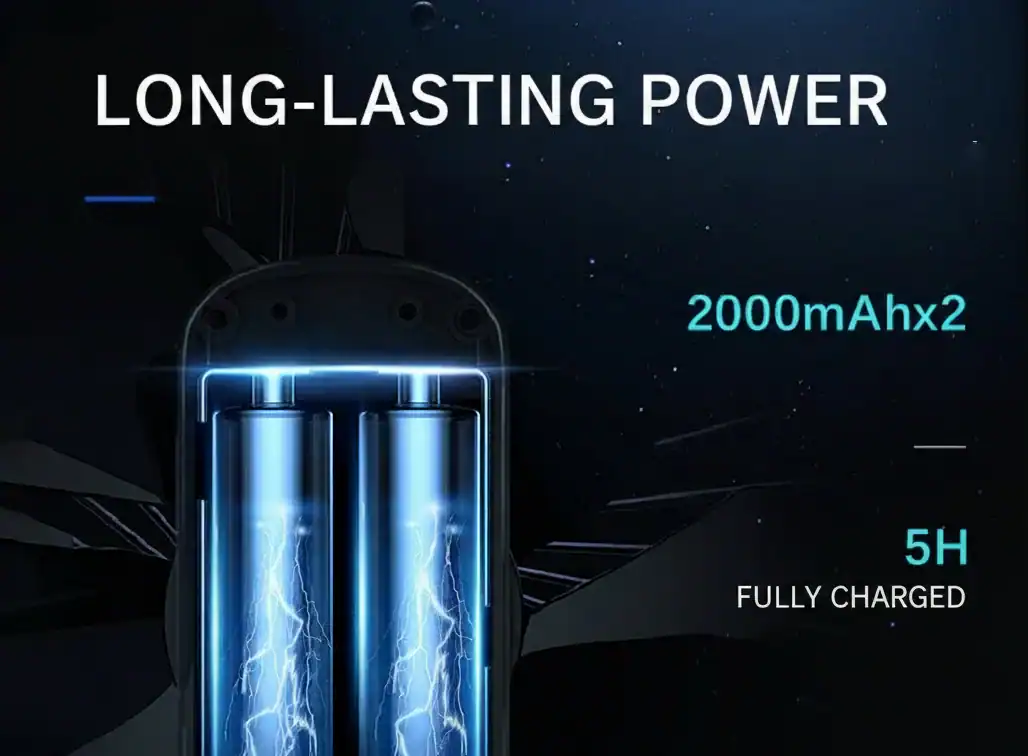
We engineer our products to match real-world use cases. Our cordless models use high-capacity 2000-4000mAh batteries, making them perfect for everyday, intermittent cleaning tasks where grab-and-go convenience is key.
For deep cleaning jobs that demand sustained power without downtime, our 12V DC corded models provide a direct solution. By plugging into the vehicle, they offer unlimited runtime, completely addressing the need for continuous-duty operation without worrying about battery life or motor heat.
What does an IK08 Impact Rating mean for a vacuum?
An IK08 rating confirms a vacuum’s housing can withstand a 5-joule impact, equivalent to dropping a 1.7 kg weight from 300 mm. It’s an international standard verifying industrial-strength durability.
Defining the 5-Joule Impact Standard
The IK08 rating is a specific measurement from the IEC 62262 international standard, which grades enclosures on their resistance to mechanical impact. A rating of IK08 means the device can withstand 5 joules of force. The test is simple and direct: a 1.7 kg steel mass is dropped from a height of 300 mm onto the tested surface. Passing this test demonstrates that the vacuum can handle moderate to significant physical shocks—like being knocked over or colliding with furniture—without critical failure.
How High-Quality ABS/PC Housing Achieves Durability
This level of durability comes down to material science. Our vacuums achieve this standard by using a high-quality ABS / PC housing. This composite material is engineered to absorb and distribute impact energy effectively. It protects the critical internal components, like the motor and battery, from the shock of a drop or collision. This resilience is essential for any equipment intended for reliable, long-term performance in demanding commercial settings.
Source Top-Tier, Customizable Car Vacuums

Why is “Tool-Free” modular repair critical for fleets?
Tool-free modular repair cuts fleet downtime by letting operators fix equipment on-site without specialized tools. This lowers maintenance costs and boosts asset availability and efficiency.
| Common Fleet Challenge | Tool-Free Modular Solution |
|---|---|
| Equipment downtime for simple fixes like clogged filters or broken attachments. | Operators can swap common parts in the field, turning a service call into a 60-second fix. |
| High operational costs from technician dispatch and vehicle transport to a depot. | Eliminates the need for specialized service calls for routine maintenance. |
| Degraded performance and motor strain from dirty, disposable filters. | User-serviceable filters maintain consistent suction and reduce long-term wear. |
Reducing Equipment Downtime and Operational Costs
The core value of a tool-free design in a commercial fleet is simple: it keeps your assets working. When an operator can fix a problem on the spot, you avoid a cascade of costs and delays. A minor issue like a clogged filter no longer sidelines a vehicle for hours or requires a trip to a maintenance depot. This approach directly translates to more jobs completed per day and lower labor costs tied to non-productive downtime.
- Immediate Field Swaps: Operators can instantly replace common wear-and-tear components like filters or nozzle attachments by hand.
- No Service Calls: Simple tasks are handled by the user, removing the expense and scheduling delays of dispatching a technician.
- Maximum Asset Availability: Vehicles and their equipment stay on schedule and remain productive throughout their shift.
User-Serviceable Filters for Consistent Performance
A perfect example of this principle is the filtration system. Performance degradation is a constant battle for vacuums in commercial use. Clogged filters reduce suction, strain the motor, and lead to poor cleaning results. Instead of treating filters as a disposable part that requires a technician or a new purchase order, a modular design makes it a routine, user-managed task.
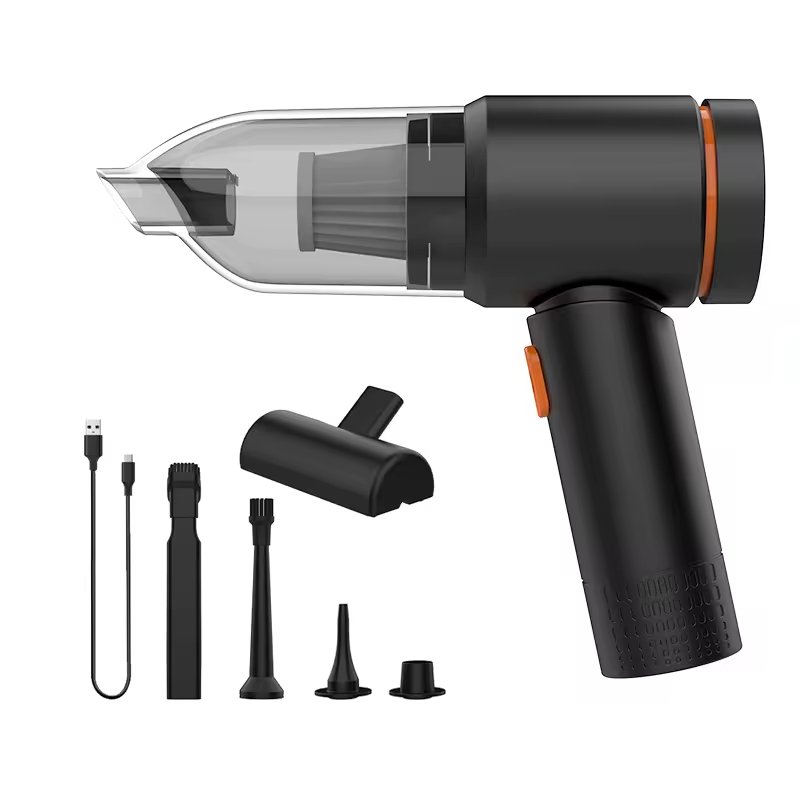
- Washable by Design: Our vacuums feature a Washable HEPA Filter or a Stainless Steel Filter that operators can remove, clean, and reinstall by hand.
- Consistent Suction Power: Regular, easy cleaning prevents clogs, ensuring the vacuum delivers reliable suction power every time and reducing motor strain.
- Lower Total Cost of Ownership: Reusable filters eliminate the recurring cost of purchasing and stocking disposable replacements for your entire fleet.
Is Serial Tracking available for B2B asset management?
Yes, serial tracking is standard in B2B systems like WMS and ERP. It tracks individual items to provide inventory visibility, improve accuracy, and ensure supply chain traceability.
For any business managing physical assets, tracking individual units is non-negotiable. Serial tracking isn’t a new or niche feature; it’s a core capability baked into most modern WMS and ERP platforms. It gives you a complete audit trail for every single item, from receiving to shipping. This level of detail is essential for accurate inventory control, warranty management, and efficient recall handling.
Core Benefits for Supply Chain Traceability
Implementing serial tracking directly impacts operational control and risk management. Instead of tracking inventory in batches, you gain unit-level intelligence.
- Complete Traceability: You get full chain-of-custody visibility for every product, from the factory to the end user.
- Targeted Recalls: You can isolate and track specific serial numbers in a recall scenario, avoiding the massive cost and disruption of recalling an entire production run.
- Real-Time Visibility: The system lets you know the exact location and status of any individual asset at any given moment.

Our Approach to Unit-Level Quality Control
While you manage asset tracking within your own supply chain, we provide a similar level of unit-level integrity right from the source. We build traceability into our quality control to make sure every product you receive has a verifiable history of performance.
- Triple-Layer Inspection: Our process covers incoming materials (IQC), in-process production (PQC), and finished goods (FQC) to catch any issues early.
- 100% Functional Testing: Every single unit undergoes functional testing for key performance metrics like suction power and battery stability before it gets packed.
Frequently Asked Questions
Can a commercial cordless vacuum motor run continuously for 45 minutes without overheating?
A vacuum’s runtime is typically limited by its battery capacity, which often falls within a 40 to 80-minute window, not by motor overheating. Cordless models are designed for intermittent cleaning tasks rather than the sustained, heavy-duty operation of corded units.
Are internal parts like the battery and motor modular for easy replacement?
Battery swapping is a common feature that allows for extended runtime. Full modularity for other internal components like the motor or electronics is not standard. Replacing these parts usually requires professional service.
Do commercial cordless vacuums have an IK08 impact resistance rating?
IK ratings for impact resistance are not a standard specification published by manufacturers for commercial cordless vacuums. Product information typically focuses on performance metrics like suction power and battery life rather than durability ratings.
What are the dust bin latches made from?
The material varies by model. Heavy-duty commercial vacuums often use stainless steel for durability, while lighter cordless models may use plastic latches to reduce weight and cost. There is no single industry standard.
Is fleet management support, including spare parts kits, available?
Comprehensive fleet management programs and standardized spare parts kits are not consistently offered by most commercial vacuum manufacturers. The level of support varies significantly between brands and is not a standard industry feature.
Final Thoughts
While generic units offer a lower initial price, their true cost emerges in fleet downtime and replacement cycles. Specifying durable ABS/PC housing and user-serviceable filters is the critical decision that protects your operational budget. This choice defends your total cost of ownership and your reputation for reliability.
Don’t guess on performance—verify it with your own hands. We recommend starting with a sample kit to test our build quality and suction power in your real-world environment. Contact our team to get a quote and discuss your private label requirements.

 English
  Español
  Français
  Deutsch
  Português do Brasil
  Русский
  한국어
한국어  日本語
日本語  العربية