


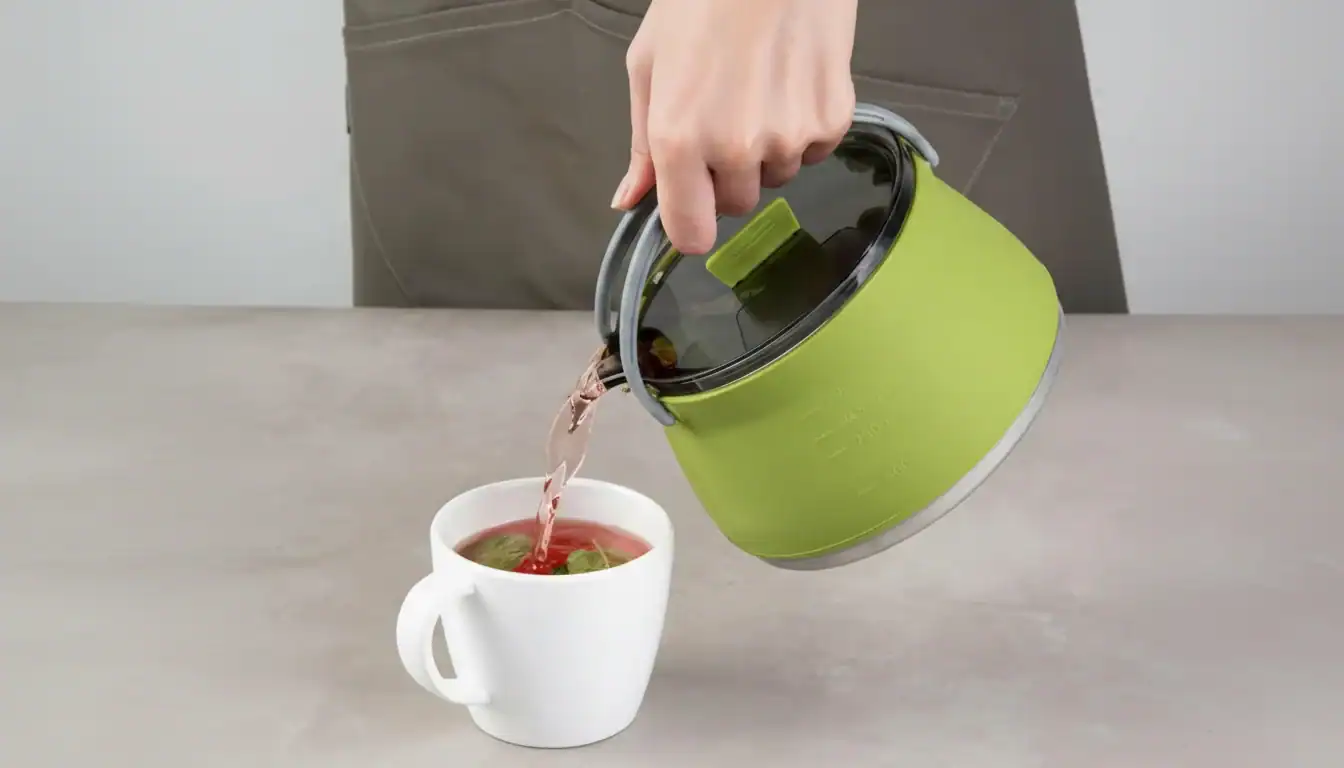
Executing a Phase 2. Drop Protection OEM(borosilicate glass kettle portable) strategy serves as the primary defense against catastrophic transit breakage and soaring warranty replacement costs. Travel-friendly beverage appliances endure brutal handling conditions inside luggage and during daily commutes. Brands shipping bare glass units invite immediate financial loss from shattered inventory and negative customer reviews. Integrating a custom food-grade silicone sleeve directly solves this operational vulnerability, giving buyers a structural shock absorber that physically shields the unit and protects long-term profit margins.
This technical operating procedure defines the manufacturing specifications for custom silicone armor. We detail the engineering mechanics behind surviving a 1-meter drop test and calculate the exact tooling costs required for base logo embossing. Procurement teams will gain actionable insights on precise factory Pantone-matching, LFGB safety standard compliance, and thermal dissipation metrics so the sleeve actively protects the appliance without trapping excess heat.
How Do Food-Grade Silicone Sleeves Survive the 1-Meter Drop Test?
Food-grade silicone leverages high inherent compressibility and thermal stability to absorb kinetic energy, physically shielding fragile components like high borosilicate glass from catastrophic impact failure.
Shock Absorption Mechanisms
Food-grade silicone relies on inherent compressibility to dampen mechanical vibrations during a sudden impact. The soft, flexible nature of the material allows the sleeve to act as a physical cushion that compresses immediately upon hitting a hard surface. This rapid compression actively absorbs and redirects the kinetic energy from a 1-meter fall away from fragile internal components. For products like the KelyLands SM400 hervidor para coche, this specific mechanical action protects the high borosilicate glass from shattering upon impact.
| Material Configuration | Impact Absorption (1-Meter Drop) | Thermal Shock Resistance |
|---|---|---|
| Bare Borosilicate Glass | Poor (High shatter risk) | Excellent (Zero-odor boiling) |
| Standard Rigid Plastic | Moderate (Crack/fracture risk) | Low (Melting and off-gassing risk) |
| Silicone-Sleeved Glass | High (Kinetic energy redirected) | Excellent (-60°C to 225°C operating range) |
Material Stability Across Temperature Extremes
Silicone maintains its protective structural integrity even when facing severe heat or cold. Food-grade silicone retains its elasticity across a broad temperature range, functioning reliably from -60°C up to 225°C. This thermal stability ensures the sleeve avoids becoming brittle and cracking during a physical drop. Even if a fleet operator drops the appliance onto frozen asphalt immediately after boiling water in a cold climate, the material continues to absorb the shock without structural failure.
Quality Control for Bulk B2B Production
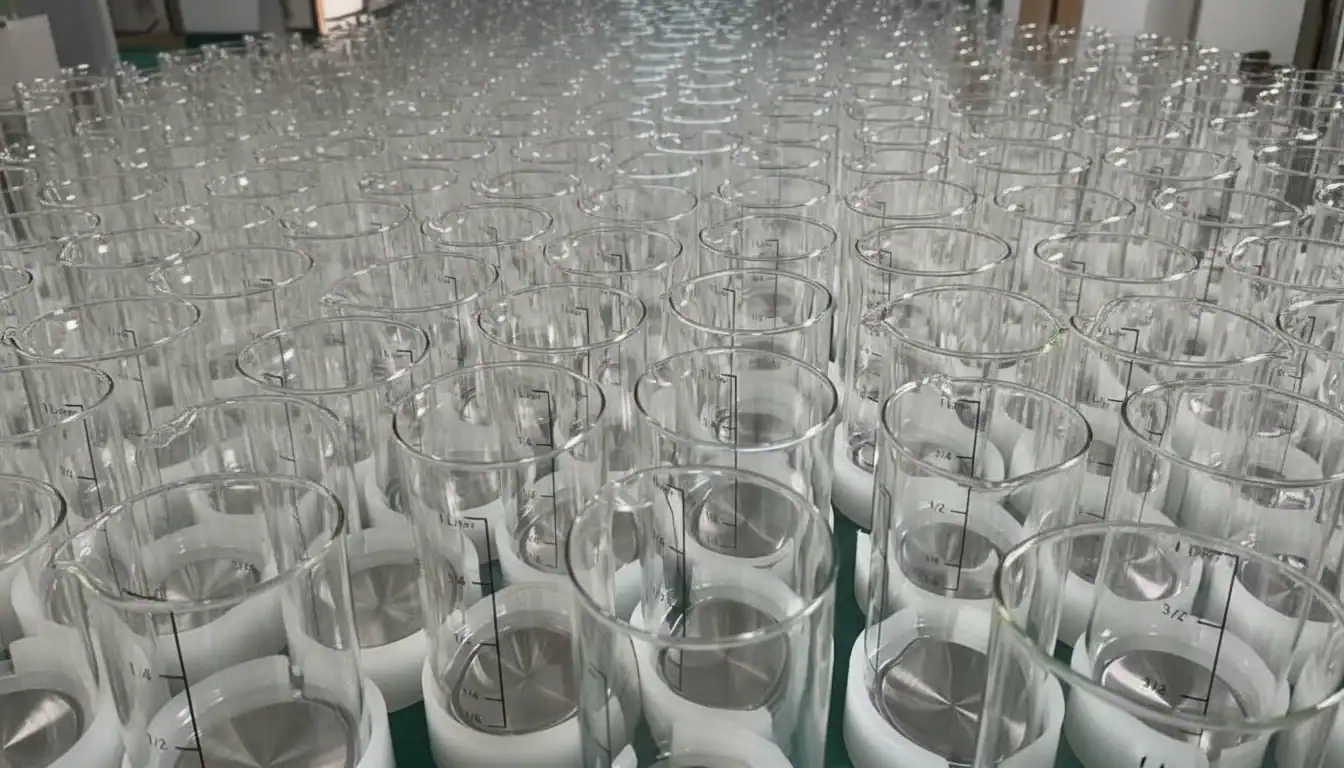
Rigorous factory testing guarantees consistent drop resistance across large OEM orders. KelyLands enforces a triple-layer inspection protocol consisting of Incoming Control de calidad (IQC), Process Quality Control (PQC), and Final Quality Control (FQC). These protocols verify the precise thickness and density of every silicone sleeve before final assembly.
- IQC measures masterbatch ratios and raw material elasticity parameters.
- PQC monitors curing temperatures to prevent material degradation during molding.
- FQC executes random batch drop tests to confirm physical resilience.
Production teams validate these material properties under ISO 9001:2015 and IATF 16949 standards. This tight workflow easily meets the strict 2026 durability requirements demanded by commercial logistics fleets and RV outfitters.
Can the Factory Pantone-Match the Silicone Sleeve to Our Brand Colors?
Precision spectrophotometry and rigid masterbatch controls allow factories to match OEM brand colors on silicone sleeves with a Delta-E variance of ≤1.0, rendering any differences imperceptible to the naked eye.
Achieving Delta-E Accuracy in Pantone Matching
KelyLands matches exact brand colors using the Pantone Matching System (PMS) combined with LAB/CIELAB color measurement standards. Factory engineers rely on advanced spectrophotometry and computer-assisted tools to lock in Delta-E (ΔE) values of ≤1.0. This tight tolerance ensures color variations remain entirely imperceptible to the human eye across production runs.
The OEM engineering team requires exact Pantone codes from clients rather than photo-based references. Photos introduce lighting and screen calibration biases, whereas a precise Pantone code provides an objective, mathematical baseline for the dye formulation process.
Managing Process Variables for Color Consistency
Hitting the target color on the first sample demands strict process controls. Engineers keep masterbatch ratio tolerances within ±0.5% during the initial dye formulation stage. Even minor deviations in dye volume can drastically alter the final hue of the cured silicone.
The factory strictly manages curing temperatures, holding them within a precise ±2°C range. This prevents burning or yellowing, which disproportionately affects light-colored sleeves. KelyLands evaluates the base material properties before mixing, factoring in the optical differences between transparent and milky silicone substrates. The team adjusts the pigment load to match the specific light transmission profile of the raw material.
Setting Color Guidelines for OEM Bulk Orders
KelyLands recommends selecting Pantone C (Coated) or U (Uncoated) codes for solid opaque silicone products. These standard codes ensure vibrant, predictable results that align perfectly with your existing corporate branding guidelines.
1. Una vez que los clientes aprueban la muestra física inicial del color, el equipo de ingeniería documenta exhaustivamente la formulación exacta del tinte, las proporciones de pigmento y el perfil de curado térmico. Esta documentación rigurosa garantiza una repetición exacta en lotes estándar de 3.000 unidades, asegurando una presentación de marca consistente para B2B global 2. las operaciones de cumplimiento.
Secure High-Margin 12V/24V OEM Car Kettles
What Is the Tooling Cost for Embossing Our Logo on the Silicone Base?
7. Inversión inicial de capital para la creación de moldes.
8. El mecanizado del molde físico es el principal gasto en el relive de logotipos de silicona. Los fabricantes utilizan mecanizado CNC o mecanizado por descarga eléctrica (EDM) para grabar geometrías complejas de logotipos en bloques de acero o aluminio. Los equipos que requieren controles precisos de temperatura y presión determinan los precios desde el rango medio hasta premium para este tooling personalizado. Para diseños estándar, los moldes de cavidad simple representan una opción accesible, mientras que los pedidos de alto volumen exigen sistemas complejos de múltiples cavidades para maximizar la velocidad de producción.
9. Los ingenieros de KelyLands desarrollan sistemas de moldes reutilizables para mantener la rentabilidad a largo plazo en pedidos recurrentes al por mayor B2B. Al utilizar materiales de tooling duraderos optimizados para fases rápidas de calentamiento y enfriamiento, la fábrica asegura que el molde soporte miles de ciclos sin degradar el nítido relieve del logotipo 3D.
10. Categoría del tooling.
| 11. Rango de coste estimado | 12. $400 – $4.000 | Aplicación típica |
|---|---|---|
| Molde de cavidad única | 13. Logotipos sencillos y piloto B2B de bajo volumen | 14. Molde de múltiples cavidades |
| Multi-Cavity Mold | $5,000 – $25,000 | Intricate 3D geometries and mass fleet production |
| Digital Prototyping | $100 – $1,000 | Physical verification before cutting final metal |
CAD Integration and Prototyping Fees
Digital design workflows directly influence the initial setup and prototyping costs. Advanced CAD-integrated systems allow designers to finalize the 3D logo details, check tolerances, and analyze flow dynamics before engineers cut the physical metal mold. Industry rates for this specialized design phase typically run between $50 and $200 per hour, depending on the intricacy of the brand artwork.
The OEM design team at KelyLands validates every dimension to ensure the brand logo transfers flawlessly to the silicone base of the SM400 high vidrio de borosilicato. This thorough digital verification step prevents expensive rework, keeps initial prototyping fees manageable, and guarantees the final silicone sleeve aligns perfectly with the rigid glass exterior.
Production Scale and Cost Amortization
Balancing the upfront tooling fee against the total production volume dictates the ultimate commercial viability of custom embossing. Upfront tooling investments pay off through high-speed automated production, which drops the per-unit price significantly at scale. When a brand orders a large batch, the factory distributes the $4,000 mold cost across thousands of units, making the custom branding expense nearly invisible on the final invoice.
- KelyLands structures customized B2B kettle runs at a 3,000-piece minimum so buyers can easily absorb the mold fee across the batch.
- The factory utilizes rapid cooling cycles to increase the daily output yield of custom silicone sleeves.
- Advanced machinery ensures fast turnaround times without compromising detailed 3D logo quality or material integrity.
Does the Sleeve Interfere With the Kettle’s Heat Dissipation?
Food-grade silicone sleeves act as dense thermal insulators rather than heat sinks, actively improving boiling efficiency by trapping internal thermal energy while maintaining a safe-to-touch exterior.
Thermal Insulation Properties of Silicone Sleeves
Food-grade silicone fundamentally alters the thermal dynamics of the SM400 High Borosilicate Glass kettle. Instead of drawing heat away from the water like a metal heat sink, the silicone sleeve acts as a highly effective thermal insulator. This dense barrier significantly restricts the direct transfer of thermal energy from the rigid glass surface to the external environment.
Because silicone possesses exceptionally low thermal conductivity, it locks the heat inside the 1000ML reservoir. This material characteristic ensures the boiled water remains hot for extended periods after the heating cycle completes, drastically reducing the need for fleet drivers to execute repeated power cycles during long hauls.
Effects on 12V/24V Boiling Efficiency
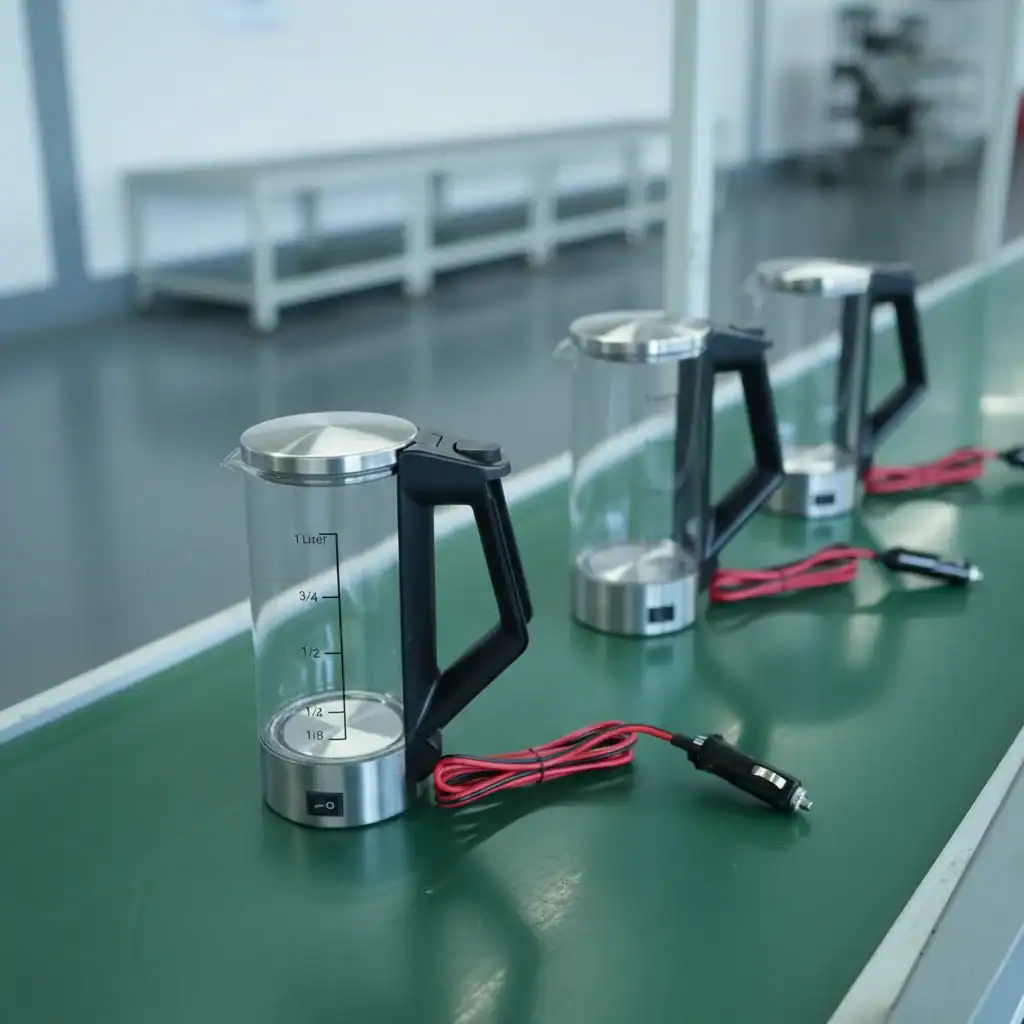
Heating water via a vehicle’s DC power supply demands strict energy management. KelyLands 12V/24V auto kettles operate within a constrained 150W to 300W power envelope, requiring approximately 30 minutes to bring 1000ML of water to a rolling boil. In this low-wattage environment, minimizing ambient heat loss dictates the overall boiling performance.
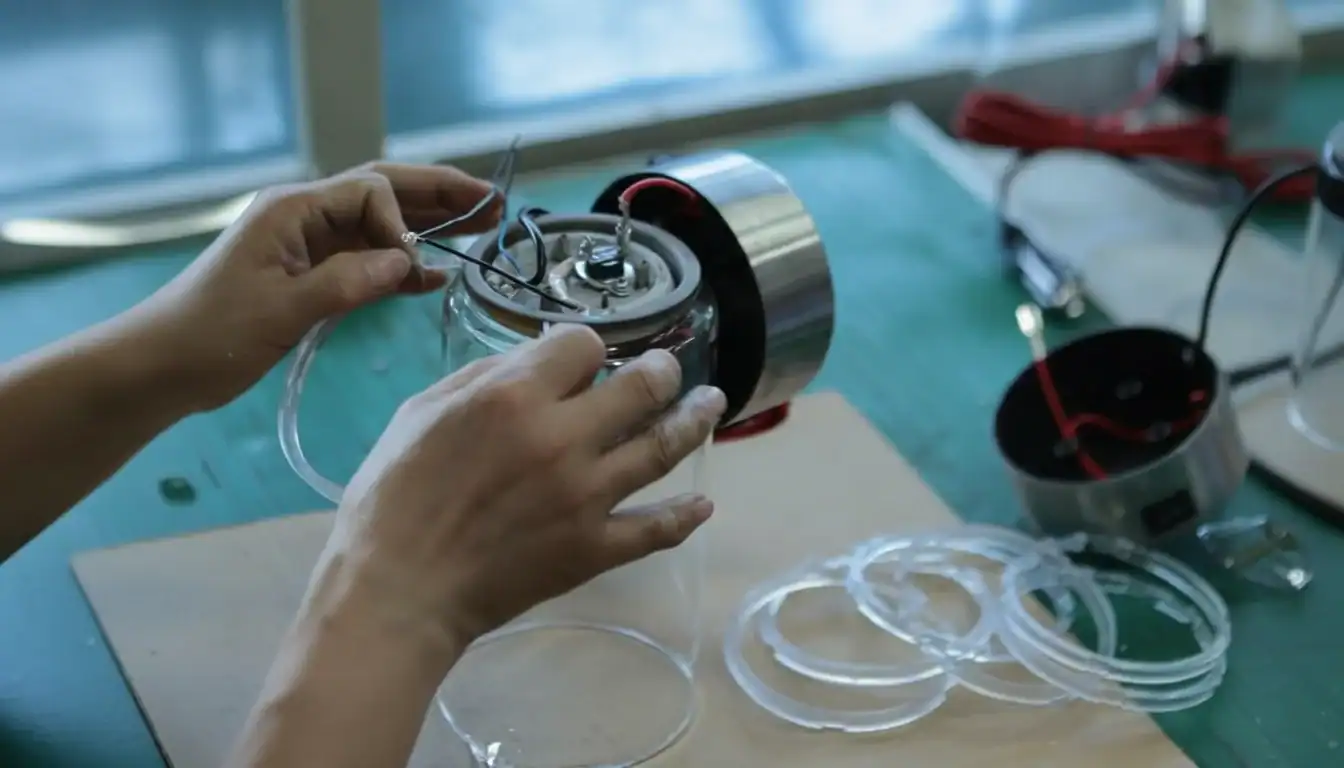
The protective sleeve wraps the sidewalls of the glass cylinder, actively preventing the ambient air inside a cold truck cabin from cooling the vessel. By blocking this external temperature interference, the sleeve forces the maximum amount of heating energy directly into the water, optimizing the 30-minute boiling sequence and reducing unnecessary strain on the vehicle’s electrical architecture.
User Safety and External Heat Transfer
Managing external surface temperatures establishes the safety baseline for fleet drivers and RV users operating heavy-duty kettles in confined spaces. The silicone sleeve functions as a reliable thermal barrier, specifically engineered to intercept the intense temperatures radiating outward from the borosilicate glass core.
While the internal water reaches a 100°C rolling boil, the low-conductivity sleeve keeps the exterior contact points cool enough to handle. This deliberate thermal management prevents accidental burns when users grip and pour from the heavy-duty SM400 model immediately after the boiling sequence triggers the auto-off switch.
Conclusión
Integrating a custom food-grade silicone sleeve transforms a standard portable borosilicate glass kettle into a highly durable, retail-ready product. The sleeve effectively absorbs impacts to pass the 1-meter drop test while maintaining proper heat dissipation during the boiling cycle. Precise Pantone matching and logotipo personalizado el grabado permite a las marcas OEM construir identidades visuales distintas mientras resuelve el problema común de las roturas durante el transporte.
Evalúa los diseños actuales de tus hervidores de vidrio para ver dónde la protección de silicona dirigida puede reducir tus product las tasas de devolución. Contacta a nuestro equipo de ingeniería OEM para discutir los costos de herramienta y solicitar una muestra de silicona personalizada adaptada a tus requisitos específicos de venta al por menor.
Preguntas frecuentes
¿Se rompe fácilmente un hervidor de vidrio borosilicato portátil en el equipaje?
El vidrio borosilicato es altamente resistente al choque térmico, pero al ser un material rígido, puede ser susceptible a impactos mecánicos si se empaca sin protección en el equipaje. Sin embargo, cuando está encerrado en una funda de silicona de grado alimenticio de alta calidad, las vibraciones e impactos se amortiguan significativamente. La naturaleza compresible de la silicona actúa como un amortiguador de choques, reduciendo enormemente el riesgo de rotura durante el transporte y el manejo brusco del equipaje.
¿Podemos diseñar una funda protectora de silicona personalizada para el vidrio?
Sí, las fundas protectoras de silicona personalizadas pueden estar específicamente diseñadas para ajustarse a las dimensiones únicas de cualquier hervidor de vidrio. Debido a que la silicona de grado alimenticio es un material blando y compresible, puede ser moldeada con precisión para tener grosores adaptados en zonas de impacto clave. Esto proporciona una excelente absorción de impactos para prevenir caídas accidentales mientras permite la personalización completa de marca, color y estética.
¿Cuál es el costo de herramienta para moldes de silicona personalizados?
Los costos de herramienta para moldes de silicona personalizados suelen oscilar entre $500 y $3,000 USD, dependiendo de la complejidad del diseño de la funda, los requisitos de acabado superficial y el método de fabricación específico. Los moldes de compresión estándar para fundas protectoras básicas se encuentran en el extremo inferior de este espectro, mientras que diseños más intrincados que requieren moldeo por inyección de caucho de silicona líquida (LSR) en múltiples cavidades incurirán mayores gastos iniciales de herramienta pero ofrecerán mejor eficiencia para la producción en masa.
¿Las fundas de silicona pasan las normas de seguridad LFGB?
Sí, las fundas de silicona premium de grado alimenticio están específicamente fabricadas para superar estrictas normas de seguridad LFGB. Esta certificación de primer nivel garantiza que la silicona no contiene toxinas nocivas, no libera compuestos volátiles y mantiene de forma segura su durabilidad estructural y propiedades de absorción de impactos en un rango amplio de temperaturas, típicamente desde -60°C hasta 225°C, asegurando una seguridad óptima para electrodomésticos del consumidor.

 English
 Español
 Français
 Deutsch
 Português do Brasil
 Русский
 한국어
 日本語
 العربية