 跳转到主要内容 跳转到页脚

Navigating global certifications is a critical hurdle for vacuum cleaner manufacturers and exporters. This guide breaks down the essential standards required for market access in key regions like Europe and North America, providing a clear roadmap for compliance and competitive advantage.
Critical Safety and Market Access Certifications for Vacuum Cleaners
CE and UL certifications are non-negotiable passports for entering the European and North American markets, respectively, serving as the foundation for product safety and regulatory approval.
Understanding the CE Marking for Vacuum Cleaners
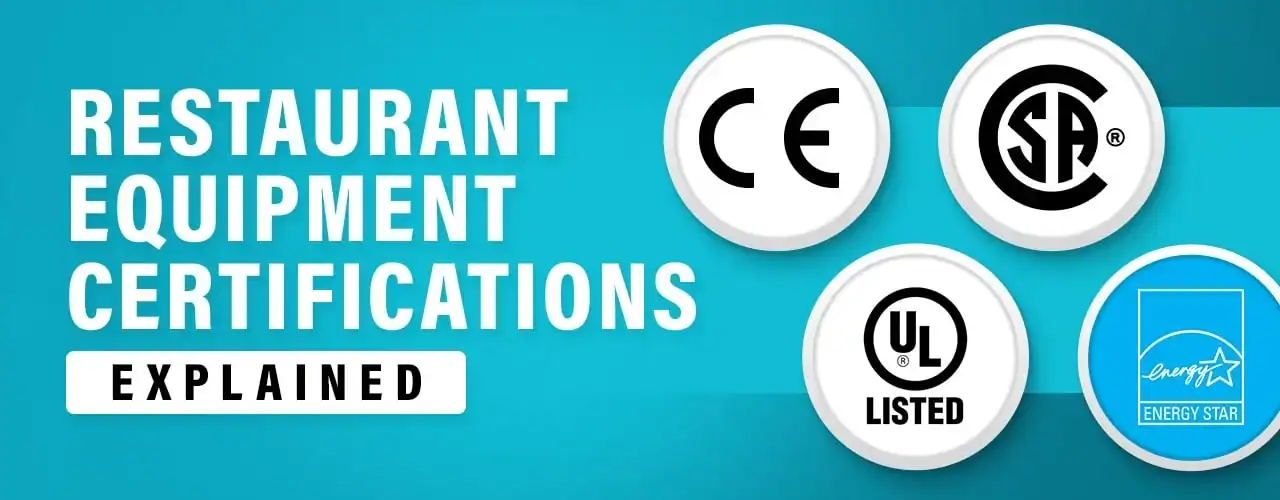
The CE marking is mandatory for vacuum cleaners entering the European Union and European Economic Area. It confirms a product’s conformity with EU directives covering safety, electromagnetic compatibility, and environmental protection. This certification acts as a trade passport, facilitating smooth movement across EU member states and EFTA countries.
Compliance is verified against specific standards, including EN/IEC 60335-2-2 for safety and EN55014-1/2 for electromagnetic compatibility. Failure to meet these requirements carries significant risk. Manufacturers face potential fines, product confiscation, and legal action for non-compliance.
UL Certification: The North American Safety Standard
UL certification, specifically under standard UL 1017, is essential for vacuum cleaners, blower cleaners, and floor finishing machines in North America. This certification verifies that products meet rigorous electrical safety requirements to prevent fire, shock, and other hazards. While technically voluntary, it is de facto mandatory for market access.
Many retailers, importers, and customs authorities require UL approval to avoid shipment rejection. The process involves thorough product evaluation, initial factory inspections, and annual follow-up audits. Achieving this certification builds immense consumer trust and enables broader distribution across the US and Canada.
Environmental and Energy Compliance Certifications
Beyond safety, environmental regulations like RoHS and energy labeling are critical for sustainable market presence and meeting modern consumer expectations.
RoHS Compliance for Hazardous Substance Restrictions
RoHS (Restriction of Hazardous Substances) certification limits the use of specific hazardous materials in electronic products. It restricts substances like lead, mercury, cadmium, and hexavalent chromium commonly found in electronic components. This protects both the environment and end-user health during the product’s lifecycle.
Originally an EU directive, RoHS compliance is now mandated in many regions, including China, Korea, Japan, and parts of the Americas. Non-compliance can result in severe penalties, including hefty fines, product bans, and lasting damage to brand reputation. Manufacturers must maintain detailed technical documentation and conduct regular material testing to ensure ongoing compliance.
Energy Labels under the Ecodesign Directive
Energy Labels are a core component of the EU’s Ecodesign Directive for energy-related products, including vacuum cleaners. These labels clearly display a product’s energy consumption during use, empowering consumers to make informed, efficient choices. Compliance is not optional; it is a strict requirement for market access within the European Union.
Products must undergo standardized energy efficiency testing to qualify for a label rating. Providing transparent and accurate labeling documentation is essential. This compliance directly enhances a product’s competitiveness by appealing to cost-conscious and environmentally-aware buyers.
Powerful Portable Car Vacuum Cleaners
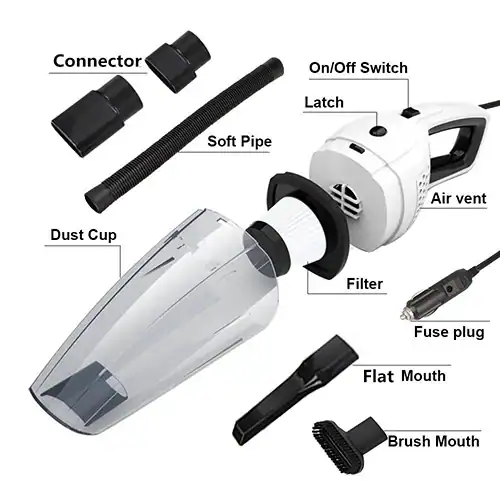
Keep your car spotless with KelyLands’ compact vacuum cleaners featuring strong suction, multi-tool attachments, quiet operation, and cordless convenience. Customize designs and logos with flexible OEM options and enjoy trusted quality certified for global markets.

Additional Regulatory and Quality Assurance Practices in Global Trade
A successful global strategy extends beyond product certs to encompass comprehensive quality systems and meticulous trade compliance.
Navigating Tariffs, Documentation, and Trade Compliance
Exporters face a complex web of varying tariffs, documentation, and labeling requirements from country to country. Accurate and compliant paperwork, such as commercial invoices and certificates of origin, is crucial. Errors can lead to costly shipment delays, storage fees, and fines at customs.
Understanding applicable trade agreements can provide access to preferential tariffs, significantly enhancing market competitiveness. Furthermore, proper labeling in the local language of the destination country ensures smoother customs clearance and avoids unnecessary complications.
Quality Management Systems and Factory Certifications
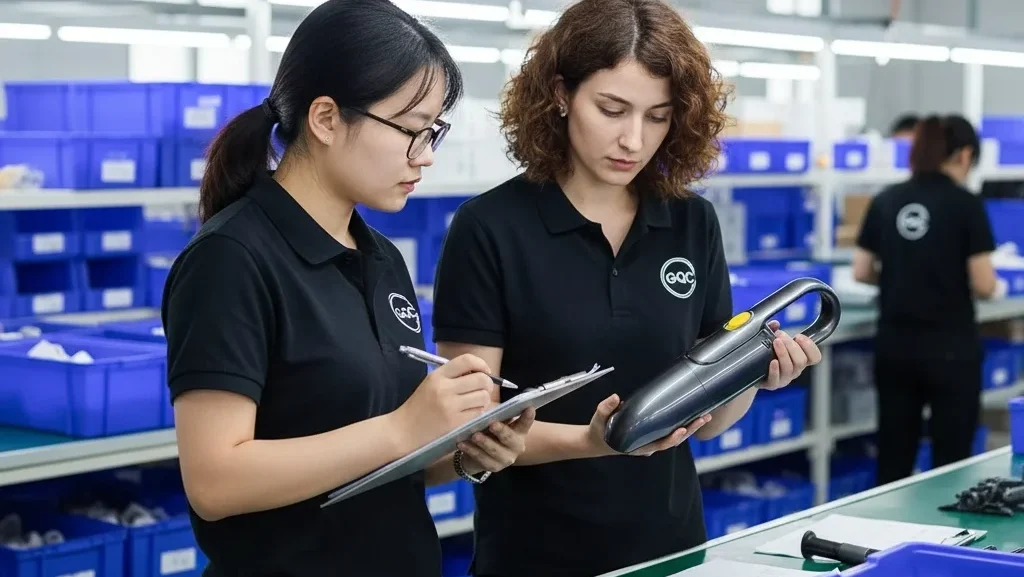
Implementing robust quality management systems, such as ISO 9001:2015, is a best practice for assuring consistent product quality and manufacturing reliability. These systems provide a framework for continuous improvement and defect prevention. Many buyers require these certifications as a prerequisite for doing business.
Third-party factory audits conducted by organizations like SGS or TÜV Rheinland verify manufacturing compliance and significantly reduce supplier risks. Supplementing this with rigorous quality assurance processes—like triple inspections and 100% function testing—minimizes defect rates and customer returns. This builds lasting customer trust and fosters strong, long-term partnerships. Learn more about Lefoo certifications and their impact.
Leveraging Technology for Efficient Compliance
Technology offers powerful tools to streamline the complex process of regulatory adherence. Digital compliance platforms and data analytics can automate reporting and manage documentation, reducing the risk of human error and violations. This automation also helps expedite the customs clearance process.
Advanced systems can even help in predicting regulatory changes across different markets. This proactive approach allows manufacturers to adapt their products and processes ahead of time, turning compliance into a competitive advantage in an evolving global landscape.
Frequently Asked Questions
What are the essential certifications required for vacuum cleaners to be sold in Europe and North America?
Market access to Europe requires the mandatory CE marking, proving conformity with EU safety and environmental directives. For North America, UL certification under standard UL 1017 is essential to meet rigorous electrical safety standards and gain acceptance from retailers and customs authorities.
How does RoHS compliance impact vacuum cleaner manufacturing and distribution?
RoHS compliance restricts the use of hazardous substances like lead and mercury in a vacuum’s electronic components. It is enforced in the EU and many other global regions. Non-compliance can result in fines, product bans, and severe reputational damage, impacting a product’s ability to be distributed internationally.
What role do Energy Labels play in vacuum cleaner sales in the EU?
Energy Labels, mandated under the EU Ecodesign Directive, provide consumers with clear information on a vacuum’s energy consumption. This label is legally required for sale in the EU and significantly influences purchasing decisions by highlighting energy efficiency, directly impacting a product’s competitiveness.
Why is accurate product documentation critical in global trade compliance for vacuums?
Incorrect documentation is a primary cause of customs delays. Accurate commercial invoices, certificates of origin, and localized labeling are essential to prevent shipments from being held, confiscated, or incurring steep fines, ensuring smooth entry into the target market.
How can manufacturers ensure consistent quality and compliance through factory certifications?
Certifications like ISO 9001 provide a framework for quality management. Complementing this with independent factory audits from bodies like SGS verifies ongoing manufacturing compliance. Together, they minimize production risks, reduce defects, and provide buyers with confidence in a manufacturer’s reliability and commitment to quality.

 English
  Español
  Français
  Deutsch
  Português do Brasil
  Русский
  한국어
한국어  日本語
日本語  العربية