 跳转到主要内容 跳转到页脚
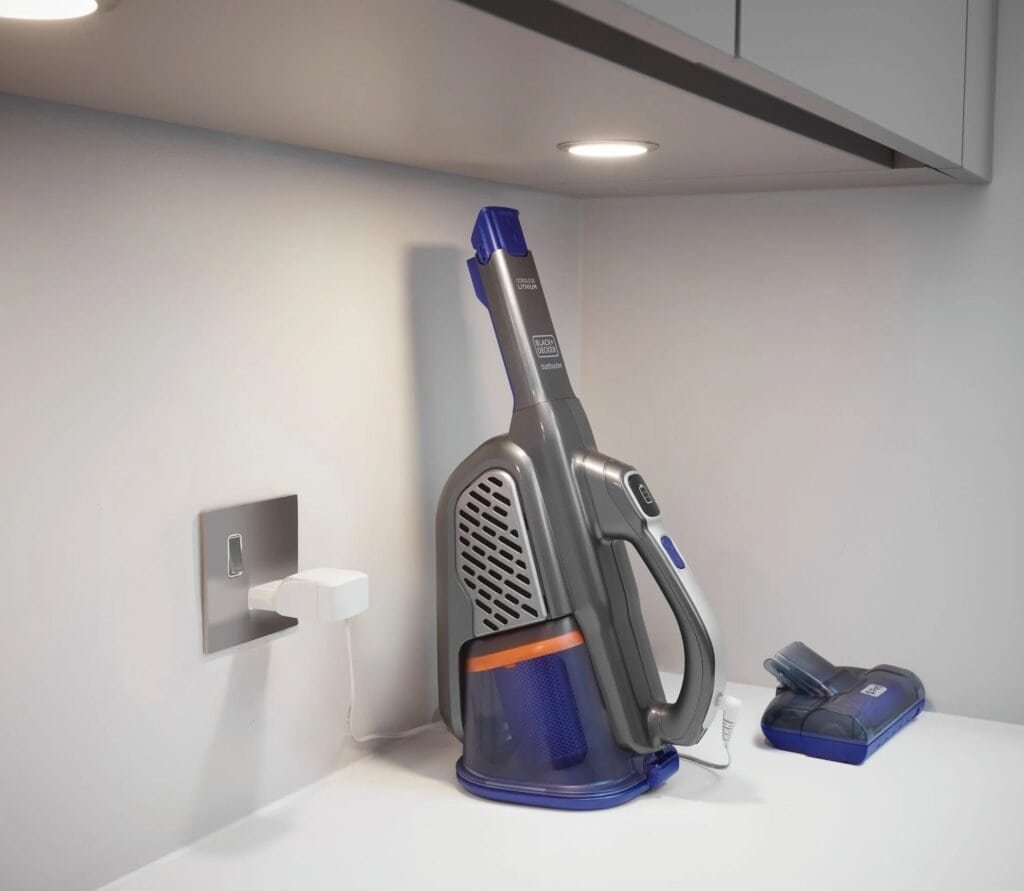
Global vacuum cleaner manufacturers face a complex regulatory landscape that hinges on vital certifications for market access and consumer trust. This article delivers an in-depth examination of the essential certifications—CE, UL, RoHS, and Energy Labels—that vacuum cleaners must obtain to ensure compliance and facilitate successful exports across key global markets such as Europe, North America, and Asia. The global vacuum cleaner market size is projected to reach USD 17.58 billion by 2025, with Europe accounting for approximately 40% of the market share in 2022, and UL certification is a key entry requirement for North American markets, often mandated by retailers and regulatory bodies.
Key Global Certifications for Vacuum Cleaner Market Access
Understanding and acquiring the primary certifications—CE, UL, RoHS, and Energy Labels—is indispensable for manufacturers aiming to penetrate and compete in major international markets.
CE Marking for the European Economic Area
CE marking is mandatory for vacuum cleaners entering the European Economic Area. It confirms compliance with EU safety, environmental, and electromagnetic compatibility standards, principally based on EN/IEC 60335-2-2. Non-compliance can result in fines, confiscation of goods, or legal challenges. The CE marking indicates that the vacuum cleaners conform to these standards, which is essential for market entry.
The process is a self-certification involving conformity assessment and technical documentation. It requires a full risk analysis and a formal Declaration of Conformity as specified by directives like the LVD and EMC Directive. Products must display CE marks in compliance with strict sizing and positioning rules.
This marking also signals alignment with the Ecodesign Directive for energy efficiency, and with Europe accounting for about 40% of the global vacuum cleaner market in 2022, CE compliance is crucial for any serious exporter. In addition to European Union states, CE marking is also recognized in EFTA countries—Norway, Iceland, Liechtenstein—and Turkey, boosting consumer confidence by demonstrating adherence to high safety and environmental standards.
UL Certification for North American Market Access
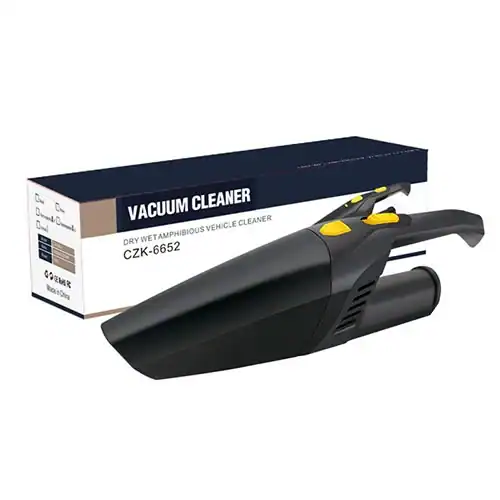
UL certification, specifically the UL 1017 standard, applies to vacuum cleaners in the United States and Canada. It is technically voluntary but is often mandated by retailers, insurers, and local regulations. This makes it a de facto requirement for market access. For comprehensive testing services, manufacturers often refer to UL standards testing which covers various UL certifications including UL 1017 for vacuum cleaners.
The process involves rigorous safety testing for electrical shock, fire, and mechanical risks. UL offers several marks like UL Listed to indicate varying degrees of compliance. Maintaining certification requires initial testing, factory inspections, and ongoing quality system reviews.
Costs typically range from $5,000 to $20,000 with a 6 to 12 week processing time. UL is trusted by 86% of American consumers, making its certification critical for brand acceptance. The organization operates in over 100 countries, influencing safety standards worldwide.
RoHS Compliance for Restriction of Hazardous Substances
RoHS certification restricts hazardous substances like lead and mercury in electronic equipment. It is a mandatory EU legislation aimed at protecting human health and the environment. Modern vacuum cleaners with electronic components must meet these strict limits.
The certification process requires comprehensive testing of finished products and critical components. Manufacturers must also provide a formal Declaration of Conformity. This impacts material selection and manufacturing processes to minimize toxic substances. For specialized certification on sweeping robots and similar devices, providers like ZRLK offer RoHS certification services addressing these requirements.
Non-compliance risks include heavy fines, product recalls, or complete market exclusion. Global RoHS-like regulations have been adopted in China, Japan, and South Korea. This makes RoHS compliance a cornerstone of sustainable product branding.
Energy Labels and Ecodesign Directive Requirements
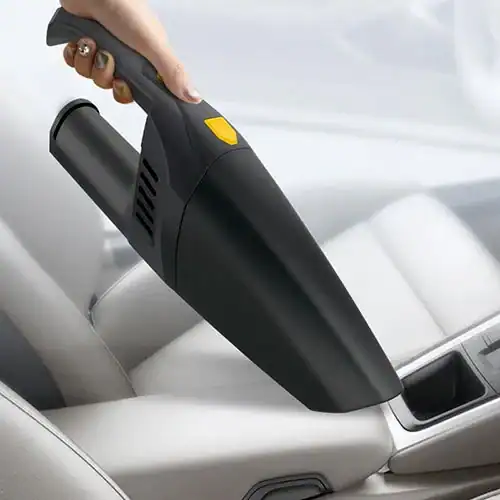
Energy labeling for vacuum cleaners falls under the EU Ecodesign Directive. It is designed to improve energy efficiency and inform consumers about electricity consumption. Manufacturers must provide clear energy consumption data on labels affixed to all units.
The directive promotes a significant reduction in energy usage. This contributes to environmental sustainability while empowering informed consumer choice. Non-compliance can lead to trade restrictions or forced market withdrawal.
Energy efficient vacuum certification supports marketing to environmentally conscious customers. It enhances product competitiveness in the EU, a market representing roughly 40% of worldwide vacuum sales. This certification is a key differentiator.
Powerful Portable Car Vacuum Cleaners
Keep your vehicle spotless with KelyLands’ cordless vacuums offering strong suction up to 13,000Pa, quiet operation, and versatile attachments. Customize designs, colors, and logos to fit your brand, backed by strict quality control and worldwide certifications.

Regional Variations and International Certification Strategies
Navigating the diverse regulatory landscapes of global regions necessitates tailored certification strategies and understanding local compliance nuances.
Understanding Certification Requirements Across Key Markets
North America chiefly requires UL certification for vacuum cleaner safety. It also recognizes other marks like CSA and ETL that demonstrate compliance with similar standards. This provides manufacturers with some flexibility in testing partners. For a detailed guide on small appliance certifications including vacuum cleaners, reference materials such as appliance certifications overview are helpful.
In Asia, certifications like China’s CCC and Japan’s PSE mark are mandatory. These affect market access for all electronic appliances, including vacuum cleaners. The international CB Scheme can help reduce redundant testing across these markets.
Manufacturers must also track local labeling requirements and import tariffs. Certification rules are frequently updated to adapt to new technologies and environmental policies. Exporters must stay vigilant to these changes to ensure smooth customs clearance.
Complementary Standards and Factory Certifications
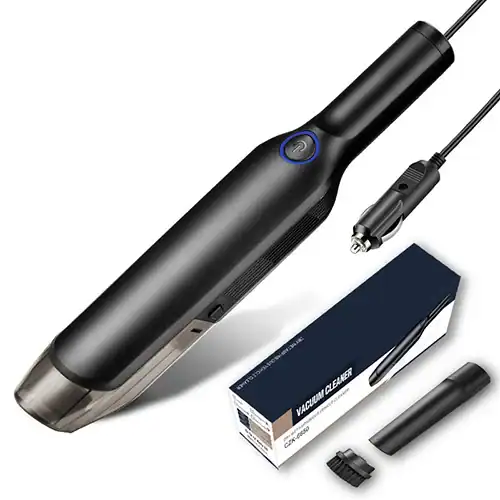
ISO 9001 quality management certification affirms manufacturing consistency. It fosters trust with distributors and retailers worldwide by demonstrating process discipline. This is a powerful complementary credential. For insights about product safety and manufacturing compliance, resources such as the Edwards Vacuum safety manual offer strong guidance.
Environmental management standards like ISO 14001 align with RoHS and Ecodesign objectives. They promote cleaner production practices throughout the supply chain. Factory audits by SGS or TÜV Rheinland serve as critical risk mitigation tools for buyers.
Robust in-house quality control reduces warranty claims and returns. Demonstrating full traceability is paramount for large supermarket chains. These groups emphasize complete supply chain transparency for all certified products.
Leveraging Technology and Strategic Compliance Management
Digital compliance tools enable manufacturers to anticipate regulatory changes. Data analytics can help reduce risks and expedite the overall certification process. This proactive approach is becoming a competitive advantage.
Proactive compliance fosters smoother customs clearance and mitigates operational disruptions. Synchronized documentation management supports multi-market export licensing. It also reinforces corporate safety and environmental responsibility commitments.
Strategic certification planning enhances export success significantly. It aligns product innovation with evolving consumer safety and efficiency expectations. Certification marks on products act as powerful trust indicators that boost sales.
Strategic Certification Insights for Diverse Customer Segments
Tailored certification communication and operational strategies can unlock sales growth across distinct buyer archetypes and distribution channels.
European Retail Distributors: Emphasizing Compliance and Supply Stability
Highlight comprehensive product certifications like CE, RoHS, and UKCA. Combine this with factory audit reports from SGS or TÜV Rheinland. This builds immediate trust and reduces perceived supplier risk for distributors.
Demonstrate strict triple inspection processes and 100% function testing. Provide detailed quality reports to alleviate concerns about after-sales service. Communicate large factory scale and output capacity to showcase reliability for bulk orders.
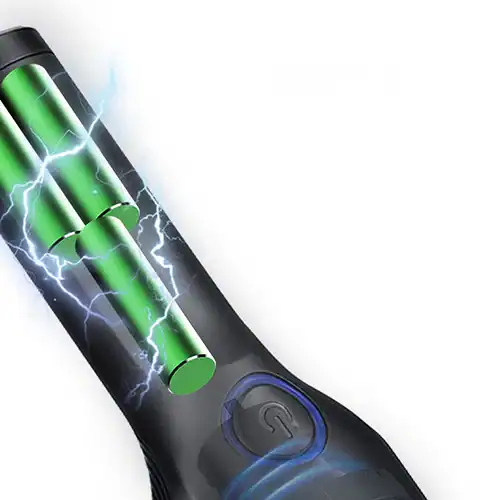
North American E-commerce Retailers: Minimizing Risk and Maximizing Marketability
Leverage low minimum order quantities to reduce financial risk. This is particularly appealing for small brands and Amazon sellers. Provide extensive marketing collateral like high-resolution images and feature videos.
Emphasize unique product features supported by UL certification claims. Offer expert logistical advice to optimize fulfillment costs for FBA programs. This end-to-end support speeds up product launches and enhances online presence.
Home Lifestyle Brands: Focusing on Design, Experience, and IP Protection
Position your factory as a design collaborator with strong proprietary R&D. Address intellectual property concerns immediately with strict NDAs. Highlight previous successful confidential partnerships to build credibility.
Detail the use of premium materials and custom gift boxing options. Emphasize user-centric design elements like low noise levels and rapid charging. These features enhance the product’s perceived lifestyle value and consumer loyalty. Companies like Lefoo exemplify how certifications build trust and reliability in specialized markets.
Large-Scale Retail Chains: Prioritizing Volume, Risk Reduction, and Compliance Assurance
Showcase substantial monthly and annual manufacturing capacities. This is a decisive assurance of continuous product availability for large chains. Offer total cost of ownership breakdowns encompassing unit price and logistics.
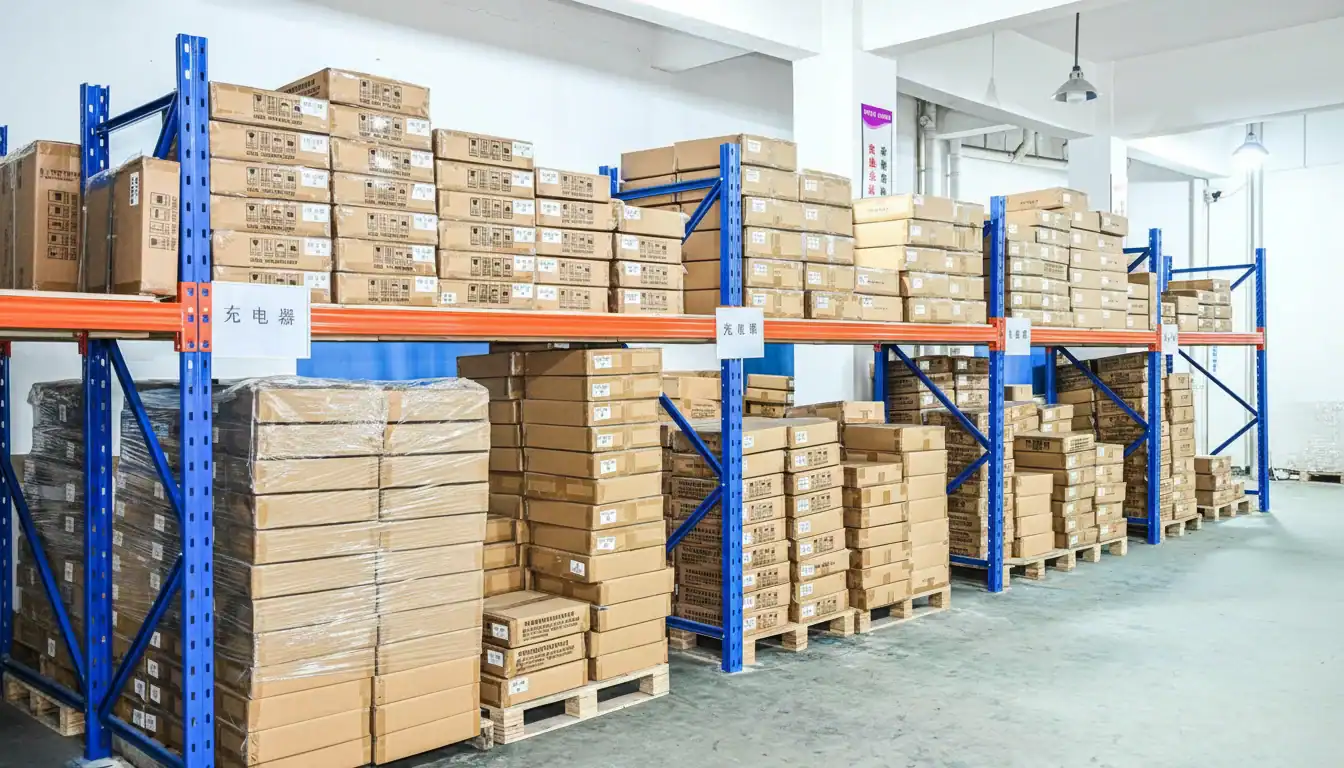
Present complete certification suites and authoritative factory audit reports upfront. This streamlines their often lengthy vendor approval processes. Demonstrate extensive warehousing and packing capabilities optimized for retail requirements.
Frequently Asked Questions
What certifications are mandatory for vacuum cleaners to enter the European market?
CE marking is mandatory for safety and environmental directives. RoHS compliance is required for restricting hazardous substances. An Energy label under the Ecodesign Directive is also necessary for disclosing energy consumption.
How does UL certification benefit vacuum cleaner manufacturers targeting North America?
UL 1017 certification verifies that a product meets rigorous US and Canadian safety standards. This process is critical for gaining retail acceptance and building consumer trust. It is often a de facto requirement for market entry.
Why is RoHS compliance critical for modern vacuum cleaners?
RoHS compliance restricts hazardous substances like lead and mercury. This protects human health and environmental safety during the product’s lifecycle. Non-compliance risks heavy fines, product recalls, or complete market exclusion.
What role do energy labels play in vacuum cleaner sales within the EU?
Energy labels inform consumers about electricity consumption under the Ecodesign Directive. They directly influence purchase decisions by highlighting efficiency. This labeling is a key factor for market competitiveness in environmentally conscious regions.
How should manufacturers approach certification for multiple international markets?
Manufacturers should harmonize testing using the international CB Scheme where possible. Maintaining rigorous factory audits and ensuring documentation accuracy is vital. Leveraging digital tools for compliance management can streamline the process for multiple regions.

 English
  Español
  Français
  Deutsch
  Português do Brasil
  Русский
  한국어
한국어  日本語
日本語  العربية