 跳转到主要内容 跳转到页脚

Space-constrained environments demand cleaning solutions that offer high performance without the footprint of full-sized uprights. Professional facility managers and tiny home designers increasingly prioritize 2-in-1 handhelds that maintain industrial-grade suction while remaining light enough for overhead use.
This review breaks down the technical specifications necessary for vertical fabric maintenance and shelf cleaning, such as HEPA filtration that captures 99.99% of particles at 0.3 microns. We also evaluate the durability of mechanical click-lock joints against friction-fit designs and explain why staying under the 1.4kg weight threshold is the benchmark for preventing operator fatigue.
Vertical Living: Cleaning Curtains and Shelves
Cleaning curtains and high shelves in 2026 relies on vertical laminar flow principles and HEPA filtration. By maintaining 99.99% efficiency at 0.3 microns, handheld units prevent dust redistribution, while suction levels between 13,000Pa and 20,000Pa handle fabric-heavy environments and recessed shelf corners effectively.
| Technical Specification | Performance Metric | Vertical Application |
|---|---|---|
| HEPA Filtration | 99.99% @ 0.3 Microns | Fine dust capture on vertical fabrics |
| Airflow Logic | ISO 5 Standard | Preventing cross-contamination |
| Suction Power | 13,000Pa – 20,000Pa | Deep extraction for shelf corners |
HEPA Filtration and Dust Retention in Fabric Maintenance
HEPA filtration systems achieve 99.99% efficiency at 0.3 microns to capture the ultra-fine particulates commonly found on vertical fabrics. These devices utilize vertical laminar flow (VLF) logic to maintain ISO 5 class air quality over the cleaning area, which stops dust from migrating to adjacent surfaces during operation. Positive pressure containment ensures that all captured allergens remain trapped within the 2026-specification filtration housing. Integrated digital sensors or Minihelic gauges track filter differential pressure so the motor maintains peak airflow during extended high-reach tasks.
Suction Specs and Ergonomics for High-Reach Access
Suction power ranging from 13,000Pa to 20,000Pa provides the force necessary to extract debris from heavy drapes and recessed shelving units. Lightweight handheld designs weighing under 1.5kg reduce user fatigue when cleaning at heights above shoulder level. Versatile multi-tool attachments enable access to narrow shelf gaps and the deep folds of pleated curtains. Noise levels remain between 75dB and 82dB to support comfortable operation in enclosed vertical living spaces without excessive acoustic disturbance.
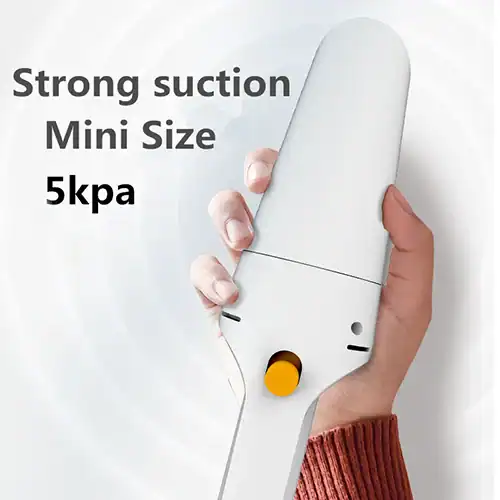
Mechanism Durability: Click-Lock vs. Friction Fit
Click-lock mechanisms like Uniclic and 5GI provide a mechanical, pre-tensioned connection that resists pulling forces and maintains an airtight seal. In contrast, friction fit relies on material compression which weakens over time. For 2026 high-performance handhelds, click-lock systems ensure a 10-to-20-year operational lifespan by preventing joint gapping.
| Locking Mechanism | Engineering Method | Performance Profile |
|---|---|---|
| Uniclic System | Angle-and-tap pre-tension | 10-20 year lifespan; resists horizontal pull |
| 5GI / I4F Variants | Dual-angled vertical drop-lock | Rapid assembly; climate change resilient |
| Friction Fit | Surface compression & weight | High flexibility; prone to joint gapping |
Engineering Principles of Mechanical Interlocking
Uniclic systems utilize an angle-and-tap profile to create constant tension across the joint. This specific engineering prevents the separation of modular components when the device faces external stress. By maintaining this tension, the connection remains rigid and avoids the gradual loosening common in non-mechanical systems.
5GI and I4F drop-lock variants employ dual-angled profiles for both vertical and horizontal interlocking. These profiles ensure the connection remains stable during rapid movement or intense vibration. Because these systems lock on multiple planes, they provide a monolithic structure that resists shifting better than traditional tongue-and-groove designs.
Friction fit designs depend entirely on the surface resistance and material weight of the components. This approach offers the highest level of assembly flexibility and ease of removal. It lacks the necessary resistance to horizontal pulling forces, which often leads to component separation in high-performance environments.
Precision milling in I4F systems allows for a one-piece lock that maintains structural integrity. This eliminates the need for secondary adhesives or plastic inserts that can degrade over time. The mechanical lock uses the core material of the device itself to secure the bond, creating a more durable and sustainable connection.
Performance Longevity and Environmental Resistance
Mechanical click-lock systems offer a consistent 10-to-20-year lifespan in standard residential or handheld applications. They maintain joint tightness even after hundreds of attachment and detachment cycles. This durability stems from the pre-tensioned design which compensates for minor material wear over time.
Friction-based connections often experience movement and flex during use. This repetitive shifting leads to eventual air leaks and a measurable reduction in suction efficiency for modular vacuum systems. The lack of a physical lock means the seal relies on a tight fit that naturally loosens as materials compress or age.
Advanced SPC and WPC core materials used in 2026 locking profiles resist thermal expansion effectively. These materials prevent humidity-induced gapping that often plagues generic push-fit plastics. By choosing stable cores, manufacturers ensure that the click-lock mechanism functions reliably across various climates and temperature fluctuations.
Internal tensioning in Uniclic profiles provides superior resistance to horizontal pulling forces. These mechanical systems outperform loose-lay or dry-back friction methods in high-traffic or high-stress scenarios. The result is a device that stays intact under pressure, whereas friction-only connections might fail or slide out of position.
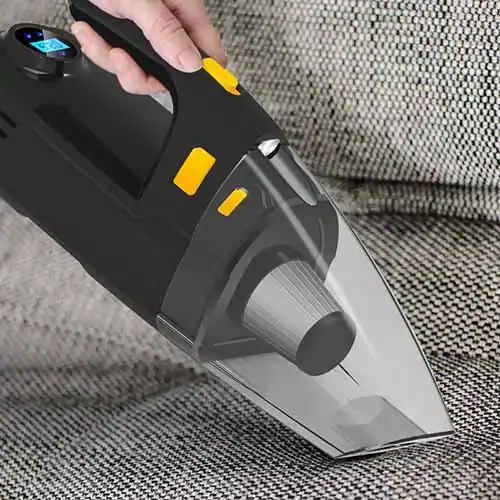
Weight Balance: Handheld Ergonomics (<1.5kg)
Ergonomic standards for 2026 designate 1.4kg as the optimum weight for extended handheld operability. By keeping tools under 1.5kg and balancing the center of mass near the grip, designers reduce wrist torque to less than 25% of maximum isometric strength, preventing fatigue during vertical cleaning tasks.
Fatigue Prevention and the 1.4kg Operational Standard
Engineering benchmarks from MIL-HDBK-759C and Nautinst human factors criteria establish 1.4kg as the ideal threshold for devices requiring high dexterity. Weight limits exceeding 2.3kg increase injury risks for the 5th-95th percentile of users when performing one-handed maneuvers. Maintaining a sub-1.5kg profile allows for sustained use in overhead or vertical applications without requiring posture alterations.
Precision control improves when total tool mass stays closer to 0.4kg, though 1.4kg remains the industrial target for motorized handheld units. Adhering to these mass constraints ensures single-hand hold and operation while minimizing the risk of contact stress or forceful exertion in dynamic environments like clinical or field use.
Center of Mass Optimization and Torque Reduction
Positioning the center of mass near the grip midpoint minimizes the rotational force applied to the user’s wrist. Effective designs limit wrist torques to under 25% of maximum isometric strength to avoid repetitive strain and comply with 2026 safety audits. This balance remains critical for maintaining dexterity and reducing the muscular effort required to stabilize the tool during movement.
Engineers utilize high-density polymers with a specific gravity of 1.5-11 to fine-tune internal balance and dampen motor vibrations. CAD simulations validate these center of mass shifts to ensure the device remains stable during both precision grips and power-grip transitions. These technical methods support intuitive handling by distributing the load evenly across the hand’s palm and fingers, preventing localized pressure points.
Premium OEM/ODM Solutions for Your Home Vacuum Brand

Accessory Ecosystem: Crevice and Dusting Tools
Handheld vacuum ecosystems utilize modular tools like 32mm crevice nozzles and high-CFM dusting brushes to address specialized cleaning tasks. These accessories integrate with multi-stage filtration systems, supporting up to 101 CFM airflow while maintaining low noise levels below 82 dB A for 2026 automotive and home maintenance standards.
Modular Attachments for Tight Spaces and High Reach
Standardized 1.25-inch (32 mm) hose inlets ensure modular compatibility across a wide range of portable vacuum models. This standardization allows for the seamless integration of adjustable crevice tools that extend from 25 to 38 inches. These extended lengths enable users to access deep seat gaps, narrow vents, and overhead shelving that standard attachments cannot reach. The physical design of these tools often includes notched nozzle ends, which maintain continuous airflow and prevent motor strain when the tool is pressed directly against flat surfaces in confined areas.
Dusting accessories often incorporate microfiber pads to capture fine debris on delicate surfaces. This material choice provides a non-abrasive interface for cleaning sensitive electronics or polished automotive interiors. By combining microfiber technology with modular hose extensions, the ecosystem supports high-reach cleaning without sacrificing the ability to remove microscopic particles from varied textures.
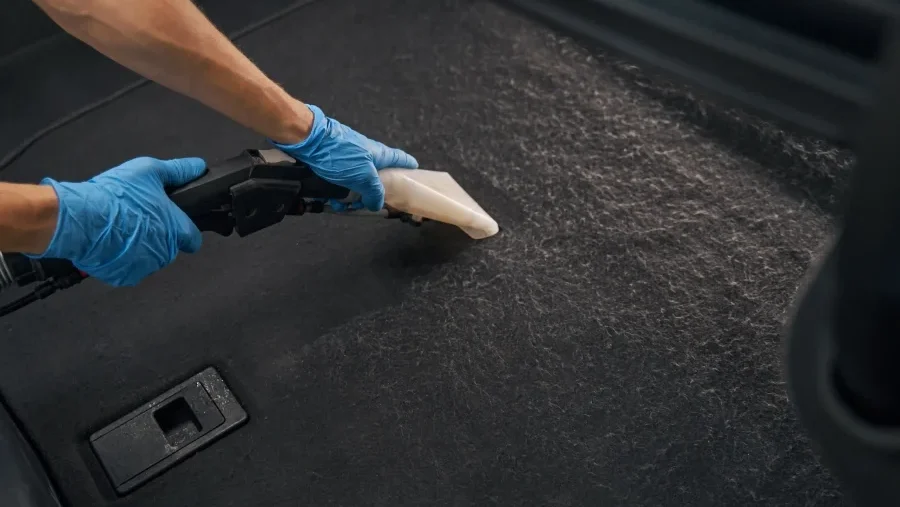
Airflow Performance and Filtration Compliance
Technical performance in the accessory ecosystem centers on maintaining 101 CFM airflow and 18 kPa vacuum pressure at the nozzle. Large cartridge filter areas, measuring approximately 683 square inches, prevent suction loss during dry dust capture tasks. This high filtration surface area is critical for maintaining performance in 2026 detailing environments where fine dust can quickly clog smaller systems. Engineers design these accessories to handle heavy debris loads while preserving the structural integrity of the vacuum’s multi-stage filtration system.
Safety standards remain a priority, with HEPA-compatible tool kits meeting OSHA Silica standards for professional-grade dust management. These specialized kits provide the necessary filtration to handle hazardous particles in demolition or industrial cleaning scenarios. Furthermore, acoustic engineering limits sound pressure to 82 dB A. This balance of high suction power and controlled noise levels ensures the tools are suitable for both residential use and professional job sites where user comfort and safety are mandatory.
Car Cleaning Bonus: The “Driveway” Value Add
Performing exterior detailing at home can increase vehicle resale value by 5% to 20%, mirroring professional services that cost between $180 and $350 per session. Using specialized handheld devices for hand washing, wheel restoration, and engine bay cleaning provides an ROI of 150% to 300% compared to professional shop visits.
Resale Value Retention and Detailing ROI
Professional detailing increases vehicle value by $750 to $2,250 on a standard $15,000 car by restoring surface integrity. Consistent home-based exterior work generates a 5% to 10% value boost through decontamination and paint protection. Regular driveway maintenance yields a 200% to 300% ROI because it avoids $200 to $400 professional service fees. Performing a deep clean twice a year prevents permanent oxidation and UV damage, which secures long-term asset value and prevents costly paint failure.
Technical Execution of Premium Detailing Packages
Handheld systems replicate $100 to $150 exterior detailing packages, including clay bar treatments and wheel restoration. Mobile-style engine bay degreasing adds $50 to $100 in perceived value by removing corrosive contaminants that accumulate in hard-to-reach areas. These sequential decontamination, correction, and sealing steps mimic professional shop workflows without the associated facility overhead. Precise application of pH-balanced cleaners and microfiber-safe pressure ensures streak-free results on glass and paint while protecting surfaces against corrosion and UV fading.

Final Thoughts
Compact living demands equipment that performs across multiple surfaces without occupying excess square footage. Handheld conversion allows users to transition from floor care to high-reach tasks like dusting shelves or curtains in seconds. These units maintain high suction and strict filtration standards, preventing dust from settling back into small living quarters. Relying on mechanical click-lock joints ensures these connections remain airtight and secure through years of daily use.
The utility of a modular system extends beyond the interior walls of a tiny home. Portability makes exterior vehicle detailing accessible, allowing owners to maintain their car’s resale value without paying for professional services. Lightweight designs under 1.5kg eliminate the physical strain often associated with overhead cleaning or tight automotive interiors. These specialized tools and ergonomic balances turn a simple cleaning appliance into a comprehensive maintenance kit for both home and transit.
Frequently Asked Questions
How do manufacturers verify the durability of the detachment mechanism?
While specific cycle-test data for consumer handhelds varies, rugged 2-in-1 units often follow MIL-STD-810H protocols to ensure longevity. Testing includes mechanical shock and vibration simulations. For instance, the MIL-STD-810G 516.6 standard requires 26 drops across various faces and edges to confirm the housing and locks can survive thousands of manual attachment cycles.
What is the expected weight of the handheld unit for ergonomic use?
Standalone handheld units in the 2026 market typically weigh between 300g and 600g. This weight range complies with MIL-STD-810H guidelines for portable electronics, ensuring the device remains light enough for vertical cleaning tasks while housing high-performance motors and filtration systems.
Do these units feature integrated on-board storage for accessories?
On-board storage is not a requirement under ISO 16750 or MIL-STD-810H standards, but many designs incorporate modular bays for convenience. These attachment points often undergo Method 504 testing to check for resistance to fluid contamination, ensuring the accessory ports remain functional even after exposure to oils or cleaning chemicals.

 English
  Español
  Français
  Deutsch
  Português do Brasil
  Русский
  한국어
한국어  日本語
日本語  العربية