 跳转到主要内容 跳转到页脚

International shipping for car air pumps isn’t just about moving boxes from point A to point B—it’s about mastering a complex web of regulations, choosing the right shipping methods, and avoiding costly mistakes that can kill your margins. Whether you’re shipping 50 units to test a new market or 5,000 units to establish distribution networks, success comes down to understanding total landed costs, navigating customs like a pro, and leveraging technology to stay ahead of competitors who are still doing things the old-fashioned way.
When your European distributors need bulk car air pump shipping across international borders, one small mistake can cost you big. A single documentation error triggers expensive customs delays. Wrong product classifications lead to hefty penalties. Poor packaging destroys your reputation before products even reach their destination.
This comprehensive guide breaks down everything you need to know about international shipping for tire inflators and automotive accessories. We’ll cover regulatory compliance, shipping method selection, customs optimization, and risk management strategies that actually work in the real world.
Whether you’re shipping compact portable inflators to European retailers or heavy-duty compressors to North American distributors, you’ll learn proven strategies that reduce costs, prevent delays, and give you a competitive edge in international markets.
International Shipping Basics You Need to Know
Car air pumps fall under specific trade classifications that determine everything from duty rates to shipping requirements—getting this wrong costs money and causes headaches you don’t need.
Car air pumps typically fall under Harmonized System (HS) code 8414.80 for “Other air pumps,” but larger commercial units might get classified differently based on power specs and intended use. This classification matters more than you think because it determines duty calculations, regulatory requirements, and whether your products need special handling.
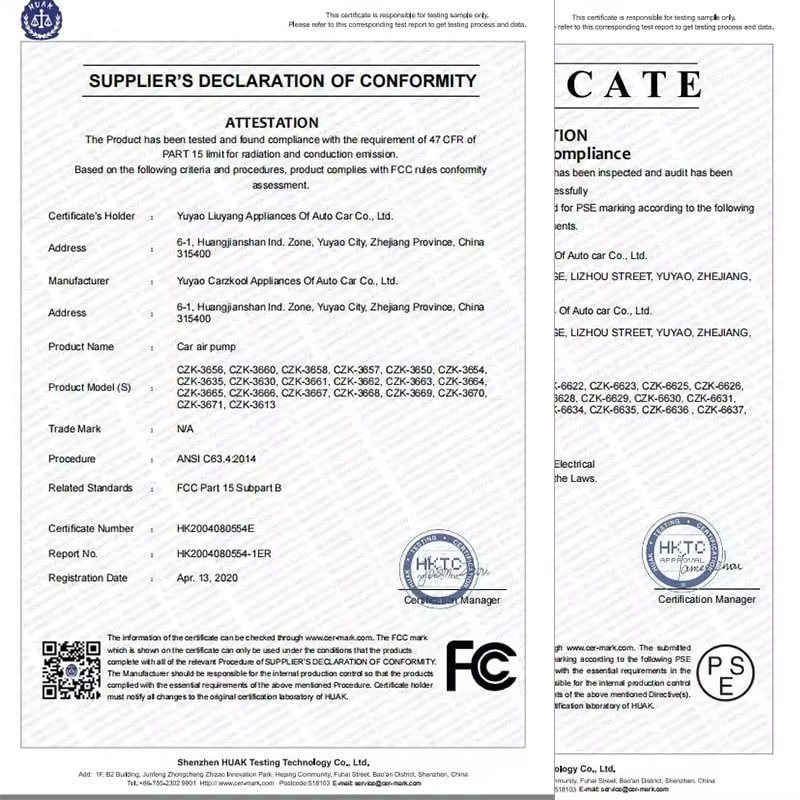
Different markets have their own quirks when it comes to electrical products. European Union markets require CE marking and specific voltage standards compliance. North American markets focus on FCC certifications for wireless-enabled devices. Asian markets emphasize product safety certifications and often require pre-shipment inspection certificates from accredited testing labs.
Documentation forms the backbone of successful international shipping. You need commercial invoices with detailed product specifications, packing lists that match customs declarations perfectly, and certificates of origin that establish preferential duty treatment where applicable. Each document serves multiple purposes beyond customs clearance—they provide valuation data for duty calculations and serve as legal contracts between parties.
Digital transformation has revolutionized international logistics, creating real opportunities for competitive advantage through automation and real-time visibility. Electronic data interchange (EDI) systems let you transmit shipping documents to customs authorities before physical arrival, significantly reducing clearance times. Cloud-based shipping platforms provide centralized management of multiple carrier relationships, automatic rate shopping, and integrated tracking across different transportation modes.
Join 300+ global partners who trust KelyLands for top-tier car accessories. Review our portable car air pumps in our free catalogue
Request now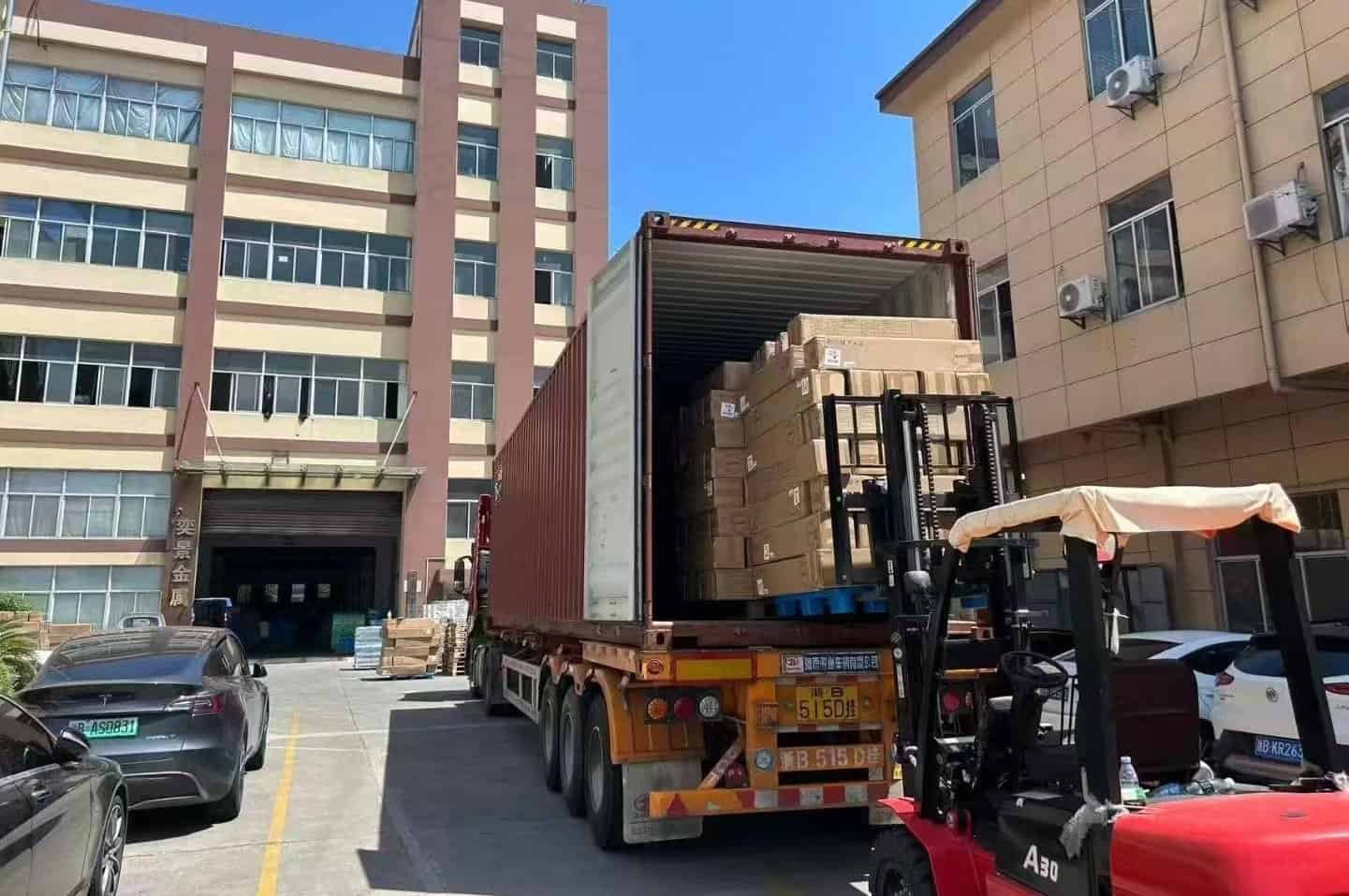
Choosing the Right Shipping Method
Ocean freight beats air freight on cost for large shipments, but air freight wins on speed and reliability—the trick is knowing when each option actually makes financial sense for your business.
Ocean freight remains the most cost-effective option for large shipments of car air pumps, especially when shipping full container loads (FCL) to established distribution networks. The key advantage lies in predictable costs and the ability to ship large quantities efficiently. Less than container load (LCL) shipments provide flexibility for smaller orders or market testing scenarios, though LCL requires careful consideration of consolidation points and potential delays from other shippers’ cargo issues.
Container selection impacts both cost and product safety. Standard dry containers work for most car air pumps, but high-value electronics may benefit from enhanced security containers with additional monitoring systems. Transit times typically range from 14-45 days depending on origin-destination pairs and seasonal factors.
Air vs sea freight costs comparison reveals that air freight serves specific strategic purposes in car air pump distribution, primarily for urgent replacement orders, new product launches, and high-value compact units where speed justifies premium costs. The calculation framework for air freight viability involves comparing total delivered cost against the opportunity cost of delayed market entry or stockouts.
Express services like DHL, FedEx, and UPS provide end-to-end solutions that include customs clearance, door-to-door delivery, and integrated tracking systems. These services excel for sample shipments, urgent replacement parts, and initial market entry where establishing local distribution networks isn’t yet feasible. The value proposition extends beyond speed to include predictable transit times, complete insurance coverage, and simplified documentation requirements.
Partner with a trusted supplier to elevate your product offerings. Our ISO-certified car air pumps meet global standards (CE, FCC, RoHS). Request our latest catalogue to discover cost-effective solutions for your business.
Mastering Customs and Documentation
Smart customs clearance comes down to getting your paperwork right the first time and using technology to stay ahead of problems before they become expensive delays.
Modern customs clearance for pumps relies heavily on electronic documentation submission and processing. Automated Broker Interface (ABI) systems in the United States and similar platforms globally enable real-time submission of customs declarations before shipment arrival. Electronic invoice transmission through carrier systems eliminates manual data entry errors and accelerates processing times.
Each destination market has unique regulatory requirements that affect shipping strategies and costs. European Union markets require detailed technical documentation for electrical products, including CE conformity declarations and instruction manuals in local languages. Free trade agreements provide significant duty advantages but require strict compliance with origin documentation and supply chain transparency.
| Market | Required Certifications | Documentation Lead Time | Common Delays |
|---|---|---|---|
| European Union | CE marking, voltage compliance | 14-21 days | Missing technical files |
| United States | FCC approval (if wireless) | 7-14 days | Incorrect HS classification |
| Asia-Pacific | Safety certificates, inspection reports | 21-30 days | Pre-shipment inspection requirements |
International shipping involves multiple risk categories that require different mitigation strategies. Political risks include sanctions changes, trade war impacts, and regulatory modifications that can affect shipment approval or duty calculations. Commercial risks encompass currency fluctuations, payment delays, and customer insolvency issues that affect cash flow and profitability. Operational risks involve carrier delays, documentation errors, and customs examination procedures that extend delivery timeframes.

Managing Costs and Financial Risk
Total landed cost includes way more than just shipping charges—hidden fees from poor documentation and currency swings can kill your margins if you’re not paying attention.
Understanding total landed cost requires analyzing all expenses from factory delivery to customer receipt, not just transportation charges. This includes freight costs, customs duties, broker fees, insurance premiums, and any storage charges from delays or consolidation requirements. The calculation framework must account for currency fluctuations, seasonal rate variations, and volume-based pricing tiers offered by carriers and customs brokers.
Hidden costs often emerge from inadequate documentation, requiring expedited processing fees or customs examination charges. Investing in documentation quality and compliance processes typically reduces total landed costs despite higher upfront preparation expenses. Basic export guides provide comprehensive frameworks for understanding cost structures in international trade. Letters of credit provide payment security for international transactions but require careful coordination between banks, customers, and shipping schedules.
Free trade agreements provide substantial duty savings but require compliance with specific origin requirements and documentation standards. Understanding these requirements enables strategic sourcing decisions and supply chain optimization. Temporary admission procedures allow duty-free importation for trade shows, demonstrations, or repair services, reducing costs for sample programs or technical support activities.
Technology That Actually Makes a Difference
The right technology stack eliminates manual errors, provides real-time visibility, and gives you data-driven insights that create sustainable competitive advantages in international shipping.
Successful distributors leverage technology integration to reduce manual processing, improve accuracy, and provide superior customer service. Electronic data interchange (EDI) connections between your systems and carrier networks enable automatic shipment booking, documentation generation, and tracking updates. Application programming interface (API) integrations with customs authorities provide real-time status updates on clearance procedures.
Modern tracking systems provide granular visibility into shipment status, from pickup confirmation through customs clearance to final delivery. This visibility enables proactive customer communication and rapid response to potential issues. Automated notification systems keep customers informed about shipment progress without requiring manual intervention from your team.
Shipping performance analytics provide insights into carrier performance, route optimization opportunities, and customer satisfaction drivers. Regular analysis of transit times, damage rates, and cost variations enables data-driven decisions about carrier selection and routing strategies. Predictive analytics models can forecast seasonal demand patterns, identify potential supply chain disruptions, and optimize shipping schedules to minimize costs while maintaining service levels.

Quality Control and Customer Success
Protecting products during international transit requires smart packaging choices, while educating customers about shipping processes builds trust and reduces service headaches.
Car air pumps require specific packaging considerations to prevent damage from vibration, moisture, and temperature variations during international shipping. Protective packaging must balance protection requirements against weight and dimension constraints that affect shipping costs. Quality control procedures should include pre-shipment testing, packaging inspection, and documentation verification to prevent costly returns or warranty claims.
Environmental considerations during transit include temperature extremes in cargo holds, humidity exposure in coastal ports, and vibration from multiple transportation modes. Understanding these factors enables appropriate packaging selection and shipping route optimization. International auto parts shipping guides provide specialized insights for protecting automotive accessories during long-distance transit. Establishing quality checkpoints with suppliers and logistics partners ensures consistent standards across your supply chain.
Proactive customer education about international shipping processes, documentation requirements, and potential delays builds trust and reduces service inquiries. Clear communication about customs procedures and duty responsibilities prevents misunderstandings that damage customer relationships. Technical support during installation and initial operation becomes more critical for international customers who may have limited local service options.
Versatile Air Pumps Built for Every Task
Explore KelyLands air pumps that deliver fast, precise inflation for cars, bikes, motorcycles, sports balls, and inflatables. Compact and durable, they include smart digital controls and multi-power options to suit emergencies, daily use, and outdoor activities. Take advantage of OEM/ODM customization and a trusted manufacturing process for your brand’s success.
FAQ
What documentation errors cause the most delays for car air pump shipments?
The most frequent errors include incorrect HS code classification, missing electrical safety certificates, incomplete commercial invoice details, and mismatched packing list quantities. These errors account for approximately 60% of customs delays according to industry data. Working with a qualified freight forwarder for bulk orders can help eliminate these common mistakes through automated documentation systems and compliance checks.
How do I know if my car air pumps need special safety certifications for different markets?
Safety certification requirements depend on product specifications and destination market regulations. Generally, products with electrical components require CE marking for EU markets, FCC approval for US markets, and specific voltage compliance certifications for many Asian countries. Consult with your certification partner or customs broker for market-specific requirements before shipping.
What shipping method works best for different order quantities and delivery timelines?
For orders above 500 units with flexible timing, ocean freight LCL provides the best cost efficiency. Orders requiring delivery within 7-14 days benefit from air freight. Sample shipments and urgent replacements under 50kg typically justify express courier services despite higher per-unit costs. The decision should be based on total landed cost analysis rather than just transportation charges.
How can I reduce customs examination risks for car air pump shipments?
Minimize examination risks through accurate product classification, complete documentation, established supplier relationships with quality certifications, and using customs-trusted logistics partners. Maintain consistent shipment patterns and avoid unusual packaging or routing that triggers automated risk assessment systems. Pre-clearance programs available in many markets allow qualified shippers to receive clearance approval before physical arrival.
What insurance coverage should I consider for international car air pump shipments?
Standard marine cargo insurance typically covers 110% of CIF value against physical damage and theft. Consider additional coverage for customs duty and tax exposure, business interruption from delays, and product liability protection. High-value shipments may warrant specialized coverage for cybersecurity threats or political risk protection.
How do free trade agreements affect shipping costs and procedures for car air pumps?
Free trade agreements can reduce duties to zero for qualifying products, but require strict compliance with origin requirements and documentation standards. NAFTA, EU trade agreements, and CPTPP provide significant savings opportunities. Non-compliance with origin rules results in full duty assessment and potential penalties, making proper documentation essential.
What technology solutions provide the biggest competitive advantage in international shipping?
Transportation management systems (TMS) with multi-carrier integration provide rate optimization and automated booking capabilities. Electronic documentation platforms reduce processing time by 40-60% compared to paper-based systems. Real-time tracking integration improves customer satisfaction and enables proactive issue resolution.
How do I handle returns and warranty claims for internationally shipped products?
Establish clear return procedures including prepaid return labels for defective products, local repair authorization networks where feasible, and warranty claim processes that account for international shipping costs. Consider offering advanced replacement programs for critical customer applications to maintain service levels during warranty resolution. International shipping solutions for auto parts can streamline returns management and reduce costs for both suppliers and customers.
Successfully shipping car air pumps internationally requires mastering a complex ecosystem of regulations, logistics options, and technology solutions. The companies that thrive in this environment treat shipping not as a necessary cost center, but as a competitive differentiator that enables global market expansion and customer satisfaction.
The key to long-term success lies in building systematic processes that ensure compliance, optimize costs, and provide transparency throughout the shipping journey. By implementing the frameworks outlined in this guide—from advanced documentation strategies to technology integration and risk management—you position your business for profitable growth in international markets.
Start by implementing one or two key strategies from this guide, measure their impact, and gradually expand your capabilities as your international business grows. Whether you’re exploring custom car air pump manufacturing or establishing global distribution networks, understanding strategic bulk procurement approaches creates the foundation for sustainable international expansion tomorrow.

 English
  Español
  Français
  Deutsch
  Português do Brasil
  Русский
  한국어
한국어  日本語
日本語  العربية