 跳转到主要内容 跳转到页脚
Vacuum floor head design dictates cleaning efficiency and total cost of ownership. Poorly engineered nozzles fail to capture large debris or suffer from hair wrap, which forces users into frequent maintenance and reduces suction power. Optimizing these components requires a balance between brush-roll mechanics and precise surface calibration to ensure reliable pick-up across varied floor types.
We analyze the technical specs of soft rollers and the mechanics of height adjustment systems, which can extend component life by up to 400%. This breakdown covers the geometry needed to eliminate the snowplow effect—including the 0.5-inch constant nozzle-to-ground distance—and the ASTM F2607 protocols used to verify performance for 2026 product certifications.
The Anti-Tangle Comb Geometry
Anti-tangle geometry uses a physical comb-like scraper paired with high-density rollers to strip hair and debris before they wrap around the axle. Modern systems combine these scrapers with bi-directional rotation to automatically clear fibers, maintaining 20,000Pa suction levels and reducing the need for manual brush maintenance.
| Component | Design Feature | Performance Benefit |
|---|---|---|
| Comb Scraper | Patented tooth structure flush to brush base | Redirects fibers into suction path |
| Roller Brush | Large-diameter, high-density soft velvet | Resists hair adhesion and entanglement |
| Rotation Tech | Forward and reverse bi-directional cycles | Self-cleans entangled hairs automatically |
Mechanical Scraper Architecture and Fiber Stripping
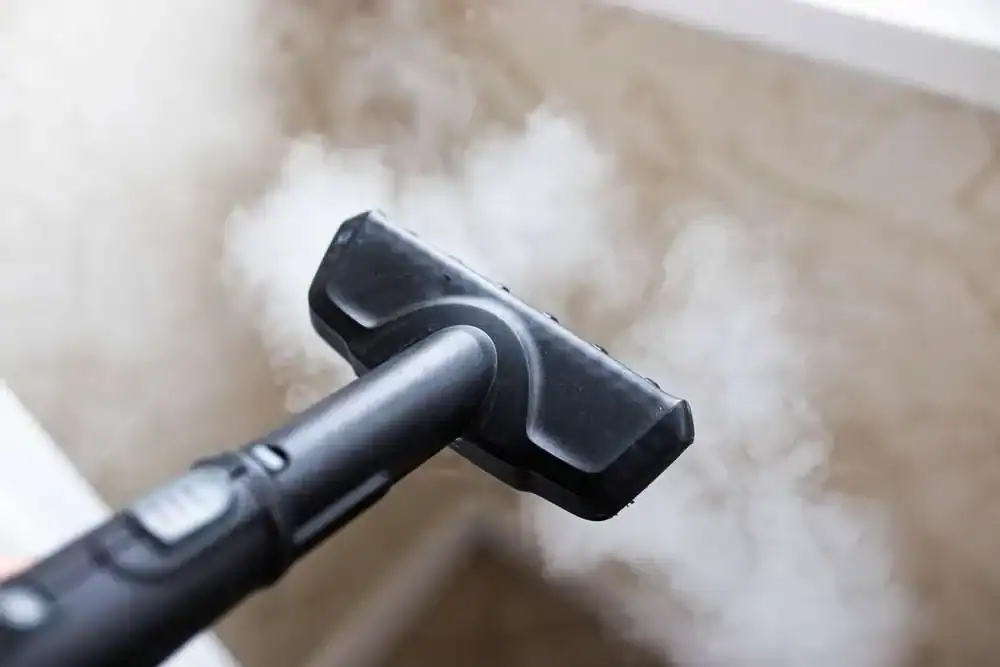
Patented comb tooth structures act as physical scrapers that sit flush against the brush base to redirect hair into the suction path. Precision-spaced teeth strip dirt and long fibers during rotation, preventing the build-up that leads to motor strain or belt failure.
Scraper geometry minimizes the dead zone between the floor head and the air intake, ensuring debris moves directly into the filtration system. This physical barrier prevents hair from looping around the axle, which maintains airflow efficiency over long cleaning sessions.
Roller Density and Bi-Directional Rotation Mechanics
Large-diameter rollers utilize high-density soft velvet fibers to trap fine dust while providing a surface that resists hair adhesion. The increased surface area of the roller prevents thin fibers from finding tight purchase points, allowing the comb teeth to strip them away easily.
Forward and reverse rotation technology enables the brush roll to untangle residual fibers by changing direction during specialized cleaning cycles. High-density material counts ensure consistent floor contact, supporting suction performance up to 20,000Pa for pet hair and heavy debris.
Soft Rollers (DuoClean Style) for Hard Floors
DuoClean systems utilize a front soft roller and a rear rigid brush-roll to capture large debris and fine dust simultaneously. By removing the front wall of the floorhead, the soft roller directly engages floor particles, preventing debris from being pushed forward while self-cleaning mechanisms manage hair wrap in real-time.
Dual-roller technology replaces the traditional front wall of the floorhead with a motorized soft brush. This design allows the vacuum to maintain constant contact with the floor, lifting fine dust that standard nozzles often leave behind. The combination of a soft roller and a rigid bristle brush enables a single floorhead to transition between hard surfaces and low-pile rugs without the need to swap attachments.
Dual Motorized Roller Mechanics
The system integrates a front soft brush-roll for fine dust agitation and a rear bristle roll for deeper cleaning tasks. Removing the front bumper allows the soft roller to pull in large items like cereal or beads directly instead of pushing them across the floor. Integrated hair removal systems continuously strip fibers from the rollers and propel them into the dust cup, which maintains brush efficiency and prevents tangles on bare floors.
Operational Specs and Surface Calibration
Brushrolls in modern floorhead designs typically measure 264mm (10.4 inches) to balance coverage with maneuverability. When users activate hard floor mode, the vacuum reduces the brushroll RPM to protect delicate wood or tile surfaces while keeping suction power at its peak. Manufacturers verify these pick-up rates using ASTM F608 standards, which measure the removal of both surface-level and embedded debris. Specialized models also include a rear squeegee to seal suction and odor-neutralizing technology to manage air quality during operation.
Height Adjustment: Manual Dial vs. Floating Head
Height adjustment optimizes the interface between the brush roll and floor surface to maximize airflow and agitation. Manual dials provide granular control to account for bristle wear and specific carpet depths, while floating heads use mechanical or spring-loaded systems to adapt automatically across different floor types without user input.
Manual Dial Systems for Precision Agitation
Manual dials in models like Riccar and Kirby allow users to align the brush roll precisely with the carpet pile. By targeting the top third of the fiber, these systems achieve optimal pick-up and deep cleaning. This mechanical precision ensures the vacuum maintains contact even as carpet fibers vary in density and height across different rooms.
Kirby systems utilize color-coded settings on the roller ends to manage component longevity and performance. Users adjust the settings—red for new brushes, green for moderate wear, and black for high wear—to maintain a consistent interface with the floor. This specific maintenance capability extends the brush roll lifespan by up to 400% compared to non-adjustable alternatives.
Proper manual adjustment ensures the brush engages the rug enough to vibrate debris loose without creating excessive drag. This balance prevents the motor from overheating and protects delicate fibers from aggressive scrubbing. Operators can check the setting by using a ruler against the metal rug plate; brushes should sit just below the plate for the most effective agitation.
Engineers recommend lowering the dial only until agitation becomes visible on the carpet surface. This technique maintains high airflow, which is critical for pulling air through the carpet backing. Settings that sit too low restrict the vacuum’s capacity to pull air and make the machine significantly harder to push, reducing the overall efficiency of the cleaning task.
Automatic Floating Heads for Multi-Surface Transitions
True automatic height adjustment, found in the Sebo X series and Miele S7, employs mechanical or spring-loaded brush rolls to adapt to floor heights. These systems eliminate the need for manual intervention by passively adjusting to the resistance of the floor surface. This technology ensures a consistent seal whether the vacuum moves from a high-pile rug to a flat hardwood floor.
Floating head designs prevent common user errors that compromise cleaning results. They stop the nozzle from being set too high, which misses embedded debris, or too low, which makes the vacuum difficult to move and restricts suction. Passive systems mitigate these issues by maintaining an ideal distance through spring tension or weighted mechanical components.
Dyson DC41 baseplates and similar designs maintain a tight seal against both hard floors and carpets. These units automatically adjust to prevent the “snowplow effect,” where the cleaner head pushes large debris forward instead of drawing it into the suction path. This capability is useful in homes with frequent transitions between varied floor types and large debris challenges.
Floating heads simplify cleaning tasks for most users, but they lack the granular control found in manual dials. Users targeting specific pick-up rates on non-standard specialty rugs often find that automatic systems lack the precision required for maximum agitation. Manual dials remain the preferred choice for those who need to calibrate their equipment to exact carpet specifications and compensate for bristle wear over time.
Scale Your Brand with High-Performance Custom Vacuum Cleaners

The “Snowplow Effect”: Designing Front Gates
The snowplow effect occurs when a vacuum head pushes large debris forward instead of drawing it into the suction stream. Engineers mitigate this by designing adjustable front gates with a 0.5-inch constant nozzle-to-ground distance and funnel-shaped intakes that capture material efficiently at varied speeds.
Intake Geometry and Debris Ingestion Mechanics
Front gate funnel designs channel large particles into the 20,000Pa suction zone without rejection. This specialized geometry ensures that the vacuum system captures material immediately rather than pushing it forward as the machine advances. Engineers implement intake oscillation systems that allow the head to follow floor contours. This mechanical flexibility ensures the intake maintains constant contact with uneven surfaces, which is critical for maintaining suction pressure.
Dual-function intake ports support both suction and blowing capabilities to clear blockages in real-time. This configuration prevents the buildup of material that leads to the snowplow effect in traditional vacuum systems. By integrating these ports directly into the gate structure, the system can self-correct during heavy-duty operations without requiring manual intervention.
Technical Specifications for Clearance and Durability
Engineers maintain a 0.5-inch constant nozzle distance to optimize airflow velocity and pickup rates for heavy debris. This precise clearance prevents the vacuum head from riding over material while ensuring enough air volume enters the intake to transport solids. High-carbon steel wear strips and IP67-rated modular valves provide necessary durability for components operating in high-friction and high-moisture environments.
Pressure-compensated actuators manage 15 to 17 GPM flow rates for systems requiring automated hydraulic gate adjustments. These actuators work in tandem with SW85 steel shafts, which offer an 85,000 PSI yield strength to support the structural integrity of the push frame. This combination of high-strength materials and sensitive hydraulic control allows the front gate to respond dynamically to changing debris loads and ground conditions.
Testing Standards: ASTM Hard Floor Pick-up
ASTM F2607 is the benchmark laboratory method for measuring dry debris pick-up on hard surfaces. This standard allows engineers to isolate the effectiveness of floor head geometry and airflow, providing a relative performance score that replaces subjective testing with verifiable data for 2026 product certifications.
| Standard | Testing Focus | Key Performance Metric |
|---|---|---|
| ASTM F2607 | Hard Surface Debris Pick-up | Relative Cleaning Percentage |
| ASTM F558 | Air Power and Pneumatics | Air Watts / Suction Flow |
| ASTM F1977-22 | HEPA Filtration Integrity | 0.3 µm Particle Efficiency |
Core Protocols of ASTM F2607 for Dry Debris
ASTM F2607 establishes a controlled laboratory environment to determine the relative cleaning ability of household and commercial vacuums on hard surfaces. The standard focuses specifically on dry debris removal, distinguishing it from ASTM F608 which measures carpet-embedded dirt extraction. Testing isolates variables such as brush roll contact, nozzle suction, and floor head seal to generate a quantifiable pick-up percentage. Leading brands like Sanitaire utilize F2607 data to support performance claims, such as doubling debris pickup compared to previous hardware iterations.
Interrelated Standards for Air Power and Filtration
ASTM F558 measures air power and suction flow, providing the raw pneumatic data that correlates with physical pick-up results in F2607 tests. Filtration integrity follows ASTM F1977-22, which tracks initial fractional efficiency for particles at the 0.3 µm range to validate HEPA system claims. ASTM F2756 tracks energy consumption across specific stroke speeds, ensuring high-suction floor heads remain efficient under 2026 energy regulations. ASTM F2608 monitors changes in room air particulate counts during operation, linking floor-level debris pick-up to overall indoor air quality.
Final Thoughts
Vacuum manufacturers now prioritize mechanical adaptability to ensure performance across varied surfaces. Dual-motorized rollers capture fine dust on hard floors while integrated combs manage hair wrap in real-time. These design choices directly influence how well a machine maintains suction and debris ingestion during daily use.
Rigorous testing through ASTM protocols provides a data-backed foundation for these hardware advancements. Engineers continue to refine intake geometry and brush roll mechanics to meet upcoming energy and air quality regulations. This focus on technical precision ensures that future cleaning systems deliver measurable results on both delicate wood and high-pile carpets.
Frequently Asked Questions
How does anti-hair wrap technology prevent brush-roll tangles?
The system uses a bristle guard and an integrated comb to actively separate hair from the brush-roll during operation. This mechanism directs long, short, and pet hair into the dust cup via suction, which removes the need for manual cleaning.
Which nozzle design works best for cleaning hardwood floors?
DuoClean-style nozzles equipped with two motorized brush-rolls excel on hard surfaces. They capture large debris, small particles, and stuck-on dust simultaneously without scattering them across the floor.
Is manual or automatic height adjustment more effective?
Automatic height adjustment provides better performance by seamlessly adapting to different floor types. This maintains consistent suction and contact with the surface, whereas manual dials require constant user intervention.
Why do some vacuums scatter kitty litter and heavy debris?
Scattering happens due to insufficient airflow or poor brush-roll geometry. High-suction systems paired with anti-tangle stiff brushes trap heavy particles more effectively, preventing them from being kicked back by the rotation.
What are the allergen capture standards for modern floor heads?
Advanced brush roll systems achieve a 99.9% capture rate for dust and allergens. They meet IEC 62885-2 Cl. 5.14 standards by trapping particles ranging from 0.3 to 10 microns in size.

 English
  Español
  Français
  Deutsch
  Português do Brasil
  Русский
  한국어
한국어  日本語
日本語  العربية