 跳转到主要内容 跳转到页脚

A mini fridge gift box that fails during shipping directly impacts Q4 profitability through product returns and negative reviews. The unboxing experience is meaningless if the product, especially one with a glass mirror, arrives damaged from courier handling and stacking pressure.
This analysis breaks down the required protection, from the double-boxing standard to internal cushioning. We evaluate packaging based on ISTA 3A drop tests and the resilience of EPE foam to ensure breakage rates stay below the industry average and protect your brand reputation.
The “No-Overbox” Strategy: Can the Gift Box Survive Courier Shipping?
No. A gift box is for presentation, not transit. It will get crushed by sorting machines and stacking pressure. Always use a proper shipping carton for protection.
Why a Gift Box Alone Fails in Transit
Trying to ship a product in only its gift box is asking for trouble. These boxes are designed for aesthetics and the unboxing experience, not for the realities of a modern courier network. They simply lack the structural integrity to hold up.
During its journey, a package faces a gauntlet of abuse that presentation packaging isn’t built to handle. Here’s what actually happens:
- Presentation vs. Protection: Gift boxes look great but have very low crush resistance. They are meant to be handed to someone, not tossed into a sorting bin with heavier packages stacked on top.
- Wrapping Paper is Useless: Any gift wrap offers zero structural support. It tears easily and can get snagged in automated sorting machinery, which can damage the package or even cause it to be lost.
- The Shipping Gauntlet: Every package is subjected to constant vibration on trucks and conveyor belts, impacts from manual handling, and intense pressure when stacked in delivery vehicles. A gift box cannot withstand these forces.
The Double-Boxing Standard for Safe Delivery
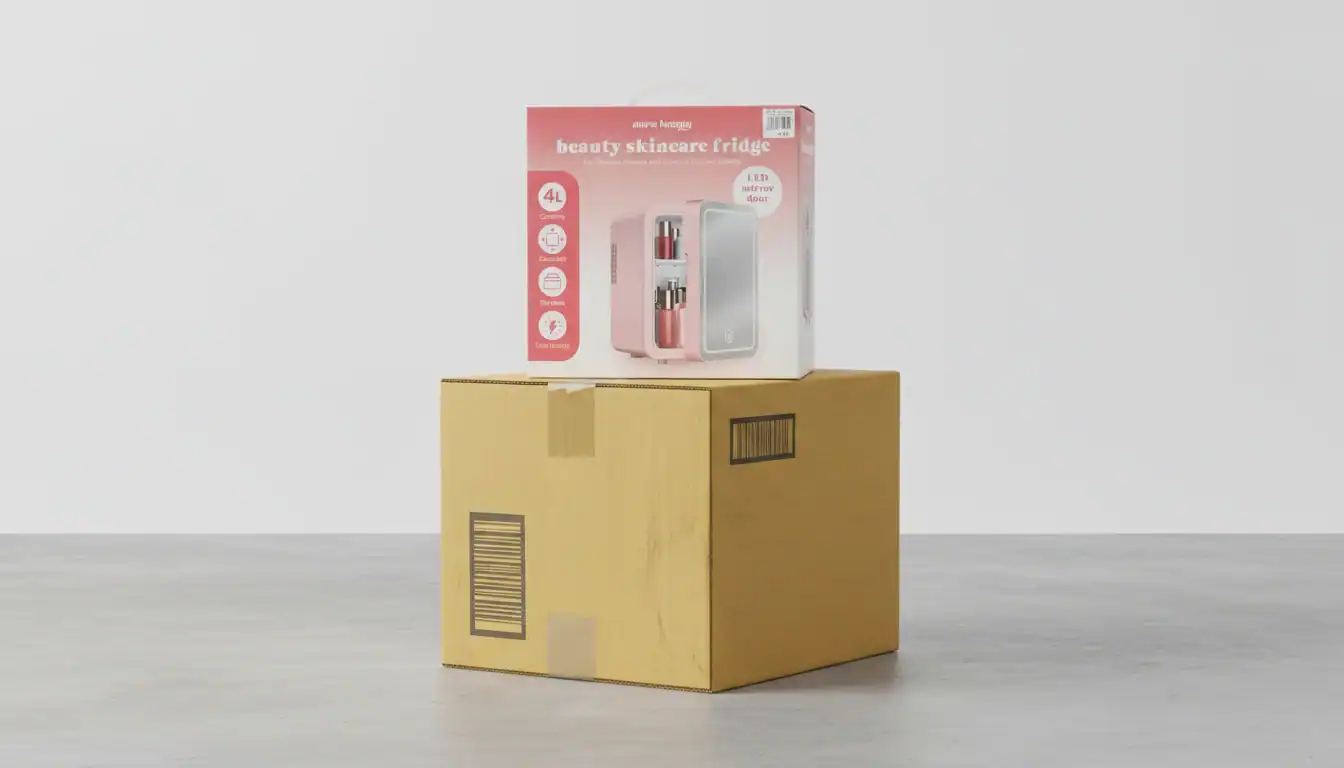
The industry-standard solution is straightforward: double-box the product. This means placing the primary gift box inside a separate, sturdy mailer carton designed specifically for shipping. This outer box takes all the abuse, so the inner gift box arrives in perfect condition.
This method creates a critical buffer zone. The space between the two boxes is often filled with cushioning material to absorb shocks and prevent movement. At KelyLands, we provide customizable mailer cartons that are engineered to protect our premium mini-fridges, ensuring the final unboxing experience for the customer is exactly as you intended—pristine and impressive.
Unboxing Design: Is a Magnetic Flap Premium Enough for $100 MSRP?
Yes, magnetic flap packaging suits a $100 MSRP. It signals luxury through a premium tactile feel, elevating perceived value and justifying higher price points for brands.
For a product like a mini skincare fridge aiming for a $100 price point, the packaging isn’t just a box; it’s the first promise of quality. A magnetic flap closure delivers on that promise instantly. It provides a substantial, satisfying “click” that cheap cardboard and tuck-flaps can’t replicate. This small detail shifts the customer’s perception of value before they even see the product.
| Key Feature | Brand & Value Impact |
|---|---|
| Premium Tactile Experience |
|
| Full OEM Customization |
|
How Magnetic Closures Create Perceived Value
The value of a magnetic flap is psychological. It transforms the unboxing from a simple task into a small event. The weight of the rigid board and the clean snap of the magnets communicate durability and attention to detail. This tactile feedback tells the customer the product inside is valuable, making the $100 price tag feel earned, not just assigned. Brands leverage this to command premium pricing without pushback, as the packaging has already done the work of establishing worth.
Aligning Premium Packaging with OEM Customization
A premium feel is pointless without strong branding. As an OEM provider, we ensure the packaging is a perfect extension of the product. Brands can specify finishes like foil stamping, embossing, or spot UV to match their aesthetic. Crucially, we can match the gift box color to any Pantone color used on the fridge housing itself, creating a completely cohesive brand presentation. The box is also designed for durability, meaning customers often keep it for storage. This reusability turns the packaging into a long-term brand asset that sits on a shelf, extending brand visibility far beyond the initial sale.
Your Expert OEM Partner for Mini Fridges

Drop Testing: How Do We Protect Glass Mirrors During Transit?
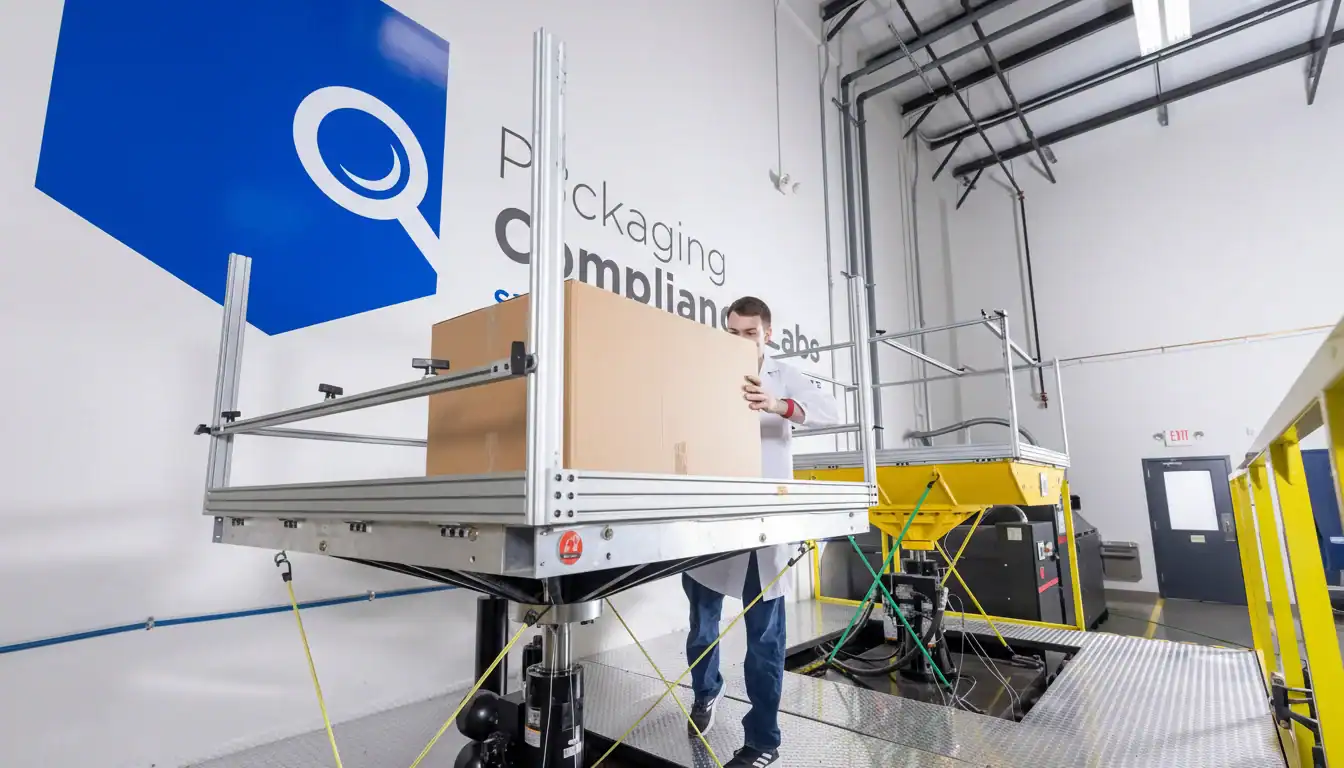
We validate our packaging with the ISTA 3A drop test. A ‘floating’ design using high-resilience EPE foam blocks and a honeycomb shell protects the mirror from 30-inch falls.
The ISTA 3A Protocol: A Standardized Approach
To make sure our Makeup Pro fridges survive shipping, we don’t guess. We use the industry-standard ISTA 3A protocol. This isn’t a random drop; it’s a structured test that simulates the real-world abuse a package takes in transit. The test involves a 9-point drop pattern from a height of 30 inches (76 cm) onto a solid concrete surface. This checks for any weak spots by testing the most fragile corner, the three edges connected to it, and all six flat faces of the box.
Internal Cushioning: EPE Foam and Suspension Design
The real protection happens inside the box. We use Expanded Polyethylene (EPE) foam for all internal cushioning, not brittle styrofoam. EPE has high resilience, meaning it can absorb multiple impacts without cracking and returns to its original shape. This is critical for handling shocks during loading and unloading.
Our engineers created a ‘floating’ suspension system. The fridge itself never touches the outer carton walls. Instead, it’s held in place by custom-molded EPE corner blocks. This isolates the unit and its glass mirror from direct impacts. The outer shell is a strong honeycomb cardboard, which provides excellent compression strength and puncture resistance to protect the entire package from being crushed.
Sustainable Gifting: Can We Swap Styrofoam for Molded Pulp?
Yes, molded pulp is a strong, biodegradable alternative to styrofoam. It provides custom-fit protection for products like mini-fridges and appeals to eco-conscious consumers.
Comparing Environmental Impact and Protection
The biggest difference is the material’s lifecycle. Molded pulp comes from recycled materials like cardboard and newspapers. It’s 100% biodegradable and breaks down in about 90 days. Styrofoam is a petroleum-based plastic that sticks around in landfills for over 500 years, posing a risk to wildlife.
When it comes to performance, the choice isn’t as simple. Styrofoam offers high shock absorption, which is why it became an industry standard. But molded pulp provides excellent protection through smart design. It can be custom-shaped to create robust cushioning that snugly fits a specific product, immobilizing it during transit.

Molded Pulp as a Custom OEM Packaging Solution
As an OEM factory, we integrate this directly into production. We develop custom molded pulp inserts designed to securely fit our mini-fridge models, like the popular ‘Beauty Classic’ or the ‘Retro Style’. This isn’t just about protection; it’s about brand positioning.
Offering an eco-friendly packaging option adds significant value for our B2B clients who target environmentally aware markets. The custom-fit design also means less material waste and can lower shipping weights compared to bulky foam blocks. For businesses looking to improve their environmental credentials, swapping out styrofoam is a tangible and marketable step forward.
Frequently Asked Questions
Can the retail gift box be shipped without an outer carton?
No, professional shipping carriers like FedEx and major retailers like Walmart require an outer shipping container made of corrugated cardboard. The gift box alone, even with bubble wrap, does not meet standard shipping requirements for parcel delivery.
Are magnetic closure boxes a good option for premium packaging?
Yes, magnetic closure boxes are a popular solution for luxury products. They provide a secure lock and a high-end unboxing experience. Customization is widely available for size, materials, and finishes like foil stamping or embossing to match brand aesthetics.
Can we use plastic-free internal packaging to appeal to eco-conscious brands?
Absolutely. Using plastic-free internal packaging like FSC-certified recycled cardboard or molded pulp inserts is a strong trend for sustainable brands. This aligns with market demand for eco-friendly solutions and avoids non-recyclable materials like styrofoam.
What is the expected breakage rate for mirror-door fridges during shipping?
While precise data varies, the industry average breakage rate for fragile items containing glass or mirrors is typically between 3-5%. This can be significantly reduced to under 1% by implementing robust protective packaging, such as high-density EPE foam, honeycomb cardboard, and passing standardized drop tests.
Final Thoughts
Cutting corners on packaging creates a 3-5% breakage rate that erases your profit margins and damages your brand reputation. Our ISTA 3A validated system, using either EPE foam or molded pulp, isn’t a cost—it’s margin insurance. It guarantees the premium unboxing experience your customers expect.
Don’t leave shipping to chance. Get a sample kit to see the magnetic closure and test our protective packaging firsthand. Contact our team to configure a custom packaging solution that protects your investment and elevates your brand.

 English
  Español
  Français
  Deutsch
  Português do Brasil
  Русский
  한국어
한국어  日本語
日本語  العربية