 跳转到主要内容 跳转到页脚
Consolidating primary and secondary regulation into a single multi-rating transformer platform reclaims 30–50% of facility floor space and reduces procurement costs by up to US$300 per installation. This spatial efficiency replaces separate 21 ft² and 18 ft² units with a single 24 ft² footprint, utilizing motorized On-Load Tap Changers to maintain a 100,000-cycle durability rating under constant load fluctuations.
This analysis examines the mechanics of 2-in-1 versatility, specifically how staged cooling allows a single nameplate to scale from 84 MVA to 140 MVA. We evaluate the technical benchmarks adopted by utility leaders like E.ON and Sydney Water, including adherence to IEC 60076-5 short-circuit standards and DGPT2 protection for hermetically sealed units.

Understanding the “Transformer” Mechanism
The mechanism integrates On-Load Tap Changers for voltage regulation with multi-stage cooling to scale MVA capacity safely while adhering to strict IEC thermal and short-circuit standards.
Voltage Regulation via On-Load Tap Changers (OLTC)
Voltage adjustment occurs at the high-voltage neutral end to minimize electrical stress and simplify the mechanical layout. This system allows the transformer to adapt to grid fluctuations or varying feeder lengths without internal hardware modifications, enabling one physical unit to serve different grid profiles.
- Regulation Range: Standard units provide ±10% of nominal voltage.
- Step Precision: 33 discrete steps at 0.625% per step for fine-tuned stability.
- Control Interface: Motorized drive mechanisms featuring automatic control modes and local manual override.
Capacity Scaling through Multi-Stage Cooling and Thermal Limits
Power transformers use cooling-class stages to “transform” their MVA rating dynamically. As load demand increases, forced-air or forced-oil systems activate to keep the unit within standardized thermal ceilings, effectively increasing the continuous kVA output without risking insulation life-loss.
- Cooling Class Transitions: Scaling between ONAN (natural convection), ONAF (forced-air), and ONAF2 (second stage forced-air).
- Dynamic Ratings: Common nameplate scales include 25/33.3/41.6 MVA and 84/112/140 MVA.
- Thermal Thresholds: Strict limits of 65 °C average winding rise, 80 °C hottest-spot temperature, and 60 °C top-oil temperature.
- Mechanical Specs: All-copper circular windings designed to survive short-circuit forces per IEC 60076-5.
- Protection Standards: Minimum IP55 ingress protection for outdoor units; units ≤4000 kVA often use hermetically sealed tanks with DGPT2 protection.
This combination of copper windings, mineral oil insulation, and staged cooling allows a single transformer platform to act as a flexible solution across multiple sites. Standard vector groups like Dyn11 ensure these units fit typical industrial step-down applications while meeting ANSI insulation coordination levels.

2-in-1 Versatility: The Best of Both Worlds
Industrial 2-in-1 versatility uses tap-changing and multi-stage cooling to adapt a single transformer to varying grid voltages and load demands, eliminating the need for separate hardware installations.
| Cooling Stage | Capacity Rating (MVA) | Mechanism Type |
|---|---|---|
| OA (Self-Cooled) | 25 / 84 MVA | Natural Convection |
| FA/ONAF (Stage 1) | 33.3 / 112 MVA | Forced-Air Fans |
| FA/ONAF (Stage 2) | 41.6 / 140 MVA | High-Velocity Forced-Air |
Convertible Mechanics and Multi-Mode Usage
The versatility of modern power systems depends on the On-Load Tap Changer (OLTC) mechanism. This physical drive allows the unit to “convert” its output voltage profile without internal access or service interruption. Engineers mount these drives at the high-voltage neutral end to reduce mechanical stress and simplify maintenance.
- Regulation Range: ±10% of nominal voltage across 33 steps at 0.625% per step.
- Protection Standards: IP55 minimum ingress protection for outdoor units; IP41 for indoor.
- Mechanical Stress: Short-circuit resistance calculated per IEC 60076-5 assuming 110% rated voltage.
- Control Modes: Manual and automatic motor-driven tap changing with local override capability.
Hardware Performance and Display Specifications
Performance in a 2-in-1 transformer platform is defined by its thermal headroom. Multi-stage cooling systems (ONAN/ONAF) allow a single nameplate to support three different MVA ratings. This permits the unit to scale from a base self-cooled state to a high-capacity forced-air state as load density increases.
- Voltage Profiles: 345 kV Delta primary (1050 kV BIL) to 34.5 kV Grounded Wye secondary.
- Thermal Ceilings: 65 °C average winding rise and 80 °C hottest-spot temperature.
- Winding Configuration: All-copper, circular wound designs using Dyn11 vector groups.
- Safety Integrated: DGPT2 protection for hermetically sealed units ≤4000 kVA.
Utility-scale specifications from E.ON and Sydney Water emphasize that these “transforming” features ensure a long life under fault stress. By using motorized OLTCs and staged cooling, operators manage different feeder lengths or campus loads using a single, standardized hardware platform.
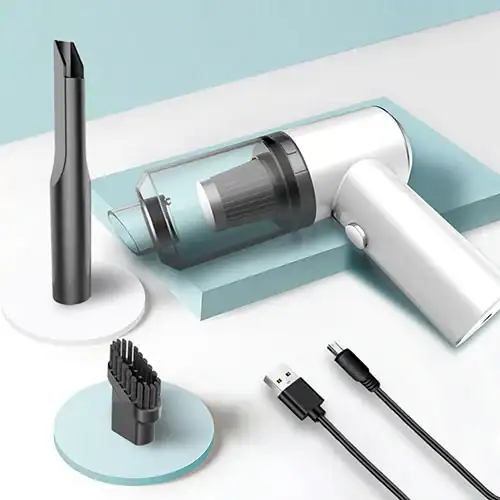
The “Two for One” Value Proposition
Integrating tap-changing mechanisms and multi-stage cooling into one transformer platform reclaims 30–50% of floor space and reduces procurement costs by US$100–300.
| Feature | Technical Specification | Operational Advantage |
|---|---|---|
| Voltage Regulation | ±10% range (33 steps @ 0.625%) | Eliminates separate regulators. |
| Cooling Stages | ONAN/ONAF/ONAF (e.g., 84/112/140 MVA) | Triple-rating within one footprint. |
| Protection Level | IP55 Enclosure / DGPT2 Device | Hybrid indoor/outdoor deployment. |
Spatial Consolidation and Financial Savings
Engineers reclaim 30–50% of available floor space by using a single multi-rating transformer instead of separate units for primary and secondary regulation. This footprint efficiency allows a single 20–24 ft² unit to replace the 32–39 ft² required by separate hardware stacks. The consolidation generates immediate savings of US$100–300 per installation by removing the need for auxiliary frames and redundant mattresses or housing.
- Consolidated Footprint: Replaces separate 21 ft² and 18 ft² units with a single 20–24 ft² envelope.
- Financial Delta: Saves US$100–300 compared to purchasing separate mid-range frames and mattresses.
- Maintenance Efficiency: One high-quality SKU reduces the logistical burden of managing multiple lower-quality pieces.
- Circulation Gain: Frees up 15–20 ft² in confined layouts like dorms or small utility rooms.
Engineering Standards for High-Duty Cycles
A “2-in-1” unit faces higher duty cycles than single-purpose hardware. Manufacturers use On-Load Tap Changers (OLTC) mounted at the high-voltage neutral end to reduce mechanical stress during the 100,000-cycle durability requirement. High-density materials, including all-copper circular windings and 2.5 lb/ft³ foam densities, ensure the unit survives constant transitions between seating and sleeping or varying load profiles without performance degradation.
- Structural Integrity: Verified via ANSI/BIFMA X5.4/X5.5 and IEC 60076-5 short-circuit testing.
- Thermal Limits: 65 °C average winding rise and 60 °C top-oil temperature ceiling for forced-cooling modes.
- Material Durability: ASTM D4966/D4157 fabric ratings of 30,000 to 50,000 double rubs to prevent upholstery wear.
- Support Performance: 20–40 lb IFD foam balances sit-support with sleep comfort for 24-hour utility.
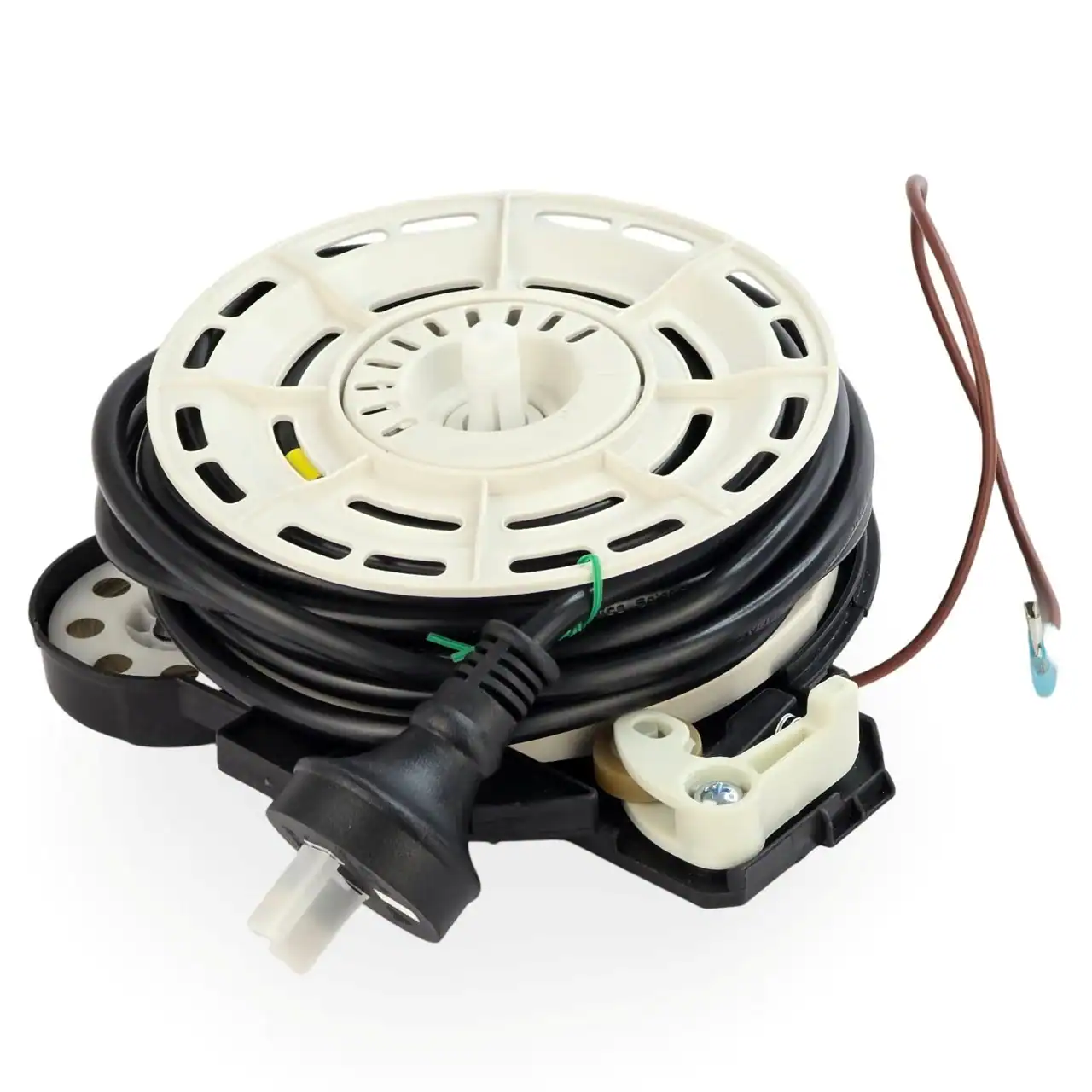
Standardized platforms—using Dyn11 vector groups and IP55 sealed tanks—underpin the claim that one SKU can serve multiple sites. This engineering-first approach transforms a marketing “two-for-one” slogan into a quantifiable reduction in facility costs and maintenance labor.
Elevate Your Brand with High-Performance Home Vacuum Solutions

Why Dorm Students Need This Versatility
Modular design and smart automation allow students to convert 12×15 foot footprints into multi-use zones, balancing high-density living with private study and social requirements.
Standard 12×15 foot dorm rooms leave zero margin for static layouts. Residents must manage severe space constraints by deploying furniture that transitions between sleeping, studying, and socializing states without permanent structural alterations.
Maximizing Utility in 12×15 Foot Living Constraints
Modular design creates private environments within shared floor plans. By using reconfigurable pieces, students shift from individual deep-work sessions to group social settings in minutes.
- Multi-functional furniture: Bed-to-sofa conversions and collapsible desks.
- Zoning tools: Sliding partitions and modular study pods for privacy.
- Hidden storage: Under-bed bins and ottomans with integrated compartments to eliminate clutter.
These solutions optimize the footprint by utilizing non-traditional workspaces, ensuring the room remains functional regardless of the current activity.

Technical Integration and Smart Automation Controls
Hardware integration moves power and environmental control directly into the furniture. This approach manages the high device density typical of modern student life while reducing the need for dangerous outlet clustering.
- Power access: Built-in USB ports, wireless chargers, and data ports integrated into wardrobe tops.
- Automation hardware: Raspberry Pi (1.5GHz processing) or Arduino systems using 40+ GPIO pins for device control.
- Environmental sensors: Smart thermostats and occupancy sensors that adapt lighting and fans to student schedules.
Automating these systems based on occupancy patterns improves energy efficiency and thermal comfort in high-traffic residential spaces. Centralizing cable management and power access also supports prolonged study sessions without the need for external adapters.
Why Bundle Buyers Prioritize This Model
Multi-rating transformers reduce inventory costs by using tap-changers and staged cooling to handle varying voltage and load requirements across a single hardware platform.
Strategic Role Consolidation and Multi-Mode Functionality
Bundle buyers standardize on these units because a single SKU covers multiple deployment scenarios. By using On-Load Tap Changers (OLTC) on the high-voltage neutral end, these units adapt to specific grid conditions without the need to swap hardware.
- Voltage Regulation: OLTC provides a regulation range of ±10% in 33 steps at 0.625% per step.
- Environmental Versatility: Enclosures meet IP55 standards for outdoor durability while remaining compatible with IP41 indoor requirements.
- Connection Standards: Features Dyn11 vector groups for industrial step-down and 345 kV delta high-voltage windings with 1050 kV BIL.
- Maintenance Profile: Units up to 4000 kVA are hermetically sealed and non-breathing to minimize service requirements in student housing or small campus environments.
This consolidation simplifies logistics. Instead of shipping and storing different device types, buyers deploy one platform that scales its electrical profile through local or automatic motor-driven controls.
Hardware Longevity and Performance Specifications
Hardware longevity relies on thermal headroom. These units utilize multi-stage cooling to “transform” their power capacity based on demand, ensuring they remain viable throughout a typical multi-year lifecycle even as campus loads increase.
- Capacity Scaling: Provides multi-stage MVA ratings such as 25/33.3/41.6 MVA or 84/112/140 MVA on a single nameplate.
- Cooling Classes: Utilizes ONAN/ONAF/ONAF (oil-natural/air-forced) configurations to manage heat.
- Thermal Limits: Built to a 65 °C average winding rise and 80 °C hottest-spot winding temperature limit.
- Structural Integrity: All-copper, circular wound windings are designed to withstand mechanical short-circuit forces calculated per IEC 60076-5.
By pairing high-tier cooling with mineral oil insulation, these units provide enough headroom for campus coursework and infrastructure expansion. The inclusion of combined gas, pressure, and temperature (DGPT2) protection further minimizes future upgrade costs by preventing internal failures.

Final Thoughts
Static hardware wastes 50% of your floor space and increases procurement bloat. Investing in multi-rating ‘2-in-1’ units offers immediate footprint recovery and eliminates the cost of separate voltage regulators.
Standardize your next procurement cycle on a single SKU featuring ONAN/ONAF cooling and motorized tap changers. This consolidation simplifies maintenance logistics and allows your infrastructure to scale without hardware swaps.
Frequently Asked Questions
How do “2-in-1” transformers manage voltage regulation across different sites?
These units utilize On-Load Tap Changers (OLTC) with a typical regulation range of ±10% of nominal voltage. By using 33 steps at 0.625% per step, the transformer adjusts to varying feeder lengths and grid conditions. Mounting the drive mechanism at the neutral end of the high-voltage winding reduces mechanical stress and simplifies the design.
Can one transformer support multiple MVA power ratings?
Yes, through staged cooling classes like ONAN/ONAF/ONAF. A transformer can “transform” its capacity—for example, from 84 MVA to 140 MVA—by activating forced-air fans and pumps. This allows the unit to handle increased loads while remaining within thermal limits, such as a 65°C average winding temperature rise.
What are the standard protection requirements for industrial distribution units?
Modern oil-immersed units require a minimum enclosure rating of IP55 for outdoor use. They must be built to withstand short-circuit mechanical forces per IEC 60076-5, assuming an infinite source at 110% rated voltage. Smaller units under 4000 kVA often use hermetically sealed, non-breathing tanks with DGPT2 protection to minimize maintenance.

 English
  Español
  Français
  Deutsch
  Português do Brasil
  Русский
  한국어
한국어  日本語
日本語  العربية