 跳转到主要内容 跳转到页脚

Retailers and commercial suppliers often overlook growth opportunities by limiting glass cleaning tools to standard window applications. Expanding into multi-surface versatility allows you to solve specific end-user problems, from preventing stubborn mineral buildup on shower screens to maintaining the structural integrity of automotive windshields.
We examine the technical requirements for various environments, such as using high-density textiles with over 200,000 fibers per square inch for mirrors and managing water hardness levels below 3–4 grains per gallon to preserve glass clarity. This guide details the mechanics of grease removal on kitchen tiles, safety standards for vehicle glazing, and the performance of wet-recovery systems for household spills.
The Shower Screen Saviour: Preventing Limescale
Limescale prevention on glass surfaces relies on removing residual hard water before minerals crystallize. Combining mechanical removal using a squeegee with improved bathroom ventilation effectively halts the bonding of calcium and magnesium to the screen.
| Prevention Method | Action Required | Primary Benefit |
|---|---|---|
| Manual Mechanical Wiping | Squeegee after every use | Removes minerals before they dry |
| Vinegar Treatment | 1:1 spray application | Dissolves ions before bonding |
| Active Ventilation | Run extraction fans | Speeds evaporation to limit crystals |
| Source Water Softening | Ion exchange system | Addresses mineral content at the intake |
Manual Moisture Removal and Airflow Management
Wiping glass surfaces with a squeegee or microfiber cloth after every use removes hard water before minerals dry into deposits. This simple mechanical process prevents the evaporation of droplets that would otherwise leave behind concentrated calcium and magnesium residues.
Using bathroom extraction fans or opening windows accelerates evaporation to limit the time calcium and magnesium have to crystallize. Improved airflow also controls humidity levels, which reduces the structural integrity of soap scum and prevents it from anchoring limescale to the glass surface.
Preventive Surface Treatments and Chemical Barriers
Applying a 1:1 distilled white vinegar and water spray after showering dissolves mineral ions before they bond to the glass. The mild acidity of the vinegar neutralizes the alkaline nature of hard water minerals, making it difficult for scale to gain a foothold on the pane.
Commercial daily shower cleaners create a protective hydrophilic film that reduces mineral adhesion and prevents water spotting. These treatments encourage water to sheet off the glass uniformly rather than forming individual beads, which significantly cuts down on the effort required for deep cleaning.
Source-Water Hardness Reduction Systems
Installing a water softener treats the incoming supply to lower mineral content, directly decreasing the rate of scale formation. By removing the hardening agents from the water before it reaches the showerhead, these systems preserve the aesthetic quality of bathroom fixtures and enclosures.
Maintaining hardness levels below 3–4 grains per gallon helps preserve glass clarity and reduces the need for abrasive descaling agents. Controlling water chemistry at the source protects the integrity of glass coatings and ensures that all household plumbing remains free from restrictive mineral buildup.
Mirror Maintenance: Streak-Free Vanities
Achieving a streak-free vanity mirror requires high-density microfiber cloths with over 200,000 fibers per square inch and low-residue cleaning solutions. Applying a controlled mist with a top-to-bottom Z-pattern prevents surfactant buildup and protects the silver backing from moisture-induced desilvering.
Optimizing Tools and Chemical Solutions
Professional results start with selecting the right textile for the task. Tightly woven microfiber cloths containing over 200,000 fibers per square inch trap toothpaste mist and facial oils within the fabric structure. This mechanical action removes contaminants effectively without leaving the lint often associated with paper towels or standard rags.
Chemical selection impacts the final clarity of the glass. Low-residue cleaners utilizing fast-evaporating alcohol or ammonia bases prevent surfactants from accumulating on the surface. Users should apply a light mist of 1–2 ml per square foot rather than saturating the pane. Excess liquid often dries into visible drip tracks before it can be buffed out. Dedicating specific cloths exclusively for mirror use ensures that residual fabric softeners from other laundry cycles do not transfer to the glass and cause hazing.
Application Techniques and Moisture Control
The physical motion used during the cleaning process determines whether soil is removed or simply redistributed. Employing a top-to-bottom Z-pattern or consistent horizontal strokes lifts debris away from the glass. This systematic approach ensures every square inch receives equal pressure and prevents the circular smearing common in amateur cleaning routines.
Moisture management is essential for the long-term structural integrity of the mirror. When working near the edges, spray the cleaning cloth directly instead of the glass. This technique prevents liquid from seeping behind the pane, which is the primary cause of desilvering and black edge spots. We recommend drying the bottom perimeter immediately to protect the reflective silver backing from the high-humidity bathroom environment. To maintain a pristine finish, flip or refold the microfiber cloth after completing each quadrant to expose a clean face for the final buffing pass.
Routine Maintenance for LED and Decorative Vanities
Modern vanity systems with integrated lighting require specialized care. Dusting LED trims and frames weekly with a dry, lint-free cloth prevents light scattering. Accumulations on the lighting elements can highlight even minor residual smears on the glass, making the reflection appear lower in quality. Regular dry touch-ups in high-use areas, such as makeup stations, stop fingerprints from forming thick films that require aggressive scrubbing later.
A weekly deep-cleaning schedule should involve removing cosmetics and bottles from the countertop. Clearing these items provides unobstructed access to the entire glass pane and prevents the buildup of grime rings near the base of the mirror. Effective bathroom ventilation also plays a role in glass maintenance. Keeping extraction fans running limits the condensation that accelerates corrosion and mineral spotting. These proactive steps preserve both the aesthetic clarity and the functional lifespan of the vanity mirrors.
Kitchen Tiles: Cleaning Grease Splatters
Effective removal of grease splatters from kitchen tiles involves using alkaline-based cleaners or degreasing agents to emulsify oils that water cannot displace. Utilizing microfiber cloths for backsplashes and pH-neutral solutions for sensitive materials ensures surfaces remain clean without sustaining chemical damage or permanent etching.
Degreasing Agents and Alkaline Breakdown
Alkaline-based cleaners and degreasing agents effectively treat tile surfaces near stovetops by emulsifying oils and breaking down lipid chains. For porous grout lines, a paste made of baking soda and warm water absorbs grease without eroding the surface material. Ceramic tiles benefit from a mixture of equal parts white vinegar and water to lift residue, provided the solution sits for at least five minutes before rinsing. Natural stone surfaces such as marble or limestone require pH-neutral cleaners, as acidic substances cause permanent etching and surface damage.
Surface Compatibility and Maintenance Tools
Microfiber cloths trap grease residues and prevent smearing across the backsplash during regular maintenance routines. Choosing pH-neutral solutions for porcelain tiles protects factory glazes while lifting heavy grime from the surface. For deep-set grease in textured tiles, soft-bristle brushes ensure complete removal from crevices and pores. Performing weekly wipe-downs after cooking prevents grease from hardening into difficult-to-remove buildup, and sealing grout lines every six to twelve months maintains a barrier against future oil penetration.
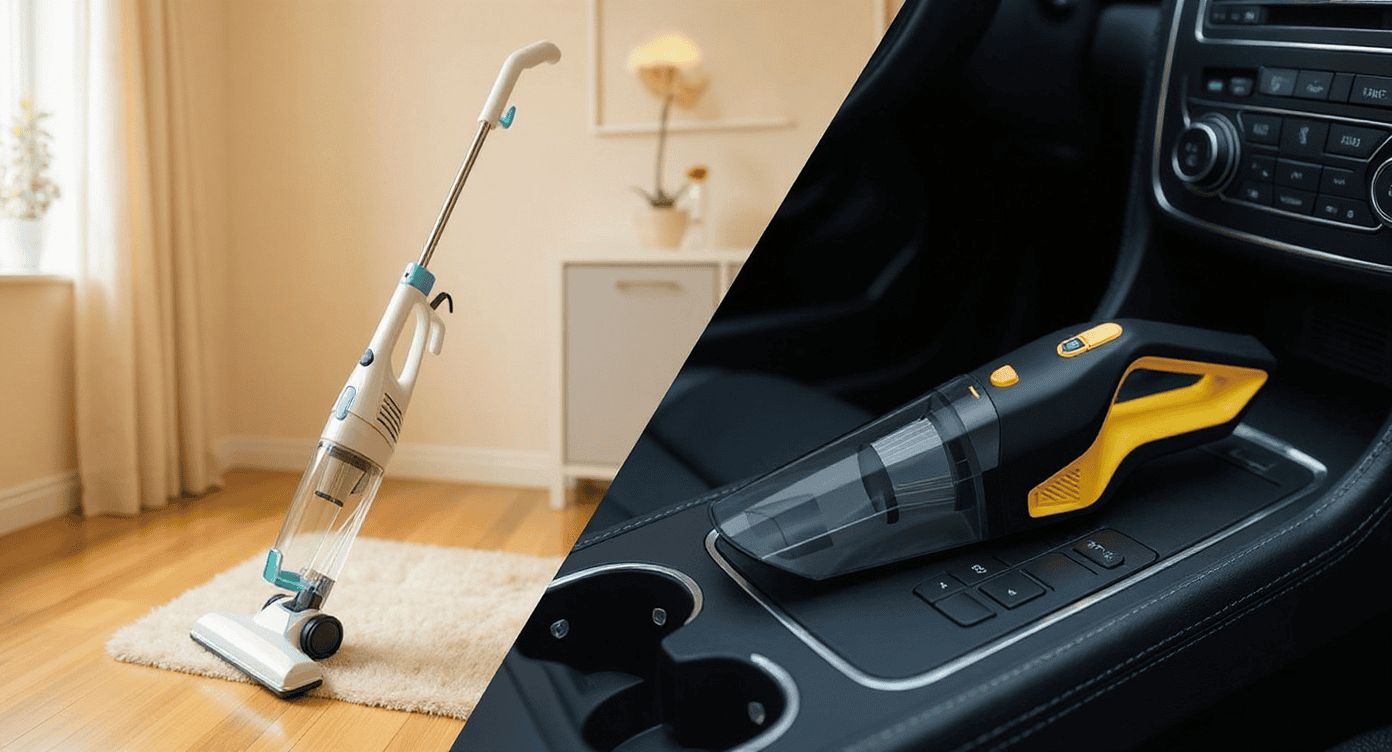
Scale Your Brand with High-Performance Home Vacuums

Car Glass: The Automotive Use Case
Automotive glass applications prioritize passenger safety and structural durability through the use of laminated and tempered glazing. Windshields provide critical roof support and house advanced sensors, while side and rear windows use specialized fragmentation patterns to minimize injury during collisions.
Structural Integrity and Safety in Laminated Windshields
Windshields utilize laminated safety glass consisting of glass plies bonded by a PVB or EVA plastic interlayer to prevent shard ejection. This specific construction ensures the pane remains intact during an impact, creating a spider-web pattern rather than shattering. Beyond occupant protection, this construction provides essential support for the vehicle roof structure and serves as an integration platform for ADAS cameras and HUD projections.
Impact Fragmentation Standards for Side and Rear Glazing
Side and rear windows generally use tempered safety glass designed to crumble into small, blunt pebbles during a collision to reduce injury risk. This heat-treated glass lacks the plastic interlayer found in windshields, allowing for easier emergency egress if necessary. Backlites and quarter glass frequently integrate functional components like electrical defroster grids and RF antennas for GPS or radio connectivity, blending visibility with communication technology.
Overhead Protection and Light Management in Panoramic Roofs
Panoramic roof systems employ large safety panels that meet rollover and overhead impact standards while maximizing cabin brightness. These glass systems often incorporate deep tints to manage solar gain. Laminated roof glass options improve occupant comfort by providing acoustic damping, UV filtering, and solar heat management, ensuring the interior remains quiet and temperature-controlled even with a large transparent surface area.
Spill Cleanup: Using as a Mini Wet-Vac
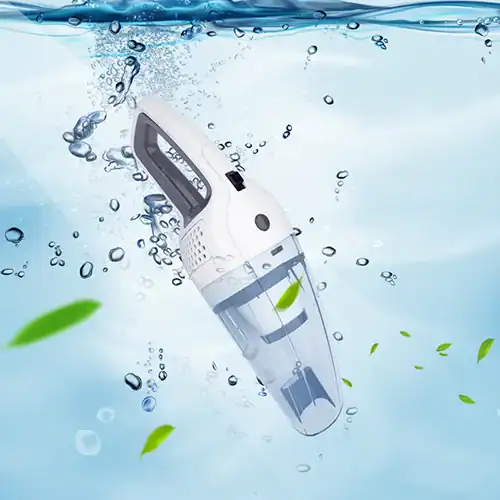
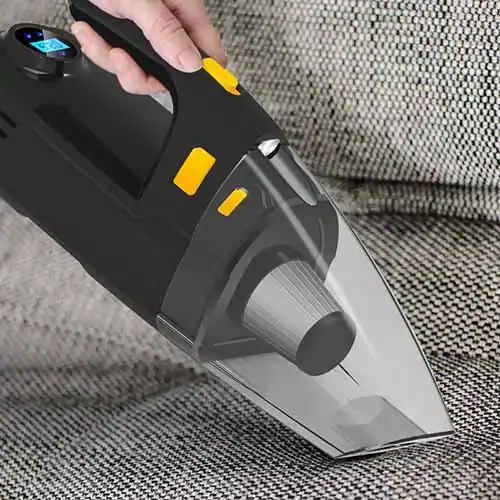
Multi-surface wet/dry vacuums function as mini wet-vacs for immediate cleanup of household spills, ranging from standing water and juice to greasy kitchen debris. These units feature moisture-sealed motors and internal separation tanks to extract liquids safely without damaging electronic components or clogging filters.
Mechanics of Liquid Recovery and Motor Protection
In 2026, multi-surface wet/dry vacuums utilize sealed motors and liquid-safe collection bins to pick up water, juice, and greasy kitchen messes without electrical risk. Internal separation systems and baffling direct liquid into sealed tanks while preventing moisture from reaching critical electronics. These structural barriers ensure that high-velocity airflow remains dry before entering the motor housing.
Float valves serve as a critical safety feature, automatically cutting suction when the liquid tank reaches capacity to prevent overflow. This mechanical shut-off protects the vacuum from internal water damage during heavy-duty recovery tasks. Portable units typically provide 700–900 ml of liquid recovery capacity, while larger canister models handle 2 to 10 gallons for significant household leaks.
Applications for Mixed Household Spills
Wet-capable vacuums manage complex messes that combine liquids and solids, such as cereal and milk or broken jars of sauce, in a single pass. This eliminates the need for multiple tools like brooms, mops, and paper towels. Squeegee-style floor heads ensure edge-to-edge pickup of bathroom puddles, sink overflows, and knocked-over mop buckets on hard floors.
The 2026 technology standard includes corrosion-resistant internals that allow for the safe cleanup of water-based spills and mild household cleaning solutions. Internal roller systems pull moisture into the suction path, leaving tile, laminate, and vinyl floors significantly drier than traditional mopping. This rapid extraction prevents water from seeping into floor joints and causing long-term damage.
Operational Safety and Maintenance Standards
Users must verify the wet/dry or wet-capable rating before attempting liquid recovery to avoid filter collapse and potential shock. Standard safety protocols forbid the vacuuming of flammable chemicals, explosive materials, or hot liquids that could damage the collection system. Ensuring compatibility between the liquid type and the vacuum’s seal materials prevents premature equipment failure.
Routine maintenance requires drying the filters and tanks immediately after wet use to prevent the growth of mold and internal corrosion. While household units function as mini wet-vacs for water-based spills, industrial recovery requires specialized vacuums capable of handling viscous oils and hydrocarbons. Proper sanitization of the tank after each use maintains hygiene and prevents the development of unpleasant odors inside the machine.
Frequently Asked Questions
Is the blade suitable for uneven surfaces like tiles?
Flexible rubber or silicone blades with soft wiping edges conform to mild grout lines and slightly uneven tile surfaces. While effective for most layouts, very deep grout joints or heavily textured tiles may still show minor streaks.
Can the unit be marketed for car windshield cleaning?
Effective automotive marketing requires a design with non-abrasive materials and a handle length that reaches across standard windshields. KelyLands ensures the blade width and material choice protect glass surfaces while maximizing contact area.
Does the squeegee handle soapy water scum without clogging?
Single-edge rubber and silicone squeegees push the soapy film off the surface instead of absorbing it, which eliminates clogging issues. Cleaning performance remains high throughout 2026 as long as users periodically rinse the blade edge during heavy use.
Final Thoughts
Maintaining glass and tile surfaces across the home requires specific techniques for different environments. From preventing limescale in showers to removing grease from kitchen backsplashes, the right tools and habits protect surfaces and keep them functional. Success depends on choosing materials that match the surface, like high-density microfiber for mirrors or alkaline cleaners for stovetop splatters.
Adopting these methods reduces the time spent on deep cleaning and prevents permanent damage like etching or desilvering. Modern wet-capable vacuums and ergonomic squeegees simplify tasks that used to require multiple tools and chemical treatments. Consistent routines ensure that household fixtures, car windows, and mirrors remain clear and durable for years.

 English
  Español
  Français
  Deutsch
  Português do Brasil
  Русский
  한국어
한국어  日本語
日本語  العربية