 跳转到主要内容 跳转到页脚
The portable tire inflator wholesale market in 2025 presents massive opportunities for smart buyers who understand supplier dynamics and emerging tech trends. Cordless models with powerful 7000mAh+ batteries are crushing the competition, while MOQ requirements swing from 50-1000 units depending on which supplier tier you choose. Asia-Pacific still dominates 60% of global production, creating pricing gaps savvy buyers can exploit. Smart features like IoT connectivity and digital displays aren’t fancy extras anymore – they’re what customers expect. Your success boils down to diversifying suppliers, nailing quality control, and staying ahead of the sustainability curve that’s reshaping manufacturing.
Current Market Landscape and 2025 Outlook
The portable tire inflator wholesale market is exploding with growth driven by tech innovations and consumers ditching corded models for smart, cordless devices that actually work when you need them.
The global portable tire inflator market hit roughly $1.5 billion in 2024, with Asia-Pacific leading both manufacturing and buying. China controls about 60% of production capacity, while North America drives demand for premium models. This geographic split creates golden opportunities for wholesale buyers willing to navigate supplier diversity and regional pricing differences.
Market fragmentation sets this sector apart from consolidated industries. Hundreds of mid-tier manufacturers operate alongside established players, creating pricing gaps you rarely find in mature product categories. Unlike traditional automotive accessories dominated by major brands, the tire inflator space rewards buyers who can spot quality suppliers across different tiers.
Technology integration reshapes buyer expectations faster than many suppliers can adapt. Battery powered tire inflators featuring lithium-ion technology now represent 70% of new product launches, compared to just 30% in 2022. Suppliers investing in proprietary battery management systems report wholesale margins 25-30% higher than those using commodity batteries.
The regulatory environment creates both challenges and opportunities. CE, FCC, and UL certifications have become baseline requirements, while emerging environmental regulations favor suppliers with sustainable manufacturing practices. Certified products typically require higher MOQs but offer better margin protection and market access guarantees.
Join 300+ global partners who trust KelyLands for top-tier car accessories. Review our portable air pumps in our free catalogue
Request now
Emerging Trends Driving 2025 Wholesale Demand
Cordless tire inflators with smart connectivity features represent the hottest growth segment, with wholesale demand shooting up 250% annually across all supplier tiers.
The industry-wide shift toward cordless operation represents the biggest trend reshaping wholesale market trends. Traditional 12V DC models lose market share rapidly to rechargeable units offering superior portability. Battery capacity has emerged as the primary differentiator, with 7500mAh+ units commanding premium pricing and generating higher reorder rates among distributors.
Smart features and digital integration drive premium segment growth. Connected tire inflators featuring smartphone integration include digital pressure presets, automatic shutoff, real-time monitoring, and cloud connectivity for maintenance tracking. Suppliers offering comprehensive smart feature packages report 40% higher customer lifetime value compared to basic model manufacturers.
Sustainability considerations increasingly influence purchasing decisions. Energy-efficient models and recyclable packaging access premium buyer segments previously dominated by established brands. Suppliers demonstrating measurable sustainability improvements through minimalist, recyclable packaging report 15-20% logistics cost reductions while improving brand perception among environmentally conscious distributors.
The commercial vehicle segment drives specialized product development. Fleet operators demand enhanced durability, extended duty cycles, and commercial warranties. Suppliers succeeding in this segment typically offer specialized technical support and expedited service programs, commanding 30-40% higher wholesale prices.
Strategic Supplier Analysis and Factory Selection
Understanding supplier tiers and their capabilities helps you nail the sweet spot between quality, pricing, and minimum order requirements for long-term wholesale success.
Tier 1 suppliers require higher MOQs (500-1000 units) but deliver superior quality control, comprehensive certifications, and dedicated account management. These partnerships suit established distributors prioritizing brand reputation and customer satisfaction. Leading Tier 1 characteristics include ISO certification, dedicated R&D teams, comprehensive testing facilities, and multi-language customer support.
Mid-tier suppliers offer optimal balance between quality and accessibility, featuring MOQs of 100-500 units while maintaining essential certifications and reasonable quality standards. This segment provides the best entry point for new wholesale buyers. Tier 2 suppliers often specialize in specific product categories or regional markets, offering deep expertise and competitive pricing within their focus areas.
Low MOQ manufacturers in the Tier 3 category cater to price-sensitive segments with MOQs starting at 50-100 units. While quality varies significantly, strategic partnerships with reliable Tier 3 suppliers enable competitive pricing in commodity segments. Success requires robust quality control processes and clear communication protocols.
Due diligence becomes critical across all supplier tiers. Comprehensive validation should examine business licenses, facility capabilities, quality certifications, and financial stability. Third-party verification services provide independent assessment of supplier claims and capabilities. Reference customer interviews offer valuable insights into supplier performance, communication quality, and problem resolution capabilities.
Power Up Your Market Presence
Stay ahead with KelyLands’ cutting-edge car accessories. Our car air pumps are designed for global markets. Click to download our catalogue and explore partnership opportunities.
MOQ Negotiation and Pricing Optimization Strategies
Published MOQ requirements are starting points, not final terms – successful negotiation depends on commitment duration, payment reliability, and relationship development rather than just order size.
Minimum order quantities vary dramatically based on supplier tier, product complexity, and seasonal demand patterns. Negotiation leverage typically derives from commitment duration, payment terms, and marketing support rather than absolute volume. Suppliers value predictable order patterns and prompt payment over single large orders.
Volume-based pricing structures feature 3-5 break points, with significant savings occurring at 500, 1000, and 2500 unit thresholds. Understanding these break points enables strategic order planning that maximizes cost efficiency without excessive inventory investment. Seasonal demand patterns significantly impact pricing opportunities, with Q1-Q2 periods offering best pricing when demand is lowest.
Payment term negotiation significantly impacts total cost of ownership and cash flow management. Progressive payment structures (30% deposit, 70% on shipment) replace traditional 100% advance payment requirements. Suppliers offering flexible payment terms typically command 5-10% price premiums but reduce buyer risk and improve cash flow predictability.
| Supplier Tier | Typical MOQ Range | Lead Time | Certification Level | Quality Control |
|---|---|---|---|---|
| Tier 1 | 500-1000 units | 15-25 days | Full (CE, FCC, UL) | Comprehensive |
| Tier 2 | 100-500 units | 20-30 days | Essential (CE, FCC) | Standard |
| Tier 3 | 50-100 units | 25-35 days | Basic | Variable |
Product Categories and Technology Specifications
High-performance cordless models with 150+ PSI capacity and 7000mAh+ batteries represent the fastest-growing wholesale category, offering fat margins of 45-60%.
Cordless tire inflators featuring advanced battery technology lead market growth. Units with sub-5 minute tire inflation capability, operating temperature ranges from -10°C to 60°C, and comprehensive accessory packages command retail prices of $80-150. Suppliers offering 2-year warranties report significantly higher reorder rates among wholesale customers.
Digital displays have transitioned from premium features to baseline expectations. Current market leaders integrate smartphone connectivity, preset pressure memories, and automatic shutoff functionality as standard features. Smart integration capabilities vary significantly between suppliers, with leading manufacturers offering proprietary mobile applications and cloud connectivity.
Commercial-grade inflators designed for fleet use represent a specialized but lucrative segment. These units emphasize reliability over features, with key requirements including continuous duty ratings, vibration resistance, and temperature stability. Suppliers succeeding in commercial applications typically offer specialized technical support and expedited service programs.
4×4 tire inflators require enhanced durability and higher pressure capabilities for off-road applications. Heavy-duty models feature reinforced construction, extended duty cycles, and specialized accessories for larger tire volumes. This segment commands premium pricing while serving a dedicated customer base with specific performance requirements.
Innovate with KelyLands Solutions
Looking for innovative car accessories? Our portable air pumps are engineered for performance and reliability. Download our catalogue to see how we can support your business growth.

Quality Control and Certification Requirements
Comprehensive quality control protocols protect against variations while ensuring consistent customer experiences and regulatory compliance across different markets.
Essential certifications include CE, FCC, and RoHS for most developed markets, with additional requirements like UL, CSA, and PSE for specific regions. Certification costs and timelines significantly impact supplier capabilities and pricing. Suppliers maintaining multiple active certifications demonstrate superior quality management systems and regulatory compliance capabilities.
Performance testing should evaluate inflation speed, pressure accuracy, battery life, and temperature performance under realistic operating conditions. Suppliers offering detailed test reports and performance guarantees demonstrate commitment to quality and customer satisfaction. Durability testing becomes particularly important for portable units subject to varied operating environments.
Incoming inspection protocols should examine pressure gauge accuracy, battery capacity verification, and accessory completeness. Statistical sampling approaches balance quality assurance with operational efficiency. Typical protocols inspect 10-15% of incoming units with expanded testing following any quality issues or supplier changes.
Product liability considerations require comprehensive documentation and clear quality standards. Suppliers offering indemnification and IP protection demonstrate commitment to legal compliance and customer protection. Contract terms should address quality standards, delivery commitments, warranty obligations, and dispute resolution mechanisms.
Supply Chain and Logistics Considerations
Lithium battery regulations significantly impact shipping methods and costs, requiring specialized documentation and compliance procedures for international shipments.
Air freight remains standard for sample orders and urgent shipments, while sea freight provides cost-effective transportation for volume orders. Shipping cost optimization requires balancing transit time, cost, and inventory management considerations. Lithium battery regulations require UN38.3 certified testing and proper documentation to reduce shipping complications.
Standard lead times range from 15-30 days for established products, with custom configurations requiring 45-60 days. Seasonal demand patterns significantly impact supplier capacity and lead time predictability. Strategic inventory planning should account for Chinese New Year impacts, peak demand seasons, and component availability constraints.
Regional distribution strategies should consider customs regulations, local service requirements, and market-specific certification needs. Suppliers offering regional warehousing and fulfillment services simplify market entry and improve customer service capabilities. Product dimensions and weight significantly impact warehousing costs and shipping economics.
Risk Management and Financial Planning
Supplier diversification across multiple geographic regions provides operational resilience while creating negotiation leverage and reducing single-source dependencies.
Comprehensive supplier validation requires examining business licenses, facility capabilities, quality certifications, and financial stability. Reference customer interviews provide valuable insights into supplier performance and problem resolution capabilities. Suppliers refusing reference contacts or providing limited references warrant additional scrutiny.
Single-source supplier relationships create unnecessary operational risk. Developing relationships with 2-3 qualified suppliers in different geographic regions provides business continuity protection and negotiation leverage. Supplier financial monitoring helps identify potential issues before they impact operations.
Initial inventory investment typically ranges from $10,000-50,000 depending on product mix and supplier MOQ requirements. Financial planning should account for inventory carrying costs, marketing expenses, and working capital requirements. Successful wholesale operations typically achieve 12-18 month payback periods with proper product selection and market execution.
Product liability insurance protects against potential quality issues and customer claims. Comprehensive coverage should include product defects, shipping damage, and customer injury claims. Business interruption insurance protects against supplier failures, shipping delays, and other operational disruptions.
Compact, Powerful Air Pumps for Every Ride
Explore KelyLands air pumps designed for cars, bikes, motorcycles, sports balls, and inflatables. Enjoy fast inflation with smart digital controls, durable portable builds, and versatile power options. Tailor your brand with flexible OEM/ODM customization, backed by trusted quality and global service.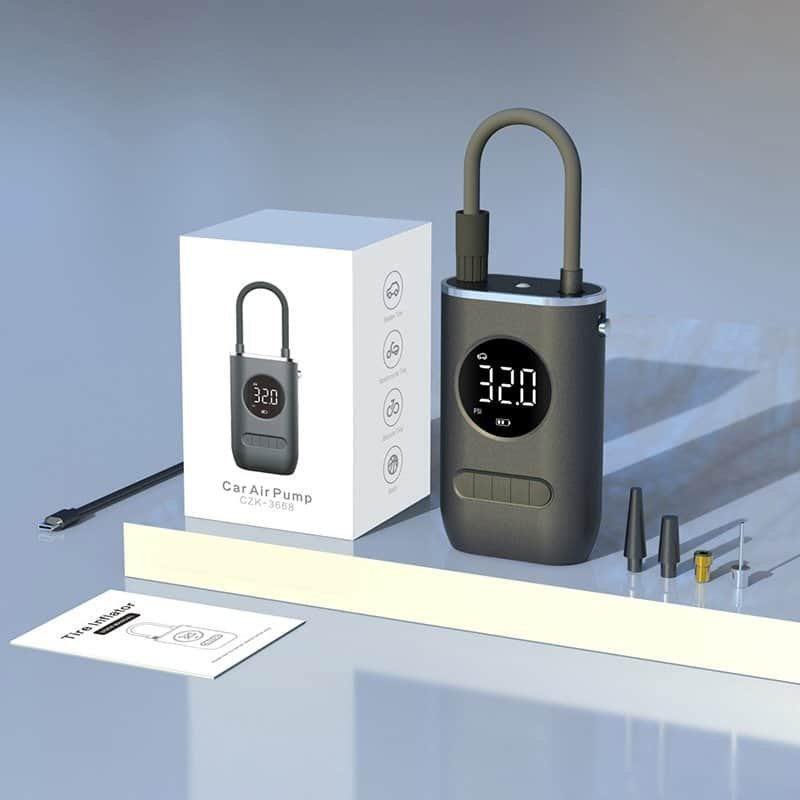
Market Entry and Growth Strategies
Private labeling tire inflators enables brand building and margin improvement beyond commodity pricing pressures through consistent quality and effective positioning.
Successful market entry requires focused product selection, competitive pricing analysis, and clear customer targeting. Starting with 2-3 core products enables manageable inventory investment while testing market response. Customer acquisition strategies should leverage existing relationships, trade show participation, and digital marketing channels.
Distribution channel selection significantly impacts market reach and profitability. Online marketplaces, retail partnerships, and direct sales each offer distinct advantages requiring tailored strategies. Channel partner support including training, marketing materials, and technical support improves sales effectiveness and customer satisfaction.
Brand development through private labeling opportunities enables differentiation and margin improvement. Successful brand development requires consistent quality, effective marketing, and clear value proposition communication. Suppliers offering comprehensive private label services including packaging design and marketing support provide additional value creation opportunities.
Customer retention programs including warranty support, technical assistance, and loyalty incentives improve customer lifetime value while reducing acquisition costs. Suppliers offering customer support programs enhance retention capabilities and justify premium pricing strategies.
Frequently Asked Questions
What are typical MOQ requirements for portable tire inflators in 2025?
MOQ requirements vary by supplier tier: Tier 1 suppliers typically require 500-1000 units, Tier 2 suppliers 100-500 units, and Tier 3 suppliers 50-100 units. These represent starting points for negotiation rather than fixed requirements. Payment terms, commitment duration, and relationship development significantly influence final MOQ agreements.
How do I verify supplier quality and reliability before large orders?
Comprehensive supplier validation should include business license verification, facility audits, reference customer interviews, and quality certification review. Third-party verification services provide independent assessment of supplier capabilities. Start with small sample orders to validate quality and communication before committing to larger volumes.
What certifications are essential for different international markets?
CE, FCC, and RoHS certifications represent baseline requirements for most developed markets. Additional certifications include UL for North America, CSA for Canada, and PSE for Japan. Product liability insurance and proper documentation are essential regardless of certification requirements for legal protection.
What product features drive the strongest wholesale demand in 2025?
Cordless operation, digital displays, smart connectivity, and comprehensive accessory packages represent the most important market trends. Battery capacity of 7000mAh or higher, inflation speed under 5 minutes, and automatic shutoff functionality are becoming baseline expectations rather than premium features.
How can new wholesalers enter this market successfully?
Start with focused product selection of 2-3 core products to manage inventory investment while testing market response. Develop relationships with Tier 2 suppliers offering balanced quality and accessibility. Implement comprehensive quality control processes and focus on specific customer segments rather than broad market approaches for sustainable growth.

 English
  Español
  Français
  Deutsch
  Português do Brasil
  Русский
  한국어
한국어  日本語
日本語  العربية