 跳转到主要内容 跳转到页脚

The medical reliability of a medicine fridge directly impacts inventory loss and patient safety in senior care. Storing insulin in a general-purpose unit risks accidental freezing, an event that renders critical medication useless and exposes facilities to significant liability.
This analysis focuses on the core specifications that prevent spoilage. We evaluate thermoelectric coolers on their ability to maintain a stable 2-8°C range and the seamless function of their integrated battery backups during power interruptions.
Why Must Insulin Be Stored at 2-8°C?
Insulin requires a stable 2-8°C range to stay effective. Kitchen fridges can accidentally freeze it, but thermoelectric coolers are built to maintain this specific window, protecting the medication.
The Science Behind Insulin Stability
Insulin is a temperature-sensitive medication, often called a “cold chain product.” It needs to be stored within a strict 2-8°C window to maintain its potency until the expiration date. Exposure to heat causes it to degrade, but freezing is even worse. Once insulin freezes, it is permanently damaged and cannot be used, even after it thaws.
How Thermoelectric Cooling Avoids Freezing Risks
Standard kitchen refrigerators are a significant risk for storing insulin. They are designed for food and often dip below 2°C, which can easily freeze medication. One study found refrigerated insulin was frozen for about three hours per month in a typical home setting.
Thermoelectric coolers solve this problem by design. They use a solid-state Peltier module instead of a compressor. This technology ensures the internal temperature floats reliably between 3°C and 8°C, cooling just enough without ever reaching freezing point. This built-in safeguard protects the medication’s integrity where a general-purpose fridge fails.
Battery Backup: What Happens in Power Outages?
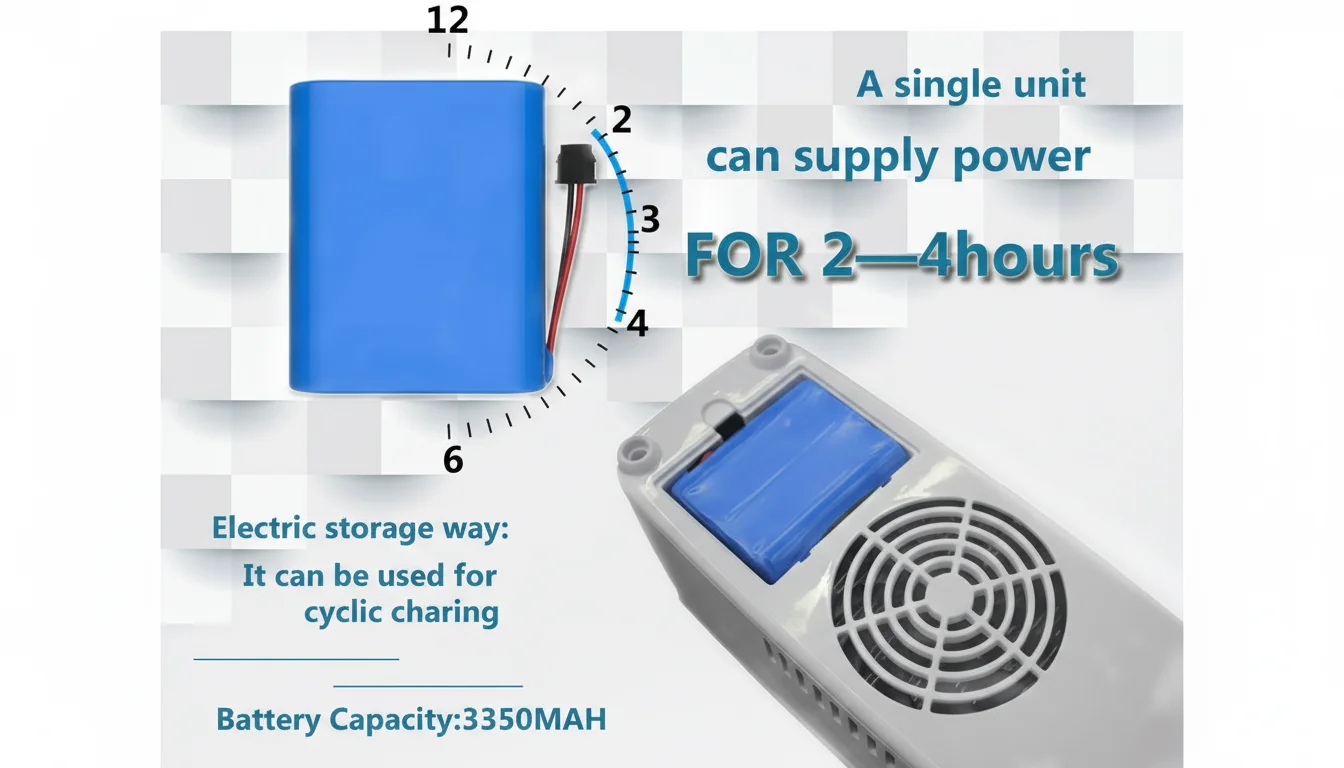
When grid power fails, the integrated battery activates instantly. It converts DC power to AC, maintaining stable temperatures and protecting critical medical supplies without interruption.
A power outage can be catastrophic for temperature-sensitive medical supplies like insulin. An integrated battery backup system acts as a failsafe, ensuring the cooling system never misses a beat. It’s not just about keeping the fridge running; it’s about providing a clean, stable power source that also protects the unit’s electronics when the grid comes back online.
| Key Function | How It Protects Your Medical Fridge |
|---|---|
| Instant Power Switching | The system detects grid power loss and automatically switches to the internal battery. This transition is nearly instantaneous—taking as little as 20 milliseconds—to prevent any temperature fluctuation. |
| DC-to-AC Inversion | An internal inverter converts the battery’s stored DC power into the AC power needed by the cooling components. This ensures uninterrupted operation of the entire system. |
| Built-in Surge Protection | When grid power is restored, it often comes with a voltage spike. The backup system shields sensitive electronics, like the PCB and cooling module, from this surge, ensuring long-term reliability. |
Expand Your Brand with Custom Mini Refrigerators

Alarm Systems: Does It Beep on Drift?
Medical refrigerators use active alarms for temperature drift. Consumer skincare fridges rely on physical design, like tight seals and insulation, to maintain stability without alerts.
How Advanced Alarms Monitor Temperature
In medical or laboratory settings, refrigerators can’t afford temperature drift. These specialized systems use active monitoring to ensure sensitive contents like vaccines or samples stay within a strict range. They are designed for immediate action and long-term compliance records.
- Multiple Alert Methods: Staff get notified through both audible beeps directly from the unit and electronic messages, like texts or emails.
- Drift Detection: The system identifies both rapid temperature drops from a failing compressor and slow warming trends caused by a deteriorating door seal.
- Compliance Logging: Every alert is documented with a timestamp, creating a clear audit log for regulatory bodies. This shows who acknowledged the alarm and when.
Stability Through a Tightly Sealed Design
Thermoelectric skincare fridges operate differently. They don’t have electronic alarms because their stability comes from physical design, not active monitoring. The goal is to passively maintain the cool temperature needed for cosmetic preservation. The focus is entirely on preventing outside air from getting in.
- Secure Door Seal: A “Snap-Lock Handle” creates a firm closure, ensuring the door stays tightly sealed against the unit.
- Minimized Air Leaks: The tight seal is critical for preventing warm ambient air from entering the cooled compartment, which is the primary cause of temperature fluctuations.
- High-Density Insulation: The unit’s CFC-free foam insulation works with the seal to trap cold air inside, maintaining a consistent internal environment.
Portability: Vacation Ready?
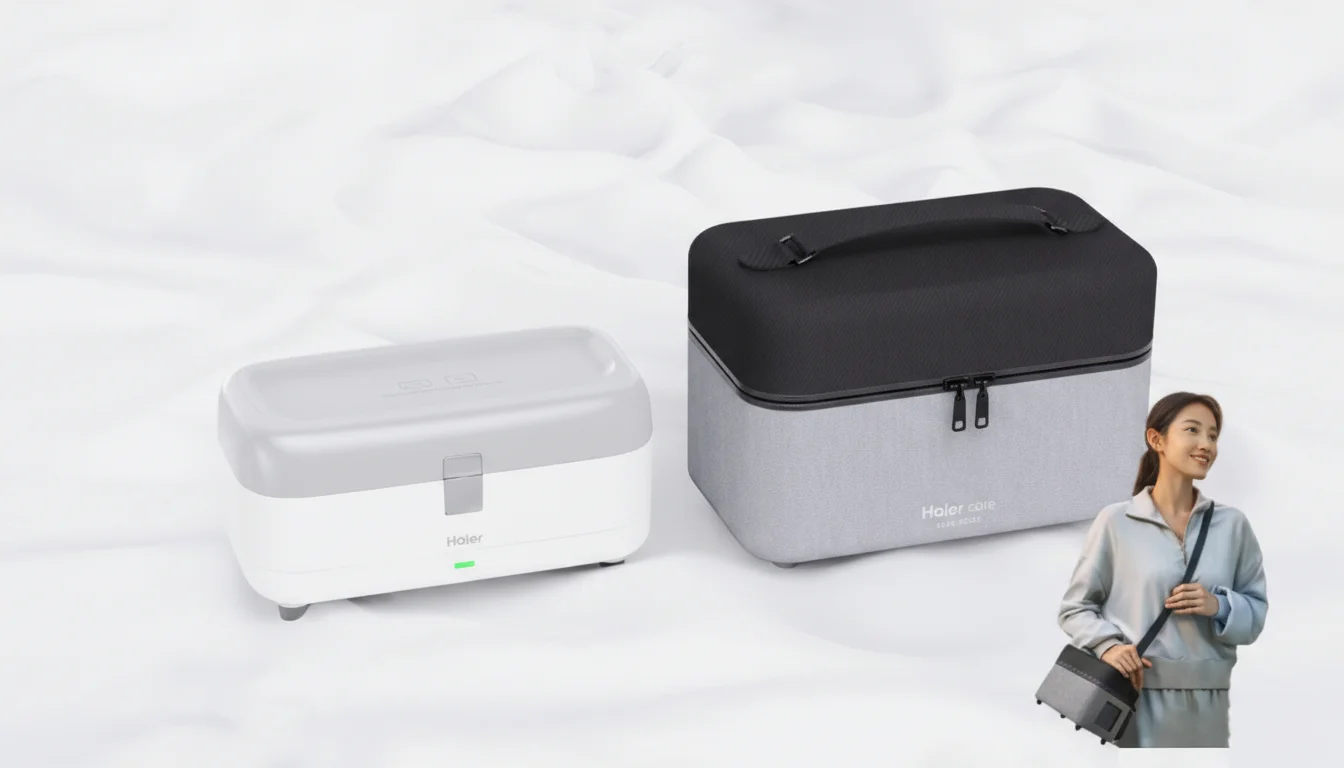
KelyLands fridges are built for travel with a lightweight design, a standard AC wall plug, and a 12V DC car adapter for use anywhere.
Power Flexibility for Any Location
True portability is about more than just size. It requires the ability to power the unit in different environments, from a hotel room to a moving vehicle. Without flexible power options, a “portable” fridge is just a small, insulated box once you’re on the road.
This consistency is critical for maintaining the cold chain for temperature-sensitive items. During transit, you need to ensure expensive skincare serums, organic creams, or certain medications stay within their effective temperature range, and that demands a reliable power source.
AC/DC Ready for Home and Car Use
We made sure our fridges are genuinely “AC/DC Ready.” Every unit ships with two separate power cords to cover both home and travel scenarios. There are no extra adapters to buy.
You get a standard AC power cord that plugs into any household wall outlet. You also get a 12V DC power cord that plugs directly into a car’s cigarette lighter. This setup provides seamless “Vanity to Vehicle” convenience, so you can move the fridge from your bedroom to your car without interruption.
Frequently Asked Questions
What are the requirements for temperature data logging and compliance?
Temperature data logging is essential for regulatory compliance. Logs must document the date, time, current temperature, min/max temperatures from the previous 24 hours, and the staff member’s initials for each check. Regulatory bodies require these records to be kept for at least two years. While manual logging is an option, automated digital systems are widely used for continuous monitoring, real-time alerts on temperature changes, and creating reliable audit trails.
Can a medical refrigerator’s internal battery provide 8+ hours of backup power?
A standard internal battery in a medical refrigerator typically provides 2-5 hours of backup power, not 8+ hours. Achieving a longer runtime requires connecting the unit to external battery packs or integrating it with a facility’s standby generator system.
What is the acceptable temperature fluctuation tolerance for a medical refrigerator?
Medical refrigerators must maintain a strict temperature range of 2°C to 8°C (36°F to 46°F). High-performance models are built to keep peak temperature variation under 6°C. Common causes for fluctuations include frequent door openings and poor insulation, but features like microprocessor controllers and high-density foam insulation help maintain stability and ensure rapid temperature recovery.
Do medical refrigerators have a door-open alarm?
Yes, an audible and visual door-open alarm is a standard safety feature in all professional medical refrigerators. The alarm activates after a set delay, usually 1 to 5 minutes, to alert staff that the door is not sealed, which helps prevent temperature-related spoilage.
Can I sell a medical device under my own brand name (white label)?
Yes, you can brand a medical device as a white-label product. This is possible if the original equipment manufacturer (OEM) has the necessary FDA clearance, such as a 510(k). Your company must also register with the FDA as a distributor, list the device under your brand, and have a formal quality agreement with the OEM.
Final Thoughts
Standard consumer coolers risk freezing insulin, creating liability for your facility. Our thermoelectric units are specifically designed to hold a stable 2-8°C, eliminating the risk of accidental freezing. This ensures medication integrity and protects your reputation.
Validate the stability and reliability for yourself. We recommend ordering a sample unit to test its performance under real-world conditions. Contact us to discuss your private label requirements and a trial order.

 English
  Español
  Français
  Deutsch
  Português do Brasil
  Русский
  한국어
한국어  日本語
日本語  العربية