 跳转到主要内容 跳转到页脚
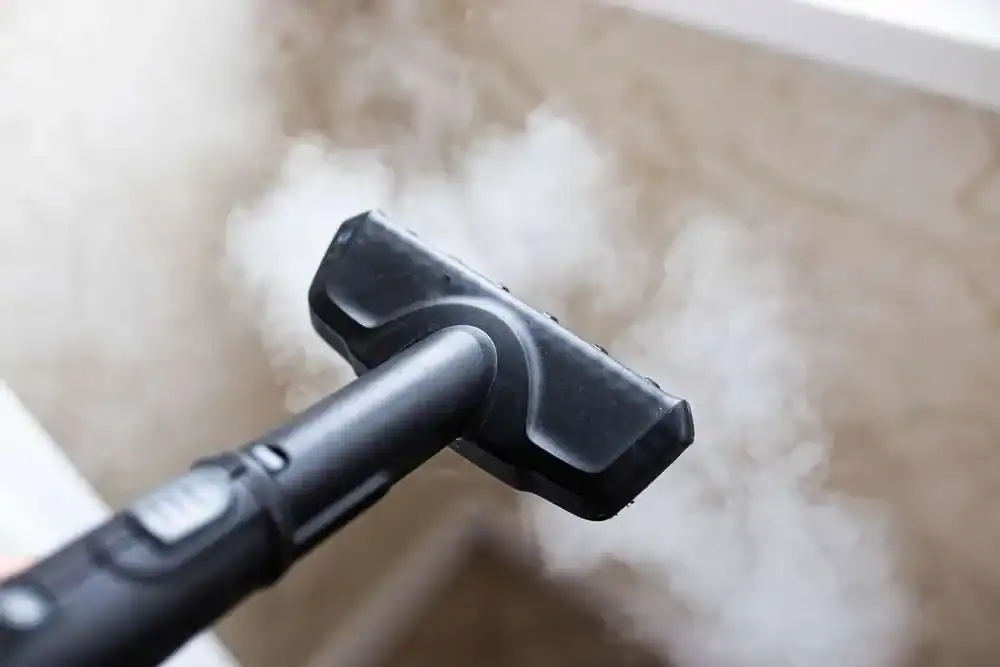
Facility managers often face the challenge of meeting strict hygiene standards without relying on aggressive chemical agents. Steam vacuum cleaners address this by using dry vapor to achieve a 3-log reduction in microorganisms, effectively killing 99.9% of pathogens on contact. These hybrid systems combine high-temperature sanitization with immediate suction, ensuring that liquefied grime is removed before it can resettle in floor pores or grout lines.
This guide looks at the engineering requirements for professional steam-vac equipment, including the difference between continuous-fill boilers and pressurized single-tank designs. We analyze hardware like the IPC SG-48, which delivers 8 bar steam pressure alongside 175 m³/h vacuum airflow for heavy-duty waste recovery. The following sections also detail the safety features, such as ASME-compliant relief valves, and the mechanical impact needed for effective grout restoration.
The “Kill 99.9%” Claim: Lab Validation for Steam
A 99.9% kill claim signifies a 3-log reduction in microorganisms, leaving only 1,000 survivors from a million-cell sample. In 2026, manufacturers substantiate these claims through independent laboratory testing, measuring thermal lethality against specific pathogens like E. coli and MRSA using standardized contact times and temperature thresholds.
| Log Reduction Metric | Percentage Reduction | Survivors per 1,000,000 Cells |
|---|---|---|
| 3-Log | 99.9% | 1,000 |
| 4-Log | 99.99% | 100 |
| 5-Log | 99.999% | 10 |
Log Reduction Metrics and Microbial Benchmarks
Standard microbiology conventions define a 99.9% reduction as a 3-log metric. While high-risk medical or industrial environments often require a 5-log or 99.999% validation, most residential and commercial steam systems target the 3-log threshold for daily sanitization. Steam equipment achieves these benchmarks through phase-change heat transfer. This physical process transfers thermal energy more efficiently than hot air or chemical biocides, disrupting microbial cell walls on contact.
Independent facilities like Microchem Laboratory design specific test protocols to confirm these claims. They use agar pour plate methods to count surviving colonies after steam exposure. Manufacturers typically validate their hardware against a specific battery of pathogens, including Escherichia coli, Staphylococcus aureus 6538, and Human Coronavirus 229E. These tests ensure the “99.9% kill” is a verifiable data point rather than a vague marketing estimate.
Laboratory Protocols and Thermal Exposure Variables
Testing organizations such as Japan Food Research Laboratories and ITEA Inc. conduct controlled exposure tests on various surfaces like wooden flooring and mattress pads. These tests demonstrate that temperature and dwell time are the primary drivers of microbial lethality. For instance, steam at 240°F (116°C) requires approximately 120 seconds of sustained contact to reach a 99.9% kill rate for certain resilient bacteria. But increasing the steam temperature to 293°F (145°C) can eradicate mold spores and bacteria within seconds due to the higher thermal energy levels.
Professional-grade systems utilize high pressure to maintain these critical temperatures at the point of contact. The BlueEvolution S+ operates at 8 bar (117 psi) pressure with 175°C dry vapor, which allows it to meet strict NSF and HACCP sanitization standards. By maintaining high tip temperatures and consistent pressure, these systems ensure the heat penetrates porous surfaces deeply enough to satisfy laboratory-validated kill counts. This technical approach allows for effective sanitization in critical food and healthcare environments without the use of supplemental chemicals.
Boiler Tech: Continuous Fill vs. Pressurized Tank
Continuous-fill systems use a secondary non-pressurized tank to feed the boiler, allowing for non-stop operation and stable pressure between 3 and 8 bar. In contrast, pressurized single-tank designs require the entire unit to cool down before refilling, trading operational efficiency for mechanical simplicity.
Continuous Fill Design and Constant Pressure Supply
Continuous-fill architecture separates the water reservoir from the heating chamber. An atmospheric-pressure supply tank feeds the sealed boiler through a dedicated pump or solenoid valve. This setup keeps internal boiler pressures stable between 3 and 8 bar, which translates to roughly 45 to 120 psig. Because the user-facing tank stays at zero pressure, operators add water at any point during operation. This design removes the need to shut down equipment during intensive cleaning cycles and keeps steam temperatures consistently above 230°F.
Decoupling the water supply from the pressure vessel ensures the system maintains a high thermal mass. When the pump injects small amounts of water into the boiler, the temperature drop is negligible compared to refilling a single large tank. This engineering approach follows the same logic as industrial hydronic systems where pressurization pumps maintain system integrity independently of the make-up water supply. It provides the high-temperature steam required for deep sanitation without the interruptions found in basic boiler designs.
Pressurized Single Tank Engineering and Safety Standards
Single-tank designs treat the entire water volume as a pressurized vessel. Since the reservoir itself holds pressure, users must vent the system and wait for it to cool before opening the cap to refill. While these units are simpler mechanically, they require strict adherence to safety standards. Even systems operating under 15 psig require relief valves and expansion capacity to comply with ASME Boiler and Pressure Vessel Codes. Water kept under pressure exceeds the standard 212°F boiling point, but output quality degrades if the tank volume drops too low, leading to potential pump cavitation or temperature fluctuations.
The physics of a closed pressure vessel dictate that any increase in pressure raises the boiling point of the water inside. This allows the system to generate more effective cleaning steam than an open kettle. For tile specialists and industrial users, the choice depends on the required duty cycle. Single-tank units suit short tasks where the user can afford a 20-minute cooling and reheating period, while continuous-fill systems serve applications that demand high boiler pressure and uninterrupted steam delivery across multiple shifts.
Vacuum Integration: Sucking Up the Sludge
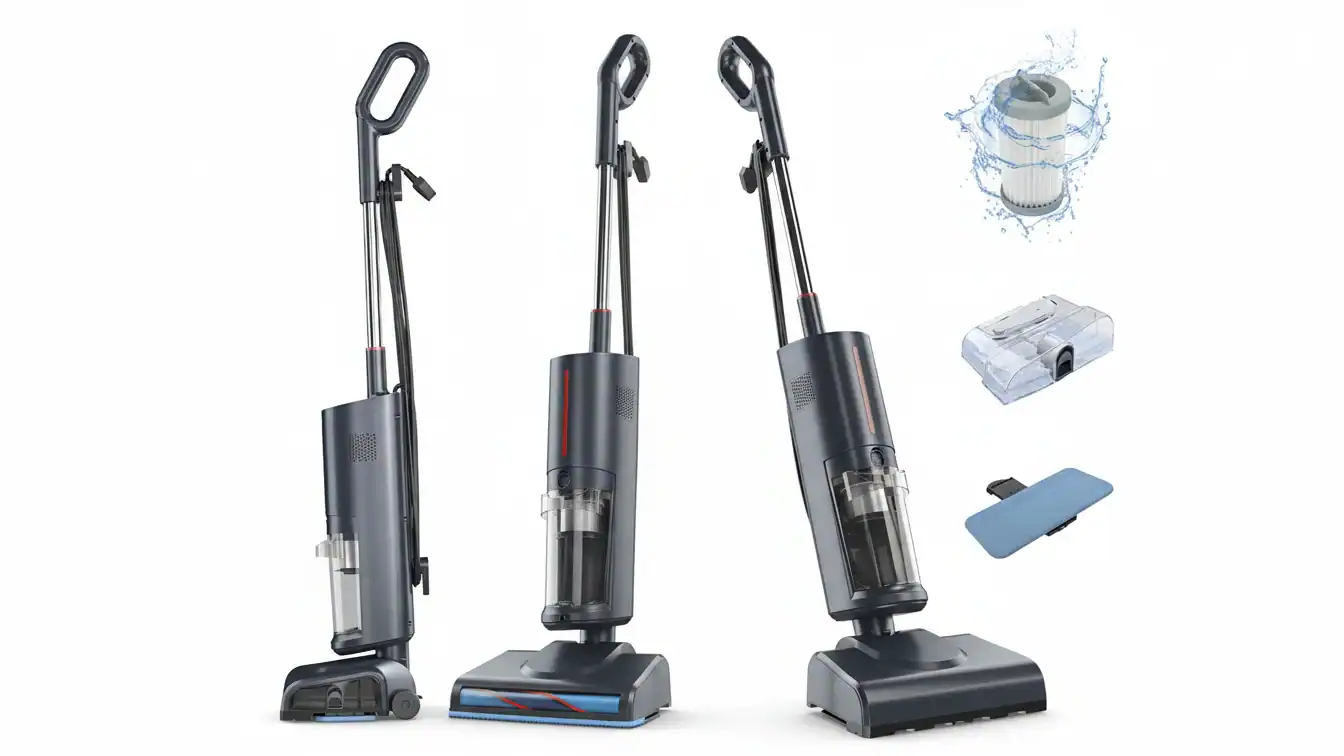
Vacuum integration combines high-pressure steam (up to 8 bar) with suction motors (reaching 175 m³/h) to liquefy and extract dirt simultaneously. This process eliminates manual wiping, uses dedicated tanks for containment, and employs multi-stage filtration to prevent airborne re-contamination during heavy-duty cleaning tasks.
| Equipment Model | Steam Pressure | Vacuum Airflow / Capacity |
|---|---|---|
| IPC SG-48 | 8 bar (800 kPa) | 175 m³/h / 13 L Bucket |
| Kärcher SGV 8/5 | 116 PSI | 1.3 Gal Dirty Water Tank |
| Steam Hero | 1700 W Boiler | 95 m³/h / 2.2 Gal Tank |
Simultaneous Steam and Suction Mechanics
Integrated systems use a single nozzle to deliver dry saturated steam at temperatures between 158°F and 343°F while active suction pulls emulsified sludge into a recovery tank. This immediate extraction prevents the liquefied grime from settling back into floor pores or grout lines. Professional models incorporate multi-stage HEPA filtration to trap coarse debris and microscopic particles, which ensures the exhaust air remains clean during wet pickup. Multi-function handles allow operators to toggle between steam, detergent, and vacuum power levels, providing the flexibility needed to adapt to different surface porosities and soil levels.
Performance Metrics for Industrial Extraction
Professional units like the IPC SG-48 utilize 8 bar steam pressure paired with 175 m³/h vacuum airflow for high-efficiency recovery of heavy waste. Recovery tanks typically hold 1.3 to 2.2 gallons in portable units, while industrial variants use 13 L buckets to manage large volumes of liquefied debris. AISI 304 stainless steel boilers support heating outputs of 3000 W, which maintains consistent pressure during continuous vacuum-assisted cycles. This engineering balance ensures that the machine provides enough suction to lift embedded sludge even when the steam jet is active at maximum capacity.
Scale Your Brand with Premium OEM Home Vacuum Solutions

Grout Cleaning: High-Pressure Nozzles
High-pressure nozzles for grout cleaning utilize concentrated mechanical impact to strip embedded soils from porous lines. By operating within a 700 to 1500 psi range, these tools deliver enough force to break bond lines while protecting the tile substrate, often incorporating rotary 0° jets for maximum agitation and efficiency.
Impact Physics and Rotational Jet Technology
Turbo and rotary nozzles use a 0° pinpoint jet that rotates between 3000 and 5000 rpm. This mechanical action provides aggressive cutting power across a wide cleaning path, stripping embedded soils and bio-films. Narrow spray angles ranging from 0° to 15° concentrate kinetic energy, which allows for effective soil removal while reducing overall water and detergent consumption. Professional tools like the Hydro-Force SX-12 employ rotary spray arms to ensure even impact distribution across uneven grout lines, preventing the streaks often seen with manual high-pressure wands.
Pressure Ratings and Material Specifications
Standard tile and grout cleaning equipment typically operates between 700 and 1500 psi. This range balances cleaning speed with the safety of stone or ceramic substrates. Manufacturers like Lechler use hardened stainless steel or carbide inserts for nozzle tips to withstand thermal cycles and abrasive particulates. Accurate orifice sizing, such as 040–045 tips for 160 bar systems, ensures the pump maintains the correct flow rate and impact energy for modern industrial standards. While most indoor applications stay under 1500 psi, industrial-grade nozzles support peak pressures up to 2900 psi for heavy-duty restoration of encrusted exterior surfaces.
Safety Features: Pressure Relief & Child Locks
Steam vacuum cleaners in 2026 utilize automated relief valves to maintain internal pressures between 10 and 150 psig while incorporating mechanical child locks to prevent accidental scalding. These systems ensure the boiler remains within safe thermodynamic limits and meets ANSI Z21.22 and ASME BPE safety standards for household and industrial use.
Automated Pressure and Vacuum Relief Mechanisms
Regulators like the C-CS manage outlet pressures between 10 and 75 psig (0.69-5.2 Barg) to maintain consistent and safe steam output. These components protect the system by ensuring the boiler does not exceed maximum inlet pressures of 150 psig. Vacuum relief valves provide a secondary layer of protection by triggering at 0.3 inch Hg (1 kPa) to admit air. This mechanism prevents the boiler tank from collapsing under negative pressure during cooling cycles or vacuum operations.
Steam vacuum systems often operate at approximately 87 PSI, requiring high-precision valves to handle the thermal load. Cyclone separators improve this safety circuit by providing 98% condensate efficiency. By removing liquid, the separators ensure the pressure relief system handles dry steam rather than water slugs, which can cause mechanical strain or erratic valve behavior. Precision reduction systems maintain accuracy within ±0.01 MPa to keep the vacuum steam process stable.
Mechanical Safety Locks and Material Standards
Mechanical trigger locks on the handle provide a physical barrier against accidental steam discharge. This safety feature prevents injuries in households and high-traffic commercial environments by requiring a deliberate secondary action to release steam. Manufacturers utilize 316L stainless steel for pressure-bearing components to meet ASME BPE 2012 SF4 standards. This material choice ensures durability and high resistance to corrosion, which is essential for maintaining the integrity of safety valves over years of service.
Safety components must comply with ANSI Z21.22 and CSA 4.4 certifications to guarantee performance under high-temperature steam conditions. Design engineers incorporate self-draining angle bodies and dual-guided plugs to prevent debris build-up within the valves. These design choices prevent mineral scale or particles from jamming a pressure relief valve in the closed position, ensuring the boiler can always vent excess pressure if the primary regulator fails.
Final Thoughts
Selecting a steam-vac hybrid involves matching boiler architecture and pressure ratings to the specific demands of the environment. Continuous-fill systems provide the steady heat needed for long shifts, while the addition of integrated suction removes the need for manual wiping. These machines use high-temperature dry vapor to break down microbial bonds and lift deep-seated grime without relying on harsh detergents.
Long-term utility rests on engineering quality, particularly in pressure regulation and material durability. Adopting hardware that meets ASME and ANSI safety standards ensures the system remains stable under high thermal loads. By combining thermal lethality with mechanical extraction, these hybrids offer a predictable way to maintain sanitization levels in hospitals, kitchens, and homes.
Frequently Asked Questions
Does the unit produce dry steam to prevent floor damage?
Professional steam vacuum cleaners generate dry steam with a low moisture content of approximately 5% to 10%. This allows for effective sanitization without saturating floors, making the process safe for various surfaces and significantly reducing drying times.
What is the standard boiler pressure rating for professional units?
Professional-grade steam vacuum cleaners typically operate at a boiler pressure of 6 to 8 bar, or roughly 116 psi. This high-pressure rating ensures the steam penetrates deep into tile grout and dislodges stubborn debris effectively.
Can the vacuum and steam functions run at the same time?
Most industrial models allow simultaneous steam and vacuum operation. This integrated function enables one-pass cleaning, where the steam loosens dirt and the vacuum immediately sucks up the sludge to leave the surface clean and dry.

 English
  Español
  Français
  Deutsch
  Português do Brasil
  Русский
  한국어
한국어  日本語
日本語  العربية