 跳转到主要内容 跳转到页脚

Scaling industrial energy systems from 1 kW to 50 MW requires achieving 98% system efficiency and a 10,000-cycle durability to offset an energy CAPEX that can reach 1,300 €/kWh. Maintaining these benchmarks hinges on moving away from fragmented, proprietary power sources toward universal power platforms that utilize standardized LiPF6 chemistry and intelligent BMS monitoring to mitigate the formation of SEI and CEI interfaces that compromise cell integrity.
This analysis evaluates the technical architecture of the RYOBI 18V ONE+ system against the proprietary pin configurations of DeWalt and Makita, while detailing the safety protocols required by UL 1973 and NFPA 855. You will learn how to leverage bare tool SKUs and 60V high-draw equipment to optimize inventory turnover and ensure a 20-year asset lifespan through predictive ohmic testing and standardized maintenance regimes.
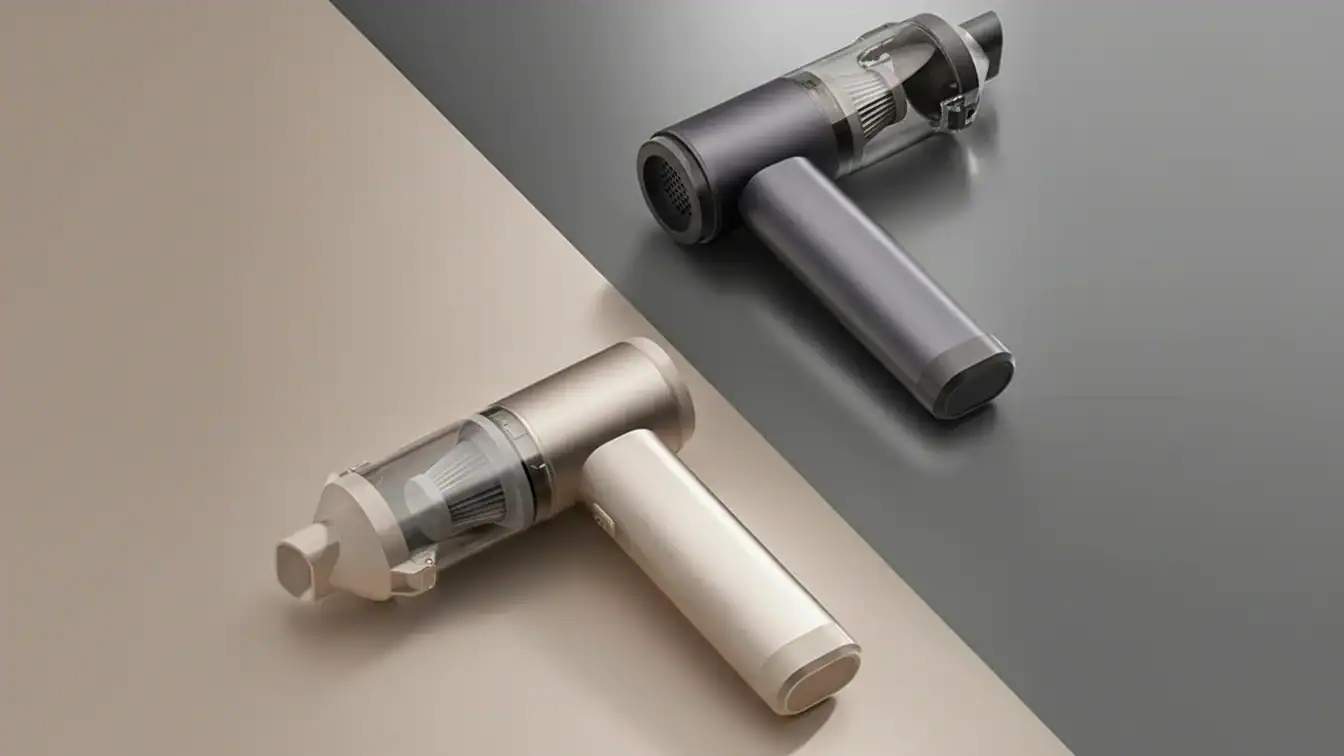
Understanding the “One Battery” Ecosystem
Standardized Li-ion platforms scale from 1 kW to 50 MW using LiPF6 chemistry and smart BMS to deliver 98% efficiency and 10,000-cycle durability for industrial applications.
Modular Architecture and BMS Interoperability
The ecosystem relies on modular scaling from individual cells to massive 10 MWh energy systems. Each unit uses carbon anodes and LiPF6 electrolyte to maintain chemical stability during rapid discharge cycles.
- Power Range: 1 kW to 50 MW.
- BMS Monitoring: Tracks apparent power (kVA/phase) and real power (kW) at 15-minute intervals.
- Data Modeling: Uses RDF-based formats and battery passports to log identity, weight, and carbon footprints.
- Interface Dynamics: AI-driven sensors monitor SEI and CEI formation to enable self-healing and mitigate dendrite growth.
Technical Performance and Safety Benchmarks
Operators use thermal management and power conversion systems (PCS) to hit 20-year durability targets. High efficiency ratings ensure minimal energy loss during the 10-minute to 4-hour discharge windows required by modern grids.
- Safety Standards: NFPA 855 for installations, UL 1642 for cells, and UL 1973 for modules.
- Efficiency: 90% to 98% system efficiency with energy densities of 120-180 Wh/kg.
- Cycle Life: 2,000 to 10,000 cycles depending on thermal management.
- Economic Targets: Energy CAPEX ranges from 700 to 1,300 €/kWh.
The Benefits of Platform Consistency for DIYers and Retailers
Standardized battery interfaces allow users to swap packs between 100+ tools while enabling retailers to reduce SKU complexity and increase inventory turnover for bare tools.
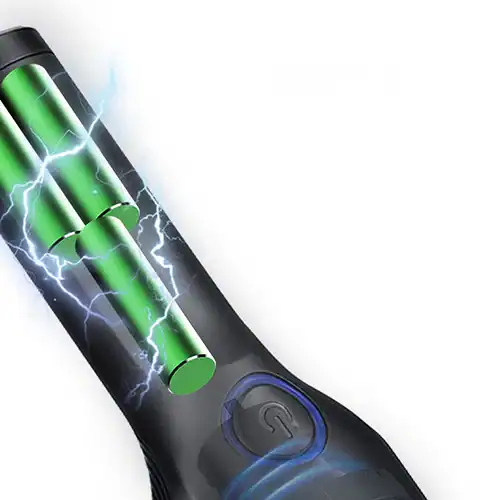
User Efficiency and Economic Value for DIYers
A unified battery interface removes the technical friction of managing multiple charging systems. Systems like the RYOBI 18V ONE+ utilize a single slide-type interface, allowing a single battery to power everything from drills to garden equipment. This interoperability ensures that a user’s investment in power does not become obsolete when they buy a new tool category.
- Capacity Range: 1.5 Ah to 9.0 Ah (providing 27 Wh to 162 Wh per pack).
- Efficiency: Typical Li-ion systems maintain 90-98% efficiency during discharge.
- Integrated Protection: Onboard BMS manages over-current, over-temperature, and deep-discharge.
- Energy Density: 120–180 Wh/kg for standard tool-grade lithium cells.
Embedded “intelligent communication” electronics allow these packs to adjust power output based on the tool’s specific torque and speed demands. This active management extends the cycle life into the hundreds of cycles, ensuring the battery survives through years of intermittent DIY use.
Retail Inventory Optimization and Standardized Supply Chain
Retailers use platform consistency to kill “dead stock.” By focusing on a few dominant voltage classes, stores can reduce the floor space dedicated to niche chargers and proprietary battery form factors. This concentrates capital on high-turnover SKUs that fit a broad range of products.
- Dominant Voltages: 12V, 18V, 20V max, and 40V max platforms.
- Safety Standards: IEC 62133, UL 1642 (cells), and UL 1973 (modules).
- Merchandising Strategy: High-attachment “bare tool” sales (tools sold without batteries).
Standardized interfaces simplify marketing and safety messaging. When a retailer anchors their catalog to a shared charging profile, they reduce customer confusion and return rates. This technical alignment ensures that every tool in the aisle meets consistent performance benchmarks under standard test regimes.
Leading Universal Power Platforms to Consider
Microsoft Power Platform manages software automation through Dataverse, while modular Lithium-ion systems scale physical power to 50 MW with 98% efficiency and 20-year durability.
| Category | Software Standard (Microsoft) | Hardware Standard (Li-ion) |
|---|---|---|
| Core Engine | Dataverse & Azure | BMS & Lithium Salts (LiPF6) |
| Capacity | 400+ Data Connectors | 1 kW to 50 MW / 10 MWh |
| Lifespan | Ongoing SaaS Updates | 2,000 – 10,000 Cycles |
| Compliance | Entra ID (RBAC / DLP) | NFPA 855 / UL 1973 |
Integrated Low-Code Components for Enterprise Utility
The Microsoft Power Platform stack integrates business analytics, application development, and workflow automation into a single interoperable environment. This modular model allows organizations to deploy services like Power BI and Power Automate at the departmental level before scaling to enterprise-wide solutions.
- Power BI: Centralizes business analytics and reporting.
- Power Apps: Facilitates custom application development for internal workflows.
- Power Pages: Builds secure, external-facing web portals.
- Copilot Studio: Configures AI-driven conversational interfaces and chatbots.
Physical power systems parallel this modularity. Modern lithium-ion configurations scale from small units to 50 MW systems. These hardware platforms use Battery Management Systems (BMS) to monitor real-time metrics including volts per phase at 15-minute intervals and ambient temperature hourly.
Technical Connectivity, Data Security, and Governance Standards
Dataverse serves as the core data platform for the software ecosystem. It provides a secure layer for managing business logic across all connected applications. Connectivity extends to 400+ data sources, including SAP, SharePoint, and SQL, using standardized connectors that eliminate the need for custom code.
- Efficiency: Hardware platforms maintain 90-98% energy efficiency.
- Energy Density: Systems typically range between 120-180 Wh/kg.
- Security Protocols: Azure Active Directory (Entra ID) and Data Loss Prevention (DLP) policies manage software access.
- Safety Standards: NFPA 855 and UL 1973 govern physical stationary energy storage installations.
AI-driven analysis now monitors critical hardware interfaces, such as SEI/CEI formation and dendrite growth. This data-first approach to physical maintenance extends life duration to 20 years, matching the long-term governance strategies outlined in the Power Platform Well-Architected Framework.
Scale Your Brand with High-Performance Home Vacuum Cleaners

Must-Have Tools to Add to Your Battery-Compatible Collection
Stick to one 18V/20V Li-ion ecosystem for core tools, adding 60V high-draw equipment and high-capacity packs for heavy-duty applications.
| Tool Category | Voltage Class | Optimal Capacity | Key Benefit |
|---|---|---|---|
| Precision/Compact | 12V | 1.5 – 2.0 Ah | Low weight for tight spaces |
| Core Maintenance | 18V / 20V MAX | 4.0 – 5.0 Ah | Primary jobsite backbone |
| Heavy Duty Cutting | 60V / FLEXVOLT | 6.0 – 12.0 Ah | Corded-equivalent power |
| Utility/Lifestyle | 18V / 20V MAX | 2.0 – 4.0 Ah | Extended platform versatility |
The efficiency of a battery collection depends on the voltage ecosystem and cell chemistry. While individual tools perform the work, the Battery Management System (BMS) and lithium-ion (Li-ion) pack architecture dictate the platform’s longevity and safety.
Core Technical Specifications
- Cell Chemistry: Lithium-ion (LiPF6 salts) with carbon anodes for high energy density (120-180 Wh/kg).
- Efficiency Rating: High-end platforms deliver 90-98% efficiency.
- Cycle Life: 2,000 to 10,000 cycles depending on thermal management and discharge rates.
- Safety Standards: NFPA 855 for installation, UL 1642 for cells, and UL 1973 for battery modules.
Smart BMS integration monitors state of charge and thermal thresholds in real-time. This prevents dendrite growth and self-heals critical interfaces to extend the 15-20 year durability typical of professional-grade systems. Using adapters to bridge brands often bypasses these communication protocols, risking motor damage or cell failure.
Expansion Priority
Start with 18V or 20V MAX impact drivers and drills. These tools handle 80% of general tasks. For high-draw applications like circular saws or SDS hammers, move to 60V systems. These packs auto-switch voltage to remain backwards compatible with your 20V core tools while providing the necessary current for heavy-duty work.
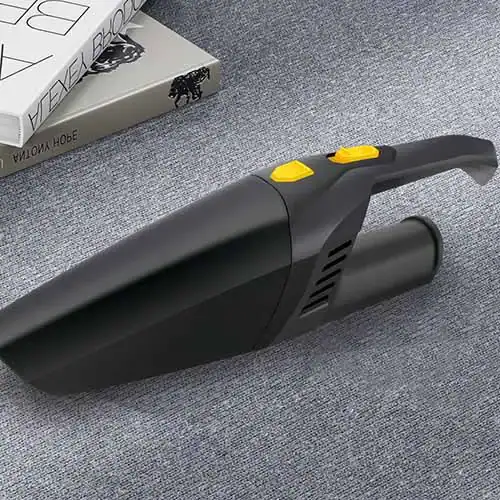
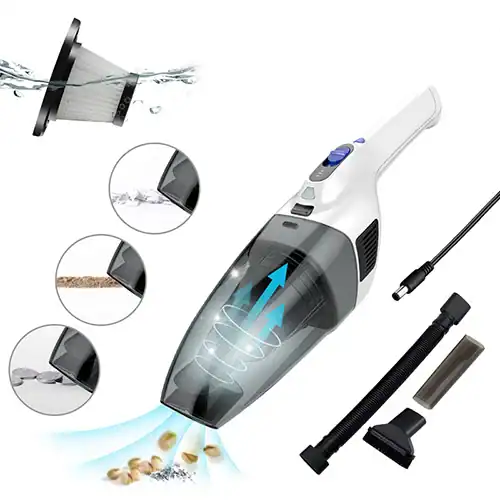
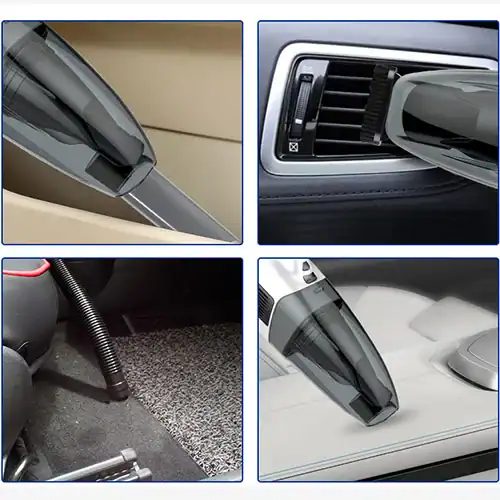
Utility accessories like digital air pumps and portable vacuums maximize the value of existing packs. These tools often have lower current draws, making them perfect for older 1.3Ah to 2.0Ah compact batteries that no longer provide the runtime needed for high-torque drilling or cutting.
How to Transition Your Workshop to a Single Platform
Unifying operations into a single platform requires a 5-step transition: strategic alignment, envisioning workshops, use-case identification, POC development, and roadmap scaling to eliminate fragmented data silos.
Organizations often struggle with fragmented processes that live in isolated spreadsheets or legacy tools. Moving these into a unified environment like the Power Platform requires a structured 5-step adoption process to ensure the new infrastructure actually meets business demands.
Strategic Alignment and the Envisioning Workshop
The transition begins with a 3-day envisioning workshop. This session serves as the technical foundation where teams conduct a gap analysis of current IT-managed environments and define the long-term scaling roadmap.
- Strategic Alignment: Defining business goals and technical constraints.
- Envisioning: Assessing infrastructure gaps during a formal 3-day review.
- Inspirational Use Cases: Identifying high-impact scenarios to demonstrate value.
- Expectation Management: Aligning stakeholder timelines with platform capabilities.
Technical Execution: POC Development and Component Integration
Technical implementation shifts from planning to validation through a Proof of Concept (POC). This phase tests the integration of low-code components and confirms that data flows correctly across the ecosystem without requiring deep API knowledge.
- Connectors: Over 1,000 out-of-the-box options for seamless data interaction.
- AI Builder: Deployment of entity extraction and object detection for automated tasks.
- Dataverse: Utilization of a centralized data service for secure, unified storage.
- Intermediate Training: 1-day sessions focusing on Power Fx formulas, screens, and SharePoint Online integration.
This approach avoids the risks of unmanaged “citizen development.” By using Dataverse and the Power Platform admin center, IT teams maintain governance while business users gain the agility to build custom apps and workflows.
Maintaining and Optimizing Your Battery Ecosystem Assets
Transition from reactive repairs to standardized protocols and predictive monitoring. Using precision testing and environmental controls extends asset life while mitigating catastrophic fire risks.
Standardized Maintenance Regimes and Inspection Protocols
Most operators treat batteries as “install and forget” hardware, which leads to premature degradation. High-reliability systems require specific cadences and precision instrumentation to detect the internal resistance changes that precede a total failure.
- FIST 3-6 Standards: This manual governs visual inspections, flame arresters, and connection integrity for stationary protection-critical assets.
- Precision Logging: Flooded lead-acid systems require quarterly float voltage checks at 0.01 V accuracy to enable effective trend analysis.
- NERC Compliance: Time-based maintenance programs are mandatory for qualifying facilities, though Reliability-Centered Maintenance (RCM) can justify adjusted intervals based on field data.
- Connectivity Checks: Routine surveys of cable-to-terminal connections and specific gravity ensure low-resistance paths and balanced charge states in VRLA and deep-cycle units.
Predictive Monitoring and Environmental Optimization
Telemetry has evolved beyond simple threshold alarms. Modern Battery Energy Storage System (BESS) management uses continuous ohmic testing and environmental monitoring to prevent thermal runaway, particularly in high-stress geographic locations.
- Ohmic Testing: Continuous monitoring of impedance and conductance reduces unnecessary site visits while preventing sudden DC plant failures.
- Fault Taxonomy: Mapping voltage spikes, temperature swings, and insulation status against a known fault library creates a predictive safety net against BESS fires.
- Environmental Controls: Compliance with IEC TS 62933-5-1 is critical for coastal or mountain sites where high humidity and temperature swings cause insulation damage.
- U.S. DOE Specs: Utility-scale contracts mandate annual performance reports and documented 3-day response times for maintenance during warranty periods.
Standardizing these protocols ensures batteries function as long-term infrastructure rather than expensive consumables. Effective optimization balances strict adherence to international safety standards with real-time data telemetry to maximize the 15-20 year life expectancy of modern lithium and lead-acid platforms.
Final Thoughts
Platform consistency—whether in software or hardware—slashes inventory costs and management friction. You trade the freedom to pick “best-of-breed” outliers for a seamless ecosystem that scales without technical debt.
Choose one primary 18V ecosystem and commit. Sell off non-compatible tools and transition to “bare tool” purchasing to concentrate your capital on high-capacity packs rather than redundant chargers.
Frequently Asked Questions
Are the battery footprints compatible with major power tool brands like DeWalt or Makita?
No. Major brands use proprietary footprints to enforce ecosystem exclusivity. DeWalt uses double-height B+/B- pins with six middle sockets, while Makita utilizes a specialized 7-pin connector. These configurations prevent direct cross-brand tool usage.
Are ‘Bare Tool’ SKUs available for these portable devices?
Yes. Bare tool SKUs include the tool body without batteries or chargers. This model allows professional users to leverage existing battery inventory across multiple devices, reducing redundant hardware costs.
What is the standard pin configuration for these battery interfaces?
Configurations differ by platform. A DeWalt 12V interface includes B+/B- pairs, C1/C2 cell taps, ID pins (~110Ω to B-), and a 10kΩ NTC thermistor. Makita 18V LXT platforms use a three-pin (+, TH, -) setup, often simulating the TH pin with a 1-1.5Ω resistor in aftermarket applications.

 English
  Español
  Français
  Deutsch
  Português do Brasil
  Русский
  한국어
한국어  日本語
日本語  العربية