 跳转到主要内容 跳转到页脚

In the fiercely competitive global market for vacuum cleaners, product certifications are indispensable gateways that determine both access and consumer trust. This article delivers a comprehensive overview of the essential certifications—CE, UL, RoHS, and Energy Labels—that empower vacuum cleaners to meet regulatory compliance and thrive across key markets including the EU, USA, and Asia. CE marking is mandatory for vacuum cleaners sold in the European Union, and UL 1017 ensures electrical safety in North America.
Global Certification Requirements for Vacuum Cleaners
Understanding and obtaining the right certifications is critical for vacuum cleaners to access and compete in international markets effectively.
CE Certification for Vacuum Cleaners
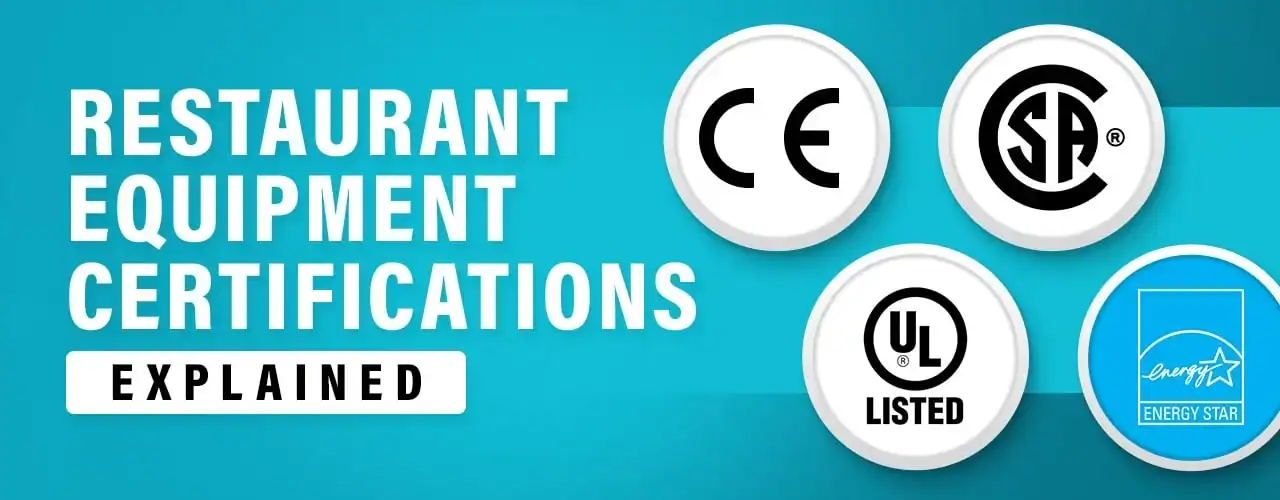
CE marking is an absolute requirement for vacuum cleaners sold within the European Union and EFTA countries. This mark serves as the manufacturer’s Declaration of Conformity, affirming that the product meets EU health, safety, and environmental protection directives. These include the Low Voltage Directive (LVD) and the Electromagnetic Compatibility (EMC) Directive.
For many products, manufacturers can perform a self-declaration for CE marking by assessing their product against the relevant harmonized standards. This process grants the product free distribution within the entire EU single market. It is critical, however, to maintain complete technical documentation, including Technical Files and the Declaration of Conformity, for market surveillance authorities.
UL Certification for Vacuum Cleaners
In North America, UL certification following the UL 1017 standard is the benchmark for electrical safety and performance. While technically voluntary, this safety certification is effectively mandatory for retailer acceptance and consumer confidence. It is a powerful trust signal that mitigates liability risk and reduces the chance of costly product recalls.
The process to achieve UL approval is rigorous, typically taking 6-12 weeks. It involves comprehensive product testing, factory audits, and mandates ongoing quarterly inspections. Manufacturers must provide detailed schematics and test reports to demonstrate compliance with stringent electrical safety regulations.
RoHS Compliance for Vacuum Cleaners
RoHS compliance restricts the use of ten hazardous substances in the electrical and electronic components of vacuum cleaners. This includes lead, mercury, cadmium, and specific phthalates. The directive is designed to minimize environmental and health risks throughout the product’s lifecycle, from manufacturing to disposal.
While often associated with CE marking in the EU, RoHS compliance is recognized as a critical requirement globally. Markets like the USA, China, and Korea have similar restrictions. Ensuring compliance requires thorough material declarations from suppliers and product testing, such as XRF spectroscopy, to verify substance concentration limits are not exceeded.
Energy Labels and Sustainability Declarations
Energy labels are mandatory for vacuum cleaners in the EU, providing consumers with standardized information on efficiency and consumption. These labels empower consumers to make informed purchasing decisions. They also push manufacturers to innovate and develop more energy-efficient appliances.
Compliance involves laboratory testing per EU harmonized standards to measure power consumption and efficiency ratings. This certification aligns with broader EU sustainability initiatives, reducing the environmental footprint of appliances. It also serves as a direct competitive advantage for brands in an increasingly eco-conscious market.
Powerful, Portable Car Vacuum Cleaners
Keep your vehicle spotless with KelyLands’ compact vacuums featuring strong suction up to 13,000Pa, versatile attachments, and quiet operation. Choose from cordless rechargeable or 12V plug-in models with customizable designs built to meet global standards.

Enhancing Market Competitiveness through Compliance and Innovation
Beyond basic certification, integrated quality management, customization, and supply reliability strengthen brand reputation and customer retention.
Quality Management and Factory Certifications
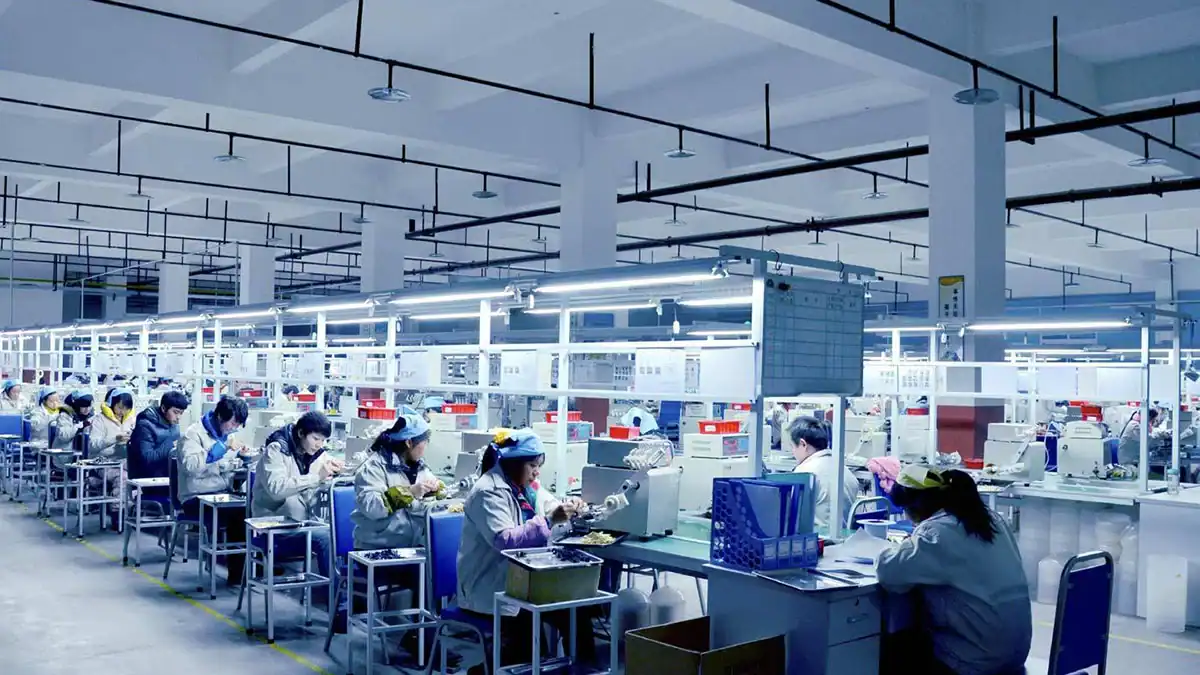
Factory certifications like ISO 9001:2015 and social compliance audits (e.g., BSCI) provide a critical foundation for quality. These systems ensure that rigorous quality control measures, such as a triple inspection process and 100% functional testing, are consistently applied. This meticulous approach minimizes defects and significantly reduces after-sales costs and product returns.
For large retail buyers, proven production scale is non-negotiable. A capacity of over 500,000 units annually demonstrates the ability to meet peak demand seasons. Third-party audits from bodies like TÜV Rheinland further enhance purchaser confidence by providing an unbiased verification of manufacturing integrity and compliance pedigree.
Customization and OEM/ODM Capabilities
Extensive OEM and ODM services allow for rapid adaptation to specific market trends and consumer demands. Partners can customize everything from color and logo imprinting to product features and packaging. This flexibility is key to differentiation, especially for lifestyle and tech-savvy end-users.
A commitment to consistent R&D, often launching over 10 new products per year, guarantees a fresh and competitive catalog. Strict confidentiality agreements and intellectual property protections reassure partners that their custom designs and brand identity are secure, fostering a collaborative and trusting business relationship.
Strategic Supply Chain and Logistics Support
Supply chain reliability is paramount for large distributors and retail chains. Scalable production facilities and warehousing, capable of holding finished goods, ensure volume consistency and on-time delivery. This operational stability is a core component of a turnkey solution for buyers.
Optimized packaging solutions are also crucial, as they reduce transport costs and facilitate sales through ecommerce channels like Amazon. Flexible MOQ policies, which can start as low as 50 units for standard models, lower the entry barrier for small and medium resellers looking to test the market without significant upfront investment.
Tailored certification messaging aligned to customer profiles unlocks market potential across European distributors, ecommerce brands, lifestyle players, and large retailers.
European Distributors and Retail Chains
This segment prioritizes comprehensive certifications (CE, RoHS, UKCA) as primary risk mitigators. Your messaging must emphasize capacity for mass production, stable quality, and readily available, traceable compliance documentation. Position your vacuum cleaners as turnkey solutions with reliable supply and extensive customization options.
Proactive engagement is key. Be prepared to transparently share all certificates and factory audit reports like BSCI or TÜV Rheinland. Highlighting a robust after-sales infrastructure that minimizes returns and warranty claims will directly address their concerns about total cost of ownership.
North American Ecommerce Brands
Ecommerce sellers expect minimal entry investment, fast turnaround, and strong online-ready marketing assets like high-quality images and videos. They value Kelylands’ low MOQ and operational agility, which facilitate a quick time-to-market. Beyond UL 1017 compliance, focus on impactful features like high suction power and multi-function tools, which are key selling points for online listings, and offer guidance on packaging for FBA logistics.
Home Lifestyle and Premium Brands
Premium lifestyle players seek design innovation, superior usability, and strong environmental credentials. Frame your certifications within the context of sustainability (RoHS, Energy Labels) and a quality-driven user experience, such as quietness and ergonomic design. This aligns with their brand values and customer expectations.
Showcase OEM/ODM collaboration capabilities on aesthetics, material selection (e.g., durable ABS/PC plastics), and eco-friendly packaging. Leverage advanced features like smart pressure controls to appeal to discerning consumers. Always reinforce your commitment to protecting brand IP through strict NDA agreements.
Large Supermarket and Mass Retail Buyers
Large retail customers insist on proven production scale, supply chain security, and a documented certification pedigree. Your presentation must be data-driven, clearly outlining monthly production capacity, multiple certification compliances, and the specifics of your quality control processes.
Focus on how your operations reduce their total cost of ownership through defect-free products and minimal after-sales issues. Emphasize logistical capabilities with professional warehousing and retail-ready packing. Demonstrate readiness for seasonal surges with scalable output and pre-negotiated shipping schedules.
Frequently Asked Questions
What are the mandatory certifications for vacuum cleaners to enter the European market?
Vacuum cleaners require CE marking, which signifies compliance with the Low Voltage and EMC directives. They also need RoHS compliance to restrict hazardous substances. Finally, an Energy Label is mandatory to provide consumers with clear information on the appliance’s efficiency.
How does UL certification benefit vacuum cleaner products in the North American market?
UL certification validates electrical safety under the UL 1017 standard. This enables acceptance by major retailers, satisfies insurance providers, builds consumer confidence, and significantly reduces liability risk.
Why is RoHS compliance critical for vacuum cleaners sold globally?
RoHS compliance limits toxic substances like lead and mercury. This ensures environmental safety, meets legal requirements in many regions, and aligns with the sustainability goals of modern brands and consumers.
Can vacuum cleaners be sold in the UK without UKCA marking after Brexit?
UKCA marking is now required for goods sold in Great Britain, replacing the CE mark for many products. Manufacturers must verify the applicable regulations as transitional arrangements may still be in effect for certain goods.
What should retailers look for to ensure product quality and reduce after-sales costs?
Retailers must verify certification authenticity and robust factory quality management systems like ISO 9001. They should also scrutinize testing procedures, demand proof of 100% functional tests, and assess the supplier’s overall supply chain practices.

 English
  Español
  Français
  Deutsch
  Português do Brasil
  Русский
  한국어
한국어  日本語
日本語  العربية