 跳转到主要内容 跳转到页脚

Vacuum cleaners, essential household and industrial appliances globally, must meet stringent certification standards to ensure safety, environmental responsibility, and market access. This article thoroughly examines the critical global electronics export certifications for vacuum cleaners—CE, UL, RoHS, and Energy Labels—that manufacturers and exporters must secure to penetrate and thrive in major markets including Europe, North America, and Asia. Product certifications are essential prerequisites for legal market access and consumer trust, dramatically impacting global vacuum cleaner market growth.
Essential Certifications for Vacuum Cleaners: A Global Overview
Vacuum cleaner manufacturers must obtain key certifications for small appliances such as CE, UL, RoHS, and Energy labels to comply with distinct international regulations and ensure market access.
CE Marking Certification
CE marking is legally mandatory for vacuum cleaners sold in the European Union and European Economic Area, signifying conformity with EU safety, health, and environmental protection legislation. This mark facilitates free product circulation within all EU markets and involves compliance with several directives relevant to vacuum products, including the Machinery Directive, Low Voltage Directive, and Electromagnetic Compatibility Directive. The process requires creating extensive technical documentation, a formal Declaration of Conformity, risk assessments, and for certain higher-risk product categories, involvement from a Notified Body.
RoHS Directive compliance is fully integrated within the CE marking framework.
| Requirement | Description |
|---|---|
| Applicable Directives | Machinery Directive, Low Voltage Directive, EMC Directive, RoHS Directive |
| Technical File | Detailed documentation proving compliance with all directives |
| Declaration of Conformity | Mandatory declaration by manufacturer affirming product compliance |
| Notified Body Involvement | Required for certain high-risk products and modules |
| Marking | Visible CE mark on product and packaging according to regulation |
UL Certification for North American Markets
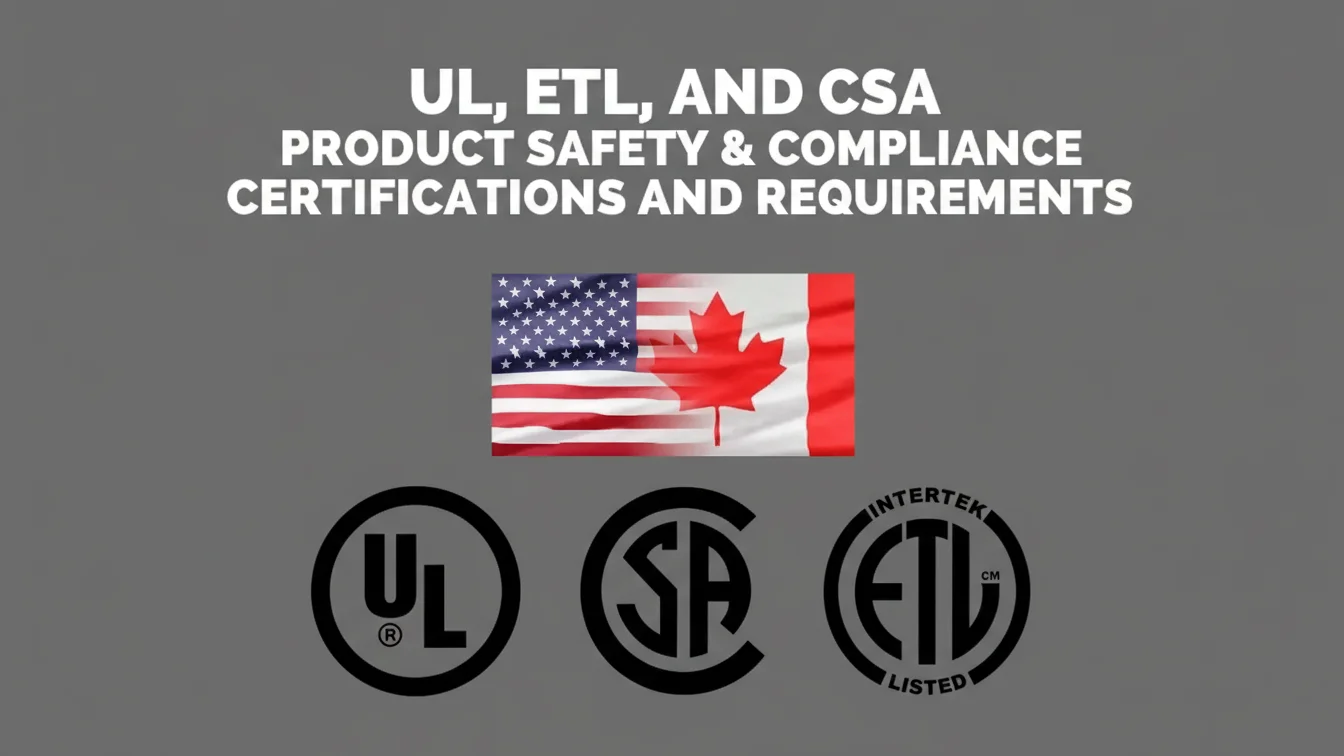
UL (Underwriters Laboratories) certification is the recognized safety mark for the US and Canadian markets. This validation involves rigorous product testing and periodic factory inspections. The UL mark symbolizes compliance with critical electrical safety and fire hazard standards.
This certification is a prerequisite for regulatory acceptance and insurance underwriting. It minimizes legal and commercial risks for manufacturers. The UL family of companies delivers these services through specific certification bodies.
| Scheme | Scope | Certification Validity |
|---|---|---|
| UL Listing | Full product safety compliance | Requires continuous factory inspections; typically renewed annually |
| UL Recognition | Component-level safety certification | Variable based on component |
| UL Classification | Limited evaluation focusing on particular hazards | Dependent on evaluation scope |
| AECO | Elevators and escalator-related components | Dependent on product |
| Functional Safety | Safety-related components and systems | 3-5 years with surveillance |
RoHS Compliance
The Restriction of Hazardous Substances (RoHS) restricts ten hazardous materials in electrical equipment. This includes vacuum cleaners sold in the European Union. The directive limits substances like lead, mercury, cadmium, and specific phthalates.
The maximum concentration for most substances is 0.1% by weight in homogeneous materials. Cadmium has a stricter limit of 0.01%. Compliance is integrated within the broader CE marking process and is not a separate certification.
Manufacturers must conduct material assessments and maintain supplier declarations. For details on RoHS test items, non-compliance risks shipment refusal, significant penalties, and reputational damage. Many global regions have now adopted similar regulations inspired by EU RoHS.
| Substance | Chemical Symbol | Max Concentration (%) |
|---|---|---|
| Lead | Pb | 0.1 |
| Mercury | Hg | 0.1 |
| Cadmium | Cd | 0.01 |
| Hexavalent Chromium | Cr6+ | 0.1 |
| PBBs (Polybrominated Biphenyls) | PBB | 0.1 |
| PBDEs (Polybrominated Diphenyl Ethers) | PBDE | 0.1 |
| Bis(2-Ethylhexyl) Phthalate | DEHP | 0.1 |
| Benzyl Butyl Phthalate | BBP | 0.1 |
| Dibutyl Phthalate | DBP | 0.1 |
| Diisobutyl Phthalate | DIBP | 0.1 |
Energy Labels and Environmental Certifications
Energy labels provide consumers with transparent data on power consumption and efficiency. These labels significantly influence purchasing decisions in competitive markets. Compliance is often mandatory across multiple jurisdictions.
Schemes like ENERGY STAR in the US and the EU Energy Label promote environmental responsibility. They require periodic verification testing and adherence to strict performance thresholds. These certifications contribute to broader sustainability goals.
| Region | Certification/Label | Key Features |
|---|---|---|
| United States | ENERGY STAR | Voluntary program; minimum efficiency standards; periodic verification |
| European Union | EU Energy Label | Mandatory labeling; scale from A+++ to G; periodic market surveillance |
| Canada | EnerGuide | Mandatory performance labeling; aligns with ENERGY STAR |
| Asia (e.g., China, Singapore) | Various national energy labels | Mandatory or voluntary depending on country; efficiency tiers |
Compliance Strategies for Export Success
Adhering to global certifications and developing robust quality and supply chain systems are vital for vacuum cleaner suppliers seeking international growth and navigating global trade compliance.
Integrated Quality Systems and Factory Certifications
Supporting quality management certifications like ISO 9001 and environment-focused ISO 14001 underpin product quality, manufacturing consistency, and sustainability efforts. Factory audits including SGS, BSCI, and TÜV Rheinland ensure ongoing compliance. These systems reduce operational risks throughout the supply chain. Product-level certifications alone are insufficient for large-scale production. Implementing rigorous quality assurance protocols is essential. This includes triple testing and 100% functional inspections to minimize failure rates.
Documenting all certification and audit results builds trust with international buyers. This transparency facilitates long-term partnerships and business growth. It demonstrates a serious commitment to quality and compliance.
Navigating Regulatory Variations Across Regions
Understanding diverse regional requirements is crucial for global exporters. This includes UKCA marking post-Brexit and Gulf region schemes like SASO Saleem. Asian markets have their own specific mandates that require attention.
Engagement with recognized Certification Bodies facilitates smoother market entry. These partners provide valuable guidance on local regulations. They help navigate complex compliance landscapes efficiently.
Addressing labeling and packaging requirements prevents customs clearance delays. Investing in compliance management tools strengthens preparedness against regulatory changes. Legal experts help manage risks in volatile geopolitical environments.
Advancing Product Innovation and Customization
OEMs benefit from offering customization in vacuum designs targeting distinct market niches. This includes variations in power options, noise levels, and modular accessories. Customization addresses specific regional preferences and requirements.
Investing in R&D and robust intellectual property protections enhances market competitiveness. Co-developing products with key clients accelerates adoption and differentiation. This collaborative approach ensures market relevance.
Sustainability-driven innovation matches evolving consumer preferences. Energy-efficient motors and biodegradable components represent forward-thinking design. Maintaining production flexibility accommodates various buyer profiles and order quantities.
Portable Car Vacuums with Powerful Suction
Keep your vehicle clean anywhere with KelyLands’ lightweight, quiet, and easy-to-carry vacuum cleaners. Featuring up to 19,000Pa suction, multi-tool attachments, and customizable options, our vacuums are designed for every cleaning challenge. Explore tailored OEM services backed by strict quality standards and global certifications.

Market Access and Risk Management Through Certifications
Strategic certifications not only enable market entry but also mitigate financial and operational risks associated with compliance failures.
Risk Mitigation Through Compliance
Non-compliance can result in product bans, substantial fines, and costly recalls. These incidents cause significant reputational damage that’s difficult to repair. Certifications like UL and CE act as insurance enablers for manufacturers.
Robust traceability protocols facilitate rapid response to defect events. This aligns with certification audit expectations and requirements. Continuous monitoring helps avoid certificate suspension or withdrawal.
Integrating compliance data into supply chain ecosystems reduces exposure risks. It prevents counterfeit and substandard components from entering production. This comprehensive approach protects brand integrity and market position.
Driving Consumer Confidence and Sales
Certification marks like CE and UL are recognized signals of product safety. Consumers and retailers trust these symbols of quality assurance. This trust directly translates into increased sales and market share.
Energy efficiency labels significantly influence consumer purchase decisions. Products with better ratings often command premium pricing in competitive markets. Retailers frequently give preferred shelf positioning to certified products.
Transparent environmental and safety certifications boost brand image. They align with growing consumer sustainability trends and preferences. Post-sale assurance programs referencing certifications reduce return rates and foster loyalty.

Best Practices for Ensuring Product Safety and Standards
Achievement of product safety along with compliance to standards is our global strategy regarding wet dry vacuum cleaners. The market for vacuum cleaners is predicted to reach $17 billion by 2024, making this profitable business for exporters. However, this good business would require the meeting of various safety regulations and standards pertaining to different regions by the manufacturers. For instance, the International Electrotechnical Commission (IEC) has set important safety requirements to be satisfied by the electrical appliances. Implications include better marketing value and avoidance of recalls and litigation.
The CE mark in European Union countries indicates that an appliance meets health and safety legislation-in most instances power-driven appliances like vacuum cleaners. A report recently released by Statista indicated that vacuum cleaners in Europe represented up to 40% of the global market in 2022. CE compliance by easy access to this big market shows how important understanding local regulations is before exporting.
Moreover, safety would increase consumer confidence. An American National Standards Institute (ANSI) report states that products meeting recognized standards of safety generally do well in the market. For exporters, this means spending much on developing processes for quality control and certification. Put simply, product safety and adherence to regional standards will boost exporters’ chances of success and assure future growth in an increasingly competitive global market.
Leveraging Technology for Efficient Trade Compliance
The crucial importance of navigating the complexities of global trade compliance is growing by the day, particularly for industries like wet and dry vacuum cleaners. The extent to which technology can intervene is a deciding factor in effecting compliance with international laws and regulations efficiently and effectively. With increasing geopolitical confrontations and changing trade policies, businesses must leverage modern-day digital solutions to mitigate compliance risks, fast-track customs clearance, and enhance supply chain visibility.
Recent warnings from U.S. officials have drawn attention to the need for identifying and mitigating compliance risks in international trade. Financial institutions are being cautioned to be aware and to adjust quickly to the changing regulatory environment. Technology-enabled compliance solution tools can assist organizations in automating reporting procedures, documenting processes comprehensively, and supporting decision-making with evidence to reduce the risk of costly exports, thereby averting any chance of violating export control regulations.
Moreover, as competitiveness now strides the market, companies should use data analytics and machine learning to forecast regulatory changes and analyze their impact. Such proactive measures not only enhance compliance but also enable organizations to tap on opportunities in these growing markets. Technology in trade compliance changes the challenge into a competitive advantage, thereby positioning the business to thrive during global upheavals and increasing scrutiny.
Strategies to Enhance Export Success in the Cleaning Industry
If any export successes are to be generated in the cleaning industry, such companies must strategize according to the local market situation and international market dynamics. Exporting as a process is one of the best ways for entering new markets. By means of exporting, foreign customers can be reached who buy these products (e.g., wet-dry vacuum cleaners). On the other hand, a good export strategy can be a means of finding new markets, earning revenue, and advertising a name. Companies must conduct extensive market research to identify demand for their products, competitive pricing, and efficient channels of distribution.
Promoting cleaning industry products in regions like India would require localized marketing strategies, which will vary given the peculiarities of consumer behavior and preferences. Digital marketing and local partnerships are some of the ways to enhance visibility and engagement. Eco-friendly packaging and waste reduction are also sustainable practices that appeal to the environmentally conscious consumer, thus fostering brand loyalty and export success. When interlinked, these strategies tilt the balance in favor of the business as it will be put ahead in a competitive global landscape; thereby creating new growth opportunities for the cleaning industry.
Frequently Asked Questions
What certifications are mandatory for vacuum cleaners exported to the European Union?
CE marking is legally mandatory, indicating compliance with EU safety, health, and environmental standards. This includes embedded RoHS compliance restricting hazardous substances. Energy labeling is also required, providing consumers with efficiency information.
How does UL certification benefit vacuum cleaner manufacturers targeting the North American market?
UL certification verifies product safety against North American standards through rigorous testing and factory inspections. The UL mark facilitates regulatory acceptance and satisfies insurance requirements. It reduces commercial risks and enhances market access.
What are the restricted substances under RoHS and their impact on vacuum cleaner manufacturing?
RoHS restricts ten substances including lead, mercury, cadmium, and specific phthalates. Most have a 0.1% concentration limit, while cadmium is limited to 0.01%. Manufacturers must conduct material assessments and maintain supplier documentation to ensure compliance.
Can energy efficiency labels influence the sales of vacuum cleaners internationally?
Yes, energy labels significantly impact consumer purchasing decisions and regulatory compliance. Programs like ENERGY STAR and EU Energy Label provide transparent efficiency data. Products with better ratings often achieve higher sales and premium pricing.
What strategies should manufacturers adopt to ensure continuous global certification compliance?
Implement integrated quality management systems like ISO 9001 and conduct regular supplier audits. Maintain responsive labeling practices and leverage certification bodies’ expertise. Continuous regulatory monitoring ensures preparedness for changing requirements.

 English
  Español
  Français
  Deutsch
  Português do Brasil
  Русский
  한국어
한국어  日本語
日本語  العربية