 跳转到主要内容 跳转到页脚

In 2026, vacuum cleaner suppliers face a rapidly evolving market, with technological advancements and rising consumer expectations shaping the industry. Navigating compliance issues, innovating product ranges, and securing reliable logistics are critical, making the choice of the right supplier more important than ever.
For European appliance distributors, the pressure to meet stringent regulatory requirements, provide excellent after-sales service, and stay ahead of market trends demands a careful, strategic approach. This article provides a practical framework for sourcing and evaluating vacuum cleaner suppliers. It focuses on the key factors that ensure your procurement decisions are both informed and future-proof.
Key Insights from Vacuum Supplier Evaluation
- Ensure suppliers meet EU standards and have proven manufacturing capabilities to avoid supply chain disruptions.
- Prioritize partnerships with manufacturers offering low MOQ and strong after-sales support to reduce risk and ensure scalability.
The Importance of Sourcing the Right Vacuum Cleaner Supplier in 2026
Sourcing the right vacuum cleaner supplier in 2026 is about more than just the lowest price; it’s about building a partnership for long-term value. An effective evaluation directly impacts profitability. It slashes defect rates, minimizes warranty claims, and ensures compliance with essential standards like CE and RoHS. Distributors choosing suppliers with strong quality management and transparent operations gain a significant advantage through fewer disruptions, smoother logistics, and greater end-consumer brand trust.
Beyond cost control, strategic supplier sourcing enables crucial market differentiation. Suppliers offering innovation capabilities—such as advanced battery technology, smart home integration, or sustainable materials—help distributors meet evolving consumer demands. Evaluating a potential partner’s R&D strength, production capacity for new designs, and communication efficiency helps secure consistent quality. It also unlocks competitive advantages in product performance, creating a clear path to increased market share and customer satisfaction.
Global Supply Chain Dynamics
In 2026, primary manufacturing hubs for vacuum cleaners remain centered in Asia, with China leading in volume, Vietnam rising as a key “China plus one” alternative, and Thailand specializing in certain components. High-end, specialized models often originate from European countries like Germany, known for precision engineering. This globalized landscape, however, exposes businesses to risks including geopolitical instability, fluctuating tariffs, and logistical bottlenecks that can disrupt production and inflate costs.
To mitigate these risks, businesses must diversify their supplier base. For example, a mid-sized German appliance distributor, ‘HausTechnik GmbH,’ faced significant delays from their primary supplier in Shenzhen due to regional lockdowns. Having already qualified a secondary manufacturer in Vietnam, they shifted 40% of their production order with minimal disruption, saving their spring product launch. This dual-sourcing strategy demonstrates how geographic diversification is a practical risk mitigation tool, while transparent sourcing provides the visibility needed to anticipate delays and act proactively.
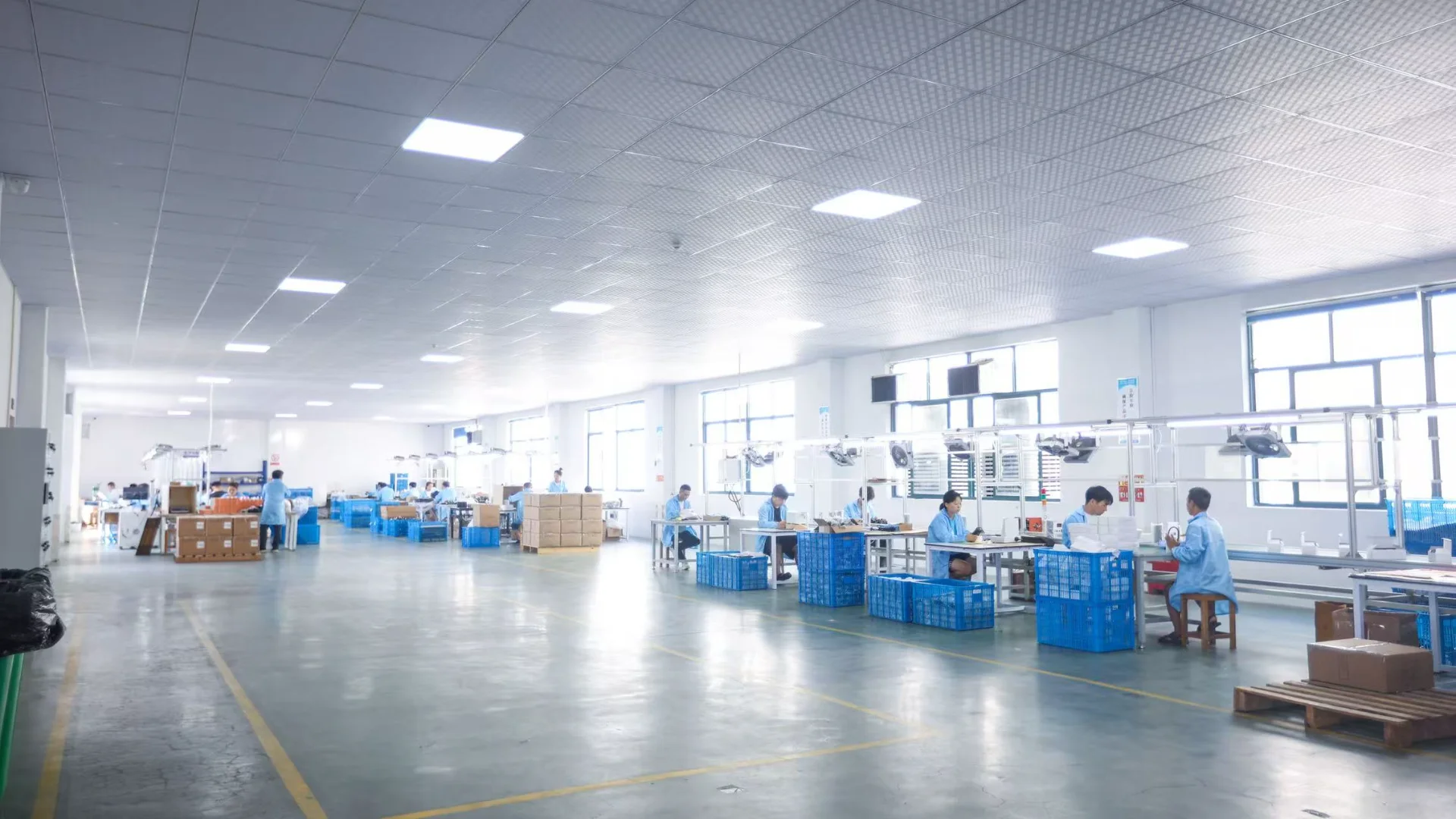
Evaluating Supplier Quality Control (QC) Systems
When sourcing vacuum cleaners, a thorough evaluation of a supplier’s Quality Control (QC) systems is essential for product durability and performance. In 2026, advanced QC metrics such as failure rate tolerances, batch consistency analysis, and third-party testing reports are vital indicators of a supplier’s manufacturing discipline. Suppliers with ISO 9001 certification demonstrate adherence to internationally recognized standards, ensuring systematic processes are in place to meet quality expectations consistently.
It is also critical to scrutinize a supplier’s compliance with regional regulations like CE, RoHS, and UKCA, as these certifications signify a commitment to product safety and environmental stewardship. Requesting detailed third-party testing reports and inspecting failure rate data helps assess the supplier’s commitment to minimizing defects. This due diligence ensures that the vacuum cleaners meet both consumer expectations and mandatory legal requirements for your target market.
A key metric to implement is the Acceptable Quality Limit (AQL), a statistical sampling method used to determine the maximum number of defective units acceptable in a batch. Distributors can specify AQL levels in their contracts, such as AQL 1.0 for critical defects that pose a safety risk and AQL 2.5 for major functional defects. Defining these standards upfront gives you a clear, objective basis for accepting or rejecting a shipment, holding the supplier accountable for consistent quality.
Understanding QC Standards in the Industry
ISO 9001 certification remains the cornerstone of quality assurance in vacuum cleaner manufacturing, as it establishes a globally recognized framework for maintaining consistent production standards. For distributors evaluating potential suppliers, this certification serves as proof that the manufacturer follows systematic processes for quality management, risk mitigation, and continual improvement. An ISO 9001-compliant supplier can demonstrate documented procedures for everything from raw material intake to final product testing, ensuring stable output and minimizing costly rework.
Beyond certification, evaluating key quality control (QC) metrics is essential for ensuring long-term product reliability. Metrics such as defect rates—typically targeted below 1% in the vacuum appliance industry—provide measurable insight into manufacturing precision and consistency. Compliance with EU regulations like CE (Conformité Européenne), RoHS (Restriction of Hazardous Substances), and UKCA (UK Conformity Assessed) confirms that both materials and production methods meet regional safety and environmental standards. In a recent audit, one European importer discovered that a Chinese OEM’s RoHS-compliant production line reduced failure incidents by 35%, reinforcing the link between strict QC adherence and improved market performance. For a deeper look into supplier verification frameworks, see our detailed guide on Vacuum Cleaner QC Systems.
Pricing Tiers & Total Cost of Ownership (TCO)
When sourcing vacuum cleaners, understanding pricing tiers and accurately calculating the Total Cost of Ownership (TCO) is critical for making financially sound decisions. Pricing models often depend on factors such as purchase volume, customization options, and special features like HEPA filtration or high-efficiency motors. While bulk purchasing typically lowers the per-unit cost, a comprehensive TCO analysis must account for all associated expenses to reveal the true cost.
Hidden costs like import duties and shipping fees can significantly inflate the final price. Understanding shipping Incoterms is vital; for example, a Free on Board (FOB) price means the buyer is responsible for ocean freight and insurance, while a Cost, Insurance, and Freight (CIF) price includes these costs. Factoring in customs brokerage fees, local taxes, and currency fluctuation risk allows for a more accurate TCO calculation, preventing budget overruns and ensuring a transparent pricing structure.
Breaking Down Pricing Models
When sourcing vacuum cleaners in bulk, understanding common pricing structures is essential for making cost-effective decisions. Many suppliers offer tiered pricing, where the per-unit cost decreases as the order volume increases. This structure rewards larger orders with better unit prices, but it’s important to assess whether you can consistently meet minimum order quantities (MOQs) to capitalize on the savings. Additionally, some suppliers may offer volume discounts for larger shipments or extended contracts, further lowering the total cost of ownership (TCO).
A high MOQ might offer a lower per-unit price, but distributors must assess their capacity to manage the inventory and upfront cost. Negotiating flexible MOQ terms is often possible, especially for new partnerships. Consider proposing a smaller trial order at a slightly higher price to test the market or bundling your order with other non-competing buyers to meet the threshold. This strategic approach balances the benefits of bulk pricing with prudent cash flow management.
After-Sales Support & Warranty Management
Effective after-sales support and comprehensive warranty management are crucial for maintaining long-term customer satisfaction and minimizing operational disruptions. A supplier’s commitment to post-sale service, including responsive technical support and clear communication, directly impacts your brand’s reputation. Implementing a structured warranty program ensures that product failures are addressed promptly, reducing the likelihood of costly returns or negative public feedback.
A critical component of after-sales support is a reliable spare parts program. Before signing a contract, verify that the supplier can guarantee the availability of common replacement parts—such as filters, batteries, brushes, and belts—for at least three to five years post-production. A lack of spare parts can render a product unusable and force costly full-unit replacements under warranty. A strong parts supply chain protects your long-term service obligations and enhances customer confidence in the brand.
Best practices for warranty management include having clear, standardized processes for claims handling and transparent communication with customers. Establishing strong relationships with suppliers for prompt resolution of warranty issues and conducting regular reviews of claims data helps identify potential quality concerns early. By ensuring these elements are in place, businesses can effectively reduce the financial impact of warranty claims and maintain a positive customer experience.
Understanding Warranty Policies
Typical warranty terms for vacuum cleaners range from one to five years, covering defects in materials and workmanship but excluding damage from misuse. For distributors, understanding these terms is critical, as they directly impact customer satisfaction and the overall cost of ownership. A strong warranty can reduce the financial burden of repairs and replacements, protecting the distributor from unnecessary expenses while building customer loyalty.
Effective after-sales support plays a significant role in minimizing warranty claims. By providing timely service and offering clear instructions on product use, distributors can prevent many potential claims. For instance, a UK-based distributor partnered with their supplier to create short online video tutorials for common user errors, such as cleaning filters and clearing blockages. This simple initiative reduced “no fault found” warranty claims by over 20% within six months, saving significantly on return shipping and technician costs while improving customer retention.
Customizable Home Vacuum Solutions
Equip your business with KelyLands’ powerful, portable vacuum cleaners featuring HEPA filtration, cordless convenience, and flexible OEM options to match your brand’s needs.

Conclusion
A successful supplier partnership hinges on several core pillars. A well-defined QC system ensures product consistency and reduces failure rates, directly protecting your brand’s reputation, while a thorough understanding of TCO guides purchasing decisions toward genuine long-term savings. Strong after-sales support and clear warranty policies are equally essential for minimizing customer dissatisfaction and preventing operational disruptions.
Ensure that your next vacuum cleaner supplier meets the industry’s highest standards in QC, pricing, and after-sales support to secure a reliable and profitable partnership.
Frequently Asked Questions
How do I verify supplier quality?
Verifying supplier quality requires a multi-faceted approach. Start by reviewing key certifications like ISO 9001 to confirm their commitment to quality management systems. Next, inspect third-party test reports for independent verification of product performance and safety. Finally, conduct on-site factory audits to observe production processes, check equipment calibration logs, and assess workforce training, which provides direct insight into their operational capabilities.
What defect rate is acceptable?
An acceptable defect rate is defined by its severity, typically broken down into three categories. Critical defects (posing a safety risk) should have a 0% tolerance. Major defects (affecting product function) are often acceptable at a rate of 1.0-1.5%, while minor defects (cosmetic issues) may be tolerated up to 2.5-4.0%. These specific rates should be formally agreed upon with the supplier in your quality agreement.
What documents should be reviewed in audit?
During a supplier audit, review a range of documents to get a complete picture of their operations. Essential paperwork includes ISO 9001 certifications, CE/UKCA compliance certificates, and recent third-party testing reports. You should also request their business registration, social compliance audit reports (like BSCI or Sedex), and documentation for raw material traceability to ensure quality and ethical sourcing.
How to manage shipping delays?
Proactively manage shipping delays by negotiating clear delivery timelines and including penalty clauses for delays in your supplier contract. Work with an experienced freight forwarder to handle logistics and provide real-time tracking. It is also wise to build buffer stock into your inventory plan, giving you a safety net to absorb unexpected disruptions without impacting customer orders.
What is an average lead time per container?
The average lead time for a container of vacuum cleaners is typically 4 to 6 weeks from order confirmation to port arrival. This timeline can be broken down into key stages: production and quality control (2-3 weeks), inland transit and port handling in the country of origin (1 week), and ocean freight (2-6 weeks, depending on the route). Always add an extra week or two to your planning to account for potential customs clearance or port congestion delays.

 English
  Español
  Français
  Deutsch
  Português do Brasil
  Русский
  한국어
한국어  日本語
日本語  العربية