

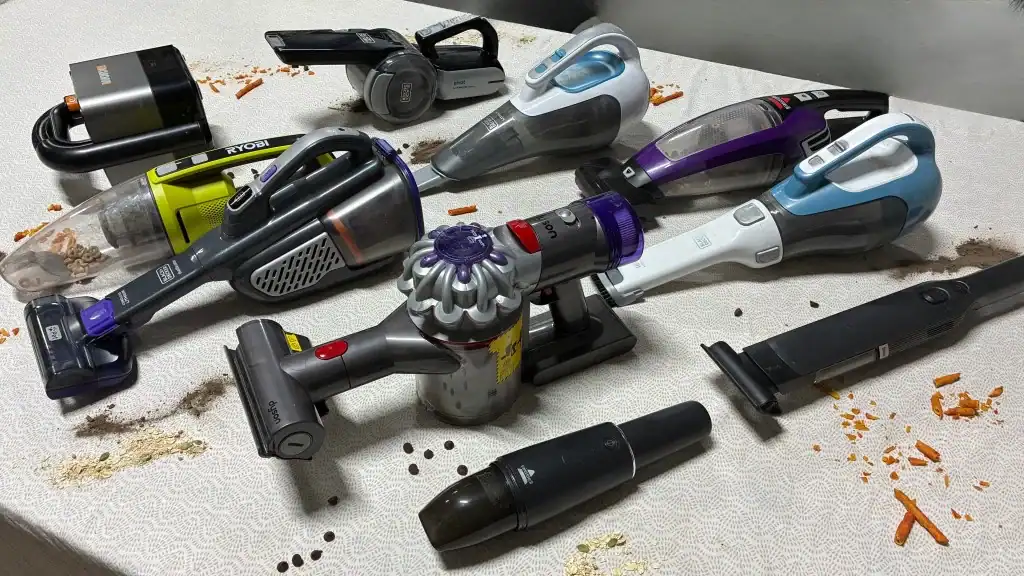
Industrial cleaning operations frequently struggle with performance degradation that marketing brochures fail to mention. When portable tools lose peak airflow halfway through a task, they jeopardize compliance with strict technical cleanliness standards like VDA 19.1. Reliable suction depends on maintaining stable motor speed, yet battery-powered systems face inherent physical limits that mains-connected equipment avoids.
This guide breaks down the engineering gap between battery discharge curves and the steady 110V to 125V range provided by mains power. We explain why a 10% drop in voltage causes a disproportionate 19% decrease in motor torque and how environmental factors like -20°C temperatures can slash usable battery capacity by 50%. By comparing these power sources, we identify the exact thresholds where suction loss begins to compromise particle removal and long-term hardware integrity.
Voltage Sag Explained: The Battery Discharge Curve
Voltage sag describes the drop in battery terminal voltage when a load is applied, caused by internal resistance and electrochemical polarization. This effect shifts the discharge curve downward, potentially reaching the 3.0V cutoff faster under high demands or cold conditions, which reduces the effective runtime and suction of portable tools.
How Internal Resistance Triggers Voltage Drop
Terminal voltage naturally sits lower than open circuit voltage the moment a vacuum motor or air pump draws current. This immediate drop happens because of the internal resistance inherent in the battery chemistry. Ohmic drop and electrochemical polarization—including activation and concentration factors—create resistance that consumes a portion of the energy as heat. When a device requires higher C-rates, such as 1C discharge, these resistance losses intensify. This process pulls the entire discharge curve downward compared to low-draw 0.1C rates, reducing the voltage delivered to the accessory.
Analyzing Discharge Plateaus and Cutoff Limits
LiFePO4 cells like the EVE MB31 maintain a stable energy plateau between 3.30V and 3.25V for the majority of their 314Ah capacity. This flat profile provides consistent power for most of the discharge cycle. The “knee” of the curve occurs near 3.0V, where the voltage drops sharply toward the 2.5V deep discharge limit. This rapid decline signals the end of usable suction and triggers the device to shut down. Environmental factors also influence these limits. Cold environments as low as -30°C depress the discharge curve by up to 0.5V, which often triggers low-voltage protections even when the battery still holds significant capacity.
Mains Power Consistency: 120V Steady State
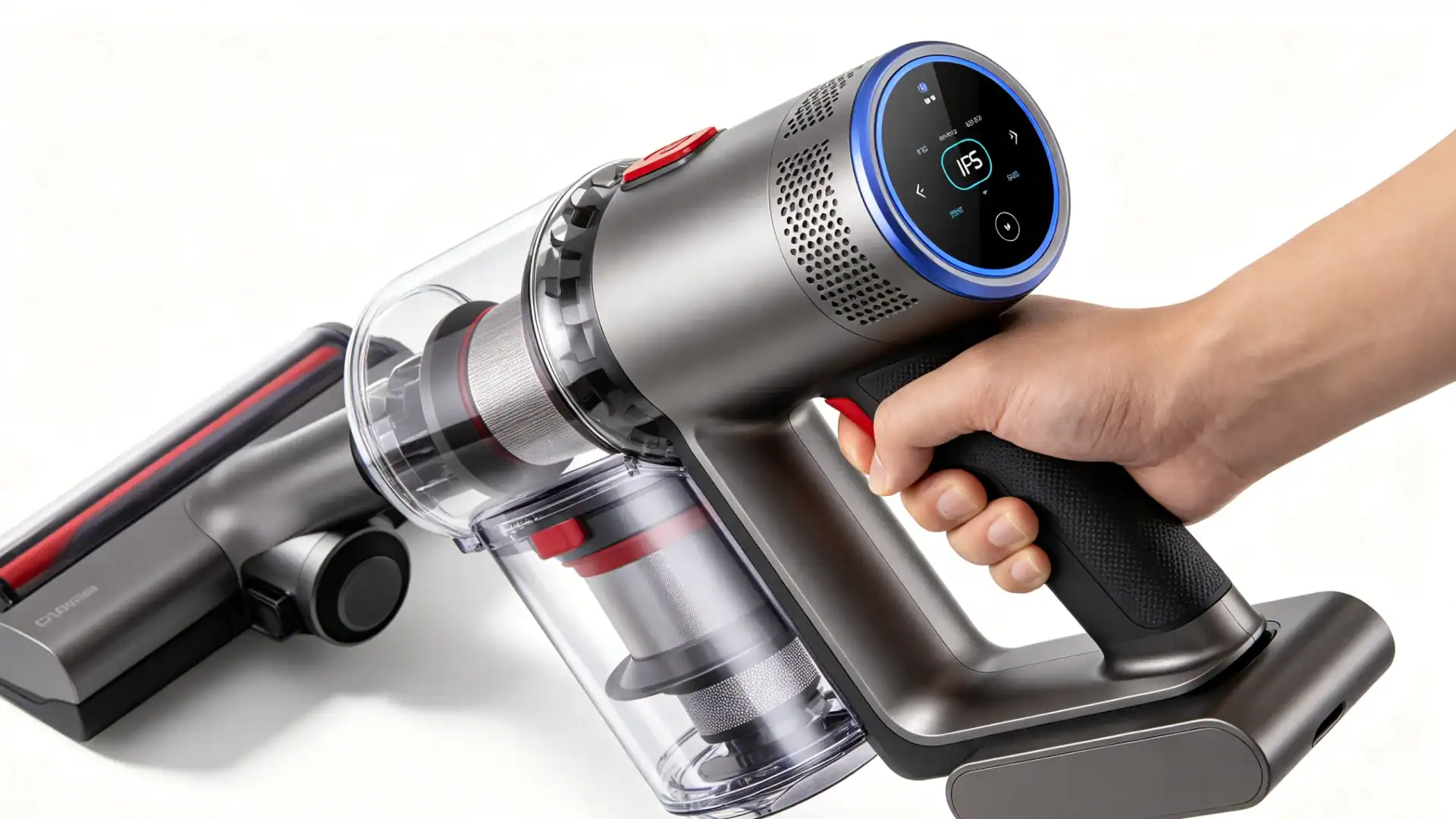
Mains power provides a steady 120V flow because utilities use load-tap changers and capacitor banks to maintain voltage within ANSI C84.1 Range A (110-125V). This consistency prevents the performance fade seen in batteries. By staying above 108V per ITIC standards, the grid ensures motors and vacuum pumps operate at their designed efficiency indefinitely.
Steady-State Voltage Limits for Residential Equipment
Utilities maintain sustained voltage magnitude within ANSI C84.1-2011 Range A, which keeps the supply between 110V and 125V for normal operation. This controlled range ensures that electrical components receive the exact tension required for peak performance without the risk of overheating or underperformance.
Unlike batteries that follow a downward discharge curve, the power grid uses line-drop compensators to prevent voltage drop over long durations. This infrastructure provides a constant energy feed, allowing high-draw devices like car vacuums to maintain maximum suction power for as long as they remain plugged in.
IEEE Std 1159-2009 classifies steady-state variations as those lasting longer than one minute. Maintaining a 120V base prevents the efficiency loss and increased motor wear associated with sustained undervoltage below 0.9 pu. By avoiding these drops, the system protects the mechanical integrity of the motor windings and extends the lifespan of the appliance.
Grid Standards and Tolerance Zones
The ITIC curve specifies a no-interruption zone between 108V and 123V, ensuring 120V equipment operates without performance degradation or damage. This technical window serves as the benchmark for manufacturers when designing power supplies and motors for the North American market.
ANSI C84.1 Range B allows extreme excursions between 106V and 127V. Utilities must implement mitigation strategies if levels stay in this range for extended periods, as prolonged exposure to these limits can cause sensitive electronics to trip or lose efficiency.
NPCC Directory #12 requirements keep frequency variations below 0.5 Hz. This stability preserves the rotational speed of AC motors in car vacuums and air pumps. Because motor speed directly relates to frequency, this strict control ensures that airflow and pressure remain at factory-specified levels.
IEC 61000-4-11 and IEEE Std 1668-2017 define immunity testing to ensure portable appliances handle minor sags without losing functional power. These standards force engineers to build equipment that can ride through brief grid fluctuations, maintaining a seamless user experience during heavy local demand or grid switching events.
Impact of Low Voltage on Motor RPM and Suction
Voltage drops reduce motor torque and rotational speed, leading to exponential losses in suction. A 10% decrease in rated voltage typically lowers motor RPM by 1%, while suction pressure and airflow drop more significantly due to the physics of fan-based systems and the square-ratio relationship between torque and voltage.
| Performance Parameter | Impact at 90% Voltage | Governing Principle |
|---|---|---|
| Motor Speed (RPM) | ~1% Decrease | IEC 60034-1 Synchronous Speed |
| Torque Production | ~19% Decrease | Square-Voltage Law (V²) |
| Suction Pressure | ~2% Decrease | Fan Laws (RPM²) |
Electrical Input and Synchronous Speed Relationships
Motors operating under IEC 60034-1 standards experience a direct loss in air-gap flux when the supply voltage sags below rated levels. A drop to 90% of rated voltage results in an approximately 1% decrease in motor speed for standard induction systems. This speed loss occurs because the reduced voltage weakens the magnetic field required to maintain the rated RPM against mechanical resistance.
Torque production scales with the square of the voltage. A slight voltage drop causes a disproportionate loss in the motor’s ability to maintain speed under load. Voltage imbalances compound torque deficits, causing increased slip and reducing the efficiency of the cleaning cycle. When the motor cannot produce sufficient torque, the rotational speed falls further below the synchronous frequency, stalling the system’s peak performance.

Suction Degradation and Mechanical Thermal Stress
Fan laws dictate that static pressure and airflow drop by the square of the RPM reduction, amplifying minor speed losses into noticeable suction failure. Portable vacuum systems reaching 20,000Pa lose peak cleaning effectiveness as battery discharge lowers the available motor input. Even a 1% drop in RPM translates to a measurable decline in the vacuum’s ability to lift heavy debris or maintain airflow through clogged filters.
Continuous operation at the edge of voltage tolerances forces higher current draw to compensate for the torque loss. This state risks overheating and stresses IVIC C class insulation. Engineering standards require post-repair insulation tests at 500V DC to ensure motors can withstand the thermal stress caused by low-voltage performance spikes. Maintaining voltage within specified tolerances prevents premature winding failure and ensures the device maintains its rated suction capacity throughout the discharge cycle.
Custom Home Vacuums: Your Design, Our Expert Manufacturing

“Fade-Free” Marketing vs. Engineering Reality
Marketing “fade-free” claims suggest power remains constant until the battery dies, but engineering reality involves a gradual voltage discharge curve. While brands promise peak suction, physical laws dictate that motor RPM and suction power, such as the 20,000Pa found in KelyLands home vacuums, eventually decrease as the battery reaches its final 20% capacity.
| Performance Metric | Marketing Narrative | Engineering Reality |
|---|---|---|
| Suction Power | Zero-Loss Suction | 13,000Pa – 20,000Pa Range |
| Power Delivery | Fade-Free Output | Voltage Sag at 20% Capacity |
| Motor Stability | Endless Peak Power | ISO 9001/IATF 16949 Standards |
The Disconnect Between Branding Slogans and Battery Physics
Marketing departments translate technical specifications into consumer benefits to drive sales. This process often bypasses the nuances of performance degradation inherent in lithium-ion technology. The “engineering as marketing” approach uses modular assets and automated pipelines to build a perception of technical superiority. These slogans focus on the peak performance window rather than the full discharge cycle.
Engineers prioritize stability and safety standards, such as thermal management and cell protection. These priorities can conflict with the marketing requirement for aggressive performance labels like “zero-loss suction.” While marketing materials emphasize simplicity to gain traction, the underlying electrical behavior involves complex voltage curves that inevitably affect motor RPM over time.
Technical Thresholds and Performance Stability Metrics
Home vacuum cleaners reaching 20,000Pa require high-efficiency motors to minimize the impact of voltage sag during the discharge cycle. Maintaining this pressure level requires the motor to draw consistent current. Portable air pumps must sustain up to 150 PSI for tire inflation, which demands high output even as internal lithium cells deplete. These physics-based limitations mean that performance is a managed curve rather than a flat line.
Strict adherence to ISO 9001:2015 and IATF 16949 ensures that internal components resist thermal fatigue during high-output operation. Triple-layer inspections—including IQC, PQC, and FQC at KelyLands facilities—validate that actual suction power matches the 13,000Pa to 20,000Pa ratings advertised. These rigorous testing protocols confirm that while physics dictates some degradation, the hardware is engineered to stay within specific performance tolerances for the duration of the battery life.
The Impact of Cold Temperature on Battery Output
Cold weather slows the electrochemical reactions inside lithium-ion cells, which increases internal resistance and forces a drop in output voltage. By 2026, users still face significant energy loss in winter conditions, with usable capacity typically falling by 20% to 50% as temperatures move from freezing toward sub-zero levels.
Electrochemical Resistance and Voltage Sag
Low temperatures restrict lithium-ion intercalation processes, which directly increases cell polarization. This internal physical change prevents the battery from maintaining a steady discharge voltage when placed under load. Thermodynamic constraints reduce the available power delivery even if the battery indicates a full state of charge. At 0°C, slowed ion diffusion limits the maximum state of charge capacity by approximately 23%.
Capacity Degradation and Temperature Benchmarks
Batteries lose 20% to 30% of their rated capacity once ambient temperatures reach 0°C. Sub-zero conditions at -20°C result in a loss of up to 50% of usable energy. Extreme cold at -40°C reduces output to only 5% of the power capacity measured at a 20°C baseline. Electric vehicle range drops significantly in cold air, as 60 kWh systems lose 8 to 10 miles of range per hour simply to maintain cabin heat at 20°F.
Cleaning Effectiveness at 20% Charge
Cleaning effectiveness drops at 20% charge because voltage sag reduces motor RPM, which lowers the Clean Air Delivery Rate (CADR). While filter efficiency remains constant, the decreased airflow prevents the system from meeting ASHRAE Standard 52.2 benchmarks for submicron particle removal, often worsened by a 5-15% inaccuracy in battery sensors.
Airflow Dynamics and CADR Performance
Air purification performance depends on the Clean Air Delivery Rate (CADR), a metric calculated by multiplying the filter’s removal efficiency by the airflow rate in cubic feet per minute (cfm). ASHRAE Standard 52.2 requires MERV 11 filters to maintain a minimum 20% removal efficiency for submicron particles between 0.3 and 1 μm. When a battery reaches a 20% charge state, the resulting voltage sag frequently slows the motor. This reduction in fan speed lowers the cfm, decreasing the volume of air processed and preventing the system from meeting its intended pollutant removal targets.
Higher-tier MERV 13+ filters provide a 50% minimum removal efficiency for the same submicron range. Real-world effectiveness still relies on consistent airflow to cycle the air in a room. A 20% charge often restricts the motor’s ability to push air through dense filtration media, which systematically degrades the delivery rate. Even if the filter material remains high-quality, the mechanical drop in airflow prevents the system from maintaining clean air benchmarks established by engineering guidelines.
LFP Voltage Stability and SoC Reporting Errors
Lithium iron phosphate (LFP) batteries exhibit flat open-circuit voltage (OCV) curves, making it difficult for internal sensors to measure capacity accurately. These systems commonly experience a 5–15% State of Charge (SoC) error when reaching the 20% capacity threshold. This inaccuracy means the actual power available to the motor might be lower than the display indicates, leading to unpredictable drops in motor torque and suction power during critical cleaning tasks.
Technical standards in industrial purging emphasize 20% as a vital threshold for operational success. For instance, specific purging concentrates require a 20% loading grade to effectively remove residues without causing excess waste. In battery-powered cleaning equipment, the 20% charge level acts as a similar threshold where performance gaps emerge. Without stable voltage to maintain fan RPM, the device fails to provide the mechanical force necessary for effective particulate extraction, creating a performance deficit that mirrors the precision required in industrial cleaning applications.
Ensuring Hygiene Standards: The Risk of Low-Suction Cleaning
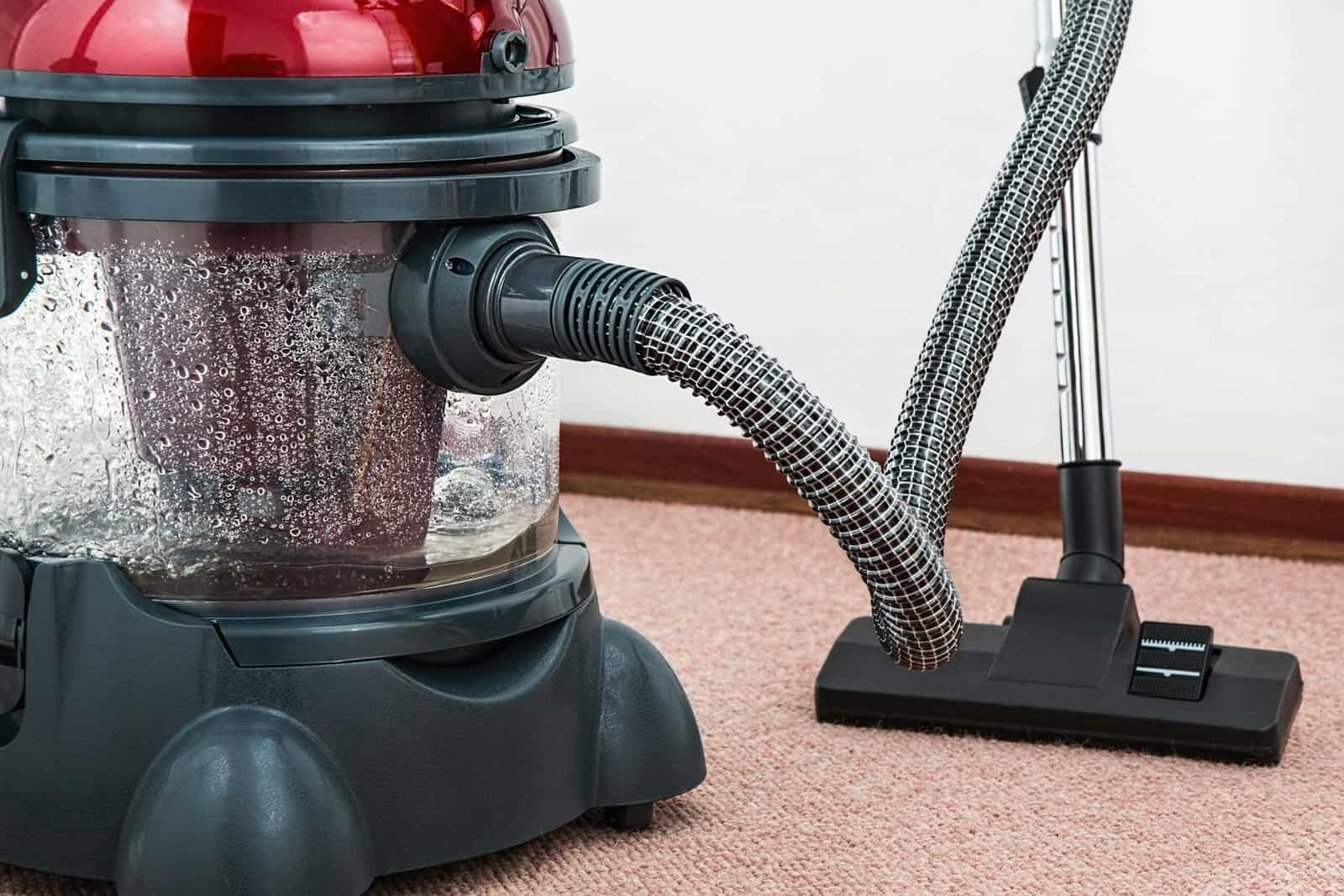
Inconsistent suction prevents compliance with VDA 19.1 and ISO 16232:2018 standards, which require qualified decay measurements to ensure particle removal down to 25 µm. Failure to maintain Grade 2 suction levels allows over 0.01% of particles larger than 0.3 microns to remain, threatening the functional integrity of e-mobility batteries and precision electronics.
Cleanliness Standards and Reproducible Particle Separation
VDA 19.1 and ISO 16232:2018 standards mandate suction parameters qualified through decay measurement to achieve reproducible results. This qualification process ensures particle removal from the 25 µm size class, including metallic shiny particles and fibers. Without these verified parameters, systems cannot guarantee the extraction efficacy needed for sensitive industrial components and e-mobility applications.
Grade 2 vacuum cleanliness levels remove 99.99% of particles sized 0.3 microns or larger. Specialized cleaning environments also restrict air limits to 100,000 particles per cubic meter for particles at 0.5 microns. Dropping below these suction benchmarks leaves a higher percentage of contaminants behind, increasing the likelihood of functional failure in high-voltage batteries and complex electronic assemblies.
Contaminant Buildup and Precision Hardware Risks
NASA PRC-5001 defines precision cleanliness levels, such as Level 200 particulate control and Level A limits for non-volatile residue (NVR) at 1 mg per 0.1 square meter. Low suction pressure fails to extract metallic and non-metallic fibers in the 25 µm size class. This failure causes significant buildup in convoluted hoses and precision hardware, which eventually leads to gross contamination entry during operation.
Inadequate extraction also compromises ZVEI guidelines for clean workstations. This specific failure affects PCB coatings and high-voltage systems where residual particulates interfere with technical performance. High-efficiency suction systems, often robot-guided and equipped with cyclone separation and microscopic filters, provide the necessary mechanical removal to meet technical cleanliness targets without the risks of liquid damage from solvent-based methods.
Final Thoughts
Selecting a power source involves balancing the convenience of cordless mobility with the predictable output of a fixed 120V connection. Battery-operated systems grapple with internal resistance and voltage sag that inevitably reduce suction as the charge depletes. Mains power avoids this decline, providing a steady stream of energy that preserves motor RPM and torque for the duration of the work. This technical difference means corded vacuums excel in heavy-duty applications where peak air pressure is a constant requirement.
Relying on cordless devices for critical cleaning tasks requires awareness of the 20% capacity threshold. Below this level, the drop in airflow can compromise hygiene standards and leave fine debris behind. Users should match their equipment to the scale of the job, using the steady-state reliability of mains power for deep extraction and reserving portable units for rapid, intermittent pickups. Recognizing these physical constraints ensures that cleaning efforts effectively remove contaminants rather than just moving them around.
Frequently Asked Questions
Why does suction power decrease as a cordless vacuum battery drains?
Suction power decreases because the terminal voltage in lithium-ion cells drops from approximately 4.2V when full to 3.0V as it nears cutoff. This voltage reduction directly slows the brushless DC motor, leading to lower RPM and reduced airflow, particularly once the charge falls below 30%.
What defines fade-free power in 2026 vacuum technology?
Fade-free power describes systems utilizing boost regulators or high-discharge cell chemistries that maintain a flat discharge profile. These technologies limit voltage variation to within 10-20% across the 20-80% state-of-charge range, ensuring the motor receives consistent energy until the battery is nearly empty.
How does high-intensity cleaning affect battery longevity?
Operating a vacuum at high C-rates (1C-3C) for maximum suction causes significant voltage sag and concentration polarization. Research indicates that discharging at a C/3 rate can induce a capacity fade of roughly 14.36 mAh g⁻¹ per cycle due to ohmic resistance, which eventually reduces the total runtime over the life of the machine.
Is the suction loss in cordless vacuums noticeable during standard use?
Users typically notice a performance drop when the battery reaches the final 20% of its capacity. At this stage, the steep decline in the discharge curve causes the motor speed to fall significantly, making it difficult to lift heavier debris or maintain effective seals on carpeted surfaces.

 English
 Español
 Français
 Deutsch
 Português do Brasil
 Русский
 한국어
 日本語
 العربية