 跳转到主要内容 跳转到页脚
Selecting a 100 qt rolling cooler based on volume alone is a common purchasing error that leads to on-site service failures. A model with an overstated can capacity or wheels that bog down on grass directly impacts event logistics and profitability.
This analysis benchmarks models using the manufacturer’s true can-plus-ice rating, not abstract quart size. We evaluate wheel durability and ice retention data to establish a clear cost-per-use metric for event planners and rental fleet managers.
The Cost Gap: Why Pay $800 for Compressor when $150 Electric Works?
The price reflects the technology. A compressor unit offers true freezing for long trips. A thermoelectric cooler provides targeted, quiet chilling, making it the right tool for skincare.
| Feature | Compressor Cooler (~$800) | KelyLands Thermoelectric Cooler (~$150) |
|---|---|---|
| Core Technology | Mechanical system with refrigerant and moving parts. | Solid-state Peltier module. No refrigerant, no moving parts. |
| Performance | Deep freezing, powerful cooling independent of room temp. | Chills to 16°C–20°C below ambient. Silent (28dB). |
| Optimal Use Case | Long trips, RVs, off-grid use needing frozen food storage. | Skincare preservation, beverages, medicine in bedrooms or offices. |
| Key Benefit | Acts as a true portable freezer. | Vibration-free operation protects delicate products. Low cost. |
Technology and Performance: Mechanical vs. Solid-State Cooling
The price gap comes down to two completely different ways of getting cold. A compressor cooler operates just like your kitchen refrigerator. It uses a complex mechanical pump and chemical refrigerants to actively remove heat and achieve deep-freezing temperatures. This complexity and power drives up the manufacturing cost.
Our skincare fridges use a solid-state Peltier module. It’s a simple, reliable electronic component with no moving parts, no refrigerants, and no vibration. This design is inherently quieter, more durable for small-scale use, and far less expensive to produce. It’s engineered for gentle chilling, not aggressive freezing.
Optimal Use: Why 16°C–20°C Below Ambient is Ideal
Our thermoelectric units are designed for what we call “Beauty Preservation.” They maintain a temperature that’s consistently 16°C to 20°C below the room’s temperature. This is the sweet spot for extending the shelf life of serums, creams, and organic cosmetics. It keeps them stable and effective without the risk of freezing, which can permanently damage their chemical structure.
For skincare, medicine, or a few drinks, a compressor’s ability to make ice is overkill and potentially destructive. You’re paying a premium for power you don’t need. A thermoelectric cooler delivers the exact performance required for its intended purpose, making it the smarter and more cost-effective tool for the job.
Party Use: Can It Hold 100 Cans for Tailgating Events?
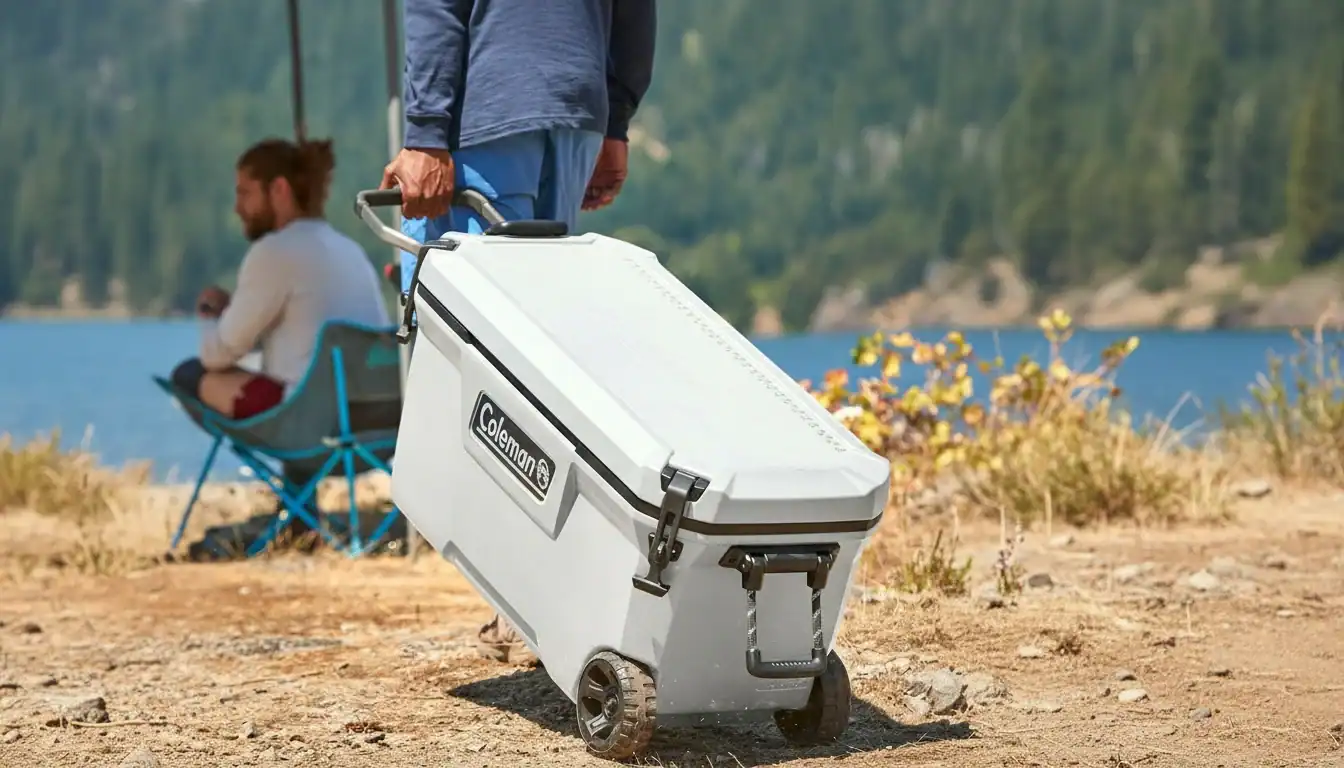
A 100-quart cooler doesn’t automatically hold 100 cans with ice. Capacity varies wildly by model—some fit 160 cans, others only 80. Always check the manufacturer’s can rating.
Understanding Quart Size vs. Real-World Can Capacity
A cooler’s quart rating is a measure of its total internal volume, but that space must be shared between your drinks and the ice needed to chill them. It’s a common mistake to think “100 quarts” means space for 100 cans plus ice.
The actual can capacity is always lower than the total volume suggests. You need a solid ice-to-beverage ratio to keep drinks cold for an entire event, and that ice takes up a significant amount of room.
Why Verifying Model-Specific Ratings is Crucial
Even among coolers with the same quart size, can capacity can differ dramatically based on design. For instance, Coleman’s Classic Series 100-quart cooler can hold up to 160 cans, while their 316 Series 100-quart model only fits 80 cans with ice.
This is why you have to ignore the quart number for party planning. To make sure you have enough space, always prioritize the manufacturer’s can-specific rating. It’s the only figure that tells you what will actually fit.
Launch Your Custom Line of Electric Cooler Boxes
Rolling Logic: Are Tow Handles and Wheels Built for Grass?
Cooler wheels and handles are built for general durability, not specifically for grass. Manufacturer specs don’t confirm any surface-specific engineering, so performance on soft ground varies.
The General-Purpose Design of Cooler Mobility Features
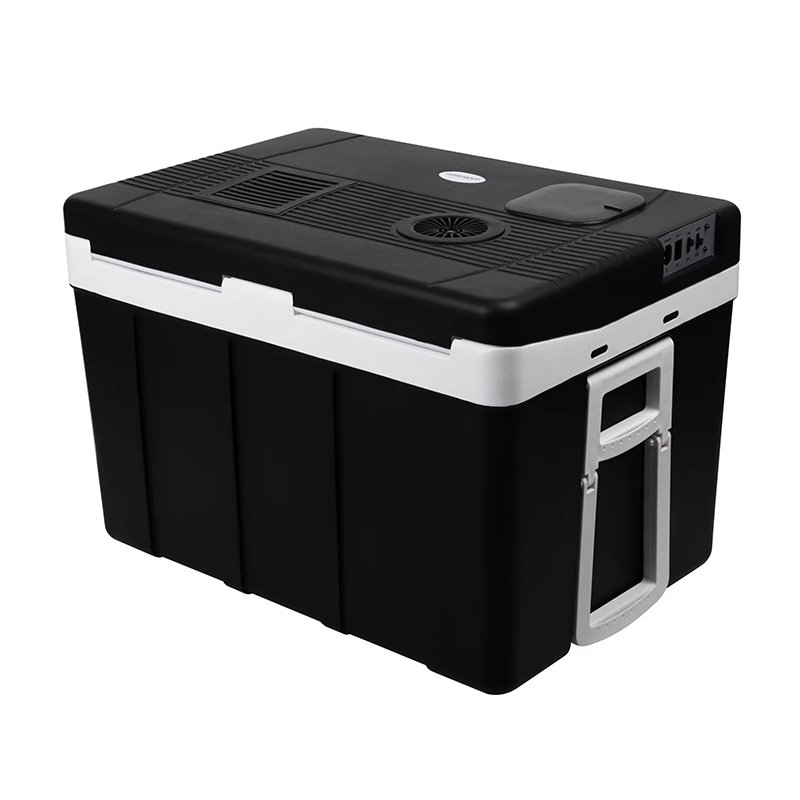
Most large coolers come equipped with heavy-duty 6-inch wheels. These aren’t designed for a specific surface but for hauling a heavy, full load across the typical spots you’d take a cooler. They are paired with durable tow and swing-up handles to make transport manageable.
The intended use is pretty broad—think beaches, tailgating lots, and campsites. These locations involve a mix of hard pavement, packed dirt, and soft ground, so the design prioritizes overall durability rather than specializing in one type of terrain.
Terrain Compatibility: The Unspecified Limits on Grass
When you look at manufacturer specs, they talk a lot about durability and capacity. They almost never provide terrain-specific compatibility ratings. There’s no public data confirming these wheels are tested or engineered for optimal performance on grass.
How well a cooler rolls on soft ground like grass or sand really depends more on the cooler’s total weight and how firm the ground is. It’s less about a specific design feature and more about the physics of the situation.
Hybrid Use: Can Users Add Ice Bags for a “Turbo Boost”?
Adding ice works for passive coolers but will damage an active thermoelectric unit. Melting water can short out the fan and internal circuits without improving performance.
Understanding the ‘Turbo Boost’ Concept in Passive Coolers
The idea of a “turbo boost” comes from using standard, non-electronic insulated coolers. In that context, adding ice bags helps pre-chill the interior and lower the starting temperature. This gives the insulation a head start, reducing the time it takes to cool down contents. It’s a simple and effective trick for a passive box.
Why This Method Is a Risk for Thermoelectric Fridges
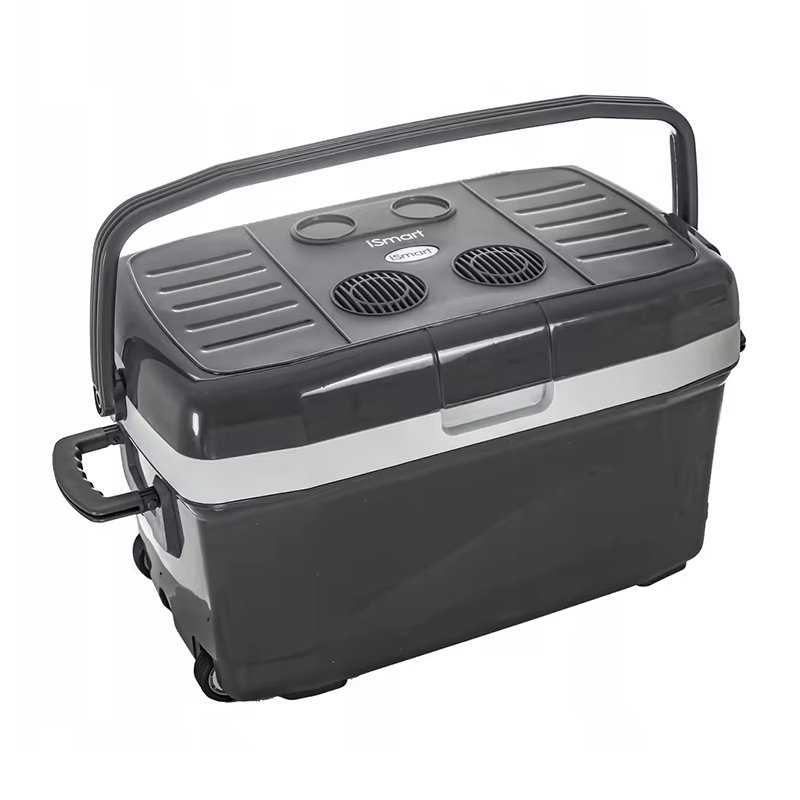
This logic completely fails with our skincare fridges because they are not passive boxes. They are active electronic devices. Introducing loose water from melting ice is a recipe for failure and poses a direct risk to the unit’s core components.
- Active Cooling, Not Passive Insulation: Our mini fridges use a solid-state Semiconductor / Peltier Module for cooling. This isn’t just foam insulation; it’s an electronic system that actively moves heat.
- Guaranteed Water Damage: Melting ice creates pooling water and heavy condensation. This moisture will inevitably reach the internal fan and circuitry, causing shorts and permanent damage to the Peltier chip.
- No Performance Gain: The cooling performance is fixed at 16°C – 20°C below the surrounding room temperature. Adding ice does not change this physical limit. You get all the risk of system failure with zero actual cooling benefit.
Frequently Asked Questions
What is the weight limit for the cooler’s wheels and handle?
Specific weight ratings for the wheels and handles on 100-quart coolers are not usually published by manufacturers. These components are engineered to support a fully loaded cooler, which includes the unit’s own weight plus up to 50 lbs of ice and a full capacity of cans. The overall structural durability is often indicated by features like lids rated to support 250 lbs as a seat.
Can this cooler run on a portable power station?
Standard 100-quart rolling coolers are passive, non-electric units that rely on ice and insulation, so they do not require a power station. If you need active powered cooling, you would need to use an electric cooler, which is a different type of product designed to run on power sources like a portable station.
How long will ice last in a 100-quart cooler?
A high-performance 100-quart cooler with a fully insulated lid and body can keep ice for up to 5 days in ambient temperatures as high as 90°F. This makes it suitable for multi-day outdoor activities without needing to frequently replenish the ice.
Are replacement wheels available for rolling coolers?
Yes, replacement wheels for most major cooler brands are typically available for purchase. You can often find them directly from the manufacturer’s website or through authorized third-party parts dealers online, allowing you to easily repair and extend the life of your cooler.
Final Thoughts
Choosing the right tool for an event is a commercial decision, not just a practical one. While a passive cooler handles bulk drinks, it fails in specialized roles like VIP rooms or cosmetic stations where silent, stable chilling is required. Our thermoelectric units are purpose-built for these high-value applications, protecting sensitive products and ensuring a premium client experience.
Verify the quality yourself before committing to your rental inventory. We recommend securing a sample to test the silent 28dB operation and build quality firsthand. Contact our factory team to discuss custom Pantone colorways for your next fleet order.

 English
  Español
  Français
  Deutsch
  Português do Brasil
  Русский
  한국어
한국어  日本語
日本語  العربية