 跳转到主要内容 跳转到页脚

Prioritizing step 5. Inner Liner Design(12v water kettle) during the engineering phase directly determines whether your production run delivers safe appliances or generates severe warranty losses. Traditional welded seams create microscopic crevices that harbor bacteria and accelerate rigid limescale buildup across the internal cavity. This rapid scale accumulation forces low-voltage heating components to overwork, eventually causing catastrophic thermal degradation and immediate product failures that damage your brand reputation.
This technical document serves as your standard operating procedure for specifying seamless manufacturing techniques that eliminate bacterial traps entirely. We examine the exact thermal mechanisms behind limescale-induced element failure while outlining actionable retail kitting strategies for your factory orders. You will find precise requirements for bundling OEM cleaning brushes and custom descaling instruction cards directly in the box to improve end-user maintenance habits and protect your hardware investments.
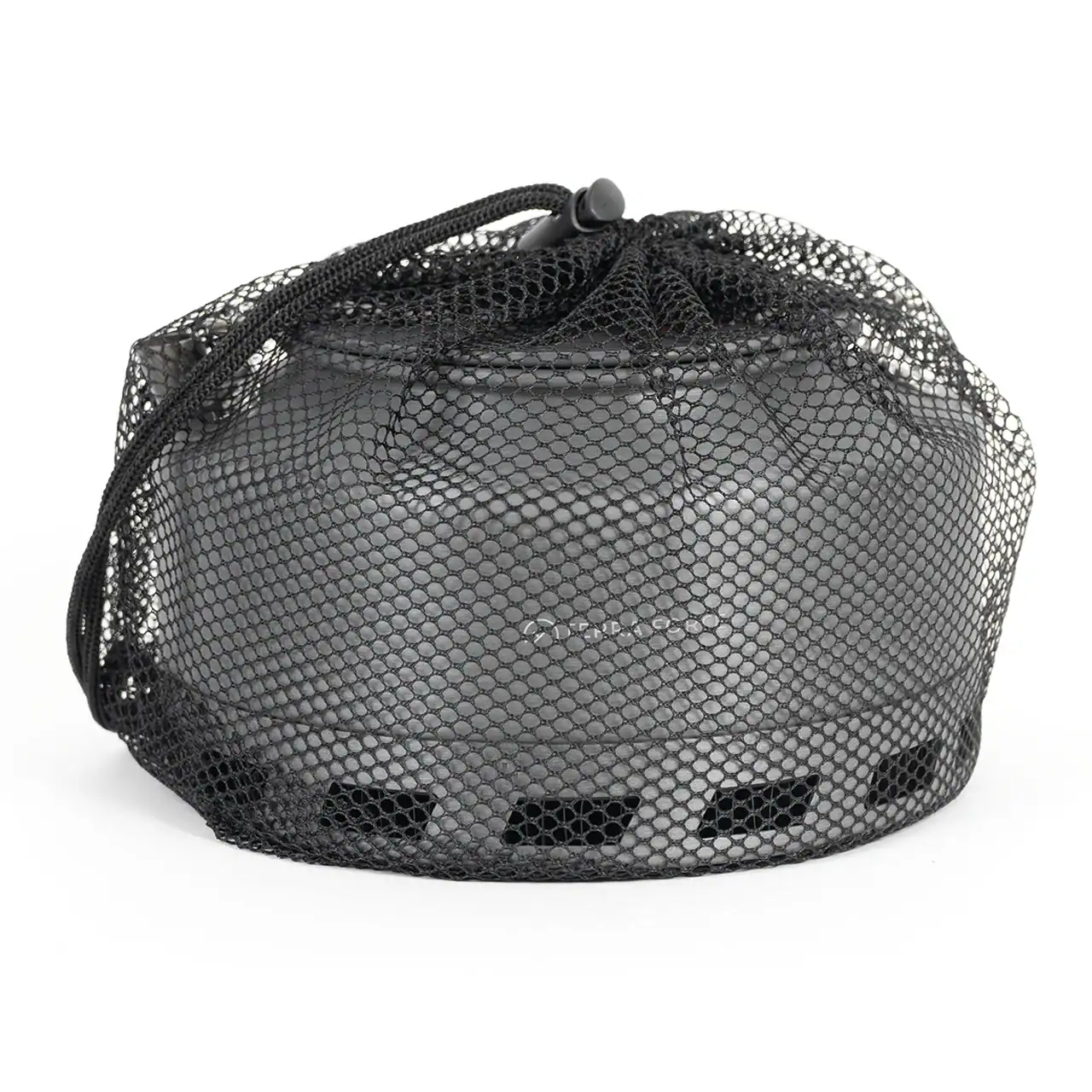
How Do Seamless Inner Liners Prevent Bacterial Buildup in Crevices?
Seamless inner liners eliminate the microscopic structural joints where moisture and biofilm typically accumulate, guaranteeing a sterile boiling environment for commercial drivers and fleet operators.
Eliminating Micro-Crevices in Construction
Traditional welded seams in water kettles create microscopic gaps where moisture and mineral residue accumulate over time. Seamless inner liners solve this critical flaw by utilizing a single-piece stamping or molding process. This manufacturing approach completely removes the structural joints found in older, multi-piece appliance designs. Without these tiny crevices, bacteria and mold have zero physical space to anchor and multiply after the heating element cools down.
This perfectly smooth internal structure actively stops biofilm formation at the source. It keeps the water supply safe and hygienic during long-haul road trips, protecting drivers from potential contamination caused by standing water in poorly manufactured appliances.
| Design Metric | Traditional Welded Liners | KelyLands Seamless Liners |
|---|---|---|
| Structural Integrity | Multiple joint lines prone to corrosion | Single-piece stamped construction |
| Bacterial Resistance | High risk of biofilm inside weld gaps | Zero micro-crevices for bacterial anchoring |
| Cleaning Profile | Snags sponges, retains hard water scale | 100% smooth, wipe-clean internal surface |
Improving Daily Cleaning Efficiency
A uniform internal surface allows users to maintain appliance hygiene with minimal physical effort. Drivers can easily wipe down the entire interior using a standard cloth or sponge without snagging on sharp edges or rough weld lines. This fluid cleaning motion ensures operators can execute rapid turnaround times between shifts.
The complete removal of residual water and mineral deposits directly starves potential bacterial colonies of the nutrients they need to survive. This streamlined design drastically reduces the maintenance burden for logistics fleets and RV users who rely on fast and effective cleaning routines to keep their equipment operational.
Material Quality and Hygienic Standards
Combining a seamless physical design with high-quality, non-porous materials maximizes bacterial resistance. KelyLands engineers its 12V and 24V car kettle interiors utilizing premium, food-grade materials like LFGB-certified 304 stainless steel and High Borosilicate Glass. These materials guarantee structural integrity while maintaining stringent safety profiles.
These non-porous surfaces naturally resist bacterial adhesion and refuse to degrade under repeated extreme heating and cooling cycles. Procurement managers benefit heavily from these strict OEM standards, ensuring end-users receive safe, highly durable, and globally compliant in-car appliances that outlast standard consumer alternatives.
Why Does Limescale Cause 12V Heating Elements to Fail Prematurely?
Limescale acts as a rigid thermal insulator that traps heat against the element, forcing low-voltage 12V circuits into dangerous prolonged operation cycles that inevitably burn out internal wiring.
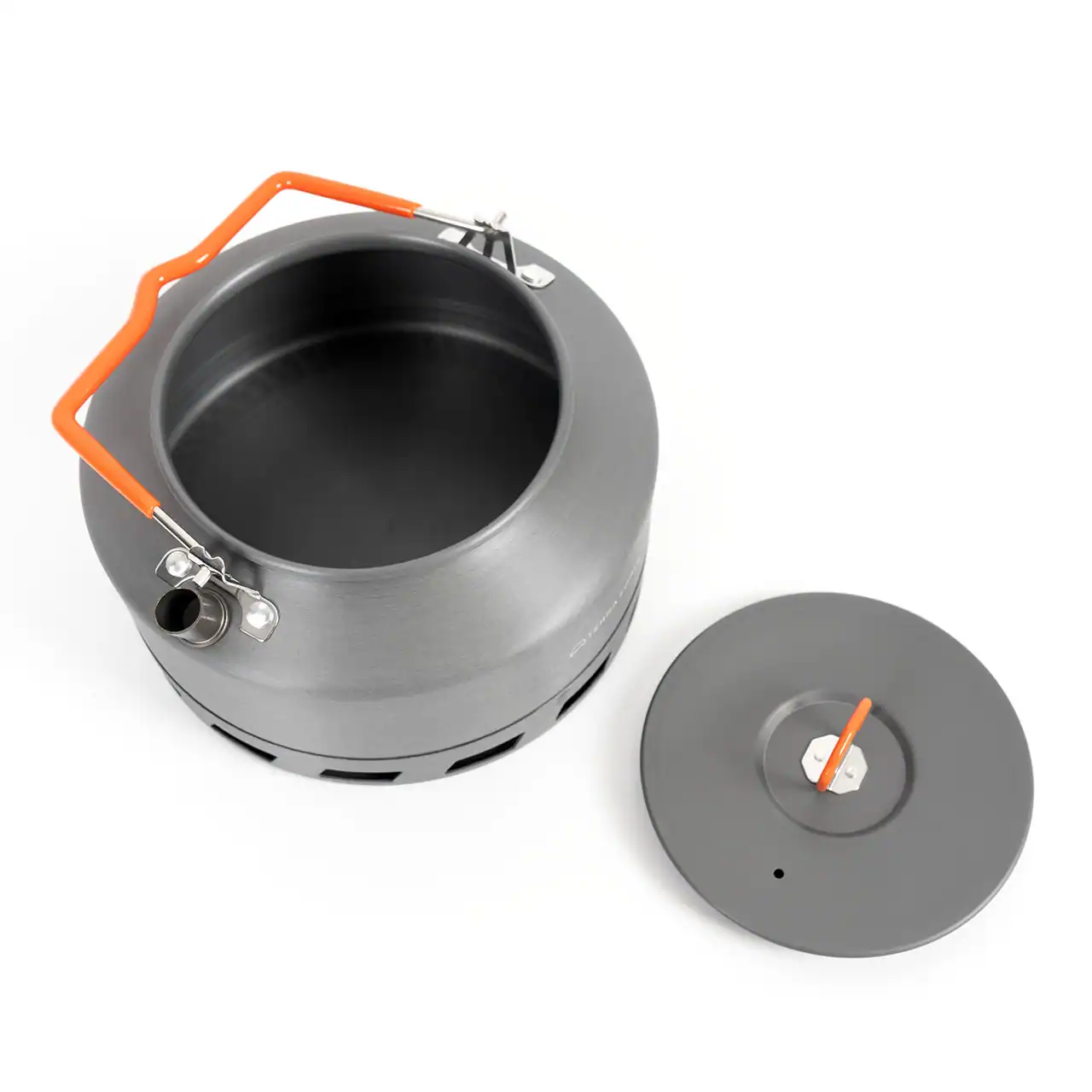
Thermal Insulation and Component Overheating
During the boiling process, hard water minerals calcify directly onto the stainless steel heating surface. This buildup forms a dense crust that actively blocks heat from transferring into the water. Because the heat cannot escape into the liquid, localized temperature spikes occur along the element. These extreme thermal loads subject the internal 12V wiring to continuous stress, ultimately degrading the components and triggering premature burnout.
Heat Transfer Efficiency Drop in 12V Systems
Mineral accumulation forces low-voltage systems to operate far outside their intended duty cycles. Empirical data indicates that a mere 1.6mm layer of limescale reduces heat transfer efficiency by 12%. In constrained 12V environments like car and truck cabins, this efficiency loss forces the kettle to run continuously just to achieve a rolling boil. This prolonged operation draws heavy, sustained electrical current, placing massive strain on the vehicle’s electrical circuit, the appliance cables, and the heating element itself.
| Condition | Heat Transfer Efficiency | Operational Impact |
|---|---|---|
| Clean Stainless Steel Surface | 100% Baseline | Standard 30-minute 12V boil cycle |
| 1.6mm Limescale Buildup | 12% Reduction | Extended operation, heavy continuous current draw |
| Severe Mineral Encrustation | Critical Failure Risk | Element overheating, internal component burnout |
Accelerated Corrosion Under Mineral Deposits
Thick scale deposits trap corrosive water compounds directly against the metal housing of the heating element. As the element expands and contracts through standard heating and cooling cycles, the rigid mineral scale restricts this natural thermal expansion. This physical friction, combined with the trapped chemical compounds, forces micro-cracks to form across the metal surface. This continuous degradation compromises the protective outer layer until water breaches the internal electrical components, causing a complete short circuit.
How KelyLands Mitigates Element Failure in Car Kettles
We engineer our 12V and 24V car kettles to withstand severe thermal stress and heavy electrical loads, even in hard water environments. The KelyLands SM series features a proprietary Triple Safeguard system, integrating physical dry-boil prevention and recoverable temperature controllers that instantly cut power if an element overheats due to scale insulation. We pair these internal safety mechanisms with 100% pure copper cables and high-temperature Bakelite plugs. This architecture guarantees zero melting at the vehicle socket during prolonged heating cycles. Our quality control team subjects every unit to rigorous thermal shock resistance testing, ensuring reliable performance for long-haul logistics fleets and RV outfitters.
Boost Margins With Certified OEM Car Kettles
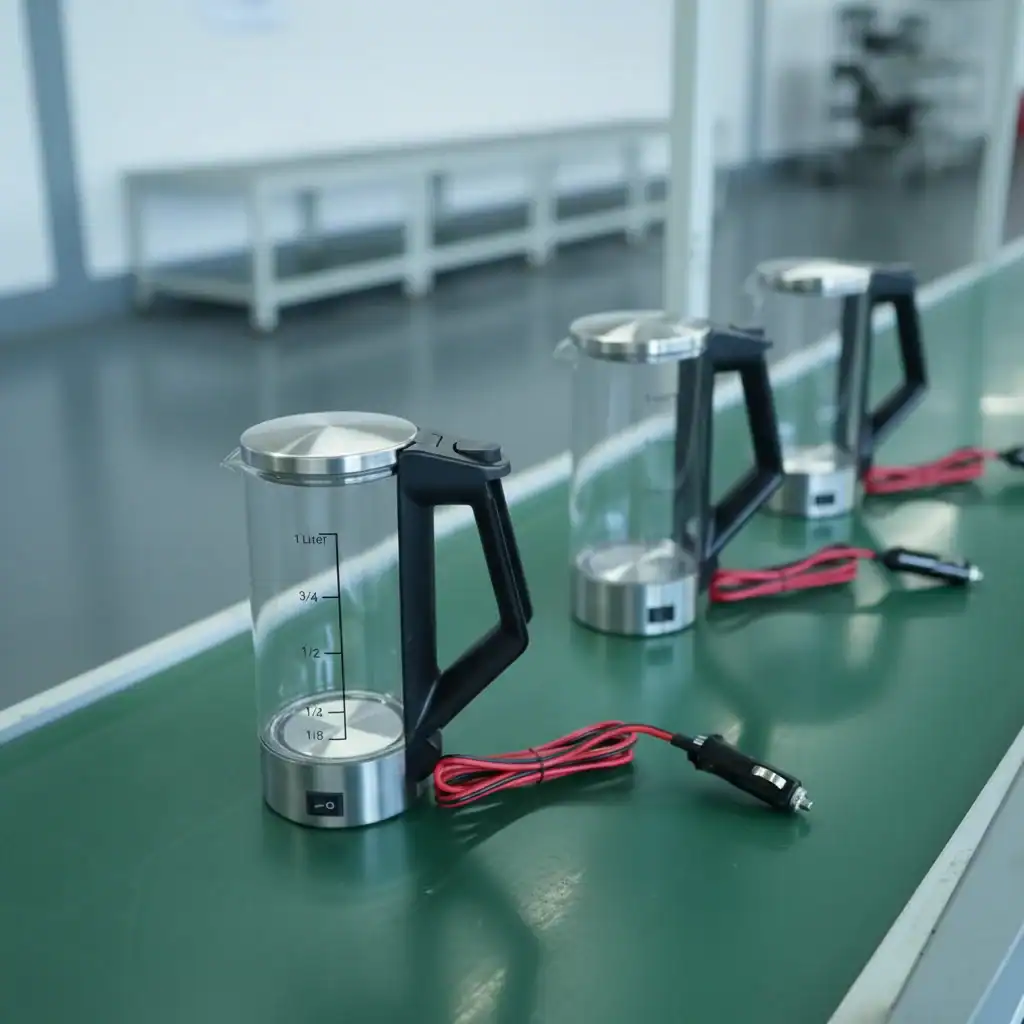
Can We Include a Custom Descaling Instruction Card in the Retail Box?
Integrating a physical descaling instruction card directly into the retail packaging increases maintenance compliance, protects the 12V/24V heating elements from premature failure, and drastically reduces post-sale support tickets.
OEM Packaging Options for Instruction Cards
KelyLands engineers seamless packaging integration for B2B wholesale orders. You can request specialized descaling instruction cards bundled alongside standard user manuals within our retail-ready color boxes or custom mailer cartons. We execute full Pantone color matching and exact logo application, ensuring the physical care card aligns perfectly with your brand identity while maintaining premium unboxing standards.
Our OEM packaging division offers several customization tiers for maintenance instructions:
- Standalone Care Cards: Inserted directly above the protective packaging layer for immediate visibility upon unboxing.
- Manual Integration: A dedicated, high-contrast descaling spread printed within the standard instruction booklet.
- Box-Printed Guidelines: Step-by-step visual graphics printed on the exterior of the retail color box.
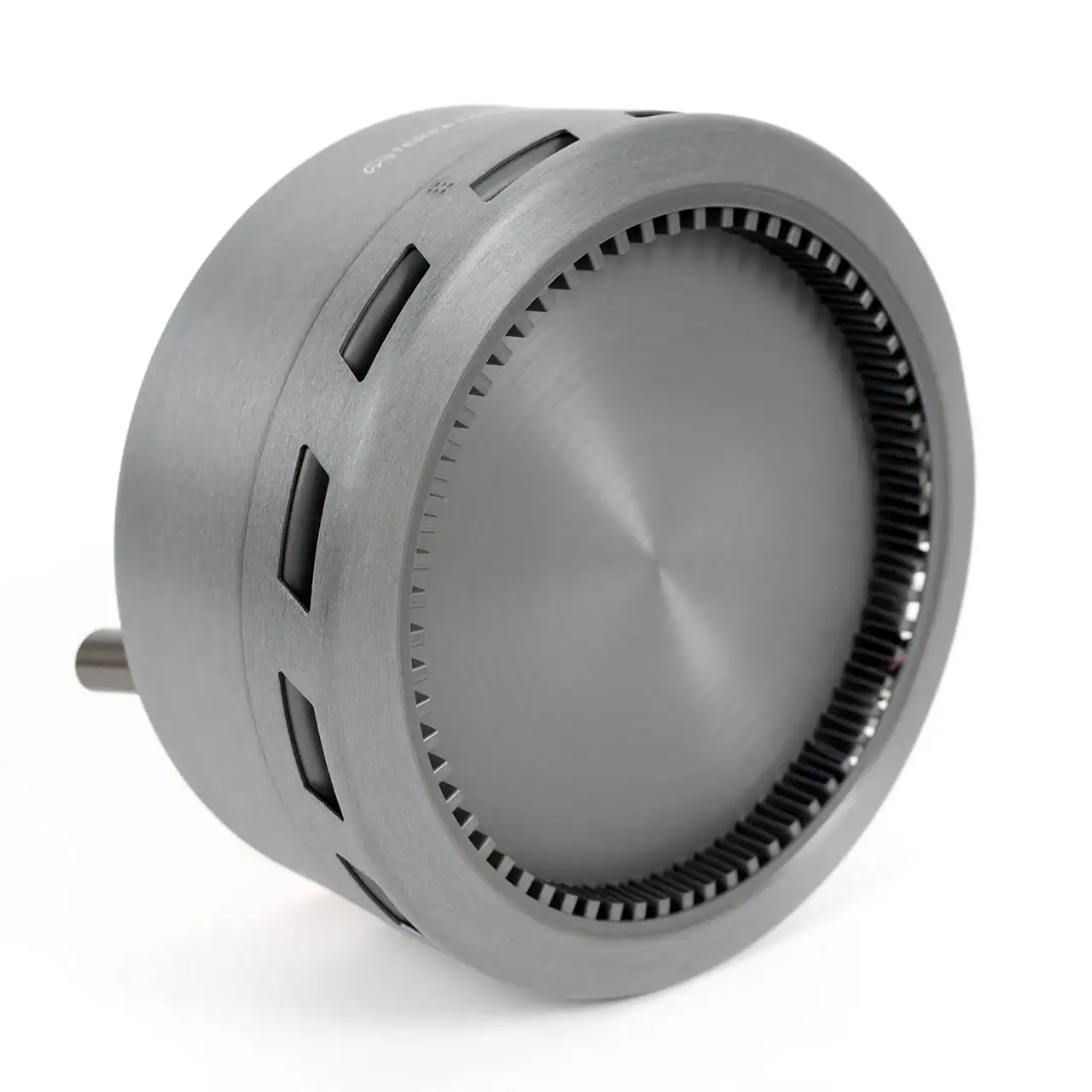
Improving Maintenance Compliance and Product Longevity
Physical instruction cards drive active user compliance and directly extend the operational lifespan of 12V/24V auto kettles. Clear, accessible guidelines prompt fleet operators and consumers to descale the stainless steel heating plates regularly, mirroring the strict maintenance standards of premium home coffee machines. Hard water environments pose a severe threat to mobile appliances; just 1.6mm of limescale accumulation reduces heat transfer efficiency by 12%, forcing the 150W/250W elements to overheat.
Routine descaling prevents this hard water buildup. Keeping the heating element pristine protects the internal thermal shock resistance and preserves KelyLands’ proprietary dry-boil prevention systems. This proactive maintenance ensures the recoverable temperature controllers and irrecoverable thermal fuses operate exactly as engineered.
Minimizing End-User Support Inquiries
Supplying offline maintenance guidance aggressively cuts down post-sale confusion for logistics fleets and RV outfitters. Long-haul truck drivers frequently operate in off-grid or low-signal environments where online video tutorials remain completely inaccessible. A simple, physical instruction card placed inside the retail box gives users immediate, actionable steps to maintain their DC car kettle using basic supplies like white vinegar or citric acid.
This proactive inclusion eliminates the friction of mineral buildup troubleshooting. Educating the end-user at the point of unboxing naturally lowers the volume of support requests and false defect claims hitting your retail distributors, protecting your bottom line and enhancing overall brand reputation.
Do You Provide OEM Cleaning Brushes as a Kitting Add-On?
Integrating commercial-grade cleaning brushes into your wholesale kettle order provides a highly functional, low-cost kitting solution that protects internal components and elevates the end-user unboxing experience.
Material Standards for OEM Kettle Brushes
High-quality bristle materials dictate the cleaning efficacy and lifespan of the kettle. We source FDA-compliant nylon and polyester bristles specifically engineered to resist chemical breakdown from acidic descaling agents and endure high temperatures. This material selection ensures users can scrub away stubborn mineral deposits without scratching delicate surfaces, particularly the thermal-shock resistant High Borosilicate Glass featured in our premium SM400 car kettle models.
Our supply chain partners configure these brush heads to match the precise internal dimensions and depths of our 1000ML heavy-duty and 600ML compact 12V/24V kettles. This custom sizing ensures thorough reach into every corner, giving logistics fleets and RV outfitters a reliable tool to maintain appliance hygiene and prevent hard water scale accumulation over time.
Modular Design and Packaging Integration
Space optimization drives our packaging strategy for accessory kitting. We utilize modular handle systems that break down seamlessly, allowing the unassembled cleaning brush to fit directly inside our standard retail color boxes alongside the kettle and power cables. Our engineering team coordinates the exact dimensions of these brush components with the existing kettle packaging layouts to minimize wasted shipping volume and control logistics costs.
Factory packing teams assemble the kettles, 1.4-meter pure copper cables, and unassembled brush components directly on the production floor. This consolidated workflow delivers a complete, ready-to-ship retail package to your distribution centers without requiring secondary handling or repackaging steps.
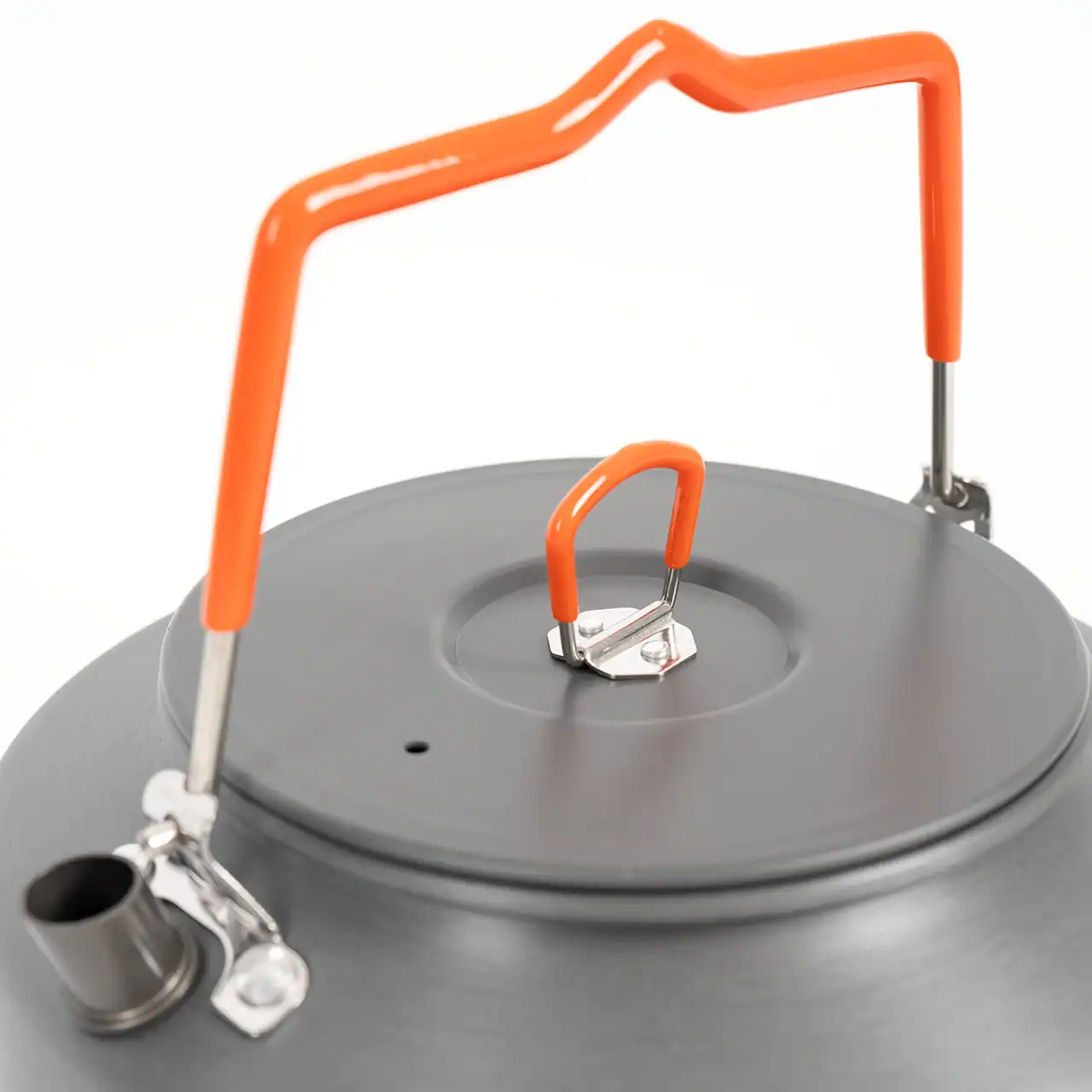
Bulk Procurement and Cost Efficiency
Adding cleaning accessories into wholesale orders introduces substantial functional value at a marginal unit cost. Commercial-grade cleaning brushes maintain low wholesale price points, keeping the overall retail package highly competitive. This bulk kitting process aligns flawlessly with our standard B2B production requirements and the 3,000 PCS MOQ for our DC car kettles.
Procurement managers leverage these functional add-ons to differentiate their custom off-grid appliance orders in the 2026 market. Providing the exact tools required for maintenance directly in the box reduces consumer complaints regarding limescale damage and boosts brand loyalty among long-haul truckers relying on consistent 150W/250W performance.
Conclusion
Integrating seamless inner liners and addressing limescale directly improves the lifespan and hygiene of 12V water kettles. E-commerce retailers see fewer after-sales complaints when heating elements operate efficiently without mineral buildup. Including custom instruction cards and OEM cleaning brushes in the retail box gives end-users the exact tools they need to maintain their units.
Evaluate your current product kitting strategy to see where custom maintenance accessories fit. Contact our manufacturing team to discuss OEM packaging options and request a sample from the KelyLands DC auto kettle series.
Frequently Asked Questions
Are your 12V water kettles designed with a seamless inner liner?
Yes, our 12V water kettles feature a fully seamless 304 or 316 stainless steel inner liner. This one-piece deep-drawn construction eliminates crevices where bacteria and scale can accumulate, ensuring superior hygiene, leak prevention, and easier cleaning.
How does limescale affect the kettle’s warranty?
While our kettles are built to withstand standard usage, heavy limescale buildup resulting from neglected maintenance is typically not covered under warranty. Extreme scale accumulation can insulate the heating element, leading to overheating and premature failure. We highly recommend regular descaling to maintain optimal performance and keep your warranty fully intact.
Can your factory include a cleaning brush inside the box?
Absolutely. As part of our OEM/ODM services, we can customize the packaging to include a compatible cleaning brush, descaling powder, or other accessories. We can source and package these additional components directly inside the retail box according to your specific branding and market requirements.
What is the best way to clean hard water stains from the liner?
The most effective and food-safe method is to boil a mixture of equal parts water and white vinegar (or a citric acid solution) in the kettle. Allow the solution to sit for 15 to 30 minutes, discard it, and gently wipe the seamless liner with a soft cloth or sponge. Rinse thoroughly with clean water before next use.

 English
  Español
  Français
  Deutsch
  Português do Brasil
  Русский
  한국어
한국어  日本語
日本語  العربية