 跳转到主要内容 跳转到页脚

Q4 sales for handheld automotive electronics depend on a product’s ability to grab attention while surviving the rigors of international shipping. B2B buyers face the constant challenge of selecting packaging that protects sensitive components without eroding margins through excessive shipping weights or high production costs.
This analysis breaks down the structural trade-offs between rigid chipboard boxes and thermoformed blister packs, highlighting how logistics managers utilize the 76 m³ capacity of 40HQ containers to lower unit costs. We also detail the application of 10-18μm metallic oxide layers to enhance aesthetic appeal and provide a cost-benefit comparison for upgrading to premium $5 to $10 gift boxes.
The <$40 Impulse Buy Price Point
Pricing accessories under $40 aligns with a psychological threshold equivalent to roughly two hours of average wages, which minimizes cognitive friction during checkout. This strategy frequently boosts total transaction value by 15% to 22% by utilizing the foot-in-the-door effect and reducing the need for complex financial decision-making.
Cognitive Friction and the Two-Hour Wage Threshold
Consumer data identifies $40 as a low-risk threshold for individuals earning approximately $20 per hour. This price point represents less than two hours of labor, making the financial commitment feel negligible to the average shopper. Small early purchases between $3 and $10 trigger the foot-in-the-door effect, which primes the buyer for larger basket sizes later in the session. Decision willpower naturally drops during the shopping process. This ego depletion results in a 15% to 22% increase in total cart value when low-cost items appear near the final point of sale. Gender-based trends show that women frequently make impulse selections under $100, while men tend to exceed that limit more readily.
SKU Optimization for Retail Density and Logistics
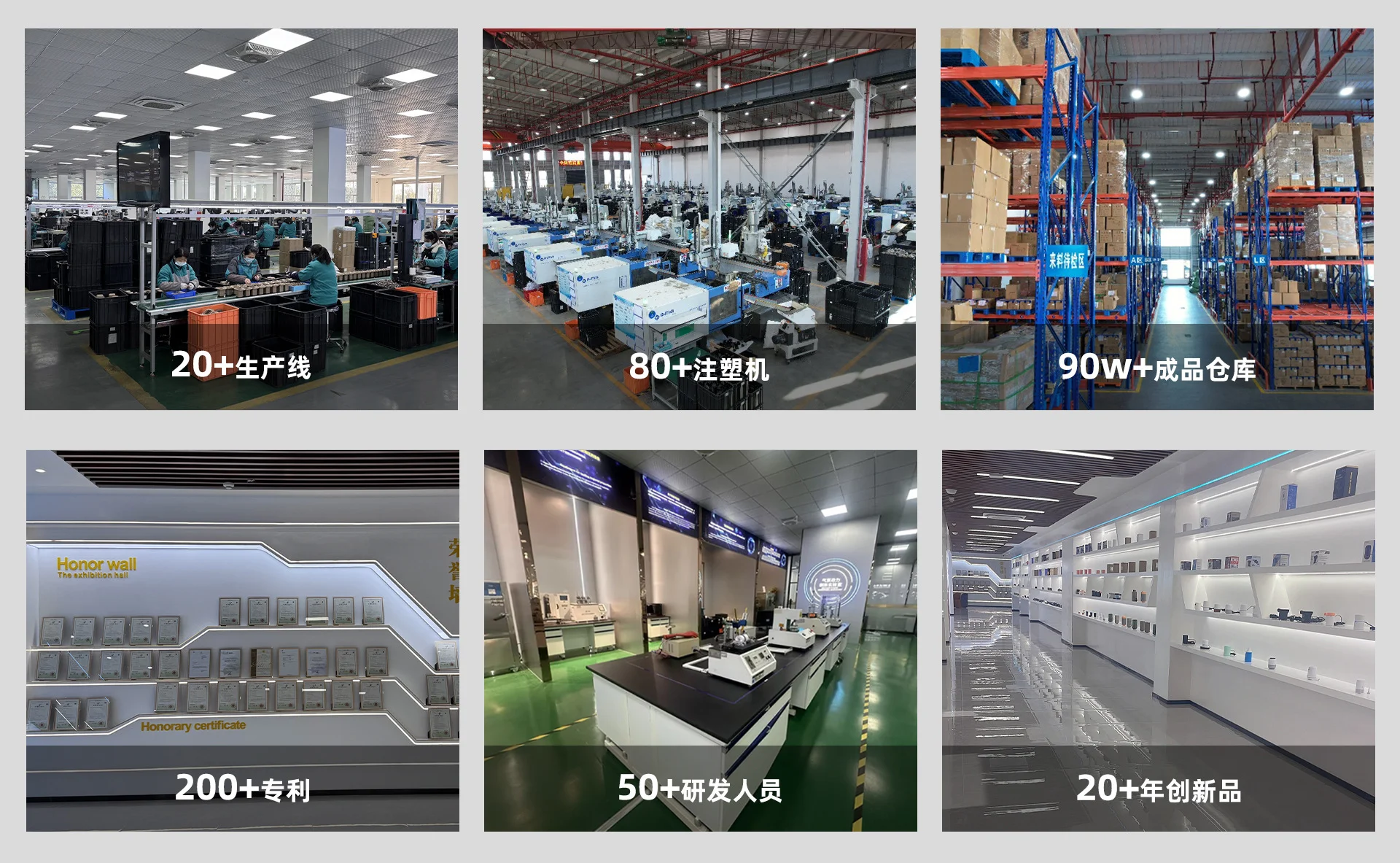
Retailers prioritize compact, high-turnover products like portable air pumps or vacuum accessories to maximize units per linear foot of shelf space. Packaging engineers use micron-thick materials to ensure shelf stability while maintaining the lightweight profiles necessary for cost-effective e-commerce shipping. Limiting product variations to one or two options at the $40 level accelerates the selection process by preventing choice overload. These low-value SKUs also minimize the financial impact of returns for e-commerce sellers, which supports rapid growth in the automotive accessory sector.
Packaging: Rigid Box vs. Blister Pack
Rigid boxes utilize thick chipboard and PET plastics to provide maximum impact resistance and a premium feel, though they increase shipping costs. Blister packs use thermoformed PVC or PET to offer product visibility and high shipping density, making them more cost-effective for high-volume impulse retail.
| Feature | Rigid Box | Blister Pack |
|---|---|---|
| Material Core | Heavy Chipboard & HDPE | Thermoformed PVC/PET |
| Protection Level | Maximum Crush Resistance | Puncture & Dust Barrier |
| Shipping Density | Low (Non-compressible) | High (Space-efficient) |
Material Composition and Protective Integrity
Rigid boxes use chipboard and thick cardboard at least four times the thickness of standard folding cartons to prevent crushing during transit. This structural density ensures that heavy car accessories remain secure even when stacked at the bottom of a pallet. Manufacturers often select HDPE, HIPS, or rigid PET for premium accessory kits to maintain a fixed shape under heavy stacking, providing a shell that resists external pressure.
Blister packs consist of thermoformed PVC or PET plastic that conforms to the product shape, acting as a puncture-resistant barrier for small electronics. While this material effectively shields against scratches and minor impacts, it does not offer the same load-bearing capacity as chipboard. Rigid materials offer superior protection against air and moisture contaminants compared to the lighter seal of a standard blister backing, which often relies on a thin adhesive bond to a paperboard card.
Logistics Efficiency and Retail Value Strategy
Blister packs allow for higher unit density in a 40HQ container because the lightweight plastic reduces the overall shipping weight per pallet. This efficiency lowers the landed cost for high-volume retail items, making it easier to maintain margins on accessories priced under forty dollars. Rigid boxes carry higher production and transport costs due to their non-compressible nature and additional heft, which limits the number of units that can fit in a single ocean freight shipment.
Transparent blister designs increase impulse buy rates by allowing customers to inspect the product quality directly on the retail shelf. This visibility builds immediate trust for smaller electronic tools or hardware. Bulk orders for items like portable air pumps often utilize rigid boxes to justify a higher perceived value in the sub-forty-dollar segment. The tactile experience of opening a sturdy box creates a premium impression that offsets the higher logistical investment for the seller.
Color Strategy: Metallic Finishes for Perceived Value
In 2026, metallic finishes use PVDF coatings and chemical immersion to create high-end aesthetics for car accessories. By applying 10-18μm oxide layers or 70% resin finishes, brands ensure durability and fade resistance, directly boosting the perceived value of impulse-buy items like portable pumps and compact vacuums.
Premium Visual Appeal through PVDF and Chemical Immersion
Manufacturers achieve a sophisticated metallic luster on aluminum and steel components by applying Pearledize 50 and 70 finishes. These coatings utilize pearlescent mica flakes to simulate the depth of solid metal, meeting AAMA 2604 standards for a decade of color stability. Chemical immersion techniques like the Mark 511 process transform brass and copper alloys into antique bronze shades, adding decorative flair to car fridge accents and high-end gear. These treatments align with 2026 retail trends, where visual texture dictates consumer choice for compact electronics.
Durability Metrics and Surface Protection Standards
Protecting the integrity of portable vacuum housings and compact tools requires specific technical benchmarks. Clear Anodize treatments provide a minimum 0.4 mil (10μm) oxide layer to stop corrosion while maintaining a clean metallic look. For products exposed to UV or high-density storage, 70% Kynar 500 PVDF resin finishes offer superior resistance to chalking and fading. Ferrous parts benefit from Mark 30 blackening treatments, which withstand salt spray tests for up to six hours, ensuring items remain oxidation-free during international shipping and humid warehouse conditions.
Scale Your Brand with High-Performance Home Vacuum Solutions

Accessories Display: “Unboxing Experience”
The unboxing experience for impulse-buy accessories uses digital preview toggles and tiered physical layouts to build anticipation. By organizing main units for immediate visibility and hiding cables or nozzles in sub-compartments, brands create a high-value reveal that encourages social sharing and reduces return rates.
| Experience Layer | Technical Implementation | Buyer Impact |
|---|---|---|
| Digital Preview | 360-degree packaging toggles | Builds transparency and trust |
| Primary Tier | Immediate device visibility | Confirms product value instantly |
| Secondary Tier | Sub-compartment accessory storage | Reduces perceived clutter |
Digital Preview Modes and Visual Sequencing
Modern e-commerce platforms utilize interactive 360-degree packaging views to simulate physical inspection before a purchase occurs. Shoppers interact with toggle modes that switch between product-focused shots and gift presentation layouts. This visual transparency allows buyers to verify the inclusion of all components, which is critical for sub-$40 automotive accessories where perceived value drives the transaction.
Digital unboxing sequences typically follow a 7-step progression using high-definition footage to highlight product textures and material quality. Technical implementation relies on progressive image loading to maintain high visual fidelity on mobile devices. These assets use clean, natural lighting to showcase close-up product demos, ensuring the shopper understands the accessory’s utility and aesthetic before the physical package arrives.
Physical Tiering and Internal Component Layout
Effective physical unboxing relies on strategic layering to maximize the impact of the reveal. Manufacturers place the primary device, such as a portable air pump or handheld vacuum, on the top layer to ensure immediate visual contact upon opening the box. This placement anchors the buyer’s focus on the most valuable part of the kit, establishing a positive first impression that correlates with lower return rates.
Secondary items like charging cables, HEPA filters, and nozzle attachments reside in dedicated sub-sections beneath the main unit. This tiered storage keeps the presentation organized and prevents small parts from shifting during 40HQ container transport. Using sustainable fillers like custom inserts or crinkle-cut paper adds a tactile layer to the reveal while meeting environmental standards. Optimizing this internal density supports retail-ready aesthetics without sacrificing shipping efficiency.
Container Loading: Maximizing Units per 40HQ
Shipping in 40HQ containers maximizes efficiency by utilizing 76 m³ of space, which provides 10% more volume than standard units. The 2.70-meter internal height supports multi-tier stacking for lightweight items, while standard dimensions allow for up to 25 EUR pallets within a 28,620 kg payload limit.
Volume Optimization and Vertical Stacking Benefits
40HQ containers provide 76 m³ (2,694 cu ft) of usable volume, offering a significant advantage over the 67 m³ found in standard 40-foot units. This extra 9 m³ of space allows logistics managers to reduce the total container count for large-scale orders of bulky goods. The internal height of 2.70 meters (8’10”) specifically benefits lightweight consumer electronics like portable air pumps and vacuums. These products often feature retail packaging that supports higher vertical stacking, allowing shippers to utilize the overhead space that remains empty in standard-height containers.
Efficiency gains stem from the physics of volumetric packing. By filling the additional vertical space, businesses lower their shipping costs per unit. This strategy works best for impulse-buy items where the packaging-to-product ratio is high. Using the full 2.70-meter height requires careful planning to ensure the stack remains stable during transit, but the resulting volume increase often offsets the need for additional shipping equipment.
Technical Loading Specifications and Pallet Capacity
Physical constraints and weight limits dictate the success of a loading plan. The internal dimensions of 12.03 meters in length and 2.35 meters in width support a maximum of 25 EUR pallets (1.2×0.8 m) in a single-tier configuration. Load planners must distribute weight uniformly across the floor to prevent structural failure under sea freight dynamics. Even though the container offers high volume, cargo must stay within the maximum payload limit of 28,620 kg (63,100 lbs).
Door opening dimensions of 2.34 meters by 2.58 meters define the maximum height for palletized entry. These specifications align with ISO 45G1 standards, ensuring compatibility across major carriers like Maersk and Hapag-Lloyd. To achieve vertical fill rates exceeding 90%, shippers often use dunnage and specialized packing materials to secure multi-tier loads. This precision ensures the cargo remains compliant with carrier-specific tolerances while maximizing the utility of the high-cube design.
Final Thoughts
Choosing between rigid boxes and blister packs depends on the retail price point and the intended sales environment. Rigid boxes provide better protection and a gift-ready feel, while blister packs maximize shipping density for high-volume orders. Matching the material to the product’s perceived value helps brands stay competitive during peak shopping seasons.
Brands that optimize their 40HQ container loading while prioritizing the unboxing experience see better results in Q4. High-end finishes and organized internal layouts reduce returns and build customer loyalty. Precise logistics planning ensures that even premium packaging remains profitable through efficient volume management.
Frequently Asked Questions
What is the unit cost difference for upgrading to a rigid gift box?
Rigid gift boxes typically range from $5 to $10 per unit for stock models, which costs 2 to 5 times more than standard corrugated or folding cartons. Final pricing depends on material choices like 1200gsm grayboard and finishes such as glossy lamination, which adds approximately $0.10 to $0.12 per square meter.
How many retail units fit inside a 40HQ shipping container?
A 40HQ container accommodates between 2,000 and 5,000 units depending on specific box dimensions. For standard 30x20x10cm packaging, we estimate a capacity of 3,000 to 4,000 units after accounting for pallet stacking and an estimated 10% to 20% packing loss.
Is it possible to include velvet storage bags as internal packaging inserts?
We can include velvet storage bags as standard inserts during the assembly phase. This adds a minimal material cost uplift of approximately 5% to 10% and integrates easily into the existing rigid box structure without requiring design changes.

 English
  Español
  Français
  Deutsch
  Português do Brasil
  Русский
  한국어
한국어  日本語
日本語  العربية