 跳转到主要内容 跳转到页脚

Designing durable retail packaging for an OEM travel kettle acts as the primary defense against transit damage and mounting reverse logistics costs. Brands push products through brutal shipping networks where standard cardboard routinely fails to protect fragile heating elements and digital displays from severe impacts. Relying on inadequate unboxing materials directly causes shattered screens, compromised electrical bases, and immediate profit loss from unsellable returns.
This technical guide outlines the structural specifications needed to build out mail-ready rigid boxes that survive standalone courier transit. We examine the exact load-bearing differences between standard corrugated configurations and rigid magnetic closures under strict drop-test conditions. The following sections detail how to integrate ESG-compliant molded pulp inserts and precision foam cutouts to lock delicate components in place from the factory floor to the final customer.
What Is the Difference Between a Standard Corrugated Box and a Rigid Magnetic Gift Box?
Procurement teams must balance the budget-friendly, impact-resistant logistics of fluted corrugated cartons against the premium, multi-use presentation value of dense chipboard rigid magnetic boxes.
Material Composition and Structural Integrity
Standard corrugated boxes utilize a wavy fluted core sandwiched between flat kraft sheets. This multi-layer architecture keeps the overall weight low while maintaining high structural durability for bulk B2B distribution. Rigid magnetic gift boxes rely on solid, high-density chipboard wrapped in specialty outer paper stocks. Instead of utilizing standard tape or folding flaps, rigid designs integrate hidden magnetic snap closures directly into the lid to create a seamless, secure seal.
| Packaging Attribute | Standard Corrugated Box | Rigid Magnetic Gift Box |
|---|---|---|
| Structural Core | Multi-layer fluted cardboard | Solid, high-density chipboard |
| Closure Method | Tape or self-locking folding flaps | Embedded magnetic snap closure |
| Shock Absorption | High (natural air cushioning) | Low (rigid, non-compressible) |
| Logistics Footprint | Flat-packed (highly space-efficient) | Pre-assembled (requires bulk storage) |
Impact Resistance and Shipping Suitability
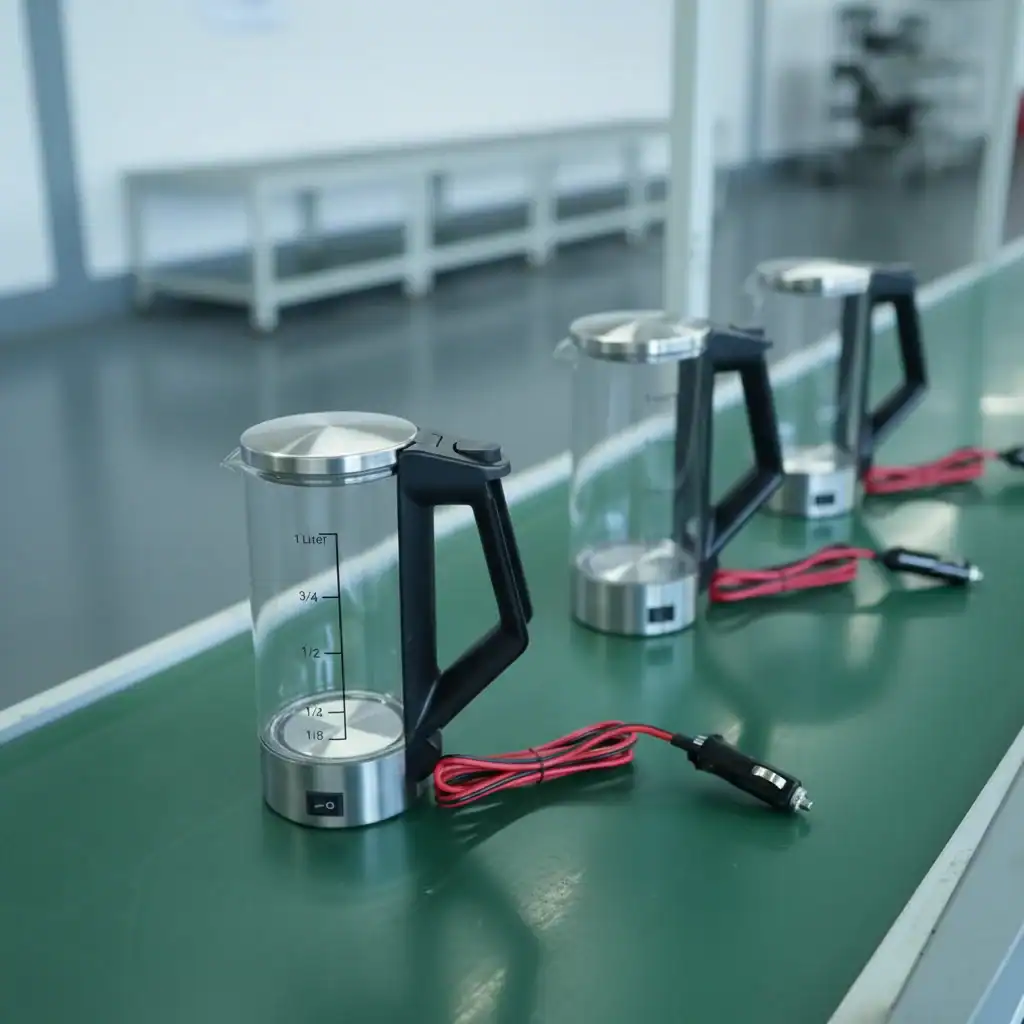
The multi-layer fluted design of corrugated cartons functions as a natural shock absorber. This makes them highly effective at protecting heavier, dense industrial components—like the 1000ML KelyLands SM408 heavy-duty travel kettles—during long-haul freight transit. Rigid gift boxes feature a physically harder exterior but lack the internal air-cushioning properties of a fluted core. Logistics providers can safely route corrugated boxes as primary standalone shipping containers through courier networks, depending on specific transit factors:
- Edge crush test (ECT) ratings verifying structural limits under heavy loads
- Internal dimensional tolerances for immobilizing internal hardware
- Handling rigors across automated sortation facilities
Rigid boxes require a secondary corrugated outer carton to prevent surface scuffing and corner crushing during direct-to-consumer transport.
Presentation and Unboxing Experience
Corrugated packaging heavily favors utility. It supports standard flexographic or lithographic printing tailored for functional logistics, warehouse scanning, and high-volume B2B distribution. Rigid magnetic boxes actively elevate the brand presentation. Manufacturers apply elegant finishes, custom embossing, and soft-touch laminates to the chipboard exterior. Premium OEM brands select these rigid structures for luxury retail configurations—such as the high-borosilicate glass KelyLands SM400 kettle—to deliver a tactile, memorable unboxing sequence that prompts customers to retain and reuse the packaging long-term.
Cost Efficiency and Storage Requirements
Warehouse teams receive corrugated boxes flat-packed on pallets. This configuration drastically reduces the required storage footprint and minimizes inbound freight costs. Packaging suppliers deliver rigid magnetic boxes fully assembled. Because they cannot break down, rigid boxes consume significantly more warehouse space and command premium per-unit pricing driven by their dense material construction and manual assembly requirements. Procurement managers must evaluate the higher upfront capital and physical storage demands of rigid packaging against the space-saving, highly scalable economics of standard corrugated solutions.
Can the Gift Box Survive Courier Shipping Without a Secondary Outer Carton?
High-grade B-flute corrugated mailers with minimum ECT44 ratings eliminate the need for secondary outer cartons in standard direct-to-consumer courier networks.
B-Flute Corrugated Cardboard Performance
Packaging engineers deploy crush-resistant and puncture-resistant B-flute cardboard—measuring approximately 3mm thick—as the primary structural defense against transit damage. Mailer-style gift boxes incorporate self-locking flap mechanisms, specifically roll-end or front-tuck configurations, to secure packages entirely without external cartons. This standalone packaging approach allows brands to streamline fulfillment operations, cutting down on material waste and packing time for direct shipments.
Edge Crush Tests and Courier Standards
Courier survivability relies on objective strength ratings rather than visual bulk. We specify high Edge Crush Test ratings, such as ECT44 or ECT48, to guarantee structural integrity across rough logistics routes. Testing facilities subject these boxes to rigorous drop, crush, and humidity protocols to verify they meet strict UPS and FedEx network standards. KelyLands matches this packaging strength directly to the transit demands of bulk B2B orders, preventing cargo loss during cross-border or long-haul transport.
Managing Fragile Cargo and Presentation
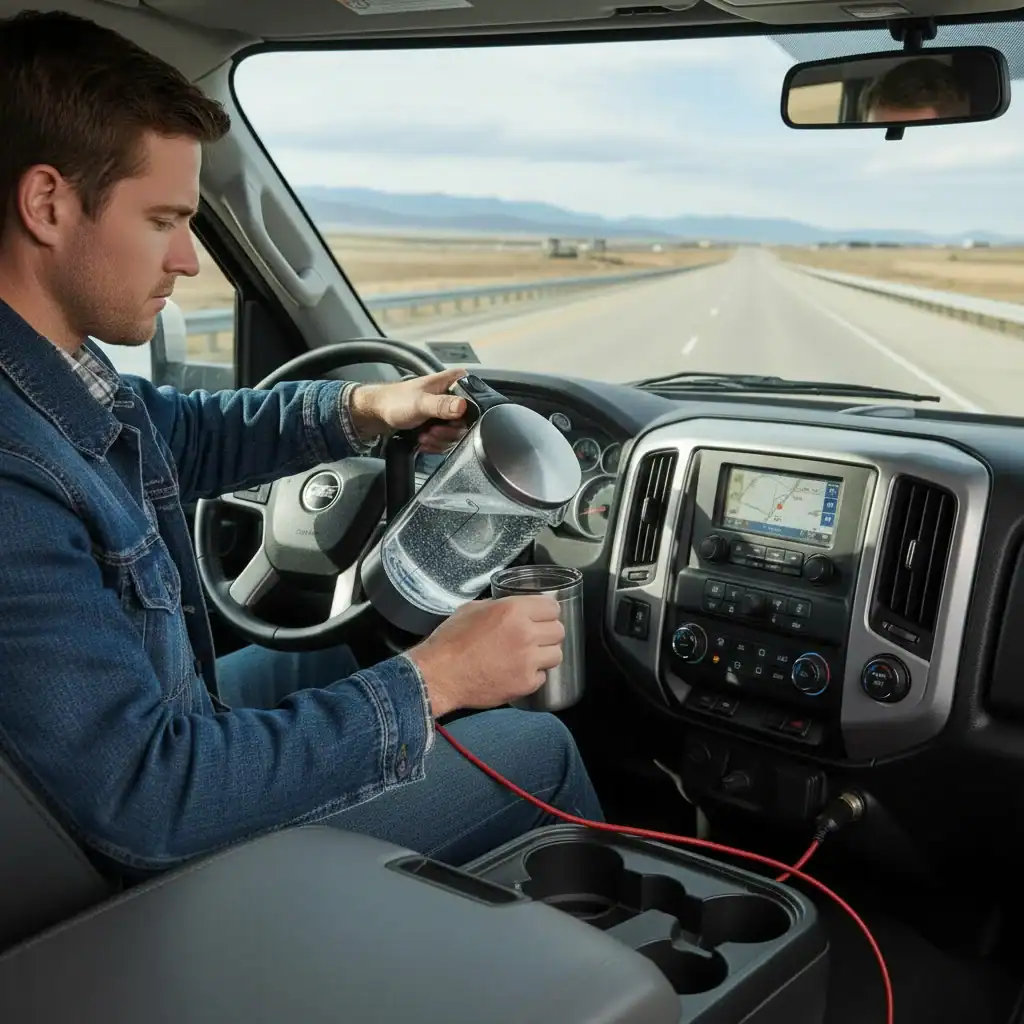
Even with a durable B-flute exterior, delicate components dictate precise internal protection strategies. Fragile units, like the SM400 high-borosilicate glass car kettle, require custom internal protective inserts to absorb localized transit shocks that the outer box cannot mitigate alone. Long-distance shipping also introduces the risk of cosmetic scuffs or structural wear on the exterior print. To counter this, distributors frequently add a thin, unbranded outer carton for premium retail goods, ensuring the primary gift box arrives in pristine condition for the end user.
Source Premium Ultra-Safe OEM Car Kettles
Do You Use Molded Pulp Inserts Instead of Polystyrene for ESG Compliance?
Molded pulp inserts deliver a 70% reduction in warehouse footprint and up to 70% lower carbon emissions compared to legacy polystyrene, instantly aligning B2B procurement with strict 2026 global retailer mandates.
Meeting Global ESG Standards with Molded Pulp
Strict 2026 municipal plastic bans and European retailer mandates turn legacy polystyrene (EPS) into a severe compliance liability for wholesale buyers. Molded pulp packaging actively displaces these outdated materials across modern supply chains to meet rigid environmental regulations and corporate sustainability targets.
This biodegradable alternative delivers a 30% to 70% lower carbon footprint compared to standard EPS materials. Transitioning to molded pulp aligns operations perfectly with zero-waste policies and global compostability standards, shielding brands from regulatory fines and restricted market access.
Functional Performance of Eco-Friendly Materials
Modern molded pulp formulations match the shock absorption and structural protection of traditional foam inserts. Packaging manufacturers engineer advanced bagasse-based variants to achieve the rigid structural integrity required for heavy automotive accessories. These high-density eco-friendly inserts provide the critical shock absorption necessary for delicate, premium components like KelyLands high-borosilicate glass car kettles and heavy-duty EV charger interfaces.
| Performance Metric | Traditional EPS Foam | Molded Pulp (Bagasse) |
|---|---|---|
| Raw Material Cost (Scale) | $700–$1,120 per unit equivalent | $280–$420 per unit equivalent |
| Storage Efficiency | 98% Air (High inbound freight cost) | Nestable (70% space savings) |
| ESG & Compliance Risk | High liability (Contaminates recycling streams) | Zero liability (100% Biodegradable) |
Switching to pulp alternatives allows procurement managers to entirely eliminate the recycling contamination barriers associated with EPS waste streams. The nesting capability of molded pulp also drives extreme logistics efficiency, drastically reducing inbound freight costs and warehouse footprint expenses.
KelyLands’ Packaging Options for Bulk B2B Orders
KelyLands provides highly customizable, eco-friendly retail packaging solutions to support OEM and ODM clients worldwide. B2B buyers specify molded pulp inserts to ensure their retail configurations meet regional environmental regulations without sacrificing product safety during transport.
We integrate this custom packaging directly on our assembly line to maintain maximum production efficiency for high-volume orders, applying a standard MOQ of 3,000 pieces. Clients receive fully compliant, protective retail boxes that securely cradle heavy 13-kg master cartons of commercial auto kettles, compressor fridges, and portable air pumps throughout turbulent global transit.
How Can Custom Foam Cutouts Protect the Glass/Screen During Transit?
Precision-engineered foam cutouts create a localized suspension system that disperses impact energy and immobilizes fragile components like high borosilicate glass and digital displays.
Shock and Vibration Absorption
Global logistics networks subject cargo to continuous vibration and sudden impacts. Custom foam material actively absorbs these kinetic forces before they reach the product. Packaging engineers mold the foam precisely around the perimeter of glass components to create a continuous cushioning barrier. This energy dispersion eliminates concentrated stress points that typically cause cracks in sensitive areas, such as the digital displays on smart air pumps or the high borosilicate glass used in KelyLands SM400 car kettles.
Immobilization of Components
Internal collisions cause a significant percentage of transit damage. Precision die-cut inserts eliminate this risk by holding items in rigidly fixed positions. We design custom cutouts to accommodate exact dimensions, matching irregular edges, bezels, and appliance handles perfectly. This snug fit locks the item tightly in place, ensuring delicate glass and screens remain completely stationary within the primary packaging box from the factory floor to the final destination.
Material Selection for Screens
Protecting polished surfaces requires specialized material formulations. Cross-linked polyethylene (XLPE) foam delivers a soft surface interface alongside high-density structural support while remaining completely waterproof. For electronic components and digital screens, anti-static foam neutralizes electrostatic discharge risks during shipment. These smooth, non-abrasive materials secure delicate glass surfaces without leaving chemical residue, micro-scratches, or scuff marks.
Multi-Layer Protective Configurations
High-value fragile items demand redundant defense systems. We deploy dual-layer and multi-piece foam designs to fully encapsulate glass components from every angle, maximizing baseline shock resistance. Manufacturers utilize advanced laser-cutting and waterjet technologies to carve exact, clean edges that fit seamlessly against the product contour. This multi-layered cushioning maintains strict structural integrity throughout the entire transport and handling lifecycle.
Conclusion
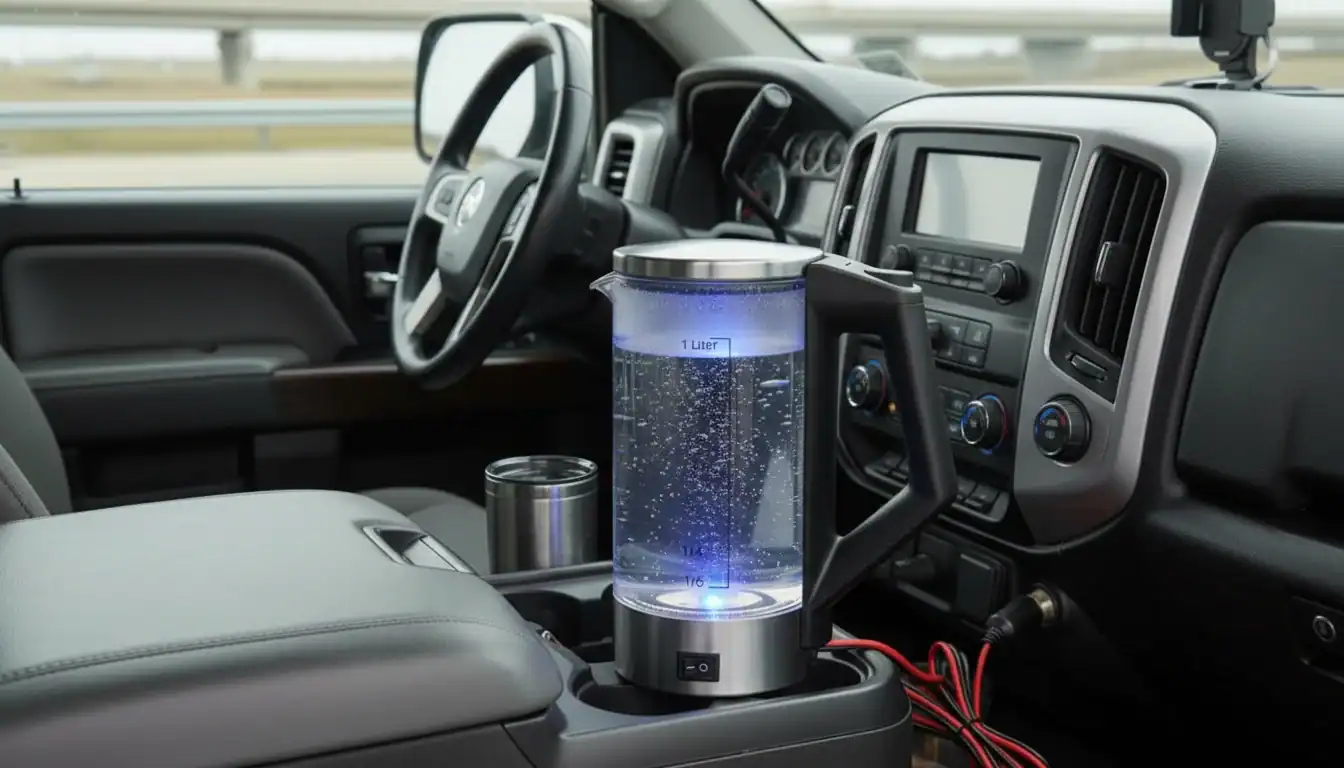
Upgrading to mail-ready rigid gift boxes protects fragile components like the high borosilicate glass of the SM400 travel kettle during transit. Incorporating molded pulp inserts and custom cutouts ensures the product arrives intact while meeting ESG compliance requirements. Eliminating the need for secondary outer cartons reduces shipping complexities for e-commerce logistics and enhances the unboxing experience for boutique brands.
Evaluate your current e-commerce fulfillment strategy to see if direct-to-consumer rigid packaging can streamline your supply chain. Contact our team to discuss custom packaging configurations and request an OEM travel kettle sample for your retail channel.
Frequently Asked Questions
Can the OEM travel kettle packaging be shipped without an outer carton?
Whether the OEM travel kettle packaging can ship without an outer carton depends on its structural design. If the packaging is constructed as a Ships In Own Container (SIOC) grade corrugated box, it is adequately shock-resistant and can be shipped directly. However, if the primary packaging is a standard retail folding carton or rigid box, it lacks the necessary impact resistance and will require an outer corrugated master carton to protect against transit damage, scuffing, and contamination.
Do you offer magnetic closure rigid boxes for premium gifts?
Yes, we offer rigid magnetic gift boxes specifically designed for premium gifting and luxury retail. These boxes feature a solid, dense chipboard construction combined with embedded magnets to provide a secure snap closure and an elevated, memorable unboxing experience. They can also be customized with elegant finishes and embossing to suit your brand.
What is the cost difference between EPS foam and eco-friendly pulp inserts?
Eco-friendly molded pulp inserts typically carry a slightly higher per-unit cost compared to traditional EPS (Expanded Polystyrene) foam, generally ranging from 15% to 30% more depending on the volume and design complexity. Additionally, molded pulp requires custom metal tooling for manufacturing, which increases the initial setup costs. However, many brands find the investment worthwhile to meet sustainability goals, improve unboxing aesthetics, and avoid the increasing regulatory restrictions associated with EPS foam.
Is the retail box ISTA drop-test certified?
Standard retail boxes are typically not ISTA drop-test certified on their own, as they are primarily designed for shelf display rather than surviving rigorous courier transit. To achieve ISTA certification (such as ISTA 3A or ISTA 6-Amazon SIOC), the packaging must be specifically engineered using shock-absorbent corrugated materials, proper internal void fill, and secure closures. We can custom-engineer your packaging structure and facilitate certified third-party ISTA testing to ensure it meets strict shipping and drop-test requirements.

 English
  Español
  Français
  Deutsch
  Português do Brasil
  Русский
  한국어
한국어  日本語
日本語  العربية