 跳转到主要内容 跳转到页脚

Sourcing for the back-to-school season requires balancing tight production windows with evolving student preferences. Delaying orders until the end of the year often leads to increased costs and limited factory capacity, especially as a 30% import tariff continues to pressure profit margins. Success in the student market depends on securing inventory early while meeting the specific aesthetic and functional demands of modern university housing.
We analyze how to time production during the Q3 window to avoid seasonal price spikes and supply chain congestion. This review covers technical requirements for upcoming product cycles, from matte finishes with gloss levels under 10 GU to modular appliances with suction power up to 280W. We also explore storage configurations engineered for the standard 6.00-square-meter floor footprints common in modern dormitories.
The August Rush: Timing Production for Q3
Planning in Q3 secures budgets and supply chain slots before the Q4 market flood. This timing mitigates risks from the 30% import tariff and ensures product roadmaps align with available talent and manufacturing capacity. Starting early prevents the rising costs and slipped timelines common in late-year production cycles.
| Planning Factor | Q3 Strategy | Market Impact |
|---|---|---|
| Budget & Roadmap | Finalize approvals in July-Sept | Secures talent before Q4 scarcity |
| Supply Chain | Reserve factory production slots | Avoids late-year cost escalations |
| Trade Mitigation | Onshore preparation & EaaS scoping | Offsets 30% tariff price pressure |
Strategic Alignment and Resource Allocation
Corporate decision cycles typically finalize budget approvals and hiring during the July-September window. This period offers a strategic window to align product roadmaps before talent and factory slots become scarce in Q4. Early planning prevents the “quiet before the wave” from escalating into a resource crisis when external partners reach full capacity. Teams define product requirements during Q3 without the immediate pressure of full-scale resource allocation, creating a buffer against the year-end market flood where supply chain costs often peak.
Securing these roadmaps in August provides the necessary lead time to evaluate technical challenges. It allows organizations to move beyond conceptual phases while manufacturing capacity remains flexible. This proactive approach ensures that the transition from budget approval to active development occurs seamlessly, avoiding the competition for specialized labor that intensifies as the fiscal year ends.
Production Lead Times and Tariff Mitigation
Mass production lead times require significant foresight, with portable pumps and vacuums typically needing 30–40 days, while car refrigerators often require 40–50 days. The current 30% tariff on imports pressures interest rates and increases the urgency for early onshore manufacturing preparation. Initiating the production cycle in August ensures that teams validate samples and prototypes well before peak seasonal demand hits the 2026 market.
Engineering-as-a-Service (EaaS) models facilitate this early start by enabling conceptual scoping of architecture and risk assessment during the initial planning phase. These flexible models provide expert technical input without the need for immediate permanent hires. By leveraging these resources in Q3, planners stabilize their supply chains against economic shifts and ensure that product hardware meets all functional requirements before the global logistics network becomes congested in Q4.
Color Trends: Pastels and Matte Finishes for Gen Z
Gen Z consumers in 2026 prioritize soft, warm palettes such as sage green, cream, and warm whites to create restful dorm environments. These aesthetics rely on matte finishes—often defined by gloss levels under 10 GU—to minimize glare and provide a tactile, premium feel in compact living quarters.
Aesthetic Drivers for Soft Tones and Warm Neutrals
Designers report an 85% favorability for soft, warm whites in living area products for the 2026 market cycle. This preference aligns with a broader shift toward restful aesthetics, where warm neutrals dominate bedroom environments at a 76% preference rate. Within this category, greige and beige represent 28% and 24% of consumer interest respectively. These calming tones extend into personal electronics and small-scale utility items, with rising demand for sage green, pale blue, and daffodil yellow. Floral-inspired pastels and soft pinks also see increased use, driven by feminine “coquette” design trends popular among Gen Z demographics.
Technical Execution of Matte Finishes and Custom Pigmentation
Achieving the desired visual effect for 2026 products requires precise calibration of surface sheen. Matte finishes must meet industry norms of less than 10 Gloss Units (GU) to ensure non-reflective surfaces that perform well under the harsh lighting often found in dormitories. OEM production processes utilize Pantone matching across durable plastics, including ABS, PC, and PP, to maintain housing consistency across different product lines. For high-volume orders, customization for specific brand palettes typically begins at 500 units to ensure color accuracy during injection molding. Manufacturers apply low-sheen coatings to these surfaces to resist fingerprints and smudges, maintaining a clean appearance in high-use student environments.
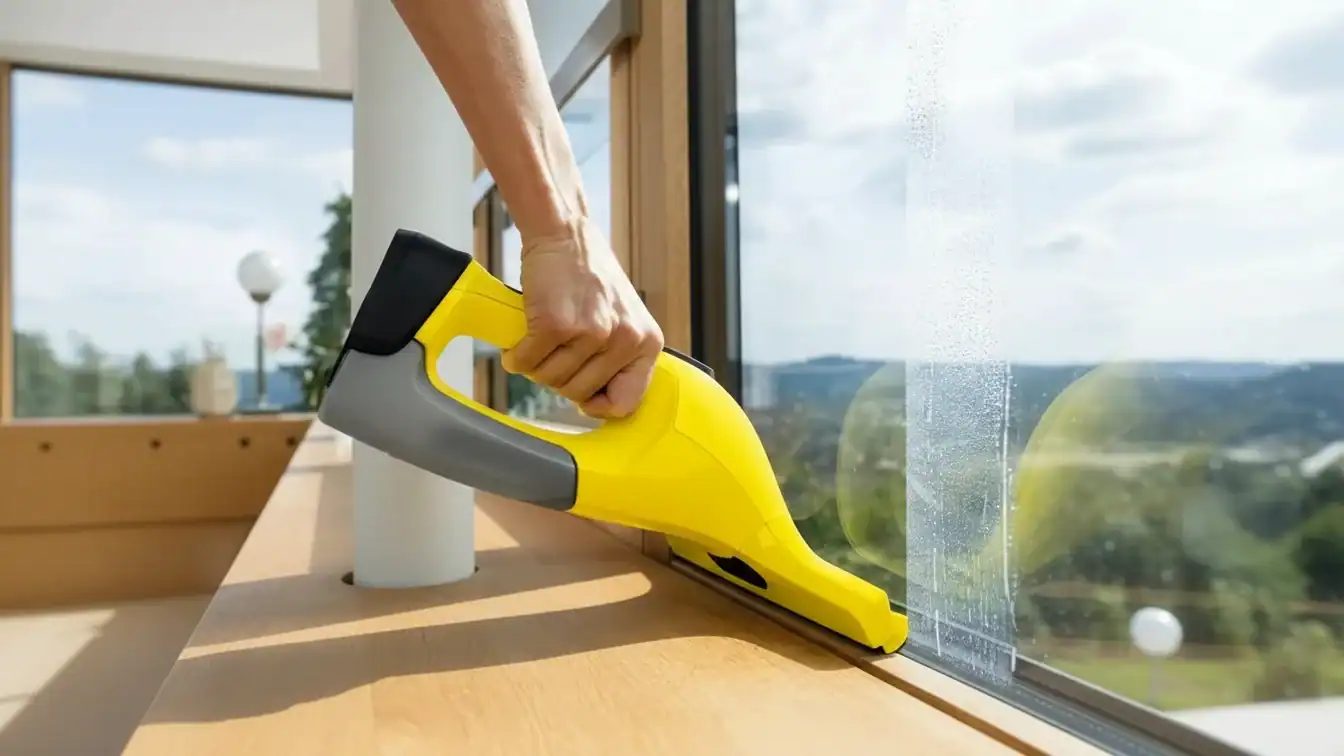
Multi-Functionality: Stick Vac as Handheld
Modern stick vacuums utilize detachable wands and modular attachments to transition into handheld units for upholstery and car cleaning. These devices typically weigh between 3.9 and 7.3 pounds and offer specialized tools like crevice nozzles and HEPA filtration to maintain air quality in compact living areas.
Modular Conversion and Attachment Versatility
Quick-release mechanisms allow the main floor nozzle to detach, converting the unit into a portable handheld for stairs and furniture. Specialized attachments such as extendable crevice tools and rotating dusting brushes enable precision cleaning in tight corners. Ergonomic weight distribution, with motor heads weighing as little as 3.9 pounds, improves maneuverability during handheld operation. Integrated LED displays on handles provide real-time updates on battery life and suction modes for better task management.
Devices like the LG CordZero and BISSELL PowerClean FurFinder illustrate how these designs adapt to specific environments. The LG unit features debris compression to manage waste more effectively, while the BISSELL functions as a 3-in-1 tool for floor-to-ceiling reach. Engineers focus on handle ergonomics because battery weight can impact the ease of use when cleaning car interiors or high-reach upholstery.
Technical Performance and Filtration Standards
Lithium-ion battery systems operating between 18V and 25.9V support runtimes from 13 to 70 minutes depending on the selected suction intensity. High-efficiency motors deliver suction power ranging from 120W to 280W, providing enough force to pull deep-seated debris from vehicle carpets and thick fabrics. Suction performance often scales by mode; a machine may offer 40 minutes of runtime on its lowest setting but drop to 7 minutes during maximum power bursts for stubborn messes.
HEPA filtration systems trap 99.97% of dust and allergens down to 0.3 microns according to ASTM F1977 testing protocols. Triple-layer cyclonic separators prevent fine dust from clogging the motor, which maintains consistent airflow during prolonged handheld sessions. Units such as the Simplicity S67 utilize three-stage cyclonic filtration and metal separators to ensure the motor stays protected and the exhaust air remains clean in high-traffic or multi-level living spaces.
Scale Your Brand with Custom, High-Performance Home Vacuums

Storage: Fitting in Cramped Dorm Rooms
Optimizing storage in 2026 dormitories requires vertical stacking and modular bins that fit within 6.00-square-meter floor footprints. Effective solutions use bed risers and slim organizers to maintain 1.20-meter egress paths and ensure 14.00 cubic meters of air space per occupant.
| Storage Metric | Standard Requirement | Space Utilization Strategy |
|---|---|---|
| Minimum Floor Area | 6.00 Square Meters | Use collapsible bins to minimize footprint. |
| Passageway Width | 1.20 Meters | Select slim-profile carts for clear egress. |
| Clear Height | 1.80 Meters | Apply bed risers for under-loft storage. |
Dimensional Constraints and Floor Space Optimization
Standard habitable dorm rooms require a minimum of 6.00 square meters with a least dimension of 2.00 meters. Residents must arrange furniture and storage units to preserve 1.20-meter wide passageways for safety and egress compliance. These spatial limits restrict the use of bulky, wide-base furniture in favor of modular components that occupy minimal floor area.
Occupancy regulations mandate 14.00 cubic meters of air space per person. This requirement limits the density of floor-based storage because excessive clutter can reduce the total volume of air available in the room. Residents maintain these air standards by choosing stackable units that leave portions of the floor plan open for ventilation.
Vertical Engineering and Modular Storage Solutions
Ceiling heights between 2.40 and 2.70 meters support vertical expansion using square-shaped bed risers. These tools lift bed frames to create a 1.80-meter clear height beneath mezzanine configurations, allowing for desk or trunk placement. Utilizing this vertical gap increases storage density without expanding the horizontal footprint of the furniture.
Collapsible storage bins and 300 mm slim-profile organizers prevent residents from obstructing 0.30-square-meter ventilation ducts. These specific dimensions ensure the room maintains 0.45 cubic meters per minute of airflow per occupant. Vacuum space bags and under-bed carts further optimize the area by securing bulk items like seasonal clothing within the unused zones beneath the bed frame.
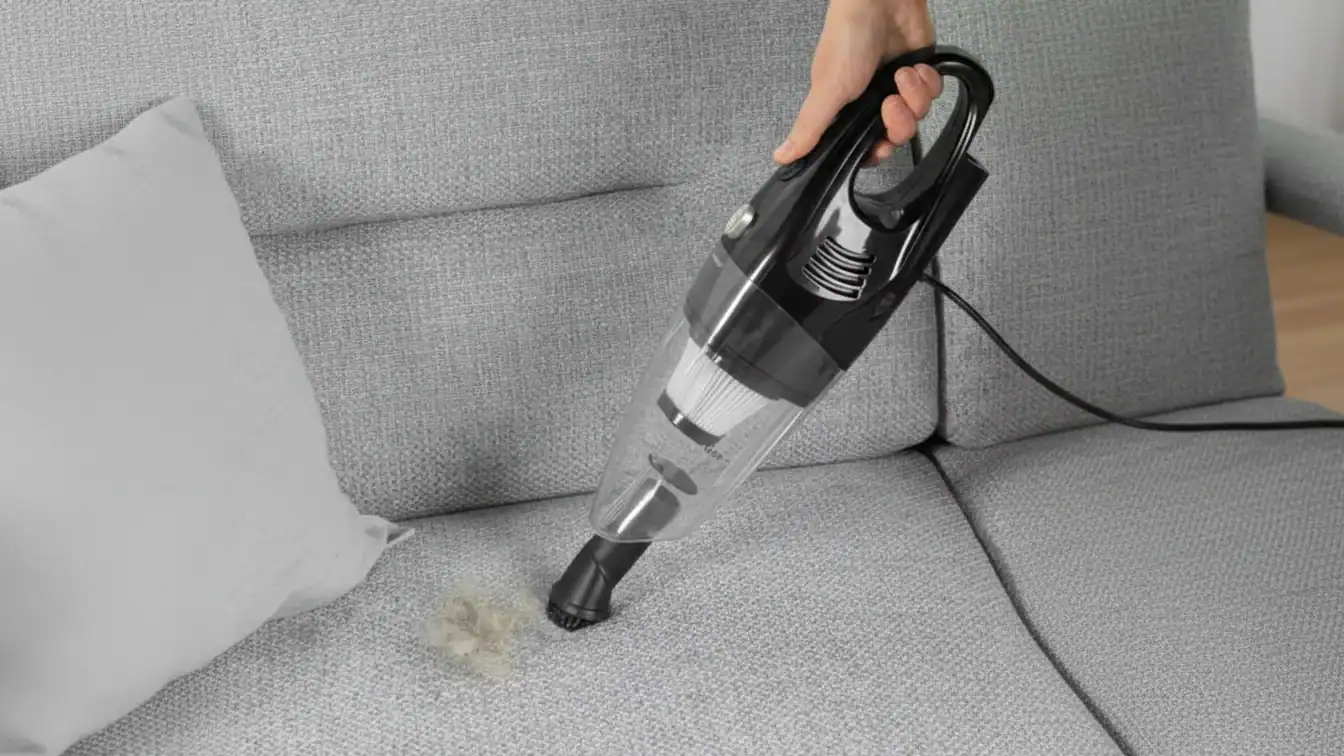
Price Point Psychology: The <$50 Impulse Buy
Shoppers often view purchases under $50 as low-risk, especially when these items represent less than 20% of their total cart value. Retailers leverage this by using charm pricing and strategic placement to encourage immediate, emotion-driven buying decisions without significant deliberation.
Behavioral Triggers in Low-Stakes Spending
Consumers evaluate additional spending relative to the most expensive item in their shopping cart. Shoppers typically accept add-on products that cost less than 20% of the primary item’s value, such as purchasing a small accessory for a high-end computer. This behavior stems from prospect theory, where the perceived financial pain of an extra expense diminishes as the total transaction value grows.
Low spenders with cart totals under $50 demonstrate more flexible buying patterns. These shoppers often lack a high-value reference point, allowing impulse items to occasionally exceed the price of the main product. Retailers use this lack of a rigid percentage constraint to move low-cost utilities like portable vacuums or air pumps, capitalizing on the buyer’s diminished sensitivity toward aggregated spending.
Pricing Tactics and Retail Placement
Charm pricing at $19.99 or $49.99 exploits left-digit bias to frame the cost as a bargain rather than a rounded expense. Odd pricing endings such as .97 or .95 further signal value for items like car coolers and mini-fridges in high-traffic zones. These psychological markers encourage low-deliberation buys by making the price point appear smaller than its actual value.
Retailers maximize average transaction value by placing impulse items near checkout counters in dorm-focused outlets to trigger dopamine-driven gratification. E-commerce platforms and physical stores use A/B testing and multi-armed bandit methods to determine the exact price thresholds where customer behavior shifts. These data-driven strategies ensure that products meet the specific affordability markers required to convert a casual browser into an immediate buyer.
Final Thoughts
Success in the 2026 back-to-school market relies on balancing early supply chain action with specific design preferences. Finalizing production schedules in August allows brands to navigate tariff pressures and factory congestion before the end-of-year peak. Selecting the right aesthetics, such as matte finishes and soft palettes, ensures products resonate with Gen Z’s shift toward calm, cohesive living environments.
Integrating modular features into everyday tools like vacuums addresses the physical constraints of modern dormitories. As students continue to prioritize vertical storage and versatile equipment, manufacturers must focus on engineering products that fit within rigid square-footage and safety requirements. Aligning these technical specifications with the Q3 planning cycle provides a reliable path for meeting 2026 delivery windows and consumer expectations.
Frequently Asked Questions
What are the trending dorm accessory colors for the 2026 season?
The 2026 Back-to-School trends highlight Bauhaus-inspired primary colors—red, yellow, and blue—alongside neutral tones like beige and gray. Metallic finishes such as chrome and gold provide a modern look, while earthy options like cordovan and khaki cater to nature-focused aesthetics in student housing.
How early should we schedule production for June or July delivery?
Back-to-School production typically requires an 8 to 12-week lead time. To ensure arrival by June or July 2026, we suggest placing orders by April. This timeframe allows for manufacturing, rigorous quality checks, and logistics coordination.
Do your handheld vacuum models include dusting brushes for desks?
Yes, our handheld vacuum cleaners designed for the dorm market include dusting brushes as standard attachments. These tools specifically clean electronics and desk surfaces, enhancing the multi-functional utility of the device in cramped living spaces.

 English
  Español
  Français
  Deutsch
  Português do Brasil
  Русский
  한국어
한국어  日本語
日本語  العربية