 跳转到主要内容 跳转到页脚

B2B buyers sourcing for the 2026 academic cycle face a high-stakes market where student housing occupancy stays robust at 95.1%, driving constant demand for entry-level appliances. Winning in the first apartment sector depends on finding vacuum models that hit sub-$40 price points by prioritizing core suction over aesthetic extras.
This analysis details the cost engineering behind high-volume budget home lines, including the move to 2-pole induction motors that reach 3,600 rpm for better retail benchmarking. We also cover how removing high-maintenance features like swivel necks and LED lights reduces total unit weight by 50%, alongside the logistics requirements for keeping pallet weights under 1,250 kg for high-speed distribution.
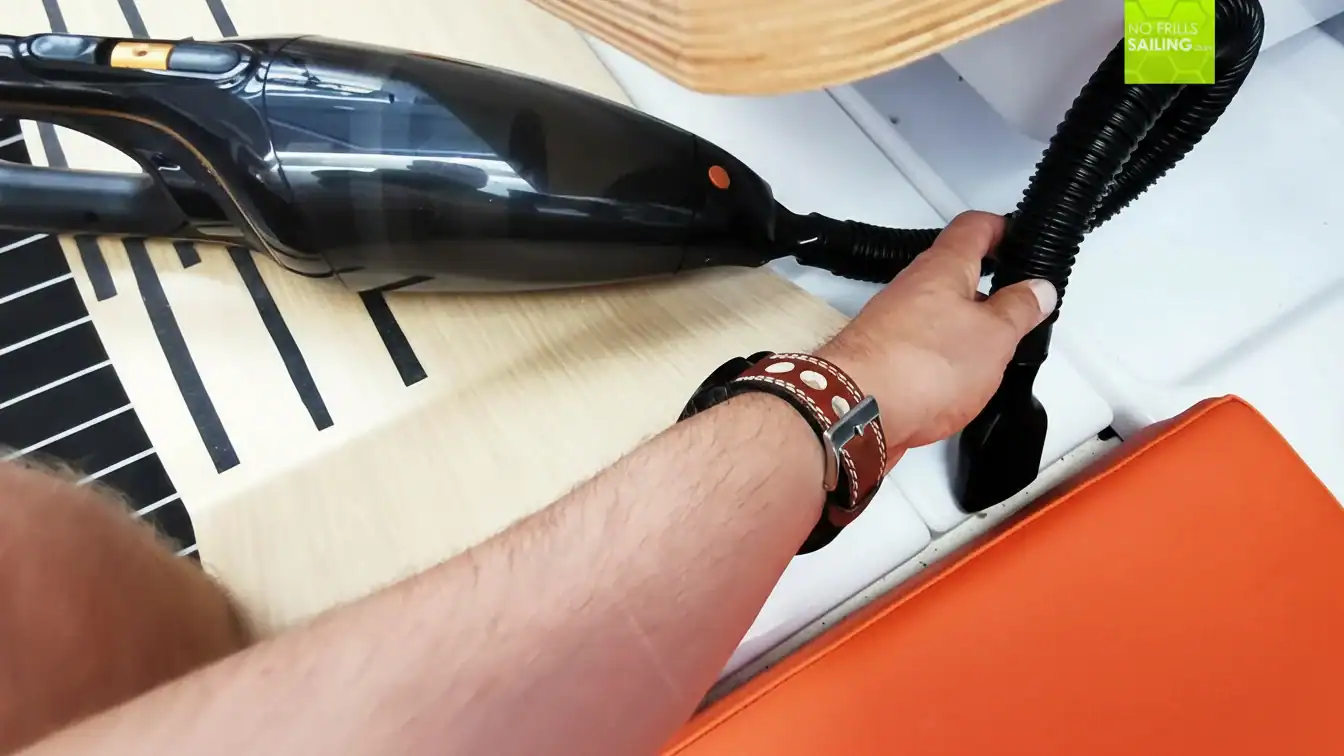
The “First Apartment” Market: Pricing for Students
By 2026, student housing prices average between $910 and $1,050 per bed. Proximity to campus remains the primary value driver, with units within a half-mile radius commanding 15-20% premiums and maintaining occupancy rates above 95%.
Rental Benchmarks and Market Occupancy Trends
National average rents for purpose-built student apartments reach approximately $950 per bed for the 2026 academic cycle, following a stabilized rate of $905 per bed recorded across major university markets in late 2025. Occupancy rates stay robust at 95.1%, which sustains steady demand for entry-level home accessories and furniture. Regional disparities remain significant, as high-density markets in New York and California see monthly prices exceed $1,500 to $2,000. Total monthly living costs for students, including rent and non-essential expenses, typically range from $1,500 to $3,000 depending on the specific campus location and local economic conditions.
Distance-Based Pricing and Asset Valuation
Location proximity to campus dictates per-bed pricing and long-term property investment value. Units located within 0.5 miles of campus command a 15-20% price premium, often averaging $910 per bed. Units situated over one mile away target the sub-$800 budget threshold, catering to more price-sensitive demographics. Investment valuations for core student housing assets average $129,230 per bed, reflecting the significant financial stakes within the “first apartment” sector. Discount retailers and B2B suppliers focus on these off-campus units where lower rent thresholds increase student sensitivity to product pricing, especially for those transitioning into their first independent living spaces.
Cost Engineering: Stick Body vs. Full Upright Chassis
In 2026, budget home engineering prioritizes full upright chassis and panelized systems to minimize site labor. While stick bodies offer customization, prefabricated chassis reduce lumber waste by 80% and lower construction costs to $130–$145 per square foot, compared to $210 for traditional stick-built structures.
| Comparison Metric | Stick Body Construction | Full Upright Chassis (SIPs) |
|---|---|---|
| Construction Cost | $210 per sq. ft. | $130 – $145 per sq. ft. |
| Lumber Usage | 22% – 24% | 3% – 5% |
| Structural Strength | Baseline | 55% Stronger |
| HVAC Requirement | 3-Ton System | 2-Ton System |
| Site Waste Reduction | Standard | 30% Improvement |
Structural Frameworks and Assembly Logic
Stick body construction utilizes traditional 2×4 or 2×6 dimensional lumber that requires manual measuring, cutting, and assembly on the job site. This method typically consumes 22-24% of the total lumber for the build. Because workers must frame every opening and stud in the field, labor costs and material waste remain high.
Full upright chassis leverage structural insulated panels (SIPs) or modular metal frames that arrive on-site pre-configured. These factory-assembled systems are 55% stronger than traditional field-framed stick bodies because they benefit from controlled environment bonding and precise tolerances. By using these panelized upright systems, builders reduce total lumber usage to just 3-5%.
Financial Metrics and Resource Efficiency
Modular upright chassis cost between $130 and $145 per square foot. This provides significant savings over the $210 per square foot average for stick-built homes. Raw material costs for structural insulated panel systems range from $10 to $18 per square foot, allowing for tighter budget control during the procurement phase.
Offsite chassis assembly reduces waste disposal costs by 30% by eliminating job-site scrap. The superior thermal envelope of a prefabricated chassis allows engineers to downsize HVAC units from 3-ton to 2-ton systems, which lowers initial equipment expenses. Additionally, pre-integrated electrical chases in upright chassis generate substantial labor savings. Field data shows that these built-in paths for wiring significantly drop installation costs compared to drilling through traditional wood studs.

Cutting Non-Essentials: Removing Lights and Swivels
Removing high-maintenance features like LED headlights and swivel necks allows manufacturers to lower price points without sacrificing core suction performance. For the 2026 budget market, this strategy relies on simplifying internal wiring and using fixed-chassis designs that meet SAE-AS5768 standards for electrical reliability.
| Component Standard | Technical Specification | Production Benefit |
|---|---|---|
| SAE-AS5768 Stripping | 30-10 AWG Range | Ensures electrical integrity after circuit removal |
| Blade Precision | 3.3mm Counter-bored | Prevents conductor damage during accessory removal |
| Stroke Control | 4mm Short-stop Latch | Protects wire strands for 90-day warranty stability |
| Chassis Material | Die-cast Zinc Frame | Reduces unit weight by 50% for bulk shipping |
Strategic Simplification of Vacuum Chassis Design
Eliminating integrated LED lights removes the need for secondary wiring harnesses and complex PCB solder points. This reduction in electrical architecture allows assembly lines to bypass intricate manual soldering, which directly lowers the bill of materials. By stripping these non-functional electronics, manufacturers focus resources on the primary motor and filtration systems.
Replacing 360-degree swivel necks with fixed-angle joints reduces mechanical complexity and long-term joint fatigue. Swivel mechanisms often require reinforced gaskets and flexible electrical conduits that are prone to failure. Fixed-chassis designs eliminate these high-wear points, improving the structural durability of the vacuum while lowering the manufacturing costs associated with multi-part joint assemblies.
Simplified internal housing uses fewer molded plastic parts, which speeds up the injection molding cycle in Yuyao facilities. Reducing the part count per unit decreases the cooling time required during production and minimizes tool wear. The lower component count also reduces the overall weight of the unit, which optimizes pallet density and shipping costs for bulk B2B distribution.
Technical Standards for Component Removal
Engineers use SAE-AS5768 standards to ensure precision wire stripping when removing non-essential accessory leads. Adhering to these aerospace-grade protocols prevents electrical shorts that could occur if insulation is haphazardly cut. This precision ensures that the remaining core power circuits maintain full connectivity without the risk of corrosion or loose strands.
Die-type precision blades with counter-bored holes, specifically 3.3mm for 10-14 AWG wires, prevent conductor damage during the removal of accessory circuits. These blades match the specific diameter of the insulation and the conductor, ensuring a clean break without scoring the copper. This technical accuracy is necessary for maintaining the electrical load balance after lights and swivels are removed.
A 4mm short-stop latch limits the stripping stroke to protect wire strands and retain insulation slugs, ensuring 90-day warranty reliability. This mechanical stop prevents over-stripping, which is a common cause of wire fatigue in budget appliances. Using die-cast zinc frames provides a sturdy foundation for simplified motors, keeping the unit 50% lighter than full-feature models while meeting the durability requirements for entry-level consumer markets.
Scale Your Brand with High-Performance Home Vacuum Cleaners

Motor Choice: High-RPM Motors for Spec Sheet Wins
Budget home lines in 2026 gain a competitive edge by specifying 2-pole induction motors in the 3,500 to 3,600 rpm range. These speeds align with standard NEMA and IEC high-RPM categories, allowing manufacturers to highlight superior performance metrics over common 1,800 rpm alternatives on retail spec sheets.
Defining High-RPM Performance Tiers
2-pole induction motors represent the primary high-RPM tier for 60 Hz regions, providing a synchronous speed of 3,600 rpm. While many entry-level appliances utilize 4-pole or 6-pole configurations with lower rotational limits, the 2-pole design allows manufacturers to maximize speed using standard line power. These configurations fit within established NEMA and IEC frameworks, ensuring that budget-focused product lines remain cost-competitive while delivering enhanced performance metrics.
Actual full-load speeds typically settle near 3,500 rpm after accounting for motor slip. Using 3,600 rpm as the nameplate rating enables direct benchmarking against industrial horsepower tables, which helps buying agents compare the motor against commodity 1,800 rpm alternatives. This standardized approach provides a technical foundation that makes product specifications appear more robust and professional in retail environments.
Industrial Standards for High-Speed Reliability
Reliable high-speed operation depends on adhering to strict vibration and mechanical limits. Adherence to IEC 60034-14 restricts bearing-housing vibration to 2.3 mm/s rms for motors running up to 3,600 rpm. These constraints prevent premature wear and ensure the motor assembly remains stable under load. Manufacturers also maintain mechanical shaft vibration at 65 μm p-p to ensure long-term durability, particularly in applications where high torque and high speed intersect.
Integrating these motors into 2026 product cycles involves using standardized frame sizes like the NEMA 143T. This specific frame supports 1.5 hp outputs at high speeds, offering a compact yet powerful solution for home appliances. Selecting cataloged motors that meet these industrial benchmarks allows brands to claim high reliability on their spec sheets while leveraging the cost efficiencies of mass-produced NEMA and IEC components.
Compact Packaging: Optimizing for Discount Retailers
Packaging for discount retailers prioritizes high-density palletization and durability. Requirements include a 1,250 kg maximum pallet weight, strict 50 mm edge clearances, and 16-inch drop test certifications. Ensuring barcode readability and material strength against humidity is essential for maintaining supply chain speed and product integrity in warehouse environments.
Maximizing Pallet Density and Distribution Efficiency
Standard pallet configurations require strict weight management to ensure safety and equipment compatibility within high-volume distribution centers. We limit individual layers to 250 kg, while the total pallet weight must stay under 1,250 kg, including the pallet itself. Maintaining a minimum 50 mm gap from the pallet edges prevents overhang, which protects goods from crushing and ensures smooth movement through automated conveyor systems.
Shipping single-item pallet loads streamlines the receiving and sorting process. Cases must follow a uniform horizontal orientation with clear shrink-wrap extending to the top board to provide maximum transport stability. This configuration avoids chimney stacking and incomplete patterns, allowing automated suction and selection tools to handle cases efficiently without risking load shifts or material failure.
Durability Standards and Logistics Compliance
Packaging materials must withstand the environmental stressors of the retail supply chain. Corrugated fiberboard needs specific Edgewise Crush Test (ECT) ratings to maintain structural integrity during stacking. We account for a 50% reduction in stacking strength when relative humidity levels reach 85%, a common condition in non-climate-controlled warehouses. Using high-speed sealing technologies like low-impact taping heads further secures lightweight cartons at speeds up to 150 feet per minute without damaging the contents.
Logistics compliance also relies on rigorous physical testing and scanning accuracy. Inner packs must pass a 16-inch drop test into plastic totes to verify that components do not loosen or break during rapid automated sorting. For inventory tracking, we apply 12-digit UPCs to selling units and 14-digit GTIN barcodes to cases. These case barcodes must maintain a minimum height of 1.5 inches to ensure reliable scanning by high-speed overhead systems used by major discount retailers.

Final Thoughts
Sourcing high-volume budget vacuums for the student market requires balancing technical specs with aggressive cost reduction. Successful designs often use a full upright chassis to minimize labor and material waste during assembly. Stripping non-essential features like LED lights and swivel joints allows manufacturers to maintain suction performance while meeting the price targets set by discount retailers. These simplified machines focus on mechanical durability and motor speed, which satisfies the basic needs of residents in their first apartments.
Engineering and logistics efficiency determines the overall success of these entry-level appliances. High-RPM motors provide the performance metrics needed for competitive marketing without the expense of advanced electronics. Combining these designs with high-density packaging ensures that units survive the rigors of automated distribution centers and reach the shelf at a low cost. Retailers and suppliers who prioritize these core functional choices will find more opportunities in the high-demand 2026 rental market.
Frequently Asked Questions
How can stick vacuums be sold for under $40?
High-volume manufacturing in low-cost regions like China enables pricing under $40. This process uses basic plastic housings and minimal electronics, leveraging economies of scale to reduce per-unit costs for bulk materials and labor.
What is the standard warranty policy on budget vacuum units?
Warranty policies for budget units typically provide 1-year limited coverage. This timeframe balances manufacturing cost constraints with necessary consumer protection for light household applications.
Is the plastic housing durable on low-cost models?
Injection-molded thermoplastics tested for basic impact resistance provide durability in budget models. Manufacturers select these materials to withstand standard residential use even at price points below $40.

 English
  Español
  Français
  Deutsch
  Português do Brasil
  Русский
  한국어
한국어  日本語
日本語  العربية