 跳转到主要内容 跳转到页脚

Shipping products through global parcel networks puts immense stress on retail packaging, often leading to damaged goods and costly returns. B2B manufacturers must navigate strict compliance standards to ensure their items reach customers intact without the need for expensive secondary shipping boxes.
We break down the ISTA 6-Amazon SIOC protocols, where packages must survive drops from 9 to 16 inches and specific vibration profiles. This analysis covers material selection between sustainable honeycomb and EPE foam, FBA labeling requirements, and strategies to fill a 40HQ container’s 76-cubic-meter capacity. We also compare pallet stacking patterns, showing how column stacking increases vertical strength by 30% to support heavy loads throughout the supply chain.
“Drop Ship” Challenge: ISTA 6
ISTA 6 standards, specifically Amazon SIOC, require products to survive the parcel delivery network in their original retail packaging. Testing involves rigorous drop sequences from 9 to 16 inches, random vibration at 0.53 Grms, and horizontal impacts to ensure car accessories reach customers undamaged without additional shipping boxes.
| Testing Standard | Hazard Simulation | Technical Benchmark |
|---|---|---|
| ISTA 6-Amazon SIOC | Rotational Edge/Flat Drops | 9 inches (230 mm) |
| Elongated & Flat SKUs | Bridge & Concentrated Impact | 16 inches (400 mm) hazard box |
| General Transit | Random Vibration Profiles | 0.46 to 0.53 Grms |
| Shock Resistance | Horizontal Impact Velocity | 1.2 m/s (48 in/s) |
Logistics Survival Standards for Direct-to-Consumer Shipping
ISTA 6-Series Member Performance Tests function as specialized transit simulations rather than generic laboratory exercises. Global retailers and carriers like Amazon and FedEx developed these protocols to replicate the unique stresses of their own e-commerce and LTL supply chains. The ISTA 6-Amazon.com SIOC protocol focuses on individual products shipped without secondary overboxing, requiring the primary retail package to handle the entire journey. This testing mimics the physical hazards of single-parcel sorting systems, conveyor drops, and mixed-load trailer environments. For packages under 50 lbs, labs combine drop sequences and random vibration with top-loads to simulate the stacking and shifting that occurs in real-world transit.

Impact Heights and Vibration Spectra for SIOC Certification
Certification requires packaging to meet precise physical benchmarks for impact and vibration. Technicians perform rotational edge and flat drops at a fixed height of 9 inches to test structural integrity. Packages with elongated or flat dimensions face higher risks and undergo bridge and concentrated edge impacts using a hazard box dropped from 16 inches. Vibration testing utilizes random profiles maintained at 0.53 Grms and 0.46 Grms to simulate truck and air transport movements. Liquid products face an additional 8-hour leak integrity test to ensure seals withstand pressure changes and handling without failure. Systems like innShock verify horizontal impact durability at 1.2 m/s, replicating the shocks experienced during trailer braking and shunting.
Honeycomb vs. EPE Foam
Honeycomb provides superior structural support for heavy pallet stacks with static loads up to 800 kg/m², making it ideal for car fridges. EPE foam excels in vibration dampening for sensitive EV charger electronics. While EPE persists for centuries, honeycomb offers a 100% recyclable alternative that meets 2026 environmental export standards.
Material Structure and Mechanical Functions
Honeycomb panels utilize kraft linerboard and cellulosic hexagonal cores with densities ranging from 30–100 kg/m³ to mimic the strength of structural beams. This hexagonal geometry allows the material to function as a rigid buffer for heavy industrial goods, where maintaining column strength throughout the supply chain is essential. In contrast, EPE (expanded polyethylene) consists of closed-cell plastic foam with a typical density of 18–33 kg/m³, specifically engineered for energy absorption and flexibility.
Engineered honeycomb provides the necessary vertical strength for stable stacking, whereas EPE foam offers multi-impact protection for precision instruments. Logistics managers often employ hybrid designs, using EPE foam for custom-molded interior cradles to secure delicate parts and honeycomb for outer wall reinforcement. This combination maximizes stack height and protects against both structural collapse and high-frequency vibrations during transit.
Performance Metrics and Sustainability Compliance
Kraft honeycomb delivers compressive strengths up to 300 kPa, supporting static loads of 800 kg/m² for stable pallet stacking. EPE foam provides superior thermal insulation and shock dampening for electronics but lacks the vertical strength-to-weight ratio required for heavy automotive components. The differences in structural integrity mean honeycomb performs more like a structural panel than a simple cushion, allowing for better cube utilization in shipping containers.
Environmental standards drive the shift toward paper-based materials in global logistics. Honeycomb materials are 100% biodegradable within 3–6 months, a sharp contrast to traditional plastic foams that persist in landfills for over 1,000 years. Adopting honeycomb production can reduce packaging costs by 30% while qualifying exporters for EU green certifications and 2026 sustainability mandates. These factors make honeycomb a strategic choice for manufacturers in Turkey and Southeast Asia targeting markets with strict environmental regulations.
Container Tetris (40HQ)
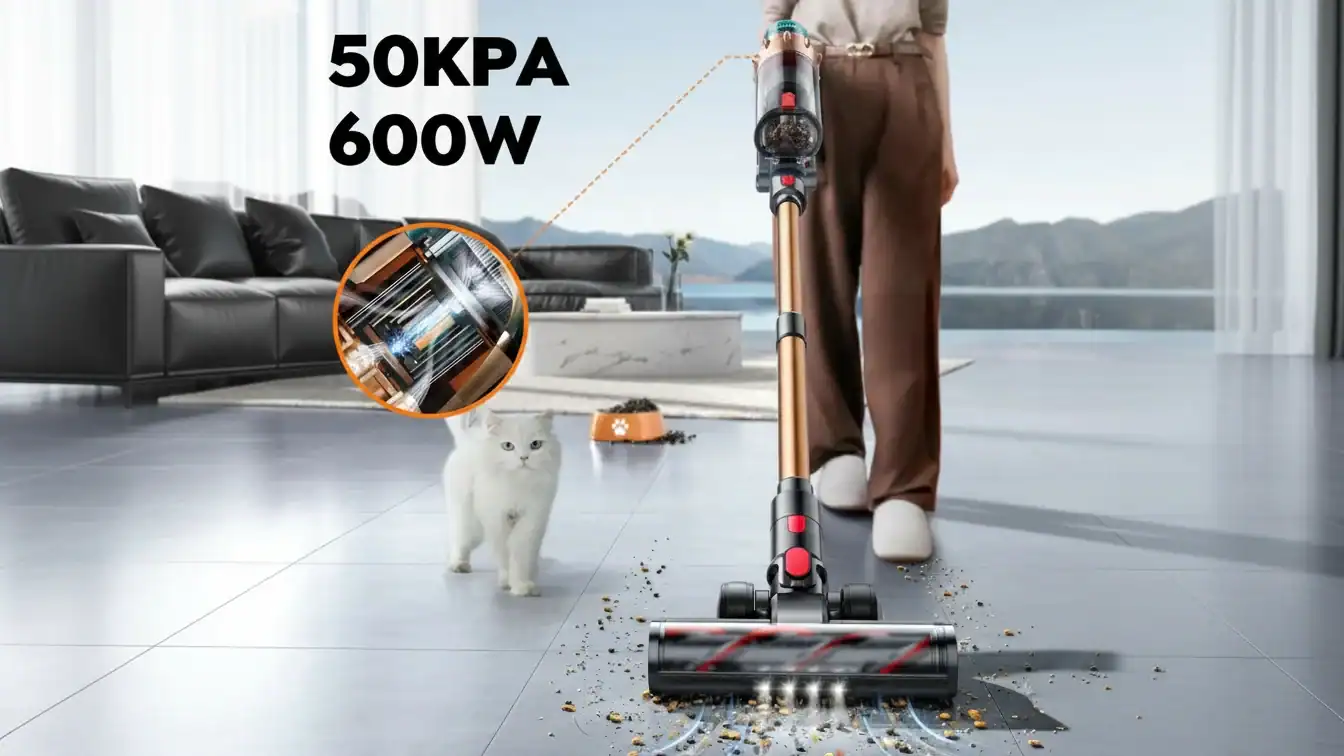
A 40-foot High Cube (40HQ) container provides 76 cubic meters of volume, offering roughly 12% to 15% more space than standard units. With internal dimensions of 12.03 m x 2.35 m x 2.69 m, it accommodates higher stacking for bulky car accessories like fridges and vacuum cleaners, fitting up to 22 standard pallets.
Internal Dimensions and Volume Optimization
The 40HQ container serves as a primary choice for high-volume car accessory shipments due to its expanded vertical space. Internal measurements reach 12.03 meters in length and 2.35 meters in width, but the 2.69-meter height distinguishes it from standard 40-foot units. This extra vertical foot creates a total volume of 76 cubic meters, providing 252 cubic feet of additional cargo space for bulky items like portable car refrigerators or large-scale automotive detailing kits.
Loading strategies must account for the physical constraints of the door opening, which measures 2.34 meters wide and 2.59 meters high. Keeping loaded items under 8’6″ ensures forklift access without obstruction during the stuffing and stripping process. The structure also incorporates gooseneck tunnels measuring 1,029 mm wide by 120 mm high. These tunnels assist with floor-level stability, ensuring the container sits securely on the chassis during dynamic sea freight conditions.
Pallet Capacity and Weight Limits
Standard load planning for sea freight typically accommodates 20 to 22 standard pallets (48×40 inches) or up to 30 Euro pallets. The maximum payload for these containers fluctuates between 28,560 kg and 28,750 kg, subject to the specific carrier chassis and local road weight regulations. This high capacity allows sellers to maximize their shipping budget by moving more units in a single journey.
Shippers calculate the available weight for products by subtracting the tare weight, which averages 3,900 kg. This leaves roughly 28,600 kg available for the product and its packaging. Novice shippers often aim for an 85% fill rate. This target helps stabilize the load and prevents shifting or damage during long-distance maritime transport while still maintaining cost-efficiency.
Scale Your Brand with Custom High-Performance Vacuum Cleaners

FBA Labeling (FNSKU)
The Fulfillment Network Stock Keeping Unit (FNSKU) is a unique barcode Amazon uses to track products. Every unit requires a scannable label between 1×2 and 2×3 inches, printed at 300 DPI on non-reflective white stock. These labels prevent inventory commingling and ensure items map correctly to the specific seller’s account.
Identity Mapping and Traceability Standards
Amazon uses FNSKU barcodes as the primary control point to link physical units to a specific seller’s catalog. This machine-readable identifier ensures that inventory remains attributed to the correct account throughout the fulfillment lifecycle. Each unique product requires a dedicated FNSKU to prevent inventory commingling with other sellers offering the same SKU.
FBA requirements mandate a scannable barcode on the exterior of every sellable unit, whether the item is a small consumer electronic or a large appliance. Removing and relisting a product often generates a new FNSKU. In these cases, you must apply updated labels to all physical units to maintain compliance and ensure proper stock attribution.
Print Specifications and Placement Rules
Labels must measure between 1″×2″ and 2″×3″ and require thermal or laser printing at a minimum resolution of 300 DPI. Use black ink on white, non-reflective adhesive stock to maintain high first-pass scan rates on automated conveyors. The standard layout requires 0.25″ side margins and 0.125″ top and bottom margins to prevent scanning errors caused by edge clipping.
Apply labels to a flat, smooth surface and keep them clear of seams, corners, or openings that might distort the barcode. If the packaging includes multiple layers, each exposed layer must carry its own FNSKU label if it will be handled or scanned individually. This redundancy protects traceability during palletization and repacking workflows.
Unboxing vs. Protection
Balancing unboxing with protection involves a multi-layer packaging system verified by ISTA 3A or ISTA 6 protocols. By combining engineered materials like custom foam or molded pulp with structural elements like ECT 44 corrugated board, brands maintain a premium reveal without risking product damage from drops of up to 760 mm.
Packaging Architecture and the Layered Reveal
Primary packaging handles direct product contact, moisture control, and branding using substrates like coated paperboard or PET materials. These layers focus on the immediate environment of the accessory, ensuring surfaces remain free from scuffs or environmental exposure. Secondary and tertiary layers provide the structural integrity required to absorb transit shocks and vibration during long-haul transport. By separating the branding elements from the heavy-duty transit components, engineers protect the aesthetic “hero” box from the rigors of the logistics chain.
High-value electronics and luxury accessories often utilize two to three reveals using die-cut paperboard inserts or tissue to stage a deliberate unboxing sequence. This staged approach allows for a premium presentation while maintaining the tight tolerances needed to prevent part movement. Printing clear opening cues on the transit cartons helps guide the consumer, preventing the use of excessive force or sharp tools that could inadvertently damage internal components during the initial opening phase.
Distribution Testing Protocols and Material Selection
ISTA 3A and ISTA 6-Amazon.com-SIOC protocols simulate the e-commerce journey through 10–17 free-fall drops from heights ranging between 460 mm and 760 mm. These tests ensure that the chosen packaging can withstand last-mile handling shocks that typically drive high return rates. Engineered inserts, including polyethylene (PE) foam and cross-linked PE, provide calibrated energy absorption based on ASTM static compression curves. These materials are selected specifically for their ability to recover from impacts and maintain the positioning of the accessory within its branded box.
Standard single-wall transit boxes require ECT 32 or ECT 44 board grades to prevent crushing during high-density stacking in freight containers. Higher Edge Crush Test (ECT) ratings allow for thinner interior cushioning, which creates a cleaner, less cluttered unboxing experience without sacrificing vertical strength. Logistics managers analyze damage rate data to iteratively remove excess interior materials, optimizing weight and cube efficiency while ensuring the protective system meets the required safety thresholds for global distribution.
Pallet Stacking Patterns
Engineers choose stacking patterns based on the trade-off between vertical strength and lateral shift resistance. Column stacking increases edge support by 30%, making it ideal for heavy items like car fridges. Interlocking patterns such as brick or pinwheel layouts provide better stability during motion but require 40-50% higher box compression strength to prevent structural failure.
| Stacking Pattern | Strength Performance | Primary Engineering Benefit |
|---|---|---|
| Column/Block | +25–30% Vertical Strength | Maximizes corner-to-corner compression; limits box crush. |
| Interlocked (Brick/Row) | -40–50% Vertical Strength | Provides lateral friction; prevents toppling in ocean freight. |
| Partially Interlocked | +45% vs. Fully Interlocked | Balances column alignment with locking layers. |
| Pinwheel | Variable Utilization | Stabilizes irregular cartons and shifting loads. |

Column Stacking and Vertical Compression Strength
Column stacking aligns box corners vertically to increase edge load transfer by 25–30% compared to offset patterns. Since corrugated boxes possess maximum structural integrity at their vertical edges, aligning these points directly transfers the compressive weight into the pallet deckboards. Industrial standards like the Snap-on General Requirements mandate column stacking to maximize corner-to-corner strength for heavy equipment. This configuration prevents the “pyramid” effect that often leads to unstable unit loads and damaged goods.
The Pallet Design System (PDS) from the NWPCA utilizes column-stacked RSC boxes as the baseline for 2026 safety ratings. This model assumes zero overhang and consistent corner support. Maintaining a 48 x 40 inch GMA or 1200 x 1000 mm footprint with 80% deck coverage ensures optimal weight distribution into pallet stringers. While column stacks offer superior vertical support, they rely heavily on stretch wrap or strapping to maintain lateral stability during handling.
Interlocking and Lateral Stability Configurations
Interlocking patterns like brick, row, and pinwheel layouts create physical friction between layers to prevent toppling during ocean freight. These designs offset the boxes between layers, effectively “locking” the unit load together. Switching from column to interlocking patterns requires a 40–50% increase in corrugated box compression strength. This upgrade compensates for the reduced edge support occurring when box corners rest on the weaker center panels of the boxes beneath them.
Partially interlocked patterns provide a middle ground by combining vertical columns with occasional locking layers. This hybrid approach improves strength by 45% over fully interlocked structures while maintaining higher stability than pure columns. Logistics managers use 3D pallet calculators to implement H-mirrored and pinwheel configurations. These advanced layouts stabilize irregular cartons and maintain high cube utilization for 40HQ containers, ensuring the cargo remains secure despite the vibrations and tilts of international transit.
Final Thoughts
Success in modern logistics depends on a data-driven approach to packaging design. Implementing ISTA 6 testing protocols ensures products survive the high-impact parcel network, while choosing between honeycomb and EPE foam dictates the stability of the entire supply chain. These choices directly impact the bottom line by lowering return rates and improving customer satisfaction during the unboxing process.
Efficient shipping involves more than just protective materials; it requires maximizing space in 40HQ containers and adhering to strict FBA labeling. Aligning pallet patterns with specific load requirements prevents structural failure and optimizes vertical space. Shifting toward recyclable materials like honeycomb prepares exporters for upcoming global regulations while keeping logistics costs predictable in a competitive market.
Frequently Asked Questions
How does ISTA 6-Amazon SIOC testing apply to vacuum-packed accessories?
This protocol requires Ships in Own Container (SIOC) testing, which involves 12 hours of atmospheric conditioning followed by shock, vibration, and compression tests. Elongated packages must endure 9 free-fall drops from heights up to 400 mm (16 inches) to verify that the vacuum seal and product remain intact during the fulfillment process.
What are the specific leak test requirements for fragile vacuum packaging?
Products containing liquids or fragile components must pass an 8-hour leak test to confirm vacuum integrity at temperatures exceeding 70°F (21°C). To meet 2026 compliance standards for Amazon FBA, fragile items require testing across 5 separate samples, compared to 1 to 3 samples for standard goods, to ensure zero seal tampering or product damage.

 English
  Español
  Français
  Deutsch
  Português do Brasil
  Русский
  한국어
한국어  日本語
日本語  العربية