 跳转到主要内容 跳转到页脚

Selecting a certified vacuum cleaner supplier is pivotal for ensuring safety, performance, and compliance across diverse industrial sectors. This article provides a comprehensive buyer’s guide to choosing certified vacuum cleaner suppliers, focusing on product certifications, supplier capabilities, industry applications, and quality assurance. Certified vacuum cleaners must comply with key standards such as OSHA, CE, RoHS, UL, and feature HEPA filtration with 99.97% efficiency of 0.3-micron particles. Reliable suppliers demonstrate robust production capacity, extensive industry experience, multi-tiered quality control, and offer tailored solutions for specialized needs including explosion-proof and cleanroom applications.
Certification and Compliance: Ensuring Safety and Quality
Certified vacuum cleaner suppliers must offer products compliant with rigorous international and industry-specific standards to guarantee safety and performance.
Key Certifications and Standards to Look For
Verifying supplier credentials is the first step in risk mitigation. Essential certifications include OSHA for hazardous environments, CE and RoHS for product validation, and UL/CSA for electrical safety. HEPA filtration must meet the 99.97% efficiency standard for 0.3-micron particles. Explosion-proof vacuums require specific certification from national testing laboratories and must comply with NFPA and ATEX directives for combustible dust environments.
| Certification | Purpose | Applicable Vacuum Types | Notes |
|---|---|---|---|
| OSHA | Safety in hazardous environments | Explosion-proof, industrial vacuums | Mandatory for combustible dust handling |
| CE | Product safety and conformity | All vacuum categories | European market essential |
| RoHS | Restriction of hazardous substances | Electrical components | Ensures eco-friendly manufacturing |
| UL / CSA | Electrical safety and explosion proof | Explosion-proof vacuums | Recognized in US and Canada |
| HEPA / ULPA | High-efficiency particulate filtration | Cleanroom, pharmaceutical vacuums | Filters down to 0.3 or 0.12 microns |
| CRI Green Label | Environmental & cleaning performance | Commercial vacuums | Improves indoor air quality and carpet longevity |
| ISO 14644 | Cleanroom air quality standards | Cleanroom vacuums | Up to Class 4 cleanroom certification |
Table source: Synthesized from industry certification standards and compliance directives.
Supplier Compliance and Documentation
Demand comprehensive documentation from potential ISO certified vacuum factory partners, including audit reports and certifications like ISO 9001:2015, BSCI, SGS, and TÜV Rheinland. This paperwork proves a commitment to systematic quality control and must cover the entire supply chain for full transparency. Ensure the supplier provides traceability for all certifications and legal import validation to prevent costly customs and compliance issues.
Supplier Capabilities and Industry Expertise
Selecting suppliers with proven production capacity, R&D innovation, and industry-specific solutions ensures reliable and tailored vacuum cleaner offerings.
Production Capacity and Quality Assurance
Preferred partners operate large-scale manufacturing facilities. Look for monthly outputs in the hundreds of thousands of units. This scale indicates an ability to handle large orders and maintain consistent supply. Robust quality assurance is critical. Insist on triple-stage inspection processes and 100% functional testing. This rigorous approach minimizes failure rates and protects your brand reputation from product recalls.
Industry-Specific Applications and Customization
A proficient CE approved OEM vacuum supplier demonstrates deep application knowledge. They offer solutions for sectors like pharmaceuticals, food processing, and metalworking. Their product line should include specialized models for unique challenges. Customization is key for market differentiation. Seek suppliers offering tailored battery specifications, accessories, and branding. The ability to provide explosion-proof or HEPA-filtered models for specific industries is a major advantage.
Technical Expertise and Innovation
Evaluate the supplier’s investment in proprietary technology and in-house R&D. Patents on motor efficiency or noise suppression signal a commitment to innovation. This leads to more advanced and marketable products. Look for evidence of problem-solving in demanding environments. Case studies showcasing advanced filtration or cyclonic airflow systems are valuable. This proves the supplier can handle complex technical requirements.
Practical Considerations for Buyers
Beyond certifications and capacity, buyers must evaluate product characteristics, pricing, and logistics to optimize supplier selection.
Performance Metrics and Features
Evaluate vacuum performance based on measurable metrics. Airflow, measured in CFM (cubic feet per minute), determines suction power for specific materials. Balance this with static lift for effective liquid pickup. Assess the durability and usability of the design. Look for corrosion-resistant materials like stainless steel and intuitive maintenance features. Ergonomic design and low noise emissions are critical for user adoption.
Pricing and Minimum Order Quantities
Price must reflect a balance between affordability and uncompromised quality. The lowest price often leads to higher long-term costs from failures. Consider the total cost of ownership, including warranty and part availability. Understand the supplier’s MOQ structure. Many certified car vacuum manufacturers offer flexible terms, from 50 no-brand units to 300-500 for customized orders. Transparent cost breakdowns are essential for distributors.
Supplier Location and Logistics
Geographic proximity affects lead times and shipping costs. A UL tested vacuum supplier with local warehousing can offer faster fulfillment. This is crucial for maintaining inventory and responding to market demand. Assess their logistics adaptability for special handling needs. Responsive customer service accessible via multiple channels is non-negotiable. A history of seamless cross-border trade ensures your supply chain remains fluid.
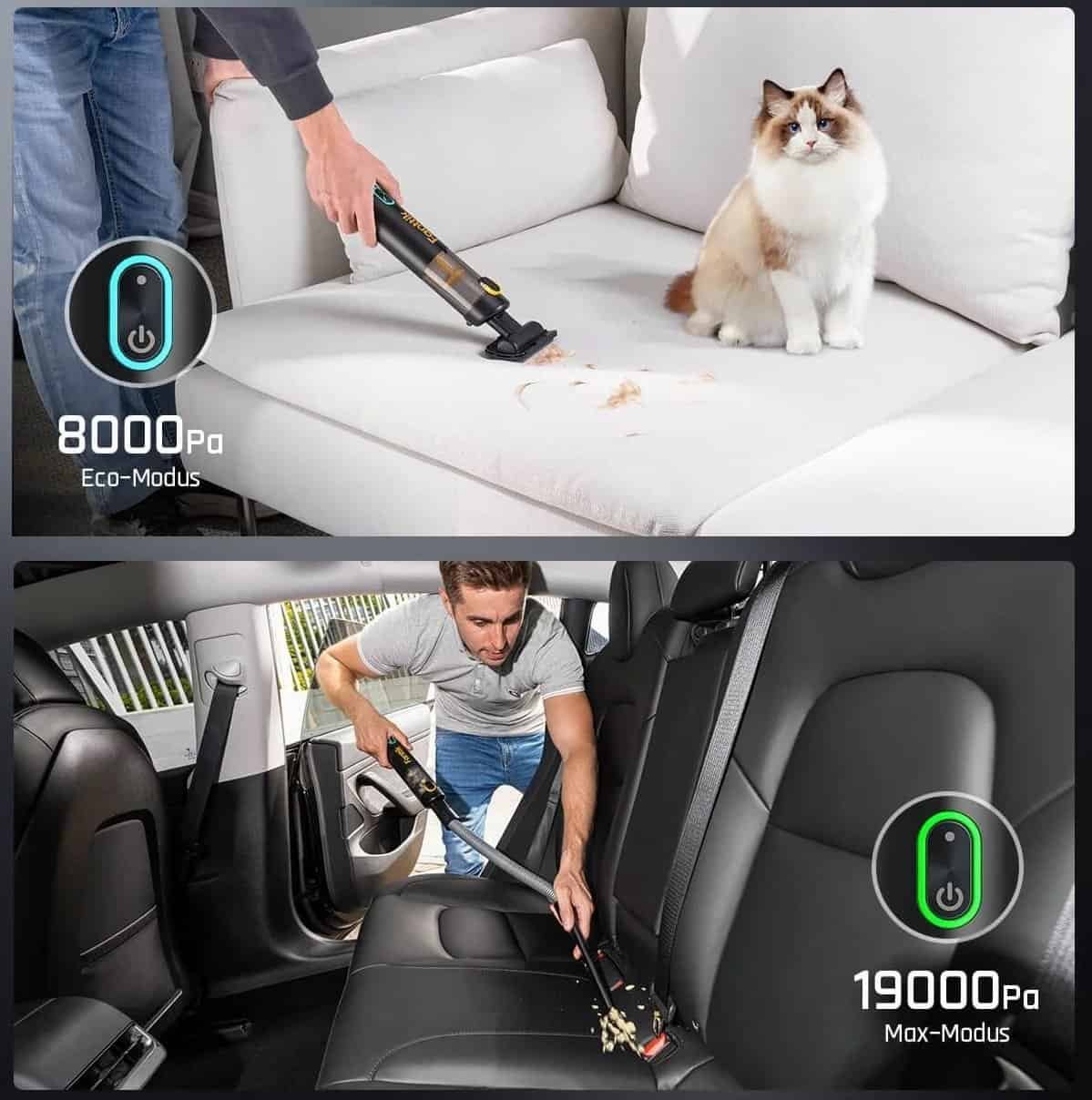
Powerful Portable Car Vacuums That Fit Your Journey
Keep your vehicle spotless with KelyLands’ compact vacuum cleaners. Designed for strong suction, quiet operation, and versatile attachments, they handle dust, pet hair, and spills with ease. Choose from cordless or wired models, customize your design, and trust certified quality for every adventure.

Frequently Asked Questions
What certifications should I require from a certified vacuum supplier? Your compliance checklist for importers must include OSHA for safety, CE and RoHS for market access, and UL/CSA for electrical components, with HEPA/ULPA certifications being mandatory for filtration efficiency in sensitive environments.
How do I know if a vacuum cleaner is suitable for explosive dust environments? Explosion-proof models must have certification from a national testing laboratory, use non-sparking materials and built-in grounding, and demonstrate compliance with NFPA and ATEX regulations for these hazardous applications.
What factors determine the capacity and suction power of industrial vacuum cleaners? Key factors are airflow (CFM), static lift, and motor horsepower, while the number of filtration stages and the intended use for dry, wet, or mixed materials also define the machine’s capacity and effective suction power.
Can vacuum cleaners be customized to meet specific industry needs? Yes, reputable suppliers offer customization in motor power, battery type, and filtration systems, and you can also request additional accessories and private-label branding to fit specific applications and markets.
How important is supplier production capacity and quality control? It is critically important as high production capacity ensures on-time order fulfillment for distributors, and comprehensive multi-stage quality control directly reduces product failure rates and long-term warranty costs.

 English
  Español
  Français
  Deutsch
  Português do Brasil
  Русский
  한국어
한국어  日本語
日本語  العربية