 跳转到主要内容 跳转到页脚

Selecting a certified vacuum cleaner supplier is a critical business decision that impacts compliance, supply chain reliability, and end-customer satisfaction. This guide provides importers, distributors, and e-commerce sellers with a strategic framework for evaluating and partnering with trustworthy suppliers who meet stringent international standards.
Essential Compliance and Certification Standards for Vacuum Cleaner Suppliers
Verifying a supplier’s certifications is the first and most crucial step in mitigating legal, safety, and quality risks for your business.
Mandatory Industry Certifications and Their Importance
OSHA compliance is non-negotiable for suppliers serving industrial sectors like manufacturing or oil and gas. This certification proves their equipment is engineered for safe operation in combustible and hazardous environments. For international market access, credentials like CE, RoHS, UKCA, and CB marks are essential for legal import procedures into Europe and the UK and compliance with consumer safety standards.
The Carpet and Rug Institute (CRI) Seal of Approval is a critical mark of quality for carpet cleaning equipment. It certifies that a vacuum meets superior performance standards for soil removal and dust containment. For specialized sectors like pharmaceuticals, HEPA filtration certification is mandatory, guaranteeing 99.97% efficiency on particles as small as 0.3 micrometers, which is essential for cleanroom and pharmaceutical applications.
Beyond product-specific marks, overarching quality management certifications are vital. An ISO 9001:2015 certification, alongside factory audits conducted by organizations like SGS or TÜV Rheinland, attests to a supplier’s robust process management. This systemic approach to quality minimizes defects and ensures consistent product reliability.

Strategic Compliance for Target Markets
Your target geographic market dictates the specific compliance portfolio you must demand from a certified vacuum supplier. European distribution is gated by CE, RoHS, and UKCA marks, which demonstrate adherence to strict EU and UK consumer safety and environmental regulations, while North American clients prioritize UL testing and OSHA compliance. A reliable supplier will readily share all compliance documents and full audit reports during the evaluation phase, which is critical for large-scale retail and industrial buyers who need to verify claims.
Evaluating Supplier Reliability Beyond Certifications
True supplier reliability is built on a foundation of production scalability, proven product quality, and unwavering after-sales support.
Production Scale and Quality Assurance
A supplier’s stated production capacity directly impacts your ability to meet demand. You must confirm they can reliably fulfill large orders, with metrics like a monthly output of 180,000 units demonstrating significant scale. This capacity should be supported by robust warehousing capabilities to prevent stockouts and logistical delays.
Scale means nothing without quality. Insist on suppliers with a documented quality assurance system. The gold standard includes a ‘threefold inspection’ process and a commitment to 100% functional testing of all products before shipment. These practices are your primary defense against defective units and costly returns.
Customer Reputation and Product Range Evaluation
A supplier’s industry experience and customer testimonials offer invaluable insights into their long-term reliability. Scrutinize reviews that specifically mention product durability and ease of operation, as these are paramount for commercial and industrial clients. A lengthy track record of positive feedback is a strong indicator of consistent quality.
The diversity of a supplier’s product range must align with your market needs. A competent certified vacuum manufacturer will offer a full spectrum of types, including upright, canister, robotic, handheld, and specialized industrial wet/dry or explosion-proof models. This ensures they can meet the specific applications of your end-users.
After-Sales Service and Maintenance Support
The business relationship begins after the sale. A superior supplier reduces your total cost of ownership through accessible spare parts, clear and comprehensive warranty coverage, and prompt technical support. This support structure is essential for minimizing downtime and maintaining customer satisfaction.
Evaluate the supplier’s reported failure rates and their capacity for maintenance. Partners with low defect rates and readily available maintenance services prolong product life and reinforce their credibility. Tailored maintenance programs further elevate a supplier’s value proposition for large-volume buyers.
Powerful Portable Vacuums for Every Car Interior
Keep your vehicle spotless with KelyLands’ portable vacuums, featuring up to 13,000Pa suction, cordless convenience, and versatile nozzles. Designed for easy storage and low noise, our products support customization and come with trusted global certifications.

Customization, Innovation, and Market-Specific Supplier Strategies
The best suppliers act as strategic partners, offering customization and innovation to help you capture specific market segments.
Custom Product Design and Innovation Capacity
The ability to customize is a key differentiator. Look for a certified vacuum supplier offering OEM/ODM services with strong IP protection policies. This allows for tailoring battery performance, accessories, and filtration systems to meet unique retail and industrial demands, giving your products a competitive edge.
Continuous innovation is a hallmark of a market leader. A supplier that demonstrates ongoing R&D, such as launching over 10 new products annually, ensures you can stay ahead of trends. This innovation capacity supports brand differentiation and allows you to offer the latest technologies, like high suction power up to 13,000Pa.
Tailored Strategies for Diverse Buyer Segments
Different buyer segments have distinct priorities. European distributors require a full portfolio of certifications (CE, RoHS, UKCA) and high factory audit scores, emphasizing total supply chain transparency. This documented compliance is essential for navigating the region’s strict regulatory environment.
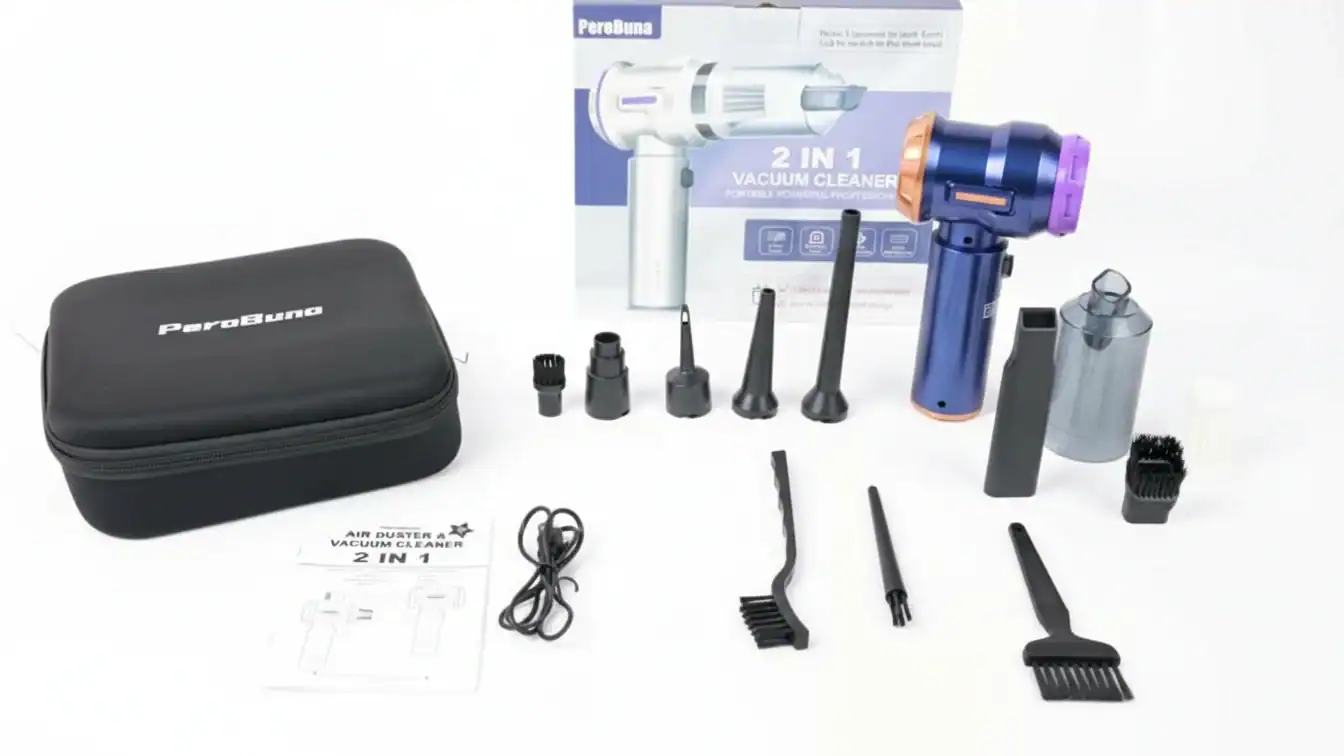
North American e-commerce sellers benefit from strategies focused on agility and marketing. Low MOQs, provided marketing assets (images, videos, specs), and product differentiators like combined blowing/suction features are critical for success on platforms like Amazon. These elements help listings convert and stand out in a crowded marketplace.
Home lifestyle brands and large retailers have vastly different needs. Lifestyle brands prioritize design collaboration, premium materials like ABS/PC, user experience optimizations such as low noise (<80dB) and USB-C fast charging, and upscale packaging options. Large supermarket chains, however, prioritize massive capacity, total cost optimization, and logistical support including efficient palletizing and warehousing.
Frequently Asked Questions
Why are certifications like CE, RoHS, and OSHA critical when choosing a vacuum cleaner supplier?
These certifications are not just badges; they are legal and safety imperatives. They ensure products meet stringent safety, environmental, and health regulations, legally facilitating imports into different global markets like the EU and North America. They protect your business from liability and non-compliance penalties.
How does supplier production capacity influence the reliability of my vacuum cleaner supply?
A supplier’s production capacity directly correlates with their ability to fulfill your orders on time, especially during peak seasons. A high monthly output ensures they can handle large volumes without causing stock shortages that disrupt your sales and damage customer relationships.
What should buyers look for in a vacuum cleaner supplier’s after-sales service?
Prioritize suppliers that offer clear warranty terms, readily accessible spare parts, and responsive technical support. This comprehensive after-sales service reduces downtime, lowers the total cost of ownership, and provides peace of mind that support is available when needed.
How can customization options from suppliers benefit my retail or industrial vacuum offerings?
Customization allows you to tailor features, accessories, and designs to meet the unique needs of your target audience. This creates a differentiated product that stands out in the market, addresses specific application challenges, and can command a premium price.
What role does the Carpet and Rug Institute (CRI) Seal of Approval play in vacuum cleaner selection?
The CRI Seal of Approval is a respected, independent certification that verifies a vacuum’s superior performance in carpet cleaning and dust containment. It is a critical endorsement for commercial vacuums used in settings where carpet care is a priority, providing a trusted mark of quality for end-users.

 English
  Español
  Français
  Deutsch
  Português do Brasil
  Русский
  한국어
한국어  日本語
日本語  العربية