 跳转到主要内容 跳转到页脚
Navigating the complex regulatory landscape for importing vacuum cleaners into the EU and the US in 2026 demands a meticulous understanding of compliance requirements. This article provides a detailed compliance checklist for importers, covering critical certifications, documentation, testing mandates, and upcoming regulatory reforms in both markets. Vacuum cleaners imported into the EU must comply with the RoHS Directive, carry CE marking, and from 2026 be subject to new repairability requirements including displaying a repairability score in Belgium. In the US, vacuum cleaner imports require correct tariff classification under HTSUS, compliance with Customs documentation, and benefits from programs like Authorized Economic Operator (AEO) status for streamlined clearance.
European Union Vacuum Cleaner Import Compliance
Successfully entering the EU market demands strict adherence to product safety, environmental, and new sustainability mandates.
RoHS Directive and Hazardous Substance Restrictions
The EU’s RoHS Directive strictly limits hazardous substances in electrical equipment. For vacuum cleaners, this means restricting lead, mercury, cadmium, hexavalent chromium, PBB, PBDE and added phthalates including DEHP, BBP, DBP, DIBP in vacuum cleaners. Vacuum cleaners fall within the scope of electrical and electronic equipment regulated by RoHS. Compliance requires thorough documentation and verification of your product’s chemical composition.
CE Marking and Product Documentation
Visible CE marking is mandatory, proving conformity with EU safety and RoHS directives. You must maintain comprehensive technical documentation for a minimum of ten years. All instructions and safety information must be provided in the appropriate local languages of your target markets.
Upcoming Ecodesign Repairability and Labeling Requirements
New Ecodesign repairability requirements for vacuum cleaners are expected in late 2026. Belgium will mandate a displayed repairability score on vacuum cleaners from May 2026. This score informs consumers about the product’s potential for repair and its overall sustainability. Furthermore, Digital Product Passports (DPP) for tracking critical materials will become a requirement.
Additional Regulatory and Incentive Programs
Digital Product Passports (DPPs) will be mandated for enhanced traceability and sustainability compliance. Obtaining Authorized Economic Operator (AEO) status can significantly streamline your customs clearance processes. The EU is continuously introducing more stringent sustainability and product information rules for household appliances.

United States Vacuum Cleaner Import Compliance
US import procedures focus on correct tariff classification, customs paperwork, and leveraging trusted trader programs for efficiency.
HTSUS Classification and Customs Procedures
Correctly classifying your vacuum cleaner under the Harmonized Tariff Schedule (HTSUS) is the critical first step. Vacuum cleaners generally fall under household appliances categories. This classification directly impacts duty rates and dictates your specific compliance requirements with US Customs and Border Protection (CBP). Customs requires proper documentation including commercial invoices, packing lists, and technical data.
Authorized Economic Operator (AEO) Benefits
The AEO program recognizes importers with strong security and compliance practices. This status offers tangible benefits like expedited clearance and reduced physical examinations. It is a powerful tool for importers navigating complex US Customs requirements.
Laboratory Testing and Certification for Imported Vacuum Cleaners
Compliance with US safety and emissions standards often requires specific testing. CBP-approved laboratories and commercial gaugers perform mandated testing for petroleum and other inputs associated with imported goods. This testing should be performed using recognized methods. Proper certification from these tests is a key part of your import documentation.
Powerful Compact Car Vacuum Cleaners
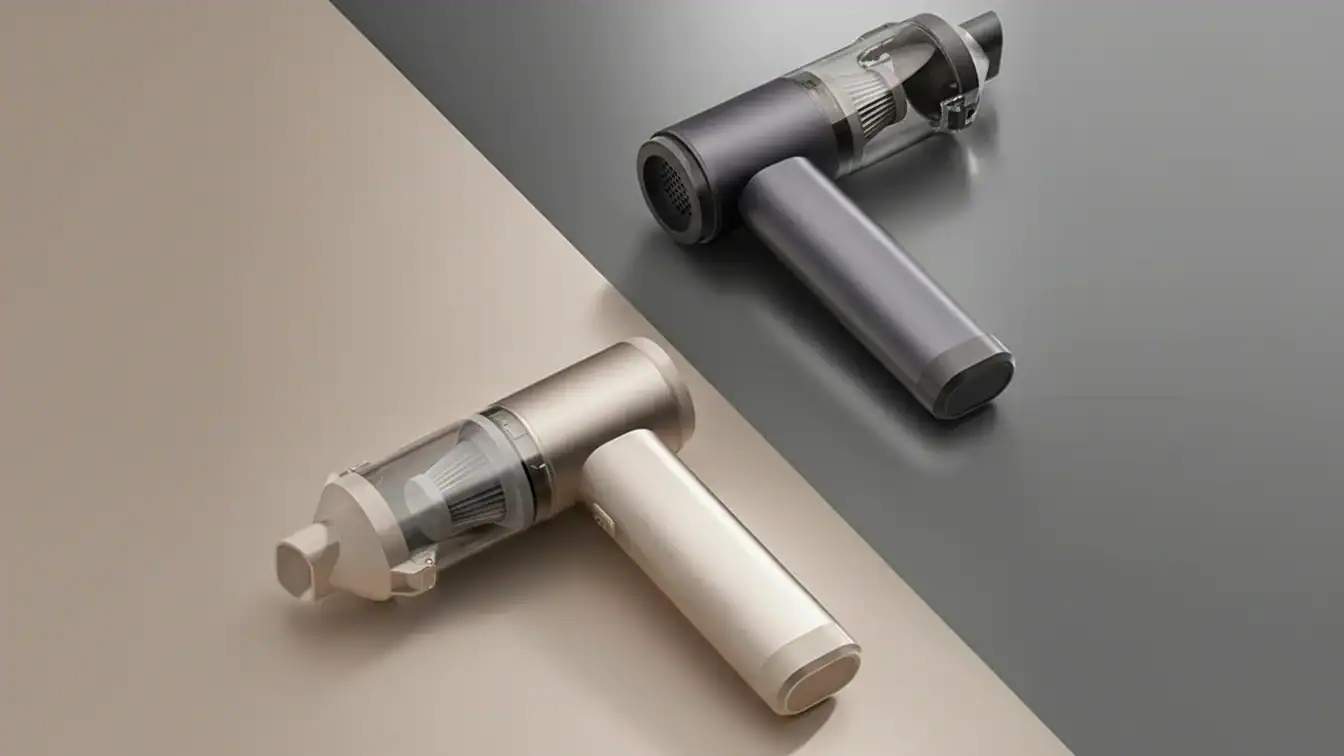
Tackle dust, debris, and pet hair with KelyLands’ portable vacuums. Designed for quiet, cordless cleaning with versatile tools and long battery life, they fit perfectly in your car or home. Customize colors, logos, and packaging to match your brand’s needs.

Global Trends and Strategic Recommendations for Vacuum Cleaner Importers
Staying ahead requires a proactive strategy that embraces transparency, documentation, and supply chain diligence.
Preparation for Evolving Regulations and Standards
EU regulations are rapidly evolving to include DPPs, repairability scores, and stricter chemical controls. The US framework emphasizes rigorous customs documentation and risk-based inspections. Importers must anticipate these phased implementation dates and scale their compliance capabilities early.
Supply Chain Verification and Sustainability Commitments
Tools like Digital Product Passports enhance traceability and validate environmental claims. Maintaining detailed technical documentation and supplier declarations is critical for transparency. Adopting sustainability standards at the product design phase ensures a lasting competitive advantage.
Operational Excellence and Risk Mitigation
Utilize AEO certifications and diligent recordkeeping to accelerate clearance and avoid delays. Always engage CBP-accredited laboratories for reliable product testing and certification. Implement a system for continuous monitoring of regulatory changes across all your target markets.
Frequently Asked Questions (FAQ)
What are the key EU regulatory requirements for importing vacuum cleaners?
Importers must ensure RoHS compliance for hazardous substances and affix visible CE marking. Upcoming rules include Ecodesign repairability mandates and, in Belgium, a mandatory repairability score from May 2026. Maintaining technical documentation for ten years is also required.
How can US importers ensure correct Customs classification for vacuum cleaners?
Identify the correct HTSUS code, typically under household appliances, which determines duty rates. Prepare accurate commercial invoices and technical data sheets. Leveraging Authorized Economic Operator (AEO) status can streamline this entire process.
What is a Digital Product Passport (DPP), and which EU laws mandate it for vacuum cleaners?
A DPP is a digital record containing a product’s lifecycle data for sustainability and compliance. It will be mandated for vacuum cleaners under the EU’s Ecodesign Directive and Critical Raw Materials Regulation to ensure traceability.
What documentation and testing are required to demonstrate compliance when importing vacuum cleaners?
Importers must maintain full technical documentation for a decade (EU) and provide accurate customs filings (US). Testing in approved laboratories is often needed to verify compliance with safety and performance standards.
How do repairability requirements impact vacuum cleaner imports into the EU?
Starting in 2026, new Ecodesign rules will impose repairability requirements, meaning vacuum design must facilitate repairs. Member states like Belgium will require a repairability score on products, impacting consumer information and design obligations.

 English
  Español
  Français
  Deutsch
  Português do Brasil
  Русский
  한국어
한국어  日本語
日本語  العربية