 跳转到主要内容 跳转到页脚

Equipment in pet-heavy environments faces constant destructive pressure that leads to high replacement costs and safety risks. Standard plastics often shatter under bite force or fail after repeated impacts, potentially exposing internal components or creating electrical hazards. Creating reliable hardware requires specific engineering choices that prioritize material toughness and structural integrity over basic aesthetics.
This analysis covers the technical requirements for durable design, including why ABS housing with an Izod notched impact rating of 200–250 J/m prevents fractures. We explore mechanical benchmarks for hardware reliability, such as latches tested for 5,000 operation cycles, and discuss electrical safety standards for cables reinforced with steel armor and nylon braiding.
The “Puppy Chew” Hazard: Power Cord Reinforcement
Pet chew damage exposes conductors, leading to electrical shorts, fires, or shocks. KelyLands utilizes industrial-grade ‘hard service’ cables, such as SJT and SO types, which feature thick insulation and reinforced jackets. These 2026-standard designs incorporate grounding systems and physical barriers like steel armor to resist punctures and maintain electrical integrity.
| Protection Component | Technical Rating | Safety Function |
|---|---|---|
| Flexible Outer Jacket | Hard Service (SJ, SJT, SO) | Resists mechanical abrasion and environmental wear. |
| Internal Shielding | Steel Armor & Nylon Braiding | Blocks tooth penetration into the conductor core. |
| Electrical Monitoring | GFCI & 3-Wire Grounding | Shuts off power during insulation breaches to stop shocks. |
Hard-Service Ratings and Insulation Integrity
Engineers prioritize flexible cords rated for hard service, including S, ST, SO, or STO types, alongside junior hard service variants like SJT. These cables possess thick, durable jackets designed to withstand mechanical stress and high-impact abrasion. National Electrical Code requirements mandate indelible markings every foot to confirm the rating and authenticity of the cable insulation, ensuring users can verify the safety standards of their equipment.
A 3-wire grounding system with a 3-prong plug establishes a dedicated path for fault currents, significantly reducing fire risks if a pet damages the outer layers. We utilize internal strain relief at terminal screws to prevent conductor strands from loosening during physical pulling or tugging. This structural integrity keeps electrical connections stable even when the cord faces frequent movement or household tension.
 Anti-Penetration Shielding and Shock Mitigation
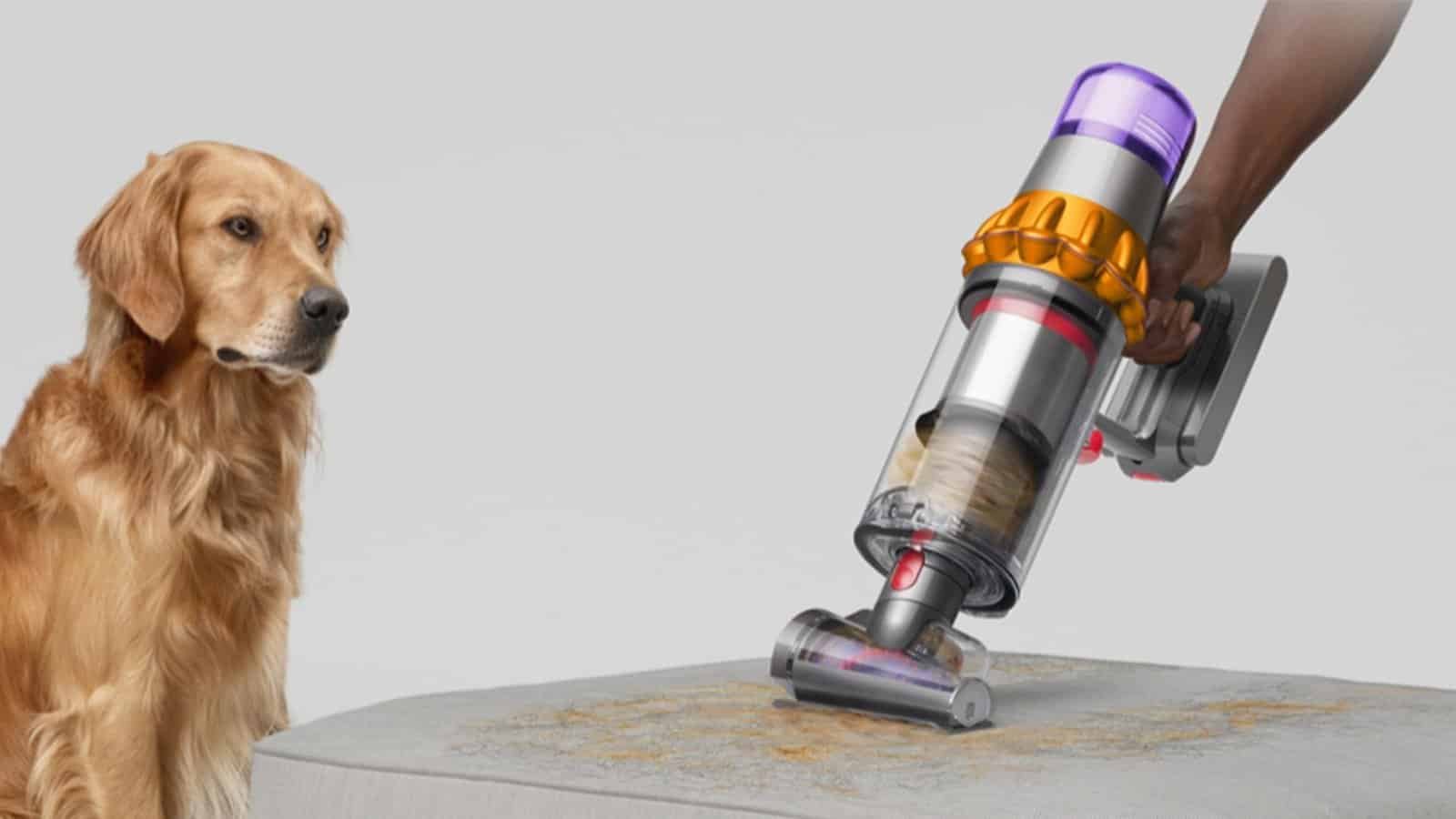
Integrating steel tape armor and nylon braiding layers creates a robust physical barrier against pet teeth and sharp objects. These industrial-grade materials block penetration before a puncture reaches live internal wiring, neutralizing the risk of a direct electrical path. Chemical coatings on the outer sheath further discourage chewing behavior without sacrificing the flexibility required for cord management in living spaces.
GFCI protection at the outlet end disconnects power automatically if a ground fault occurs during a chew event. This technology provides an immediate response to insulation failure, adhering to 29 CFR 1926.405 standards for electrical safety. By protecting cords from pinch points and abrasive surfaces, these reinforced designs maintain a safe environment for both pets and occupants while preventing costly electrical failures.
Impact Resistance: ABS Housing vs. Hard Walls
ABS (Acrylonitrile Butadiene Styrene) outperforms traditional hard-wall plastics by absorbing kinetic energy through its polybutadiene rubber component. It maintains a high Izod notched impact rating of 200–250 J/m, ensuring the housing flexes under bite pressure rather than shattering, a critical factor for pet-safe car accessories in 2026.
| Material Property | Technical Rating | Performance Standard |
|---|---|---|
| Izod Notched Impact | 200–250 J/m | ASTM D256 / Room Temp |
| Charpy Notched Impact | >35 kJ/m² | EN ISO 179/1 |
| Tensile Yield Strength | 40–45 MPa | Bite Force Resistance |
| Flexural Strength | 70–80 MPa | Structural Bending |
| Elastic Modulus | 2.0–2.5 GPa | Rigidity Balance |
Engineering Toughness: Why ABS Absorbs Force
Polybutadiene rubber integration allows the housing to dissipate impact energy without immediate fracture. This chemical structure transforms the shell into a shock-absorbent barrier during aggressive dog interactions. Ductility levels between 10% and 50% elongation help the material deform slightly under intense pressure. This controlled deformation prevents crack propagation, a common failure point in brittle “hard wall” materials.
Tensile yield strength of 40–45 MPa provides the necessary resistance to withstand localized compression from large breed bites. This prevents the teeth from piercing the outer shell. The elastic modulus of 2.0–2.5 GPa balances this necessary toughness with the rigidity required to maintain the shape of portable housing units, ensuring internal components stay secure.
Structural Benchmarks and Material Performance Data
Charpy notched impact values exceeding 35 kJ/m² at 23°C per EN ISO 179/1 standards highlight the material’s durability. ABS maintains a minimum Charpy impact strength of 10 kJ/m² even in extreme cold environments as low as -40°C. This thermal stability makes it reliable for pet products stored in vehicles across varying climates. Brittle plastics often fail in these conditions, but the butadiene content keeps the housing intact.
Flexural strength ratings of 70–80 MPa ensure the housing resists bending when a dog attempts to pin or crush the device. Additionally, a compressive yield strength of 60–70 MPa prevents structural collapse under heavy static loads. These mechanical properties work together to protect the device from both sudden drops and sustained physical pressure from active pets.
Latch Durability: Surviving Tipping Over
A durable latch must survive at least 5,000 operation cycles and resist a static pull force of 50 lbf to meet safety standards. Benchmarking against ASTM F3492-21 and furniture tip-over requirements ensures the locking mechanism holds even if the enclosure falls or faces heavy internal pressure.
Hardware Cycle Life and Repeated Impact Resistance
Engineering a secure latch requires more than simple locking strength; it requires mechanical endurance over the life of the product. ASTM F3492-21 standards for home safety latches establish a benchmark of 5,000 durability cycles. This test requires the hardware to undergo a full sequence of attempting to open, disengaging, and re-engaging without functional failure. For pet enclosures, this ensures that the locking mechanism remains reliable after years of daily use and does not loosen due to mechanical wear.
Safety standards for gates and enclosures, such as 16 CFR part 1239, include hardware durability cycling where panels operate repeatedly under load. This prevents the latch from disengaging during sudden movements or repeated shifts in weight. When a crate shoves against a wall or tips onto its side, the latch must maintain its structural integrity despite the kinetic energy transferred through the frame. Focusing on these cycle requirements ensures the egress panels stay locked during and after an impact.
Static Holding Strength and Load Benchmarks
Static strength determines the latch’s ability to resist breaking when a dog pushes from the inside or when the crate hits the floor during a tip-over. Data from ASTM F3492-21 indicates that consumer safety latches should maintain an average breaking strength of at least 45.3 lb (20.5 kg) across a wide sample set. For high-energy impacts involving larger animals, engineering targets often move toward a 250 N (56.2 lb) strength tier to provide an extra margin of safety against sudden force spikes.
Furniture stability standards like ASTM F3096-14 provide additional context for tip-over forces. These standards require restraints to withstand a 50 lbf pull force, representing the load of a 95th-percentile child climbing on the exterior. CPSC testing reveals that common wire hooks and non-rated fasteners often fail at just 20-25 lbf. By designing latching interfaces and anchorage points to exceed the 50 lbf threshold, manufacturers ensure the door stays shut even if the enclosure falls at an angle or experiences a heavy internal surge during a tumble.
Scale Your Brand with Premium Home Vacuum Solutions

Sound Frequency: Avoiding “Triggering” Aggressive Dogs
Engineers prevent triggering aggression by using high-frequency ultrasonic signals between 23 kHz and 25 kHz. These frequencies remain inaudible to humans while creating a startle effect in dogs to interrupt fixated behavior. Critical design limits involve avoiding atonal noise in the 250–4,000 Hz range, which dogs perceive as aggressive or annoying.
Canine Auditory Perception and Aggression Trigger Points
Canine hearing spans a wide spectrum from 67 Hz to 45 kHz, with peak sensitivity occurring near 8 kHz. While dogs detect sounds far beyond human capacity, specific frequencies within the audible range correlate with high behavioral arousal and negative emotional responses. Atonal, high-pitched sequences in the 250 Hz to 4,000 Hz band often mimic aggressive barking profiles, which can inadvertently escalate a confrontation instead of de-escalating it.
Emotional sensitivity data suggests that lower negative impact occurs in the 10–200 Hz and 4–11 kHz ranges compared to mid-range atonal noise. Design protocols focus on suppressing incidental motor or buzzer noise within these sensitive audible kHz ranges to prevent accidental agitation. By isolating these trigger points, engineers ensure that a device does not provoke defensive aggression through mechanical or electronic artifacts.
Ultrasonic Calibration and Decibel Control Specs
Effective deterrent signals rely on a carrier frequency of 25 kHz ± 2 kHz. This range ensures the sound remains completely inaudible to humans, whose hearing typically caps at 20 kHz, while remaining highly salient to dogs. Sound Pressure Levels (SPL) are calibrated between 105 and 115 dB at 0.5 meters. This intensity creates a startle effect—breaking the dog’s focus or “alpha wave” state—without crossing into the threshold of physical pain or permanent auditory damage.
The operational range for these 20–25 kHz signals generally spans 7 to 15 meters for B2B safety applications. Engineering verification requires steep filtering curves to keep energy concentrated strictly within the 23–25 kHz band. This precision prevents the generation of audible harmonics that might confuse the animal or cause annoyance to nearby people, maintaining the efficacy of the acoustic deterrent in complex environments.
Warranty Strategy: Covering “Accidental” Damage?
In 2026, standard warranties for durable goods protect against manufacturing defects, while Accidental Damage from Handling (ADH) provides optional coverage for external events like spills or drops under 6 feet. Most base policies explicitly exclude damage from animal chewing, classifying such incidents as ‘neglect’ or ‘abuse’ rather than material failure.
Defining Manufacturer Defect versus Accidental Damage
Federal compliance under the Magnuson-Moss Warranty Act requires a clear distinction between limited and full warranties for 2026 consumer electronics and hardware. Standard manufacturer warranties focus on material defects and workmanship, ensuring remedies within a reasonable time for internal failures. These base policies exclude damage from animal chewing, cosmetic wear, and environmental factors. Under 15 U.S.C. § 2304 standards, manufacturers provide no-charge repairs for core defects but maintain strict exclusions for pet-inflicted damage, which the industry classifies as neglect. A standard 1-year full-unit framework provides protection against factory errors while shifting the risk of physical accidents to optional coverage tiers.
Technical Limits and Service Contract Structuring
Service contracts extend the operational lifespan of hardware by adding Accidental Damage from Handling (ADH) to standard defect protection. These contracts establish specific eligibility limits, such as a 6-foot drop height threshold for accidental claims. Components like compressors and PCBs often receive 18-month extensions because they represent the core technical value of the unit. Regulators distinguish these service contracts from theft or loss insurance, allowing ADH to cover liquid spills and physical impacts without requiring separate insurance licensing. Engineering teams use impact resistance specifications to validate these coverage limits, ensuring the product survives common household mishaps while minimizing claims related to high-velocity collisions.
Final Thoughts
Durable pet-proof design requires a blend of heavy-duty materials and specific structural reinforcements. We integrate SJT-rated cables and steel-armored shielding to block tooth penetration and maintain electrical integrity. Using ABS with high Izod impact ratings ensures the housing absorbs kinetic energy rather than shattering during a fall or an aggressive bite.
Following recognized ASTM and UL safety benchmarks provides a framework for long-term product reliability. Rigorous cycle testing for latches and precise calibration for ultrasonic frequencies help maintain functional safety throughout the product’s lifespan. By prioritizing these engineering standards, we reduce the risk of accidental damage and create a safer living space for both pets and their owners.

Frequently Asked Questions
Are the power cords bite-resistant or pet-proof?
No specific industry standard exists for braided bite-resistant power cords in consumer electronics. KelyLands follows UL 62 electrical standards for cable safety. While braided jackets improve flexibility, heavy-duty chew resistance typically requires thermoplastic or metal-armored cable housing.
What is the impact rating of the ABS housing used in these products?
KelyLands utilizes ABS housing tested under ASTM D256 Method A. The material maintains a notched Izod impact strength of ≥27 J/m, providing the toughness required to withstand wall impacts or tipping over on hard surfaces.
Does KelyLands provide replacement parts for damaged latches or clips?
Yes, we provide spare parts for latches and clips to support ISO 11469 repairability standards. While the full unit carries a one-year warranty, we cover core functional components for 18 months. Users can obtain replacement housing accessories through our after-sales support team.

 English
  Español
  Français
  Deutsch
  Português do Brasil
  Русский
  한국어
한국어  日本語
日本語  العربية