 跳转到主要内容 跳转到页脚

Facility managers overseeing large estates lose significant productivity to undersized equipment and frequent maintenance stops. Every bag change or cord swap introduces 60-second interruptions that aggregate into lost labor hours across expansive floor plans. Transitioning to high-capacity systems ensures teams spend more time cleaning and less time managing waste disposal.
We compare 6-liter commercial bags against standard 2-liter units, highlighting how the 1.6-gallon volume reduces downtime in high-traffic areas. This analysis also covers how obstructions increase vacuuming time from 20 to 30 minutes per 1,000 square feet and why top-fill designs are essential for maintaining suction. You will find technical data on filtration surface areas and consumable costs to help you select the most efficient system for your facility.
Efficiency Math: Stops per Cleaning Session
Cleaning efficiency in 2026 relies on production rates like 27 minutes per 1000 square feet for 21-inch scrubbers. Maximizing stops per session requires minimizing 60-second cord change interruptions and accounting for obstructions that increase vacuuming time from 20 to 30 minutes per unit area.
| Cleaning Task | Production Rate | Efficiency Variable |
|---|---|---|
| Machine Scrubbing (21″) | 27 min / 1000 sq. ft. | ~2,227 sq. ft. per hour |
| Vacuuming (Obstructed) | 30 min / 1000 sq. ft. | Furniture/pathway density |
| Damp Mopping (Open) | 16 min / 1000 sq. ft. | Unobstructed floor space |
| Restroom Fixtures | 3 min / fixture | Bundled cleaning tasks |
Quantifying Cleaning Production Rates
Facility managers calculate session capacity by establishing baseline time requirements for core tasks. Standard vacuuming requires 20 minutes per 1,000 square feet in clear, unobstructed environments. When furniture or architectural features impede movement, this requirement climbs to 30 minutes per unit area. These fluctuations directly dictate how many stops a technician can complete within a shift, as obstructions effectively reduce output by 50%.
Restroom maintenance utilizes a bundled task approach to stabilize production math. Cleaning cycles operate on 3-minute intervals per fixture, which encompasses trash removal, disinfection, mirror cleaning, and mopping. A facility with 10 fixtures creates a predictable 30-minute stop. For large-scale floor maintenance, utilizing a 21-inch machine scrubber yields a production rate of approximately 2,227 square feet per hour, providing a scalable metric for multi-stop route planning.
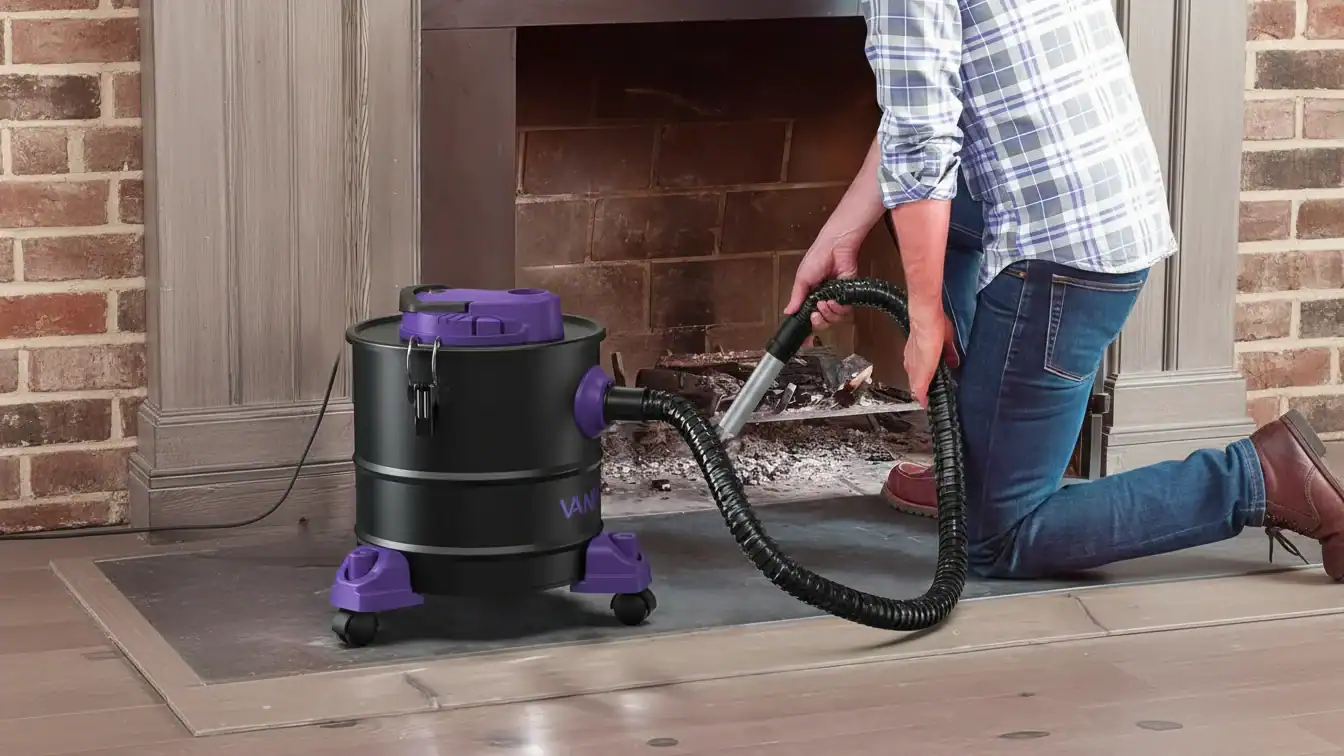
Minimizing Interruption Factors and Equipment Scaling
Equipment logistics often represent the largest drain on session productivity. Each cord change stop consumes between 45 and 60 seconds. In a large facility, these recurring interruptions aggregate into significant lost time, making cordless systems or strategic outlet mapping essential for high-frequency cleaning. Scaling equipment size also offers a direct path to speed; transitioning from a 21-inch to a 23-inch scrubber reduces the completion time per 1,000 square feet to 25 minutes.
Manual tool selection further influences the number of stops possible per session. Utilizing 18-inch mop heads reduces the required passes by 3 to 4 times compared to standard 5-inch heads in open areas. Additionally, dual-bucket mopping systems optimize water management, saving 10 to 20 minutes per cleaning session by reducing the frequency of water change cycles. These technical adjustments allow teams to bundle light-duty tasks, such as spot cleaning and trash removal, at a rate of 3.62 minutes per 1,000 square feet to maintain tight schedules.
Bag Capacity: 6 Liters (Commercial) vs. 2 Liters (Home)
Commercial 6-liter bags offer three times the volume of standard 2-liter home units, primarily to reduce maintenance downtime in high-traffic areas. While the 6L capacity (roughly 1.6 gallons) supports extended cleaning cycles for offices, the 2L capacity prioritizes lightweight maneuverability and frequent disposal for typical household environments.
| Specification | 2-Liter (Home) | 6-Liter (Commercial) |
|---|---|---|
| Volume Capacity | ~0.5 Gallons | ~1.6 Gallons |
| Material Thickness | 0.35 – 0.7 mil | 0.7 – 1.1 mil |
| Material Type | Standard Liner | LLDPE (Linear Low-Density) |
| Seal Construction | Flat/Side Seal | Star-Seal Bottom |
Volume Scaling and Emptying Efficiency
A 6-liter bag holds approximately 1.6 gallons of debris, matching the capacity of small office desk-side wastebaskets for streamlined disposal. 2-liter bags, roughly 0.5 gallons, are designed for residential use where storage space within the vacuum chassis is limited. Smaller capacities ensure the equipment remains compact for home storage.
Commercial systems utilize the 6L volume to minimize the “stop-and-empty” cycle, which is a major labor cost factor in professional facility management. Fewer interruptions allow cleaning crews to cover more square footage per shift. Home users benefit from 2L bags through reduced unit weight, making it easier to carry vacuums across multiple floors or up stairs.
Technical Material Standards and Load Durability
Commercial 6L bags typically use LLDPE (Linear Low-Density Polyethylene) with thickness levels between 0.7 and 1.1 mil to prevent punctures from sharp office waste or heavy debris. Residential 2L liners often rely on thinner 0.35 to 0.7 mil material, sufficient for light-duty dust, pet hair, and household fibers.
Higher capacity 6L bags frequently feature star-seal bottoms to distribute weight evenly and prevent leaks under the pressure of a full 1.6-gallon load. This design reinforces the bag against the higher suction forces found in commercial motors. Standardized sizing for 2026 commercial units ensures bags are 3 to 4 inches larger than the internal housing to maximize airflow as the bag fills, maintaining suction performance even at high capacity.
Top-Fill Design: Keeping Suction Strong as Bag Fills
Top-fill designs use gravity to settle debris at the bottom of the bag, keeping the intake path clear. This orientation allows air to filter through the upper portions of the bag material without obstruction, maintaining consistent suction power until the bag reaches its 6-liter capacity.
Gravity-Driven Airflow in Top-Loading Systems
Top-fill systems direct material downward, allowing heavier particles to settle at the base while air flows through the unobstructed top and sides of the bag. This configuration prevents the “caking” effect at the intake point, which maintains high-velocity suction even as the bag fills toward its maximum volume. Industrial units utilize this design to ensure that airflow remains stable across a 1050mm bag length without requiring increased motor power.
Dual-Pipe Spout Technology and Inflatable Seals
Dual-pipe fill heads incorporate an inflatable bladder seal that creates an airtight connection between the vacuum intake and the bag spout. Precision gain-in-weight scales utilize a 3-step dosing process to achieve ±40g accuracy, ensuring the bag reaches optimal capacity without overfilling the neck area. Systems employing these specialized heads handle up to 30 bags per minute while maintaining the seal integrity necessary for dust-free operation in facility management.
Scale Your Brand with High-Performance Custom Home Vacuums

Filtration Area: Giant Bags = Better Airflow
Large filtration surface area reduces air velocity and resistance, which lowers the pressure drop and maintains strong suction. By increasing the surface area by up to 300% in 2026 models, these systems capture particles more efficiently while extending the lifespan of the filter media.
Impact of Surface Area on Air Resistance
Increasing bag surface area by 200% to 300% directly lowers the filtration velocity to reduce airstream drag. Pleated and flat-fold designs pack more material into compact 2026 vacuum housings than traditional round tubular bags. Lower aerodynamic resistance prevents the fan from overworking, which saves energy and maintains a consistent pressure drop between 2.5 and 4.5 inches WC.
Technical Metrics for High-Volume Airflow
High-capacity systems maintain an air-to-cloth ratio between 2.0:1 and 3.0:1 to ensure particle capture efficiency exceeds 99% for 2.5 µm dust. Engineers target a CAN velocity—the air speed between bags—of 100 to 200 ft/min to minimize material abrasion and extend bag life. Optimized inlet designs distribute air evenly across giant bags, allowing for near-continuous operation in 2026 commercial environments without losing suction.

Cost Per Clean: Analyzing Consumable Expenses
Consumable costs depend on the required cleanliness level, such as IEST-STD-CC1246 Level 100, which determines bag material and replacement frequency. Managers calculate expenses using the air-to-cloth ratio and Nonvolatile Residue (NVR) limits to balance filtration efficiency with maintenance downtime in 2026.
Particulate Validation and Material Standards
Cleaning validation for high-capacity systems starts with identifying the particulate distribution required under IEST-STD-CC1246. Level 100 standards set the baseline for cleanroom bags, but moving to Level 50 introduces much stricter limits, such as allowing only one particle in the 50-100µm range per 0.1m². These requirements directly affect the choice of bag material and the frequency of replacement.
Managing Nonvolatile Residue (NVR) levels remains a priority for oxygen service applications. Standards like CGA G-4.1 cap NVR at 20 mg/ft², necessitating specialized liners. Utilizing Green Seal GS-42 compliant liners with a 0.7 mil thickness or 10% post-consumer recycled content helps facilities meet these limits while managing the per-unit cost of consumables.
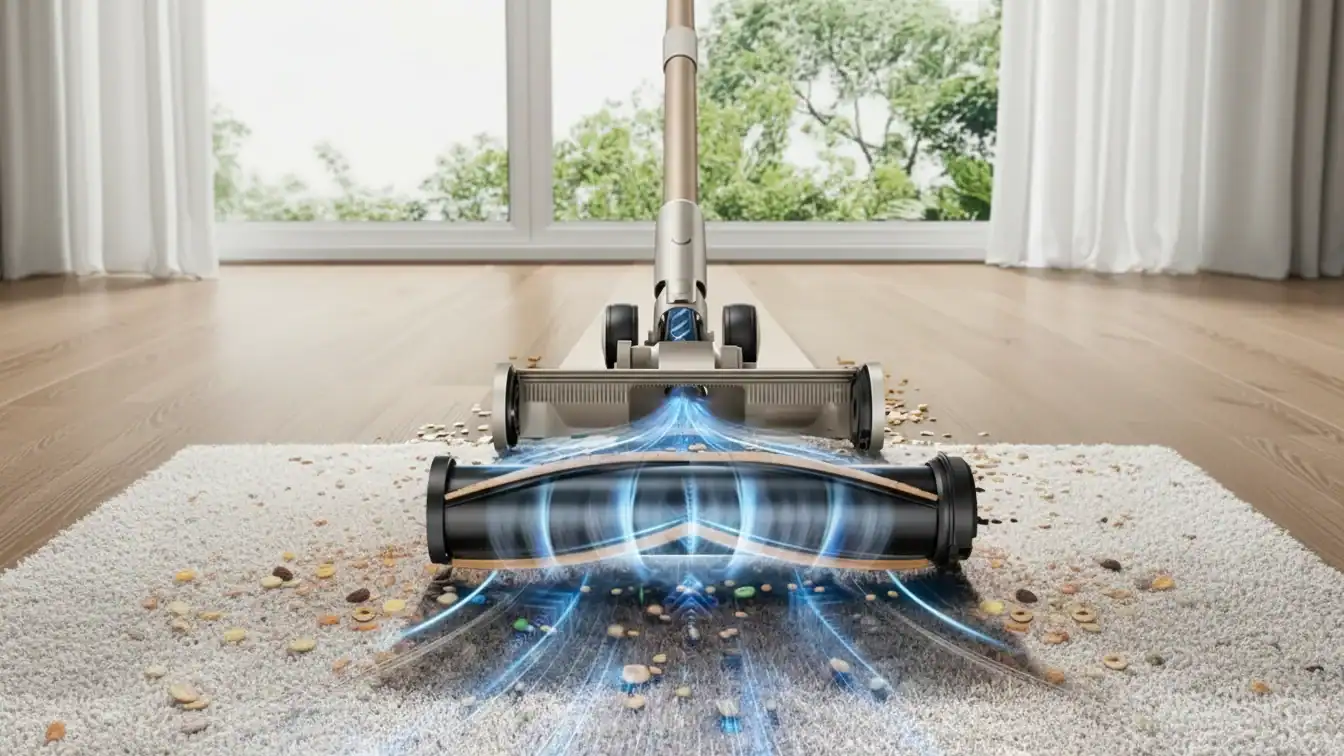
Predictive Modeling for Replacement Intervals
Predicting replacement intervals involves applying the air-to-cloth ratio formula to determine filtration velocity. For systems processing up to 235,000 cfm, this calculation helps engineers size the surface area to prevent early bag fouling. Maintaining a balance between inlet dust loads and filtration area keeps pulse-jet cleaning cycles efficient and reduces wear on the bags.
Airflow standards for ISO 5 and ISO 7 environments dictate the velocity needed to maintain cleanliness. ISO 5 spaces require 36 to 65 CFM/ft², while ISO 7 spaces operate at 9 to 16 CFM/ft². Integrating NASA MSFC-SPEC-164 rinse criteria ensures that contaminants over 175µm do not lead to premature failures, allowing for more accurate budget modeling based on verified performance levels rather than estimates.
Final Thoughts
Sourcing 6L systems for large estates shifts the focus from frequent maintenance to consistent output. The data suggests that tripling bag volume directly cuts down on the interruptions that eat into a cleaning shift. These larger systems also handle the airflow demands of high-capacity cleaning better than residential units because the extra surface area prevents the suction loss that usually occurs as bags fill.
Scaling up to commercial-grade equipment requires an understanding of material standards like LLDPE thickness and star-seal durability. These technical details prevent bag failure under heavy loads and keep the air-to-cloth ratio in an optimal range for particle capture. Reliable estate management depends on these high-capacity specs to keep teams moving and maintenance costs predictable.
Frequently Asked Questions
What is the standard liter capacity for high-capacity industrial dust bags?
Industrial standards for high-capacity bagged vacuums in 2026 range from 25 to 100 liters. Heavy-duty models typically feature 50L or 100L capacities to reduce downtime during large-scale cleaning sessions.
Are Type F/G bags suitable for commercial cleaning?
Type F/G refers to commercial paper filter bags that meet EN 60335-2-69 standards. While standard upright vacuums use 3-15L sizes, industrial units scale these to 25-50L equivalents for better debris management.
How does a top-fill intake design improve suction performance?
Top-fill systems, such as those in Nilfisk CTS or IPC GS series, use gravity to distribute debris from the top of the bag. This design prevents intake clogs and maintains consistent airflow even as the bag reaches capacity.

 English
  Español
  Français
  Deutsch
  Português do Brasil
  Русский
  한국어
한국어  日本語
日本語  العربية