 跳转到主要内容 跳转到页脚
When your tire goes flat on a busy highway or you’re preparing for a long road trip, the features packed into your car air pump can make all the difference between a quick fix and a roadside nightmare. Modern pumps deliver precision pressure control, lightning-fast inflation speeds, smart connectivity, and rugged reliability that transforms basic tire maintenance into effortless vehicle care. Understanding which features actually matter—and which are just marketing fluff—helps you invest in equipment that performs when you need it most.
Core Performance Specs That Actually Matter
The difference between a pump that works reliably for years and one that fails during your first emergency comes down to sustained pressure delivery, accuracy under load, and real-world inflation speed.
Most people shopping for car air pump features get caught up in flashy maximum PSI numbers, but that’s missing the point entirely. What really separates quality pumps from roadside paperweights is how they perform when the rubber meets the road—literally. Professional-grade units maintain consistent output even when their motors heat up during extended use, while cheaper models start losing pressure just when you need them most.
For everyday driving, you want a pump that hits at least 150 PSI, but here’s what manufacturers don’t tell you: pressure accuracy matters way more than maximum ratings. Quality pumps stay within ±1 PSI across their entire range, which becomes critical when you’re dealing with different vehicles and tire types. Your compact car needs 32 PSI while your friend’s SUV runs 35 PSI—that precision keeps you both safe on the road.
Inflation speed gets measured in cubic feet per minute (CFM), but watch out for companies throwing around peak numbers that don’t reflect real performance. A solid portable air pump options should inflate your standard tire from 20 to 35 PSI in under three minutes, with sustained CFM ratings above 1.2. Anything less leaves you waiting around in potentially dangerous situations.
Power Options: Battery vs Corded vs Hybrid
Your choice between battery power, 12V connection, or dual-power systems determines whether you’ll have reliable inflation when you’re stranded miles from the nearest gas station.
Modern lithium-ion technology has completely changed the game for battery powered car tire inflator units, but there’s always a trade-off between power and portability. Higher-capacity batteries deliver more consistent performance but add weight and bulk to your emergency kit. The best battery models include smart management systems that warn you before the battery dies and prevent damage from over-discharge.
Direct 12V connection still reigns supreme for reliability—unlimited runtime and consistent power delivery every time. Cord length becomes your biggest consideration since you need to reach all four tires without playing musical cars in your driveway. Quality 12V pumps include thermal protection that prevents motor burnout during extended use, a feature that budget models often skip to save a few dollars.
Hybrid models offering both battery and 12V operation give you the best of both worlds, but you need to evaluate the switching mechanisms carefully. These dual-power units excel for drivers who need emergency portability plus the ability to handle multiple vehicles or extended inflation sessions.

Safety Features and Smart Controls
Automatic shut-off technology, bright LED lighting, and intuitive digital controls transform basic inflation tools into comprehensive emergency equipment that works even in high-stress situations.
Automatic shut-off prevents over-inflation disasters and lets you set the pressure and walk away, but the underlying technology varies dramatically between manufacturers. Pressure-based systems offer precision control, while timer-based systems provide backup protection when sensors fail. Premium models use dual-redundancy systems that combine pressure monitoring with thermal protection for maximum safety.
Integrated LED lighting transforms your pump into genuine emergency equipment, but brightness and beam pattern make all the difference during roadside emergencies. Look for pumps with dedicated lighting circuits that don’t drain your inflation battery. Advanced models include emergency strobe functions and red warning lights to keep you visible and safe during nighttime tire changes.
Modern digital air pump for precise tire pressure displays should do more than show basic pressure readings. The best systems include unit conversion (PSI/BAR/kPa), preset memory functions, and navigation that works even when you’re stressed and dealing with an emergency. Backlit displays with automatic brightness adjustment ensure visibility in all conditions without unnecessarily draining battery power.
Smart Technology and App Integration
Connected air pumps represent the next generation of tire maintenance, offering remote monitoring, predictive maintenance alerts, and performance tracking that transforms basic inflation into complete tire health management.
The latest smart air pumps connect to smartphone apps, enabling remote monitoring and maintenance alerts that keep you ahead of problems. These features transform basic car air pump specifications into complete tire health management systems. App-connected pumps store multiple vehicle profiles, track inflation history, and provide maintenance recommendations based on your actual usage patterns.
Advanced pumps now include sensors that monitor motor temperature, vibration patterns, and performance degradation over time. This data enables predictive maintenance alerts before failures occur, extending pump lifespan and preventing unexpected breakdowns. Smart diagnostic systems identify common issues like air leaks, sensor drift, and motor wear, giving you early warning of potential problems.
Next-generation pumps integrate with vehicle tire pressure monitoring systems (TPMS), enabling automatic pressure adjustment and seamless operation with modern vehicle electronics. This integration represents a significant leap forward in convenience and accuracy for drivers who want set-and-forget tire maintenance.
Join 300+ global partners who trust KelyLands for top-tier car accessories. Review our portable air pumps in our free catalogue
Request now
Build Quality and Durability Engineering
Motor technology, materials selection, and thermal management determine whether your pump delivers years of reliable service or becomes an expensive paperweight after a few uses.
Motor selection fundamentally impacts pump longevity and performance consistency. Brushless motors offer superior efficiency and lifespan but command premium pricing. Quality brushed motors with proper thermal management provide excellent service life at more accessible price points, making motor type less critical than overall thermal design and component quality.
Housing materials, internal sealing, and component mounting significantly impact long-term reliability. Look for pumps with metal motor housings, reinforced electrical connections, and serviceable air filters. Weather resistance ratings (IP ratings) indicate the pump’s ability to withstand moisture and dust exposure, critical for emergency storage in vehicle environments.
Effective heat dissipation determines whether your pump can handle multiple tires or extended operation without thermal shutdown. Quality designs incorporate heat sinks, thermal sensors, and intelligent duty cycle management. Professional-grade pumps operate continuously for at least ten minutes without thermal protection activation under normal conditions.
Vehicle-Specific Performance Requirements
Different vehicles demand different performance characteristics, from compact car portability to heavy-duty truck capabilities, motorcycle precision, and recreational versatility.
Smaller vehicles require different performance characteristics, with emphasis on portability and storage efficiency. Compact car pumps prioritize low weight and small form factors while maintaining adequate performance for standard tire sizes. Battery life becomes more critical for compact car applications, since these vehicles often lack adequate storage for larger, corded units.
Larger vehicles demand higher volume output and sustained performance for oversized tires. Heavy-duty pumps feature enhanced cooling systems and higher-capacity motors designed for extended operation. Professional and commercial applications require pumps capable of handling multiple vehicles and frequent use cycles without performance degradation.
Motorcycle applications require precise pressure control and compact storage solutions. When choosing the best portable car air pumps, specialized pumps offer fine pressure adjustment and secure mounting options designed for two-wheel applications. Many pumps include adapters for bicycle valves, sports equipment, and recreational inflatables, maximizing utility across multiple applications for active lifestyles.
Maintenance and Long-term Ownership
Regular maintenance significantly extends pump lifespan and maintains performance consistency, while understanding common failure modes prevents minor issues from becoming major problems.
Essential maintenance includes air filter cleaning, electrical connection inspection, and calibration verification every few months. Quality manufacturers provide detailed maintenance schedules and readily available replacement parts to support long-term ownership. Understanding common failure modes and their solutions restores full performance without requiring professional service in most cases.
Pressure accuracy drift, reduced flow rates, and electrical connection problems represent the most frequent service issues. Diagnostic procedures for identifying and resolving these issues can restore performance without expensive repairs. Regular accuracy verification against known-good pressure gauges every six months ensures reliable operation when you need it most.
Extensive warranty coverage and responsive service support indicate manufacturer confidence in product quality. Look for warranties covering both defects and performance degradation over time. Service network availability and parts supply chain reliability become critical factors for professional users who depend on consistent pump availability.
Air Pumps Built for Versatility and Precision
Find the perfect inflation partner with KelyLands air pumps, designed for cars, bikes, motorcycles, sports balls, and inflatables. Experience fast inflation, smart pressure controls, and rugged portability—ideal for everyday use and emergencies. Personalize your product with flexible OEM/ODM services backed by trusted quality and worldwide support.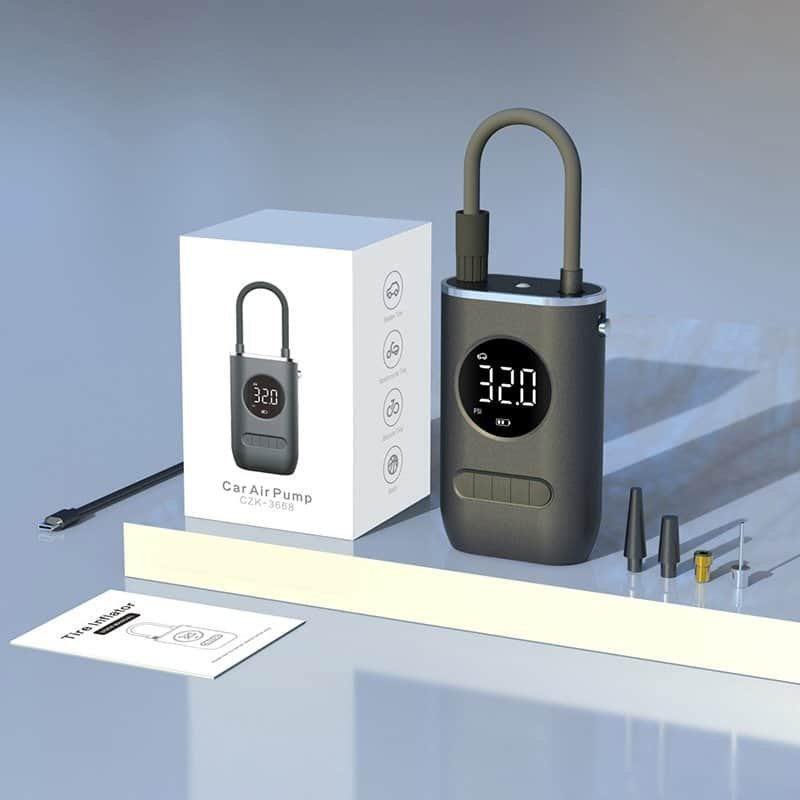
Making the Right Investment Decision
Understanding the relationship between price and genuine performance improvements helps identify optimal value for your specific needs while avoiding marketing-driven feature creep that inflates costs without delivering proportional benefits.
Feature creep and marketing-driven specifications often inflate prices without delivering proportional value improvements. Focus on features that directly impact your intended use cases rather than impressive-sounding specifications that don’t affect real-world performance. Technology evolution continues accelerating in automotive accessories, making future-proofing considerations increasingly important for smart buyers.
Consider pumps with updatable firmware, expandable connectivity options, and modular component designs that adapt to future requirements. Compatibility with emerging vehicle technologies and evolving tire pressure monitoring standards ensures long-term utility as automotive technology advances rapidly.
The difference between reliable emergency equipment and expensive disappointment lies in understanding which best features of car air pumps deliver real-world value versus marketing appeal. Focus on core performance specifications, build quality indicators, and features aligned with your specific needs to select equipment that provides years of dependable service when you need it most.
Frequently Asked Questions
What PSI rating do I need for my car air pump?
Most passenger vehicles require 30-35 PSI, so a pump rated for 150 PSI provides adequate headroom. Larger vehicles and emergency situations may require higher pressure capabilities, making 200+ PSI ratings worthwhile for versatility and peace of mind.
How long should a quality air pump last?
Well-maintained quality pumps typically provide 5-10 years of reliable service with regular use. Battery-powered models may require battery replacement after 2-3 years depending on usage frequency and storage conditions, but the pump itself should last much longer.
Are digital pressure gauges more accurate than analog ones?
Digital gauges generally offer better accuracy and readability, especially in low-light conditions. Quality analog gauges can be equally accurate but don’t rely on electronic components that may fail over time, making them more reliable in extreme conditions.
Should I choose a corded or cordless air pump?
Corded pumps offer unlimited runtime and consistent power but require proximity to power sources. Cordless models provide maximum portability but have limited battery life. Consider your typical usage scenarios—emergency roadside use favors cordless, while garage maintenance favors corded models.
What maintenance does my air pump require?
Regular maintenance includes cleaning air filters, checking electrical connections, and verifying pressure accuracy every six months. Store pumps in dry locations and charge batteries regularly to maintain optimal performance and longevity. Most quality pumps require minimal maintenance when stored properly.

 English
  Español
  Français
  Deutsch
  Português do Brasil
  Русский
  한국어
한국어  日本語
日本語  العربية