 跳转到主要内容 跳转到页脚
Car coolers are essential equipment for outdoor adventures, yet many users unknowingly sabotage their performance through common mistakes. This article will dissect the most frequent pitfalls in car cooler usage, installation, and maintenance, offering authoritative solutions to enhance cooling efficiency and equipment longevity across diverse outdoor scenarios in 2025. Improper placement and violation of the two-to-one ice-to-food ratio can reduce cooling efficiency by up to 40%, while failing to provide adequate ventilation around plug-in coolers causes heat buildup that diminishes performance and risks overheating.
Common User Mistakes That Compromise Car Cooler Performance
Understanding and avoiding these mistakes is critical to preserving ice longevity, energy efficiency, and maintaining food safety in all environments.
Improper Placement Leading to Overheating and Deformation
Placing a cooler on hot asphalt or a metal truck bed is a critical error. These surfaces act like a grill, deforming the cooler’s base and melting ice rapidly. Plug-in coolers installed in direct sunlight without clearance will overheat. Always maintain 2–4 inches on the sides and 4–6 inches behind the unit for proper ventilation. Blocking airflow by setting a cooler directly on carpet is another common mistake. Elevate it slightly to allow heat from compressor or thermoelectric systems to dissipate effectively.
Join 300+ global partners who trust KelyLands for top-tier car accessories. Review our portable car cooler boxes in our catalogue
Request now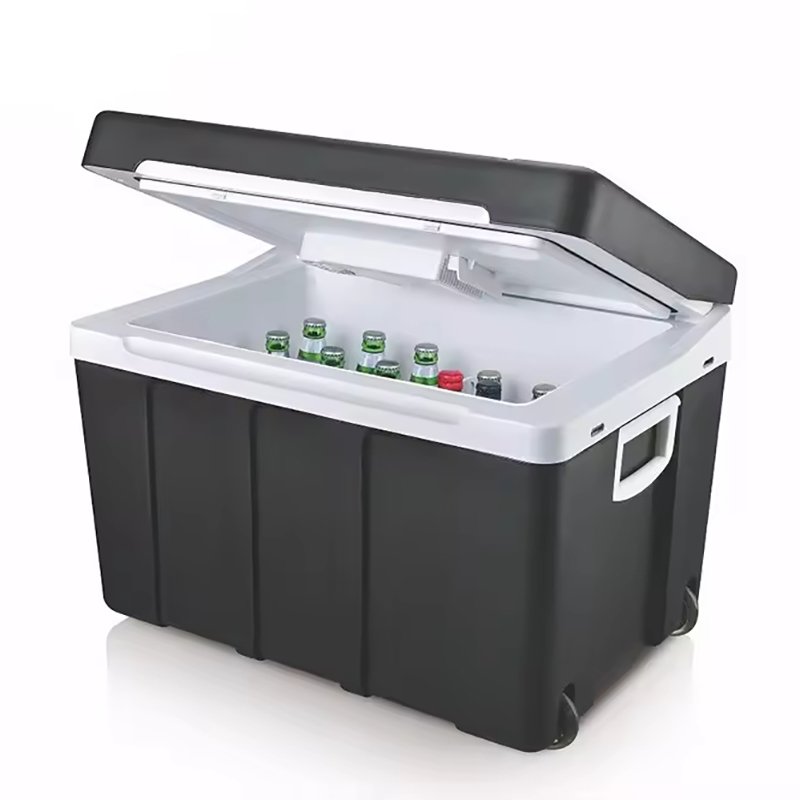
Mismanagement of Ice and Packing Ratios
The most frequent packing error is ignoring the two-to-one ice-to-food volume ratio. This mistake reduces cooling effectiveness by up to 40% by restricting internal airflow. Overpacking the cooler creates dead air spaces and promotes premature ice melt. Leave room for cold air to circulate around all contents for optimal performance. For the best results, use a hybrid approach. Combine slow-melting block ice with cubed ice that provides rapid surface-area cooling upon initial contact.
Neglecting Proper Cooling Preparations and Usage Habits
Adding warm drinks or room-temperature food directly into the cooler is a major oversight. The ice must work overtime to lower their temperature, shortening its lifespan dramatically. Pre-chill all beverages and freeze meat packages before packing. This simple preparation significantly extends your cooler’s overall cooling duration. Repeatedly opening the lid during peak afternoon heat invites warm air inside. Retrieve items during cooler morning or evening hours to preserve precious cooling power.
Inadequate Cleaning and Post-Use Maintenance
Neglecting leftovers and melted water creates a breeding ground for bacteria. This leads to stubborn odors and hygienic risks that are difficult to eliminate. Avoid harsh cleaning methods with boiling water or abrasive scrubbers. These practices can damage plastic insulation and compromise seals over time. Always dry your cooler thoroughly after cleaning. Store it in a temperature-stable, shaded area to prolong its lifespan and maintain performance.
Power and Ventilation Errors With Plug-In Coolers
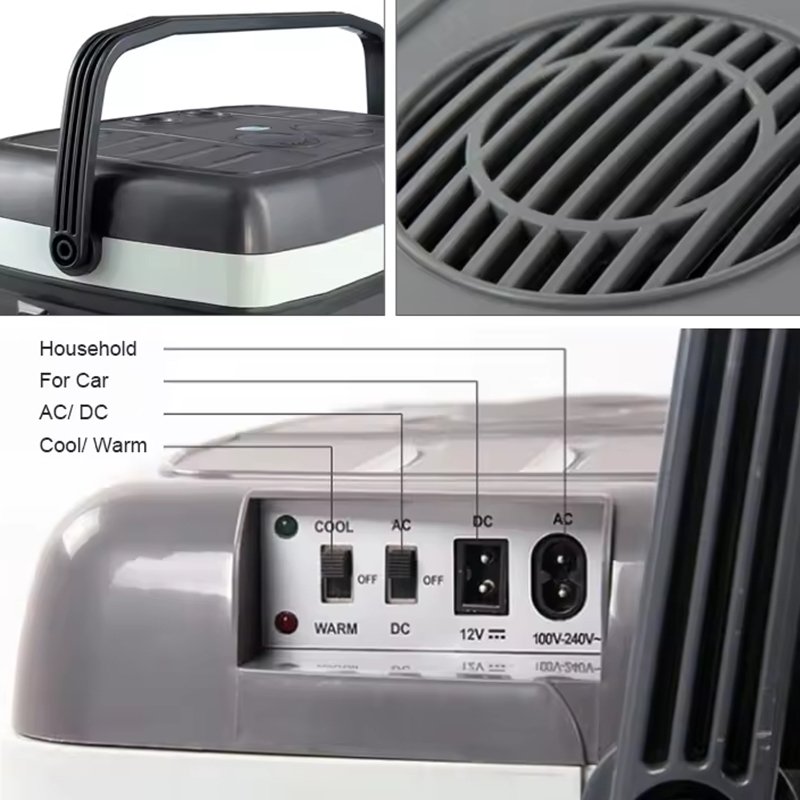
Plug-in coolers require specific clearances for proper operation, including elevated bottom clearance. Maintain at least 2 inches at the sides and 4–6 inches at the rear for adequate heat dissipation. Blocking rear exhaust vents drastically reduces cooling performance, which can trigger thermal shutdowns and cause rapid battery drain in portable units, ultimately risking permanent damage to compressor or thermoelectric components through chronic overheating.
Advanced Strategies and Industry-Grade Insights for Optimized Cooler Use
Integrating expert recommendations and technological advances enables outdoor professionals and manufacturers to meet reliability and performance expectations under extreme conditions.
Preconditioning and Thermal Management
Pre-cool your cooler’s interior with sacrificial ice before packing. This technique enhances initial ice longevity significantly during your trip. Use insulating covers like Reflectix or wet towels on the exterior. These provide supplemental evaporative cooling and reduce solar heat gain throughout the day. Maintain strict ice-to-food ratios and seginate contents in different containers. This organization optimizes cold retention and makes items easier to find.
Packaging and Organization Best Practices
Package food in sealed containers or durable resealable bags. This protects against water damage and keeps your cooler organized throughout your journey. Sturdy, reusable containers improve stacking efficiency and prevent crushing. They also make loading and unloading your cooler much more efficient. Place flexible ice packs strategically atop and between food layers. This placement reduces warm air intrusion during inevitable lid openings.
Innovations in Ice and Cooling Technology
Hybrid ice approaches combine block ice, cubed ice, and reusable gel packs. This strategy exploits optimum thermal dynamics balancing melt-rate and cooling power. Advanced coolers incorporate low thermal conductivity materials and enhanced sealing. These features achieve best-in-class insulation performance for extended trips. Emerging smart battery management and IoT-enabled temperature monitoring provide precise insights. These technologies help mitigate battery drain in plug-in units.
Environmental and Operational Considerations
Select cooler colors with reflective properties to minimize thermal gain. This is particularly important in desert or tropical environments with intense sunlight. Maximize shaded parking or storage locations for both cooler and power source. Avoiding exposed placement can double your ice life in hot conditions. Establish routine maintenance with gentle cleaning agents and proper drying. This ensures optimal performance and hygiene across repeated adventures.
Car Coolers Built for Versatility and Branding
Choose KelyLands car coolers for reliable cooling and warming solutions that fit outdoor adventures, vehicle use, and indoor settings. From compact thermoelectric models to powerful compressor fridges, enjoy flexible power options, customizable designs, and trusted quality backed by global certifications and OEM support.
Frequently Asked Questions
What is the ideal ice-to-food ratio to maximize a car cooler’s performance?
Maintain a strict two-to-one ice to food volume ratio. This ensures efficient airflow and maximized cooling duration throughout your trip.
How can I prevent my plug-in car cooler from draining my vehicle battery?
Ensure proper ventilation around the unit and use energy-efficient models. Minimize operating times when the engine isn’t running to preserve battery life.
Are there any dangers associated with using dry ice in car coolers?
Yes, always handle dry ice with gloves and ensure adequate ventilation. Prevent carbon dioxide buildup by using it only in well-ventilated areas.
How should I clean and store my cooler to prevent odors and extend its lifetime?
Use mild cleaners, avoid harsh chemicals, and ensure thorough drying. Store in shaded, temperature-stable environments away from direct sunlight.
What are the best practices to maintain cold temperatures during long trips without frequent ice replenishment?
Pre-chill contents, use block ice, minimize lid openings, and add external insulation. Carry extra ice packs for emergency replenishment when needed.

 English
  Español
  Français
  Deutsch
  Português do Brasil
  Русский
  한국어
한국어  日本語
日本語  العربية