 跳转到主要内容 跳转到页脚

Choosing between OEM and ODM partnerships for car air pumps fundamentally shapes your competitive position, cost structure, and long-term business strategy. OEM partnerships give you complete design control and brand exclusivity but demand higher investment and longer development cycles. ODM partnerships offer proven designs you can customize and rebrand for faster market entry with lower upfront costs. Smart buyers evaluate their budget, timeline, customization needs, internal capabilities, and risk tolerance to select the partnership model that aligns with their market position and growth objectives.
Understanding Manufacturing Partnerships That Drive Success
Manufacturing partnerships go way beyond simple supplier relationships—they determine whether you’ll lead your market or follow your competitors.
OEM vs ODM Manufacturing: What These Terms Really Mean
Original Equipment Manufacturer (OEM) partnerships put you in the driver’s seat. Chinese suppliers manufacture car air pumps exactly to your specifications, designs, and quality standards. You own the intellectual property, control every design detail, and dictate performance criteria. The manufacturer builds products with your brand, but you’re calling all the shots on materials, features, and functionality.
Original Design Manufacturer (ODM) arrangements flip this completely. Suppliers offer ready-made portable air compressor designs that you can rebrand and customize within their existing framework. Chinese ODM manufacturers bring their engineering expertise and proven designs to the table, letting you get to market faster without the headaches of ground-up product development. You get speed and lower risk, but you’re working within their design boundaries.
Join 300+ global partners who trust KelyLands for top-tier car accessories. Review our portable air pumps in our free catalogue
Request now
How China’s Manufacturing Revolution Changed the Game
China’s transformation from a cheap assembly hub to innovation powerhouse has revolutionized both OEM vs ODM manufacturing options. Today’s Chinese suppliers deliver advanced features like digital pressure gauge displays, smart auto-shutoff systems, and versatile power options that compete head-to-head with Western designs. This evolution opens doors for B2B buyers to access cutting-edge technology through either partnership route.
Leading manufacturers have poured money into R&D facilities, quality systems, and international manufacturing certifications. This infrastructure lets them operate as true business partners, not just contract manufacturers, whether you’re pursuing OEM and ODM partnerships. Understanding these capabilities helps you pick the right partnership model for your strategic goals.
Market Forces That Should Drive Your Decision
The booming global automotive spare parts market creates both opportunities and competitive pressure. Chinese manufacturers dominate production capacity and technological innovation, which means your partnership choice increasingly determines your market success, not just product availability.
Regulatory changes, sustainability in manufacturing requirements, and digital integration demands all influence whether OEM or ODM approaches better serve your market strategy. Forward-thinking buyers align their partnership models with these macro trends to build supply chains that can weather market changes.
Partner with a trusted supplier to elevate your product offerings. Our ISO-certified car air pumps meet global standards (CE, FCC, RoHS). Request our latest catalogue to discover cost-effective solutions for your business.
Smart Selection Criteria for Partnership Success
Your market position and internal strengths should drive partnership decisions, not just cost considerations or what suppliers prefer selling.
Matching Partnership Models to Your Market Position
Market leaders typically choose OEM partnerships when differentiation drives their competitive edge. Premium automotive accessory brands need unique designs, proprietary features, and exclusive market positioning that only OEM arrangements deliver. This approach costs more upfront but provides superior margin protection and brand differentiation that competitors can’t copy.
Emerging brands or volume-focused distributors often find ODM partnerships better aligned with their market entry or expansion goals. These arrangements provide battle-tested designs, faster market access, and lower development risks while maintaining enough customization flexibility for effective brand positioning. Success comes from matching your business model with the right partnership structure.
Evaluating Your Internal Capabilities and Resources
OEM partnerships demand serious internal capabilities including design expertise, quality assurance systems, and sophisticated supply chain risk management. You need engineering teams, quality control protocols, and supplier relationship management skills to succeed with OEM models. This represents ongoing investment in people and systems that many companies underestimate.
ODM approaches shift requirements toward market intelligence, brand management, and distribution excellence. Partners focus on identifying market opportunities, optimizing supplier relationships, and maximizing commercial execution rather than managing complex product development. This lets companies concentrate resources on their core strengths.
Risk Management Strategies That Actually Work
Intellectual property protection plays out differently in each model but remains critical. OEM partnerships require robust IP protection including patent filing, design security protocols, and manufacturing oversight systems. The investment in IP protection can be substantial but delivers long-term competitive advantages and market exclusivity that justify the costs.
ODM partnerships shift IP risks toward market competition and design commoditization. While suppliers handle design IP protection, buyers face risks from competitors accessing similar designs and limited differentiation opportunities. Successful ODM strategies emphasize speed-to-market, cost optimization, and brand building over technical differentiation.
Financial Analysis: Understanding True Costs and ROI
Upfront savings from ODM partnerships don’t always translate to long-term financial wins, especially when you’re dealing with higher volumes and competitive markets.
Total Cost of Ownership Reality Check
OEM partnerships typically hit you with higher upfront costs including tooling investments, design development expenses, and quality system implementation. For customizable car air pump OEM supplier China relationships, these investments often deliver lower unit costs at scale and superior margin protection through differentiation. Successful OEM partnerships spread development costs across substantial volumes while building sustainable competitive advantages.
ODM arrangements offer lower entry costs and faster payback periods but may involve higher ongoing unit costs and margin pressure over time. The trade-off between upfront investment and long-term profitability varies dramatically based on market dynamics, volume projections, and competitive intensity. Smart buyers model these scenarios across multiple years to understand true financial impact.

Volume Requirements and Scale Economics
Minimum order quantities (MOQs) and scale requirements differ substantially between partnership models. OEM arrangements often demand higher MOQs to justify tooling and setup costs but provide better unit economics at volume. This structure favors established companies with predictable demand and substantial market presence, particularly for specialized products like cordless tire inflator units.
ODM partnerships typically offer lower MOQs and more flexible ordering patterns, making them attractive for market testing, seasonal products, or smaller volume applications. This flexibility comes at a cost premium, but the reduced risk and capital requirements often justify the higher per-unit expense for emerging businesses.
Hidden Costs That Bite You Later
OEM partnerships involve often-overlooked costs including ongoing supplier management, quality assurance travel, design iteration expenses, and intellectual property protection investments. These costs can significantly impact total program economics but get underestimated during initial evaluations. Experienced buyers budget 15-25% additional costs beyond quoted manufacturing prices.
ODM arrangements shift certain costs to suppliers but may involve hidden expenses related to customization requests, expedited delivery requirements, and competitive response initiatives. Understanding these cost dynamics helps buyers make informed partnership decisions and budget appropriately for long-term success.
Implementation Strategies That Deliver Results
Picking the right partnership model is just the starting line—success demands systematic implementation, clear communication, and ongoing relationship management that most companies get wrong.
Supplier Selection Beyond Basic Checklists
Effective supplier selection goes beyond basic capability assessments to evaluate strategic alignment, cultural compatibility, and long-term partnership potential. Leading OEM partnerships start with comprehensive facility audits, management interviews, and reference customer discussions to ensure suppliers can meet demanding quality and service requirements for products like tire pressure pump systems.
ODM supplier evaluation emphasizes design portfolio assessment, market responsiveness, and innovation capabilities. Buyers must evaluate suppliers’ existing product lines, customization flexibility, and market intelligence to ensure alignment with brand positioning and customer requirements. The best ODM suppliers act as strategic partners rather than simple product vendors.
Contract Structures That Protect Your Interests
OEM contracts require detailed specifications, quality standards, and intellectual property protection clauses to ensure successful outcomes. Successful agreements include clear performance metrics, penalty structures, and continuous improvement requirements while maintaining flexibility for design iterations and market changes. These contracts often span multiple years and require sophisticated legal review.
ODM contracts focus more heavily on customization limitations, exclusive arrangements, and performance guarantees. Buyers must carefully negotiate customization scope, geographic exclusivity, and competitive protection to maximize partnership value while minimizing market risks. The simpler nature of ODM contracts allows faster negotiation cycles.
Performance Management That Drives Continuous Improvement
Both partnership models demand sophisticated relationship management but emphasize different capabilities. OEM relationships require close technical collaboration, frequent communication, and joint problem-solving approaches to ensure design intent preservation and quality maintenance. Regular supplier visits and technical reviews become essential business practices.
ODM partnerships emphasize commercial collaboration, market intelligence sharing, and mutual business development. Successful relationships balance supplier autonomy with buyer oversight to optimize market responsiveness and competitive positioning. The focus shifts from technical oversight to commercial optimization and market development, particularly for coupling trends revolutionizing OEM/ODM partnerships.
Compact Air Pumps Built for Every Ride and Adventure
Choose KelyLands air pumps for versatile inflation solutions with precise digital controls and powerful performance. Perfect for cars, bikes, motorcycles, sports balls, and more, these durable pumps fit roadside emergencies, daily rides, and outdoor fun. Customize your brand with flexible OEM/ODM options and benefit from trusted quality and worldwide support.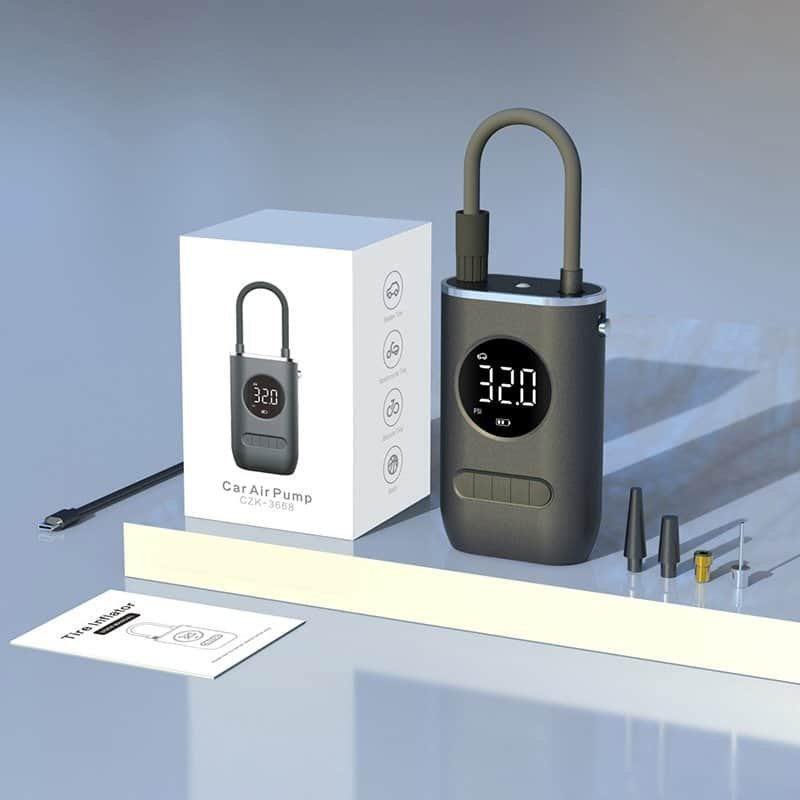
Frequently Asked Questions
What distinguishes OEM from ODM partnerships when sourcing car air pumps?
OEM partnerships involve suppliers manufacturing products to your exact specifications and designs, giving you complete control over features, quality, and branding while requiring higher investment and longer development times. ODM partnerships offer pre-designed products that you can rebrand and customize within defined parameters, providing faster market entry and lower upfront costs but limited differentiation opportunities compared to fully custom OEM solutions.
Which partnership model delivers better cost efficiency for B2B buyers?
Cost efficiency depends on your volume requirements, customization needs, and time horizon. ODM partnerships typically offer lower entry costs and faster payback but may have higher ongoing unit costs. OEM partnerships require higher upfront investment but can deliver superior unit economics at scale and better margin protection through differentiation that prevents price commoditization.
How should I evaluate Chinese manufacturers for different partnership models?
For OEM partnerships, focus on manufacturing capabilities, quality systems, design support, and IP protection measures. Evaluate their facility standards, engineering expertise, and reference customers. For ODM partnerships, assess their existing product portfolio, customization flexibility, market responsiveness, and innovation capabilities. Both require evaluation of financial stability, communication capabilities, and cultural alignment for long-term success.
What are the typical minimum order quantity differences between models?
OEM partnerships typically require higher MOQs (often 500-2000 units) to justify tooling and setup costs, but provide better unit economics at volume. ODM partnerships usually offer lower MOQs (often 100-500 units) and more flexible ordering patterns, making them suitable for market testing or smaller volumes, though unit costs may remain higher across all volume levels.
How long does implementation take for each partnership approach?
ODM partnerships can be implemented in 2-4 weeks for standard products, as you’re working with existing designs and proven manufacturing processes. OEM partnerships typically require 8-16 weeks for development including design finalization, tooling, sampling, and production setup. Complex OEM projects may take longer depending on customization requirements and quality validation needs.
What factors should guide my choice between OEM and ODM partnerships?
Consider your budget, timeline, customization needs, market position, and internal capabilities. Choose OEM if you need unique features, have sufficient volume to justify development costs, and possess technical expertise for supplier management. Select ODM if you prioritize speed-to-market, have limited development resources, or are testing new market segments with lower risk tolerance and smaller initial volumes.

 English
  Español
  Français
  Deutsch
  Português do Brasil
  Русский
  한국어
한국어  日本語
日本語  العربية