 跳转到主要内容 跳转到页脚

A commercial ev charger installation is more than a hardware purchase; it’s an electrical infrastructure project where miscalculations lead directly to budget overruns and serious fire code violations. Businesses often account for the charger itself but are caught off guard by the secondary costs of panel upgrades, extended copper wire runs, and permitting delays that can derail fleet electrification timelines.
This guide provides a technical breakdown of those hidden variables before you engage an electrical contractor. We’ll analyze electrical panel capacity to determine if a 100A service can support a 50A breaker, explain how conduit distance drives material costs, and show how load management devices can prevent an expensive and time-consuming main service upgrade.
100A vs 200A Panels: Do You Have Enough Room for a 50A Breaker?
A 50A breaker physically fits in 100A and 200A panels, but the real issue is electrical load capacity, not the physical slot.
Physical Fit vs. Electrical Capacity
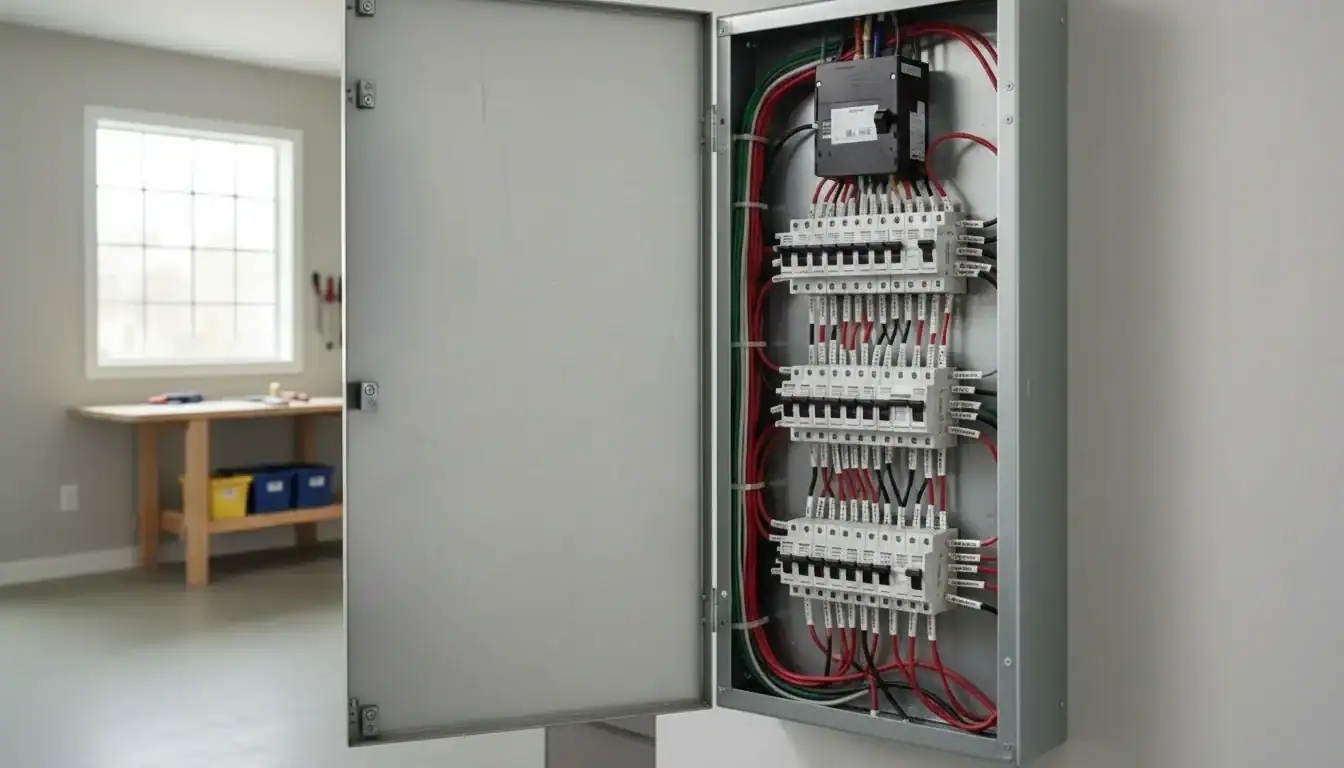
A 50-amp, double-pole breaker will slot into an available space in either a 100A or a 200A panel without issue. The critical distinction is not about physical space but the panel’s total electrical capacity. This rating defines the maximum electrical load the system can safely manage at any given time. Adding a high-demand circuit for an EV charger directly challenges this limit, making panel capacity the single most important factor in the installation plan.
The Limits of a 100A Panel
Installing a 50A breaker in a 100A panel immediately consumes half of its entire electrical budget. This leaves only 50 amps for every other circuit in the house—including air conditioning, an electric dryer, a water heater, and kitchen appliances. Running an EV charger while other major appliances are active creates a high risk of overloading the main breaker. This leads to frequently tripped circuits and puts significant stress on the electrical system.
| Metric | 100A Panel Impact | 200A Panel Impact |
|---|---|---|
| Total Panel Capacity | 100 Amps | 200 Amps |
| 50A EV Charger Load | Consumes 50% of total capacity | Consumes 25% of total capacity |
| Remaining Capacity | 50 Amps (High overload risk) | 150 Amps (Safe operational margin) |
Why a 200A Panel Is the Recommended Standard
A 200A panel provides double the capacity, making it the industry-standard recommendation for modern homes. In this scenario, a 50A breaker for an EV charger uses only 25% of the total available power. This leaves a safe and flexible 150-amp margin to run all other household circuits without risking an overload.
For any property with an EV, or planning for one, a 200A service is the correct infrastructure investment. It reliably accommodates the continuous load of a Level 2 charger and supports other high-draw amenities like a hot tub, heat pump, or pool equipment, ensuring the home is prepared for current and future electrical demands.
Distance Factors: Why Does Copper Wire Cost Increase by the Foot?
Longer installation distances drive up costs not just from using more wire, but also from needing thicker, more expensive gauges to prevent power loss and from navigating complex installation paths.
Increased Material Volume and Labor
The most direct cost driver is the simple need for more physical material. Longer wire runs require more copper footage, and the installation process becomes more labor-intensive. Tasks like trenching for underground runs, excavating, or routing extended conduit through walls and ceilings add significant hours and effort to a project. The logistics of handling larger, heavier spools of wire also contribute to the final bill.
- Every additional foot of wire adds directly to the total material expense.
- Labor costs scale with distance due to the increased time needed for routing, excavation, and installation.
- Transportation and handling expenses for bulkier, heavier spools of wire contribute to the overall project cost.
Heavier Gauge Wire to Mitigate Voltage Drop
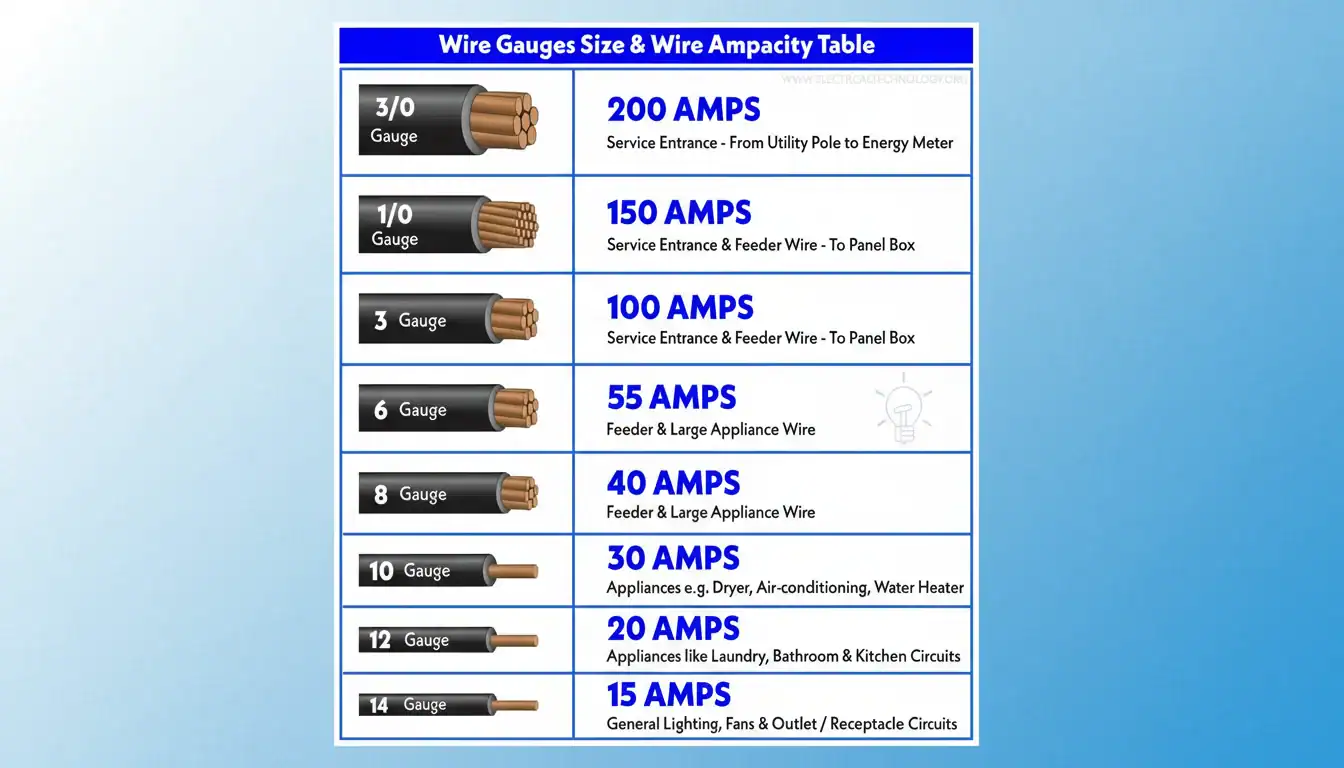
Electricity loses voltage as it travels over long distances—a phenomenon known as voltage drop. To ensure devices like EV chargers receive sufficient and stable power, longer installations require thicker, heavier-gauge wire. This heavier wire is substantially more expensive per foot than standard-gauge alternatives, amplifying the total material cost well beyond a simple linear increase based on length.
- Long feeder lines must use thicker wire to compensate for inherent power loss over the run.
- The requirement for a lower-gauge (thicker) wire significantly increases the per-foot cost of the material.
- This is a non-negotiable electrical safety and performance requirement for high-power applications.
Installation Complexity and Environmental Premiums
The installation environment plays a major role in pricing. Urban projects often face steep distance premiums—sometimes 10 times higher than rural ones—due to the challenges of navigating complex terrain, securing permits, and routing cables around existing infrastructure like gas lines, water mains, and foundations. Each obstacle adds time, specialized labor, and potential equipment costs to the job.
- Urban installations incur higher costs from complex routing around existing utilities and dense structures.
- Difficult terrain and stringent local permit requirements can add significant time and expense.
- Specialized equipment may be needed to complete installations in hard-to-access areas, further increasing costs.
Custom OEM EV Chargers to Grow Your Brand

Permits & Inspections: Why Is DIY Installation Illegal or Dangerous?
Attempting a DIY EV charger installation violates mandatory electrical codes, creates significant fire risks, and voids equipment warranties, making professional installation a non-negotiable requirement for safety and compliance.
Violating Electrical Codes and Permit Mandates
Most jurisdictions legally require a licensed electrician to install a high-voltage appliance like an EV charger. A do-it-yourself installation almost always violates the National Electrical Code (NEC) and local building regulations. These rules exist to ensure the work is performed safely and mandate official permits and inspections before the system goes live.
- Official permits and inspections are necessary to verify that the installation can safely handle the sustained electrical load without overloading your home’s system.
- Non-compliance can lead to fines from your local municipality and orders to remove the unpermitted work at your own expense.
- Professionals are trained to meet specific, complex code requirements that a typical homeowner is completely unaware of, such as conduit fill, wire gauge calculations, and proper breaker selection.
Risk of Electrical Fires and Equipment Damage
The most significant danger of an improper installation is an electrical fire. Incorrect wiring, using the wrong size breaker, or a poor physical connection can cause overheating, short circuits, and catastrophic failure. This puts your home, property, and family at direct risk. High-voltage charging systems operate under heavy, continuous loads for hours at a time, demanding a level of precision far beyond standard home electrical work.
- High-voltage charging systems demand specialized expertise that goes well beyond changing a light fixture or outlet.
- A faulty installation can permanently damage the EV charger and your vehicle’s sensitive onboard charging components, leading to thousands of dollars in repairs.
- Proper grounding and circuit protection, often overlooked in DIY projects, are critical for preventing electrical shocks and equipment failure.
Voiding Warranties and Insurance Policies
Manufacturers of EV chargers and electric vehicles stipulate that a certified professional must install their products. A DIY installation will almost certainly void the warranties on both the charger and your car’s battery system. If something goes wrong, you will have no recourse. Similarly, homeowner’s insurance policies are unlikely to cover damage resulting from unpermitted or non-compliant electrical work performed by an unlicensed individual.
- Insurance companies may deny claims for fire or other damage if the cause is traced back to unpermitted electrical work.
- If a fire starts from a DIY charger installation, you could be held fully liable for all property damage, including damage to neighboring properties.
- Proof of professional installation from a licensed electrician is often the first thing requested when making a warranty or insurance claim related to the charging system.

Load Management: Can Devices Avoid a Heavy Panel Upgrade?
A smart load management device, often called Dynamic Load Balancing (DLB), monitors your home’s total power use and automatically adjusts EV charging speed to prevent overloads, making it a highly effective alternative to a costly panel upgrade.
How Load Management Prevents Electrical Overloads
Load management systems work by actively monitoring a home’s total electricity consumption in real time. A sensor, usually a current transformer (CT) clamp, attaches to the main electrical service lines and continuously measures the total power draw. When overall household demand spikes—for instance, an oven and an air conditioner turn on at the same time—the system automatically and temporarily reduces the power sent to the EV charger. This intelligent throttling ensures the total load never exceeds the main breaker’s capacity, preventing a trip. Once household demand decreases, the system restores the EV charger to its maximum available charging speed. This dynamic adjustment allows a high-power charger to share the existing electrical capacity safely.
| Comparison Metric | Full Panel Upgrade | Dynamic Load Balancing (DLB) |
|---|---|---|
| Estimated Cost | High ($2,000 – $5,000+) | Low ($300 – $800 for the device) |
| Installation | Invasive, requires significant electrical work and permits (1-2 days) | Minimally invasive, installed alongside the charger (2-4 hours) |
| Core Function | Increases the total available power capacity for the entire home | Intelligently manages and shares the existing power capacity |
Identifying Scenarios for Load Management Solutions
This technology is a practical solution for homes where the electrical panel has limited spare capacity. It is most valuable when the cost or complexity of a full panel upgrade is a significant barrier. Key scenarios include:
- Homes with 100A or 125A panels that are already close to their maximum calculated load.
- Properties where a panel replacement would cost thousands of dollars, making EV adoption otherwise unaffordable.
- Multi-unit dwellings like condos or apartments, where individual panel upgrades are structurally difficult or prohibited.
- Installations where an electrician has confirmed that a new dedicated circuit would fail the NEC load calculation. An estimated 20–30% of installations can use load management to avoid this problem.
Core Technology and Future Integration
The technology relies on a microcontroller-based system and current sensors to make intelligent, split-second decisions about power allocation. The key components are a smart controller, which acts as the brain, and the current transformers that measure power flow. Some advanced systems offer real-time monitoring displays or app integrations to show the owner exactly how power is being distributed across the home. The market is moving toward greater integration with complete home energy platforms. Emerging trends include pairing load management with home battery storage to buffer power demands and developing software that can prioritize power not just for an EV, but also for a heat pump, a smart water heater, and other high-draw appliances simultaneously.
Conclusion
Planning for an EV charger installation involves more than the hardware cost. Evaluating your electrical panel capacity, accounting for wire runs, and securing the right permits are critical for a safe, code-compliant system. This due diligence ensures your charging equipment operates reliably and protects your property.
For electrical wholesalers and professional installers, we provide detailed technical datasheets for project planning. Contact our team to discuss OEM solutions or to request a sample unit for evaluation.
Frequently Asked Questions
How much does it cost to install a Level 2 charger?
The cost to install a Level 2 EV charger typically ranges from $600 to $2,500, not including the charger unit itself. The final price depends on the distance from your electrical panel to the charger location, the complexity of the wire run (e.g., through finished walls), and local labor rates. Costs can exceed this range if your home’s main electrical panel requires an upgrade to a 200-amp service to handle the additional load.
Do I need a permit to install an EV charger?
Yes, a permit is almost always required to install a Level 2 EV charger. The installation involves adding a new, dedicated 240-volt circuit, which is considered major electrical work. A permit ensures the installation is performed safely, adheres to all National and local electrical codes, and is officially inspected. Your licensed electrician will typically manage the entire permitting process for you.
Can I install a fast EV charger at home myself?
No, you should not install a Level 2 charger yourself. This is a high-voltage project that requires a licensed and qualified electrician. Incorrect installation can create a serious risk of fire, electrical shock, and damage to your vehicle and home. Furthermore, professional installation is necessary to ensure code compliance, pass electrical inspections, and maintain your homeowner’s insurance and equipment warranties. True DC fast chargers (Level 3) are not suitable for residential installation due to their extreme power requirements.
What wire size is needed for a 50 amp EV charger?
For a 50-amp circuit, the standard requirement is 6-gauge (AWG) copper wire for all conductors. The specific type of wire, such as NM-B for indoor runs or THHN/THWN in conduit, depends on the installation environment. For very long runs, a thicker 4-gauge wire may be necessary to prevent voltage drop. A qualified electrician must make the final determination based on National Electrical Code (NEC) guidelines and site-specific conditions.

 English
  Español
  Français
  Deutsch
  Português do Brasil
  Русский
  한국어
한국어  日本語
日本語  العربية