 跳转到主要内容 跳转到页脚

Designing for the convertible vacuum market requires balancing high-performance suction with the mobility needed for complex residential layouts. Engineers use lift-away technology to transform standard uprights into portable canisters, solving the long-standing trade-off between 1200W cleaning power and the handheld reach required for stairs or tight spaces.
This article details the mechanical benchmarks for 2-in-1 systems, including latch durability testing to ensure components survive 10,000 cycles and air path sealing that meets leakage standards of ≤6 CFM/ft². We also evaluate stair stability protocols and the 2026 patent landscape to help manufacturers navigate technical requirements and protect intellectual property in a competitive global market.
The “Convertible” Trend: Upright to Canister
The convertible trend focuses on detachable motor units that allow a standard upright vacuum to function as a portable canister. This design preserves the high suction of 1000W+ motors while providing the mobility required for stairs and tight spaces, solving the traditional trade-off between floor coverage and handheld reach.
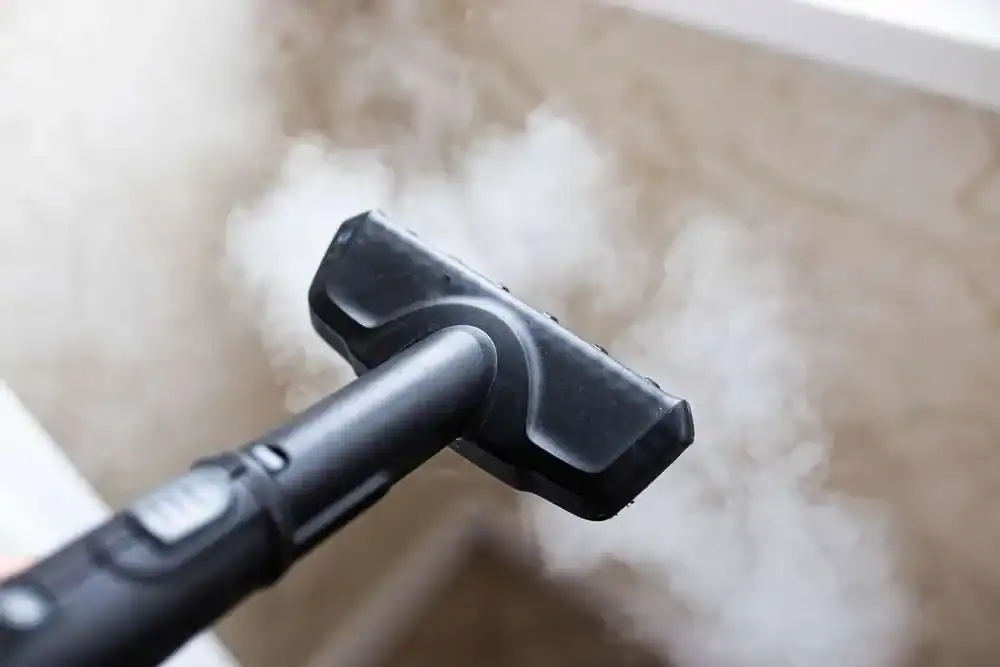
Hybrid Architecture and Detachable Mechanisms
Lift-Away engineering allows the core canister and motor assembly to separate from the brush head base with a single latch. Engineers target a detached weight between 16 and 20 lbs to ensure the unit remains maneuverable for multi-level residential use. Integrated electronic clutches and secondary motors manage the brushroll independently during conversion transitions. Swivel steering and reclining handles stabilize the machine when the canister stays attached for standard floor cleaning.
Suction Maintenance and Motor Performance
Dual-motor configurations use 1000W to 1200W vacuum motors to sustain 102 CFM airflow and 92-inch waterlift through detachable joints. Specialized sealing technology keeps the air path integrity intact at the detachment point to prevent suction loss. S-Class HEPA filtration systems capture 99.9% of contaminants, maintaining air quality standards in both upright and portable modes. Long 30-foot power cords and 5.5-foot flexible hoses provide a wide cleaning radius, which reduces the frequency of outlet changes during operation.
Latch Design: Durability Testing (10k Cycles)
Testing latches to 10,000 cycles ensures mechanical integrity for detachable joints. By following BS EN 12209:2003 standards and applying side loads up to 50N, manufacturers verify that connections remain secure and functional throughout the service life, preventing air path leaks or structural detachment.
| Engineering Standard | Testing Parameter | Performance Requirement |
|---|---|---|
| BS EN 12209:2003 | Side Load Application | 15N to 50N Resistance |
| Cycle Endurance | Repetitive Actuation | 10,000 Cycles (No Failure) |
| ASME B30.20 | Breakaway Force Ratio | <33% of Rated Load |
Mechanical Integrity and Cycle Classification
Engineering teams apply BS EN 12209:2003 standards to evaluate how latches perform under constant stress. This standard classifies durability through twelve distinct grades, measuring the latch bolt’s resistance to side loads between 15N and 50N. Reaching the 10,000-cycle mark serves as a critical baseline for high-performance cleaning equipment. This benchmark ensures mechanical components survive the repetitive engagement and disengagement required for daily household use without structural fatigue or air leaks.
The classification system uses side load application during bolt withdrawal to simulate real-world handling. Higher grades demand superior cycle endurance, validating the 10,000-operation threshold as a baseline for commercial-grade reliability. This process confirms that the vacuum latch maintains a secure seal, which is necessary for maintaining suction levels during lift-away operations.
Stress Testing Protocols and Inspection Standards
Quality control involves a triple-layer inspection framework including IQC, PQC, and FQC to monitor production throughout 2026 manufacturing runs. These protocols utilize ASME B30.20 guidelines to verify that latch movements remain smooth and free of mechanical binding. Testing technicians perform operational checks on every batch to confirm the hardware functions correctly under simulated weight loads, ensuring the detachable joints do not seize after heavy use.
Engineers also measure breakaway force ratios to prevent accidental detachment during high-suction or stair cleaning tasks. By maintaining a rated load well below the total breakaway force, the design keeps connections secure even when the user lifts or carries the main unit. This data-driven approach to latch testing prevents accidental drops and preserves the structural longevity of the vacuum’s modular components.

Air Path Integrity: Sealing the Detachable Joint
Engineers ensure air path integrity by compressing continuous gaskets between the main unit and detachable canister using symmetrical latches. By adhering to HVAC leakage standards of ≤6 CFM/ft² at 1000 Pa, manufacturers prevent suction loss and maintain filtration efficiency for 2026 product designs.
Mechanical Interface and Gasket Compression
Design teams implement continuous, full-face gaskets at the detachable joint to prevent air bypass. This physical barrier ensures the vacuum motor pulls air through the filtration system rather than through gaps in the casing. Latching hardware applies symmetrical force to ensure even pressure distribution across the seal interface, which prevents local leakage often found in systems with uneven fastener loads.
Structural thermal breaks, such as 1/2-inch epoxy bridges, eliminate leakage points and condensation paths. These design elements replace insufficient adhesive tapes with rigid, durable barriers. By focusing on mechanical precision, joints maintain airtight integrity throughout thousands of canister removal and replacement cycles, ensuring the machine performs consistently over its operational lifespan.
Leakage Benchmarks and Differential Pressure Testing
High-performance seals meet leakage requirements of ≤6 CFM/ft² at 1000 Pa differential pressure. This benchmark provides a measurable standard for low-leakage performance in detachable sections. Testing protocols follow NFPA 2001 and ISO 14520 integrity standards to quantify leakage at 10–75 Pa, ensuring that every connection point contributes to the overall efficiency of the air path.
Engineers verify seal stability at 0.10–0.60 in. w.g. to simulate operational air loads on the detachable canister. These tests confirm the seal remains compressed even when subjected to internal pressure fluctuations. Mechanical joints align with ASME B16.5 flange standards to prevent axial displacement under vacuum pressure, keeping the canister securely seated during high-suction tasks.
Premium OEM/ODM Solutions for Your Home Vacuum Brand

Stability on Stairs: The “Stair Test”
Engineers evaluate stair performance using ASTM F558 for hose suction and IEC 62885-2 for pickup efficiency. While no formal ‘tip test’ exists for portable pods, units weighing between 13 and 13.8 lb are benchmarked for their ability to maintain tool grip on vertical risers while resisting falls through low centers of gravity.
Suction Standards and Air Path Integrity
Vacuum performance on stairs relies on consistent airflow and suction when the unit operates in a detached configuration. Engineers validate hose-end performance using ASTM F558, which measures airflow through the system at various angles. This testing ensures that high-angle tool use does not compromise air path integrity during vertical cleaning. For debris removal, technical benchmarks follow IEC 62885-2, specifically sections 5.3 and 5.5, which assess pickup efficiency in both forward and reverse motions on carpeted treads. High suction metrics confirm that the system generates enough negative pressure to keep heavy accessories engaged with vertical stair risers without losing contact pressure.
Pod Ergonomics and Tipping Risk Factors
The physical design of detachable pods directly impacts their stability on standard 10-inch treads. Most units weigh between 13 and 13.8 lb, a mass range chosen to balance one-handed portability with a stable base footprint. Designers analyze weight distribution to create a low center of gravity, which helps the pod resist lateral moments caused by hose tension or user movement. Comparative data shows that architecture choice influences tipping risk; long-stretch hose designs allow the vacuum base to remain at the bottom of the flight, while 25-foot corded ‘carry-up’ pods require placement on the steps. Users often mitigate tipping risks on narrow stairs by bracing the pod against a riser or manually stabilizing the unit while operating accessories.
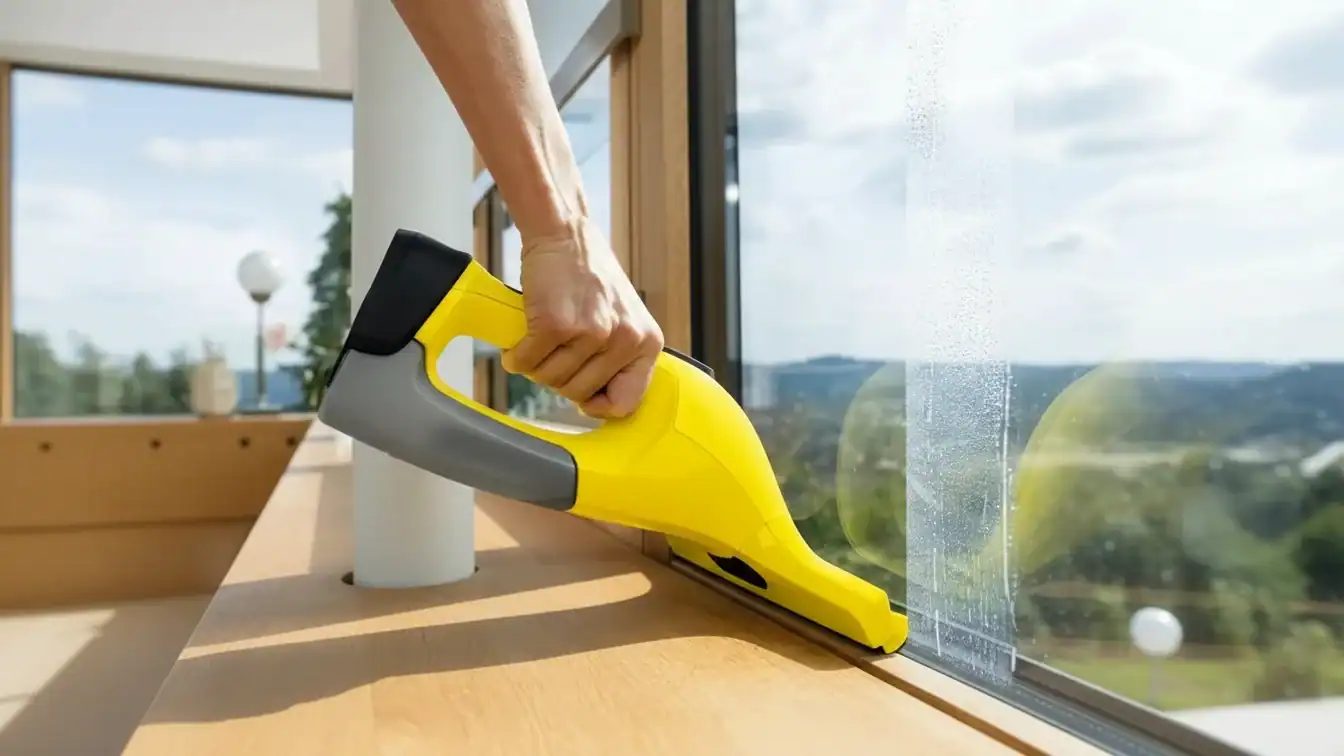
Patent Landscape: Avoiding Infringement
Navigating the 2026 patent landscape involves rigorous claim charting against 131,000+ transport-related patent families. Manufacturers prioritize Freedom to Operate (FTO) searches for detachable joints, citing analogous mechanisms like US20150075914A1. Strategic use of the Patent Cooperation Treaty (PCT) enables phased protection across global markets while managing costs for diverse product portfolios.
| Technology Sector | Patent Family Volume | Market Dominance & Trends |
|---|---|---|
| Air Transportation | 131,000+ Families | AECC leads growth at 81.1% CAGR; RTX and GE maintain top volumes. |
| Land Transportation | 900,000+ Families | Toyota dominates with 37,000+ patents, including 26,000 in sustainable propulsion. |
| Hybrid Aircraft Systems | 138 Applications (40+ Granted) | Concentrated filings by RTX Corp, GE, and Rolls-Royce since 2019. |
Mechanical Separation and Prior Art Analysis
Engineers analyze analogous mechanical separation mechanisms, such as US20150075914A1 for elevator controls and US20150137003A1 for specimen lift-out, to identify potential claim overlaps. This review process scans 131,000 air transport patent families and 900,000 land transportation families, ensuring manufacturers avoid crowded prior art in detachable joint technology.
Technical teams perform claim charting against top industry portfolios to mitigate interoperability risks in hybrid mechanical-electrical systems. Monitoring high-growth filers like the Aero Engine Corporation of China, which shows an 81.1% CAGR, provides early warning of rapid shifts in technological dominance and emerging patent thickets that could restrict freedom to operate.
International Filing Strategies for Global Export
The Patent Cooperation Treaty (PCT) provides a pathway to delay national phase decisions, allowing firms to manage costs while securing protection in over 50 target markets. Using a portfolio of over 100 design patents creates a defensive barrier against aesthetic and structural replicas, protecting the structural integrity and visual identity of mechanical lift-away systems in competitive export zones.
Implementing licensing liberalization strategies, modeled after 35 agreements reached in restricted biotech sectors, helps bypass overly broad patent claims. Ensuring technical documentation aligns with ISO 9001:2015 and IATF 16949 standards strengthens patent validity during global audits and ensures the engineering data supports the inventive steps claimed in international filings.
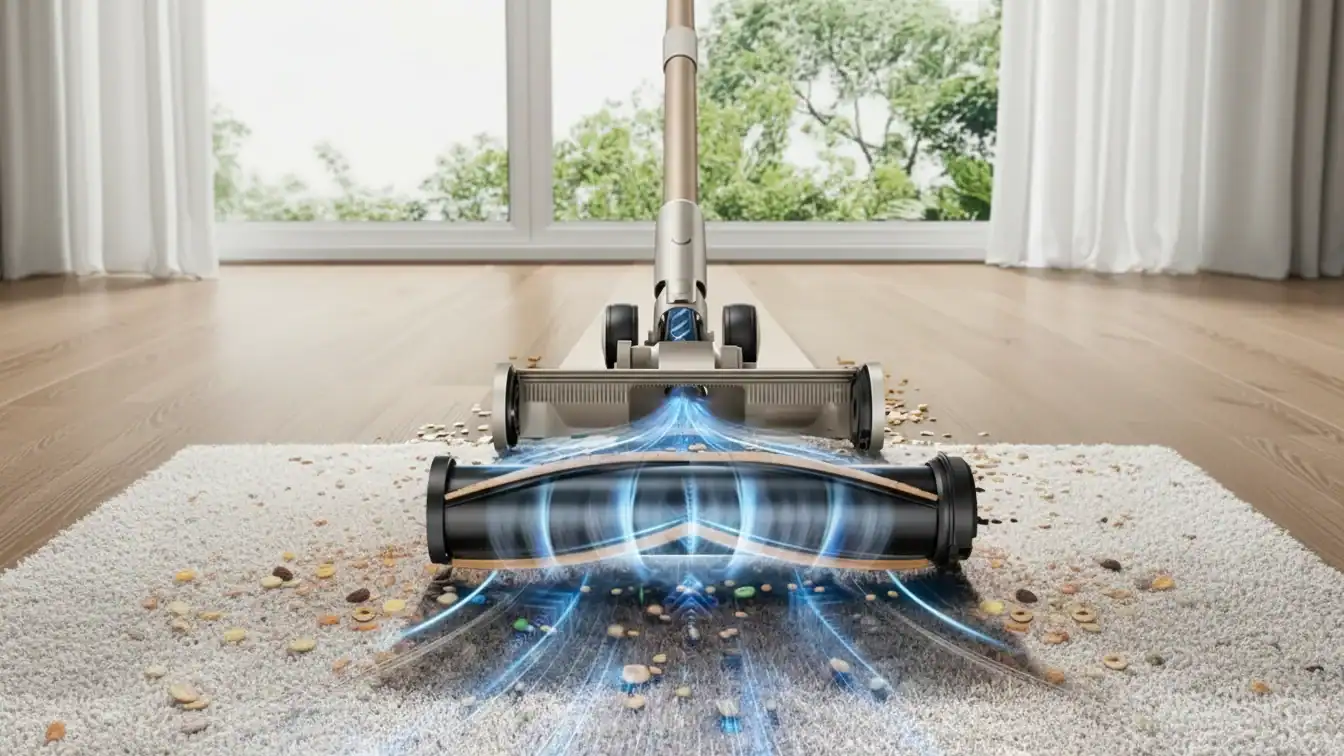
Final Thoughts
Precision in the detachable joint dictates the performance of 2-in-1 uprights. Manufacturers use 10,000-cycle latch tests and high-compression gaskets to keep suction high when users switch modes. These engineering choices provide long-term durability, letting homeowners move from hardwood floors to narrow stairs without losing airflow or filtration efficiency.
Engineering teams now target lower centers of gravity and specific breakaway force ratios to improve stability on vertical surfaces. As the market moves toward 2026, adhering to international leakage standards and securing freedom-to-operate patents will separate top-tier hardware from lower-quality replicas. Reliable modular vacuums must balance this mechanical complexity with simple, one-handed operation to meet modern cleaning demands.
Frequently Asked Questions
What is the primary difference between a lift-away vacuum and a canister vacuum?
A lift-away vacuum operates as an upright model featuring a detachable canister that users carry by hand while it remains connected via a hose. Unlike traditional canister vacuums that stay separate from the floorhead and require towing on wheels, a lift-away unit docks on a wheeled base for floors and only converts to a portable module for specialized tasks like stair cleaning.
How do detachable canisters improve cleaning on stairs and elevated surfaces?
Detachable canisters solve the weight and stability issues of fixed uprights. By removing the vacuum module from the floor nozzle, users can carry the motor unit in one hand to reach high surfaces and narrow steps. This design provides the mobility of a handheld vacuum while maintaining the 1200 W suction power typical of full-sized upright motors.
What technical specifications define a high-performance lift-away upright in 2026?
Modern lift-away models, such as those in the Shark Rotator series, typically weigh around 14.35 lb and operate at 1200 W. These units usually include a 25-foot power cord and a HEPA filtration system to ensure effective dust separation while providing enough reach to clean an entire flight of stairs without changing outlets.
Can lift-away vacuums replace dedicated handheld units for car detailing?
Yes, they often serve as powerful car vacuums because the detachable module connects to various specialized tools. While KelyLands also manufactures dedicated portable car vacuums with 13,000Pa suction, a lift-away upright provides higher sustained power and larger dust capacity for deep-cleaning vehicle interiors and upholstery.

 English
  Español
  Français
  Deutsch
  Português do Brasil
  Русский
  한국어
한국어  日本語
日本語  العربية