 跳转到主要内容 跳转到页脚

Maintaining a competitive cleaning inventory in 2026 requires understanding why single-purpose handhelds are losing ground to versatile stick formats. Traditional handheld vacuums often force users into high-strain postures like kneeling or squatting, which accounts for 56% of total cleaning task time and increases the risk of lower back strain.
This analysis compares the technical specifications and ergonomic impacts of corded stick vacuums versus legacy handheld models. We look at suction benchmarks, where stick models deliver up to 400 AW compared to the sub-100 AW found in older portables, and examine how 1.0L dust bin capacities improve performance across larger floor-to-ceiling tasks.
The Value Proposition: Floor Cleaning for Handheld Price
Corded stick vacuums offer a superior value proposition by delivering floor cleaning performance—often exceeding 18 kPa suction—at price points traditionally reserved for small handheld units. This combination provides full-room utility and 90% debris pickup rates without the high costs or limited runtimes associated with battery-powered motors in 2026 markets.
| Feature | Corded Stick Vacuum | Typical Handheld Alternative |
|---|---|---|
| Suction Power | >18 kPa (600W Motor) | 4 – 8 kPa |
| Runtime | Unlimited (Continuous) | 10 – 50 Minutes |
| Dust Capacity | 0.5L – 1.0L | ~0.1L |
| Lifespan | 7 – 8 Years | 2 – 4 Years (Battery life) |
Efficiency Gains from Continuous Power Delivery
Hardwired 600W motors provide a steady stream of power that maintains high suction levels throughout the entire cleaning session. Unlike battery-dependent models that experience a drop in performance as the charge depletes, corded units ensure consistent debris extraction from start to finish. This continuous delivery enables the vacuum to reach suction power exceeding 18 kPa, a threshold that allows for deep cleaning on floors rather than just surface-level spot cleaning.
By removing the battery from the equation, manufacturers reduce the overall weight and complexity of the machine while eliminating the need for expensive replacements. Users benefit from unlimited runtime, making these units suitable for maintaining entire apartments or multi-room layouts. This setup bypasses the common frustration of a fading motor, ensuring the last room cleaned receives the same airflow as the first.
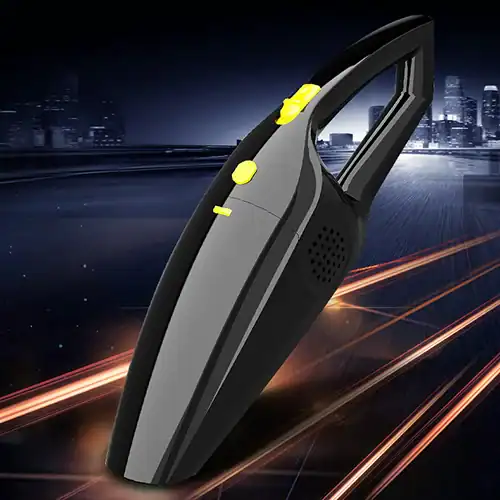
Physical Specs and Suction Capacity Comparisons
Dust bin volumes in corded stick vacuums generally range from 0.5L to 1L. This capacity vastly outperforms the standard 0.1L cups found in compact handheld units, allowing users to finish large areas without frequent stops to empty the bin. The larger volume supports high-intensity pickup tasks, such as sand or pet hair, which quickly clog smaller portable devices.
A chassis weight of approximately 1.4 kg balances portability with floor-cleaning stability. This lightweight design allows the vacuum to function as a handheld for stairs and upholstery while providing enough structure for upright floor use. Independent pickup tests show these machines retrieve 90% of sand on hard floors and low-pile rugs, proving their utility as primary cleaning tools for budget-conscious buyers who require versatility without the premium cost of cordless technology.
Suction Power: 15kPa Stick vs. 4kPa Handheld
Stick vacuums in 2026 typically offer 15kPa to 20kPa of static pressure, providing enough force to pull dirt from deep carpet fibers and floor gaps. Handheld units often hover around 4kPa to 8kPa, prioritizing portability for surface dust and car upholstery where high-velocity airflow matters more than raw lifting pressure.
Pressure vs. Airflow in Suction Metrics
Kilopascals (kPa) measure the static pressure or lifting strength of a motor, which is the primary force needed to move heavy debris from floor surfaces. While pressure indicates the raw pulling power, Air Watts (AW) reflect the total energy of the airflow. High-performance stick models often reach between 151 AW and 230 AW, providing enough energy to clean deep-pile carpets. Current manufacturing standards for portable units target approximately 13,000 Pa, while high-performance home models aim for 20,000 Pa. Internal sensors like Clean Sense IQ further enhance efficiency by optimizing motor output in real-time based on the volume of dirt detected.
Practical Application for Flooring and Detail Cleaning
High-suction 15kPa systems utilize specialized floorheads, such as DuoClean PowerFins, to maintain a consistent seal and pull grit from deep within carpets. Handheld configurations at 4kPa excel at removing pet hair and surface dust from delicate surfaces without overheating smaller motor components. Efficient debris pickup depends on nozzle design and high Pascal ratings to move particles through the vacuum path. Even with high suction levels, these models typically maintain operational noise between 75 dB and 84 dB while meeting HEPA filtration standards to ensure clean exhaust air.
Ergonomics: No Bending vs. Kneeling
Cleaning floors with a handheld vacuum forces users into high-strain postures like kneeling or squatting, which research shows accounts for 56% of task time. Stick vacuums eliminate this by maintaining neutral leg and trunk angles, significantly reducing muscle activation in the biceps femoris and preventing the extreme 155° knee flexion associated with sitting on heels.
Postural Strain and Kneeling Hazards in Floor Maintenance
Manual floor tasks demand kneeling for approximately 56% of the total cleaning duration, creating sustained pressure on the joints. Handheld vacuuming frequently requires users to sit on their heels, which forces the knee into a maximum flexion of 155°. This extreme angle stresses the ligaments and reduces the contact area, focusing the body’s weight on a small portion of the knee joint.
Combining these kneeling postures with manual handling increases trunk flexion, which raises the risk of lower back strain. Research indicates that bare-knee contact during floor cleaning produces the highest mean and peak pressure compared to protected or upright postures. These mechanical forces contribute to cumulative joint damage over time when cleaning is performed at ground level.
Physiological Benefits of Upright Vacuum Operation
Upright cleaning tools allow users to maintain neutral standing postures that eliminate the extreme knee and hip range-of-motion extensions found in manual tasks. Using a stick vacuum reduces the percentage of Maximal Voluntary Contraction (%MVC) in the biceps femoris and rectus femoris. This reduction in muscular effort prevents the rapid fatigue associated with kneeling or squatting.
Stick vacuum designs from KelyLands prevent the forward trunk lean that typically accompanies 26% of VCT and 20% of hardwood cleaning tasks. Maintaining an upright position avoids the cellular urethane tension and ligament overstretch that occur during prolonged ground-level work. By keeping the body in a neutral alignment, these tools protect the user from the physiological stresses inherent in traditional handheld cleaning methods.
Premium OEM/ODM Home Vacuum Cleaners for Your Brand

Market Shift: The Decline of the “Dustbuster”
By 2026, the traditional handheld “Dustbuster” has faded because modern cordless sticks offer 2-in-1 versatility. With 97% sand pickup rates and 60-90 minute runtimes, these convertible units handle both floors and small messes, making single-purpose handhelds obsolete for most households.
| Vacuum Category | Suction & Airflow | Performance Benchmarks |
|---|---|---|
| Corded Stick | 250–400 AW / 33 m/s | Unlimited Runtime / 90% Sand Pickup |
| Cordless Stick | 100–300+ AW / 31 m/s | 60–90 Min Battery / 97% Sand Pickup |
| Legacy Handheld | Under 100 AW (Diminishing) | 10–20 Min Runtime / 4kPa Suction |
Versatility and the Rise of the 2-in-1 Design
Consumers in 2026 favor cordless stick models that detach into handheld configurations for cleaning car seats and furniture. This shift reduces the need for multiple appliances because one motor housing effectively services both flooring and upholstery tasks. Improved battery technology now delivers 60 to 90 minutes of consistent power, which eliminates the runtime anxiety that limited the usefulness of older, dedicated handheld models.
Suction Benchmarks and Pickup Efficiency
Modern cordless sticks deliver 100–300+ AW of suction power, which vastly outperforms the 4kPa output typical of legacy handheld-only designs. Airflow at the wand reaches 31 m/s for cordless sticks and 33 m/s for corded models, ensuring debris moves efficiently into the dust bin. Testing shows a 97% sand pickup rate for modern cordless units, whereas older handhelds often suffer from diminished power as their small batteries drain during a cleaning session.
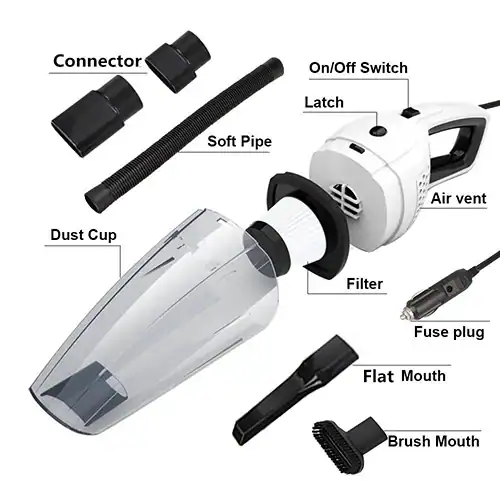
Attachment Bundles: Adding Value Cheaply
By 2026, corded stick vacuums provide high value by including essential tools like crevice nozzles and upholstery brushes as standard features. These units leverage constant power to maintain suction above 18 kPa while keeping the total weight near 1.4 kg, offering a durable and affordable multi-surface cleaning solution for small to medium spaces.
Standard Accessory Kits and Handheld Conversion
Corded stick models integrate crevice tools, extension wands, and specialized brush tools for upholstery and car seats at no additional cost to the consumer. Manufacturers include these components as standard features to ensure the device handles various cleaning tasks immediately upon unboxing. This approach contrasts with many battery-powered alternatives where similar accessory kits often require separate purchases, which increases the total cost of ownership.
A lightweight frame of approximately 1.4 kg allows users to switch to handheld mode for easy one-handed operation. This design flexibility permits quick cleaning of furniture, stairs, and tight corners without the physical strain associated with heavier upright models. Integrated designs effectively eliminate the need for separate handheld vacuums, providing a versatile tool for small to medium living environments.
Operational Reach and Long-Term Performance Metrics
600W motors provide consistent suction exceeding 18 kPa, maintaining peak performance throughout the entire cleaning cycle. Unlike battery-operated units that experience fading power as the charge depletes, corded models deliver reliable airflow for deep cleaning tasks. This technical advantage makes them suitable for users who prioritize sustained suction over the portability of cordless designs.
Cord lengths ranging from 4.9 to 6.7 meters provide sufficient reach for most apartments and vehicle interiors without frequent replugging. Durable plastic housings combined with reliable motor engineering support a functional lifespan of 7 to 8 years. By avoiding the degradation issues inherent in lithium-ion batteries, these vacuums offer long-term utility and consistent performance for budget-conscious consumers.
Final Thoughts
Choosing between a stick vacuum and a handheld depends on the total floor area you need to maintain. Corded stick models bridge the gap by providing the raw power and bin capacity of a full-sized vacuum while keeping the price and weight low. They eliminate the physical strain of kneeling or squatting that comes with handheld-only cleaning, making them a practical choice for maintaining entire rooms rather than just addressing surface-level spills.
While battery technology continues to evolve, corded units still provide the most reliable path to consistent suction and long-term durability without the risk of battery degradation. Moving away from single-purpose handhelds allows you to simplify a cleaning routine with one versatile tool that handles both upholstery and floors. This shift prioritizes ergonomic health and sustained performance over the minor convenience of a cordless, low-power alternative.
Frequently Asked Questions
Can a corded stick vacuum fully replace a standard handheld model?
While corded stick vacuums offer superior suction and unlimited runtime, they do not completely replace handhelds for every scenario. Handheld units still lead in portability for quick spot-cleaning in cars or tight corners, whereas stick models function better for floor-to-ceiling home maintenance.
Are these models equipped with floor heads for multiple surfaces?
Yes. Most corded stick vacuums include versatile floor heads featuring soft-pile rollers and brush agitation. This design ensures effective cleaning on both hard floors and rugs by lifting embedded dirt while protecting sensitive surfaces.
What makes a corded stick vacuum a better value than a traditional dustbuster?
The value lies in consistent performance. Corded sticks deliver between 250 and 400 AW of suction, significantly outperforming the 100 to 300 AW typical of handheld models. This higher output allows for deeper cleaning across larger areas without the limitations of battery degradation in 2026.

 English
  Español
  Français
  Deutsch
  Português do Brasil
  Русский
  한국어
한국어  日本語
日本語  العربية