 跳转到主要内容 跳转到页脚

When a $50K cosmetic fridge order lands on your dock, how long before you know whether the cosmetic fridge warranty reserve you set aside is actually enough? Most importers answer that question after the first batch of returns, not before signing the PO. That’s backwards.
A pre-production sample that cools perfectly tells you almost nothing about what happens after 2,000 units sit in a container for six weeks. Sample approval validates the design, not the manufacturing consistency. The real cost of a cosmetic fridge warranty program shows up in defect rates, spare parts lead times, and how your factory handles a refund request when a retailer sends back 40 non-cooling units. A smart importer requests a spare parts ratio of 2% of order value in the PO, but factories often price these at cost if you agree to a 1-year exclusive credit note instead of direct replacement. That one clause can save you thousands without touching your FOB pricing.
Thermoelectric cooling modules are the most common warranty claim item. Stocking 10 spare modules per 1,000 units reduces returns by 60% because retailers can fix a non-cooling unit in 10 minutes rather than shipping it back. Compressor-based units typically fail below 2%, but if a shipment arrives with more than 3% compressor failure, inspect door seals and compressor mounts immediately — that pattern usually means refrigerant leaks from rough container handling, not a factory defect. Which means the warranty question isn’t just about the number of claims. It’s about whether you can resolve them without a full replacement cycle. Use this three-point checklist before you sign your next contract: Does the defect reporting window match your retail return policy? Does your spare parts kit cover the top three failure points? And does your credit note agreement actually cover outbound freight on confirmed defects? If any answer is no, the warranty is a promise you’ll pay for twice.
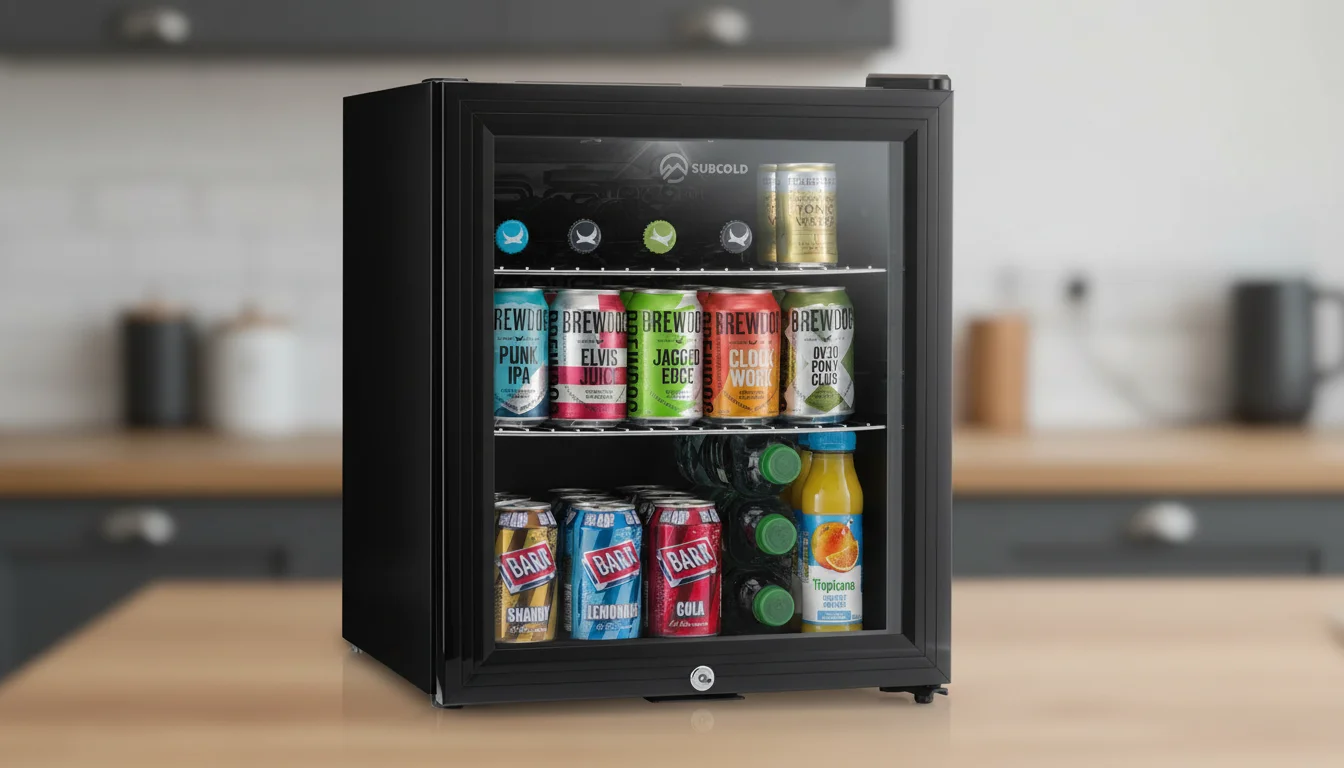
How Much Warranty Reserve You Actually Need
Reserve 2% of PO value for spare parts and credit notes.
Cosmetic fridge warranty planning starts with the defect rate, not with a percentage you copied from another product category. A flat 1% reserve looks fine until a batch crosses the 3% failure mark. The cosmetic fridge defect rate comparison, compressor vs thermoelectric, sets every warranty number downstream.
Defect rate benchmarks: thermoelectric vs compressor
Compressor-based cosmetic fridges typically run below 2% defect rates. If a shipment arrives above 3%, the cause is almost always a refrigerant leak caused by rough container handling. Inspect door seals and compressor mounts at the receiving dock before filing a claim against the factory.
Thermoelectric units fall into a higher range. The cooling modules and fans are the weak points because they suffer from thermal cycling and shipping vibration. Typical defect rates for these models land around 2–5%, with the thermoelectric module as the single most common warranty item in the category.
The gap matters because the spare parts ratio for imported mini fridges should match the line mix. A thermoelectric-heavy order needs more cooling modules; a compressor-heavy order needs more door hinges, seals, and leveling feet. Do not accept a one-size-fits-all spare parts percentage.
Calculating credit pools for returns and exchanges
Build the reserve in two parts. First, request a spare parts ratio of 2% of order value in the purchase order. That covers modules, AC adapters, and the small mechanical parts that fail in transit. Second, add a credit note pool for units that cannot be repaired on-site and need replacement.
Thermoelectric cooling module replacement cost wholesale is low enough that you can stock ahead. Keep 10 modules per 1,000 units. A retailer can swap a non-cooling module in about 10 minutes, so the unit never ships back to you. Stocking modules at that ratio reduces return volume by roughly 60%.
Factories often price those spare modules at cost if you agree to a 1-year exclusive credit note instead of direct replacement units. That arrangement keeps your working capital intact and gives the retailer a fast fix. It also creates a cleaner cosmetic fridge after-sales credit note strategy because freight stays on the retailer’s side.
To turn defect rates into a credit pool, multiply unit quantity by landed cost per unit by expected defect percentage. If a supplier refuses to put that calculation in writing, assume the warranty is a marketing line rather than an operational commitment.
A supplier with a dedicated production line makes this easier. KelyLands invested in a Ningbo-based portable fridge factory, so the failure data comes from the same plant building the units. Ask for component-level failure rates by batch; those numbers tell you how to write an enforceable warranty clause with a Chinese factory.
Pair the credit pool with a time limit for defect reporting and a video evidence requirement. That keeps a failed unit from turning into a dispute six months later. The factory accepts the reserve because it knows returns without evidence get rejected automatically.
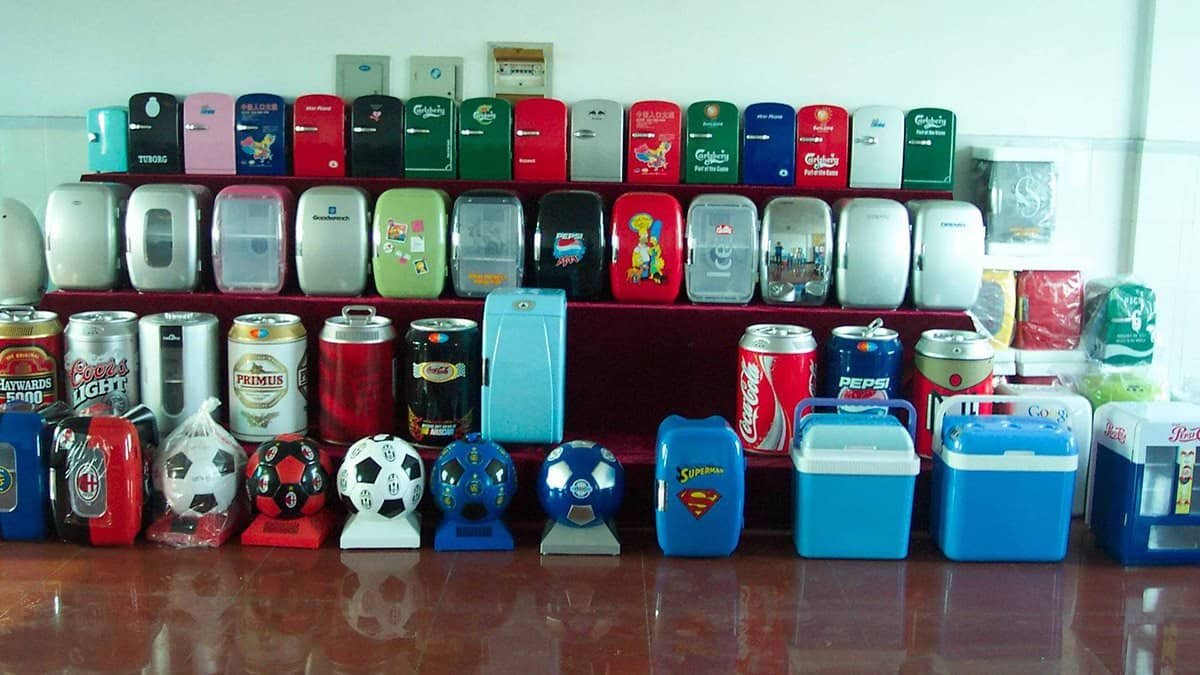
Spare Parts That Keep Retailers Loyal
Spare parts aren’t a cost center.
Compressor-based cosmetic fridges hold defect rates below 2%, but thermoelectric models fail more often on the module. That tradeoff is exactly why the spare parts list matters as much as the unit price. The failure you need to plan for is a cheap cooling module, not a sealed compressor.
Start with a 2% spare parts ratio
For imported mini fridges, a spare parts ratio of 2% of order value is the number that keeps retailers loyal. It covers thermoelectric modules, universal AC adapters, LED driver boards, door seals, and leveling feet. That pool of parts turns a warranty claim from a logistics headache into a 10-minute local repair.
KelyLands builds its spare parts program through a long-standing partnership with a Ningbo-based fridge factory. The factory prices parts at cost when the importer agrees to a 1-year exclusive credit note instead of direct replacement. That arrangement works, but only if you put the parts list in the PO before the container ships.
Thermoelectric modules are the line item that matters most. Stocking 10 modules per 1,000 units can reduce returns by roughly 60%, because a retailer can swap a non-cooling unit on the counter in 10 minutes. The alternative—shipping a broken fridge back to the warehouse—eats more margin than the module costs.
Stock these five failure points
-
- Thermoelectric cooling module: The most common warranty claim. Keep 10 per 1,000 units. Wholesale cost is low enough that most importers write it off as a rounding error.
- Universal AC adapter: A dead 12V adapter gets diagnosed as a broken fridge. Keep a small batch, and test each replacement before you ship it.
- LED driver board: Fails after moisture exposure. A 5-minute board swap is cheaper than a full exchange.
- Door seal: Loose or torn seals cause a meaningful share of not-cooling complaints. Store them flat; folded seals take a set and never close tight.
- Leveling feet: Cracked feet are cosmetic, but they make a fridge look damaged in an unboxing video. A very small part can prevent a full refund.
Check the spare parts ratio before you sign the order. If the factory hesitates to sell parts at cost, ask yourself why they expect so many failures. KelyLands’ export desk manages warranty stock for 500-plus clients across more than 50 countries; that is why they treat spare parts as a routine line item, not a concession.
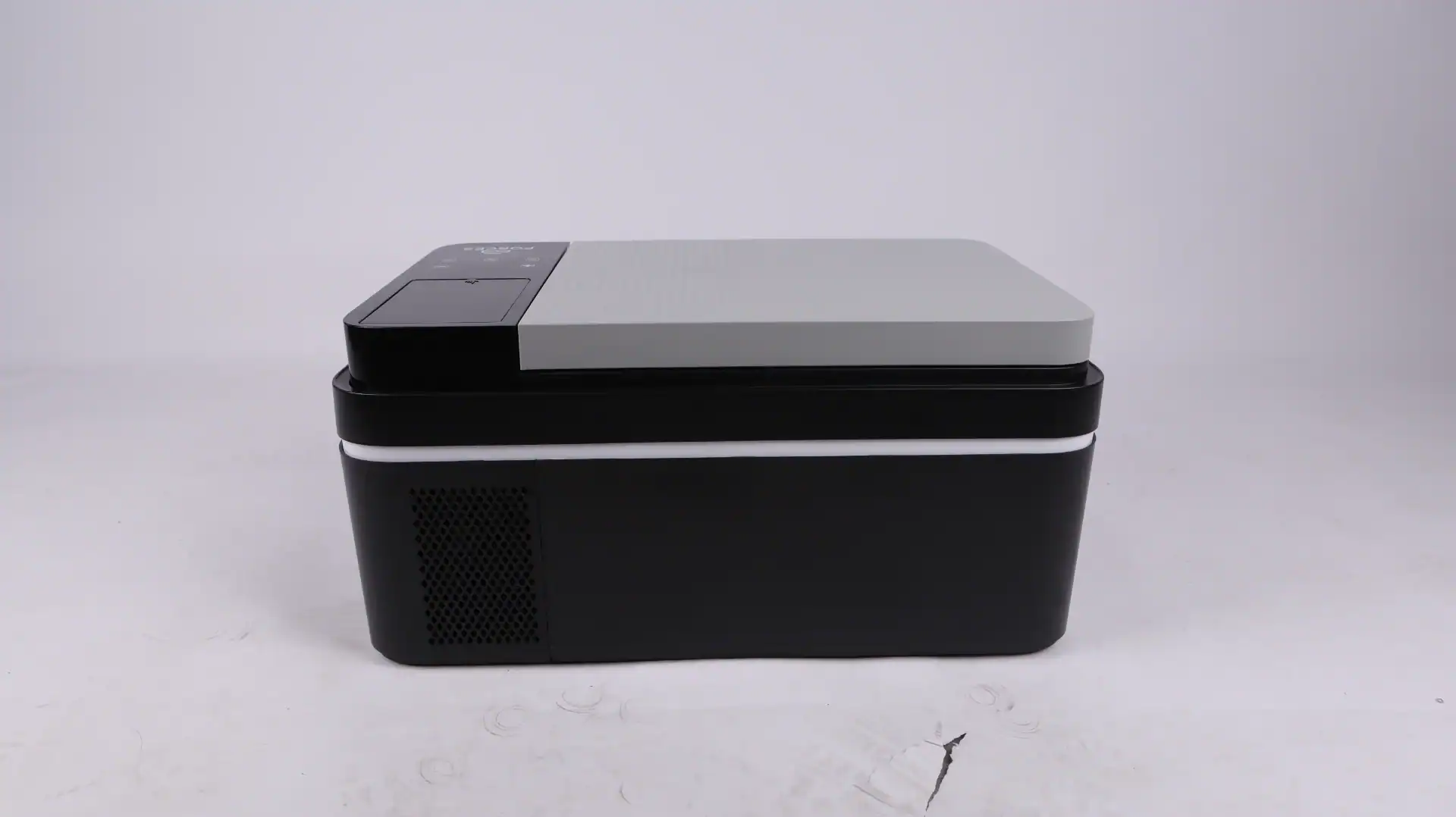
Writing an Enforceable After-Sales Clause
A warranty clause without a video-evidence deadline is a negotiation, not an agreement.
Most importers treat the after-sales clause in a cosmetic fridge contract as boilerplate. It isn’t. The single most contested issue in a warranty dispute is whether a non-cooling unit was dead on arrival or user-abused. Chinese factories will honor a clear deadline; they will argue endlessly over a vague one. Write the language before you sign the PO, not after the container lands.
Time Limits and Video Evidence
Set a firm defect-reporting window in the purchase order: 7 calendar days from receipt for visible damage, 14 days for functional failure. That gives a distributor enough time to unload, spot-check cartons, and run a basic power test. It does not give a retailer room to return a unit after 90 days on a shelf and blame the factory.
Bind every claim to video evidence. The video must show the serial number, the unit connected to a known-good power source, and a thermometer reading after 30 minutes. For thermoelectric models, the most common defect is simply no cooling; checking DC voltage with a multimeter tells you whether the thermoelectric module or the AC adapter died. That 10-minute test decides who pays.
Thermoelectric cooling modules are the most frequent warranty claim item in cosmetic fridges. Stocking 10 spare modules per 1,000 units cuts return rates by 60%, since a non-cooling unit can be fixed in minutes instead of shipped back. Put the spare modules in the same clause: the factory commits to shipping them at cost against the credit pool.
Shipping Costs on Clearly Damaged Units
Separate factory defects from freight damage on paper. If the carton is crushed and the compressor mount is loose, that is a claim against the carrier. But cosmetic fridges are small, and the line blurs in practice. A smart importer negotiates a one-year credit note for factory defects that includes inbound freight on replacement units. Under FOB terms, risk shifts at the port, so the clause must explicitly override that default for confirmed defects.
Use direct language: ‘Seller covers freight for replacement units on factory-confirmed defects. Buyer covers return freight only for causes excluded under Clause 4.’ That sentence alone prevents a dozen disputed freight invoices over a 12-month contract.
One nuance from buying compressor fridges out of Ningbo: compressor models typically fail at rates below 2% when packed properly. If a container arrives with more than 3% compressor failure, the trigger is usually rough handling during transit, not a production problem. Include a line in the PO that requires the factory to inspect door seals and compressor mounts on the next production run after any such event.
KelyLands built its cooling line through a Ningbo-based portable fridge factory partnership, which is why it treats the after-sales clause as part of the supply chain, not a legal formality. A practical structure is a 1-year exclusive credit note: factories price thermoelectric modules at near-cost when the importer commits to taking credits instead of direct replacements. That preserves your working capital and makes the warranty financially sustainable on both sides.
-
- Defect window: 7 days for visible damage, 14 days for functional failure from buyer’s receipt.
- Evidence standard: Serial number, known-good power source, 30-minute thermometer reading.
- Freight rule: Factory covers replacement freight on confirmed defects; buyer covers excluded causes.
- Spare parts ratio: Request 2% of order value in parts; use a 12-month credit note to get modules at cost.

Conclusion
A cosmetic fridge warranty only holds up when the reserve math and the supplier clause match real failure patterns. Compressor units run below 2% defect rates, thermoelectric models fail more often, and the right spare parts kit keeps retailers selling while claims get processed. The contract clause is where you stop paying for units damaged before they reached your warehouse.
-
- Stock 10 thermoelectric cooling modules per 1,000 units; retailers can swap one in 10 minutes instead of returning the fridge.
- Ask for spare parts worth 2% of order value; factories often price them at cost if you accept a 1-year credit note.
- Treat any compressor failure above 3% as a container-handling warning; inspect door seals and compressor mounts first.
- Write video evidence and a clear defect-reporting window into the warranty clause before signing the PO.
Before you commit to another purchase order, review your current warranty reserve against these numbers. If you are importing mini fridges, confirm the thermoelectric cooling module replacement cost with the factory and verify which parts they will supply at cost. Then build the after-sales clause around video evidence and a defined reporting period, so your margin survives the first real claim.
Frequently Asked Questions
How much warranty reserve do I need?
Reserve about 2% of PO value for spare parts and credit notes. Adjust the pool upward if you are sourcing thermoelectric models, since they tend to fail at a higher. Base the final reserve on your return history, not a fixed rule.
Which spare parts should I stock for cosmetic fridges?
Stock quick-replace thermoelectric cooling modules and universal AC adapters first. Door seals and leveling feet are the other common failure points, so keep a small inventory for fast swaps. Use sell-through data to restock only the parts that actually move.
Which has higher defect rates: thermoelectric or compressor?
Thermoelectric cosmetic fridges typically show higher field defect rates than compressor models. That does not mean they are unacceptable; it only means you need a larger warranty credit pool for that line. Confirm the factory’s defect benchmark before setting your reserve.
What should a cosmetic fridge warranty clause include?
Set a strict time limit for defect reporting and require video evidence of the fault. Without those, the warranty clause becomes a negotiation instead of an enforceable agreement. Make the evidence deadline explicit on the PO and packing list.
Who pays shipping on damaged cosmetic fridges?
Clearly damaged units are only the factory’s shipping cost if the buyer reports visible damage and provides unboxing evidence within the agreed deadline. Otherwise, standard practice shifts return freight to the importer. Write the reporting window into your after-sales clause before production.

 English
  Español
  Français
  Deutsch
  Português do Brasil
  Русский
  한국어
한국어  日本語
日本語  العربية