 跳转到主要内容 跳转到页脚
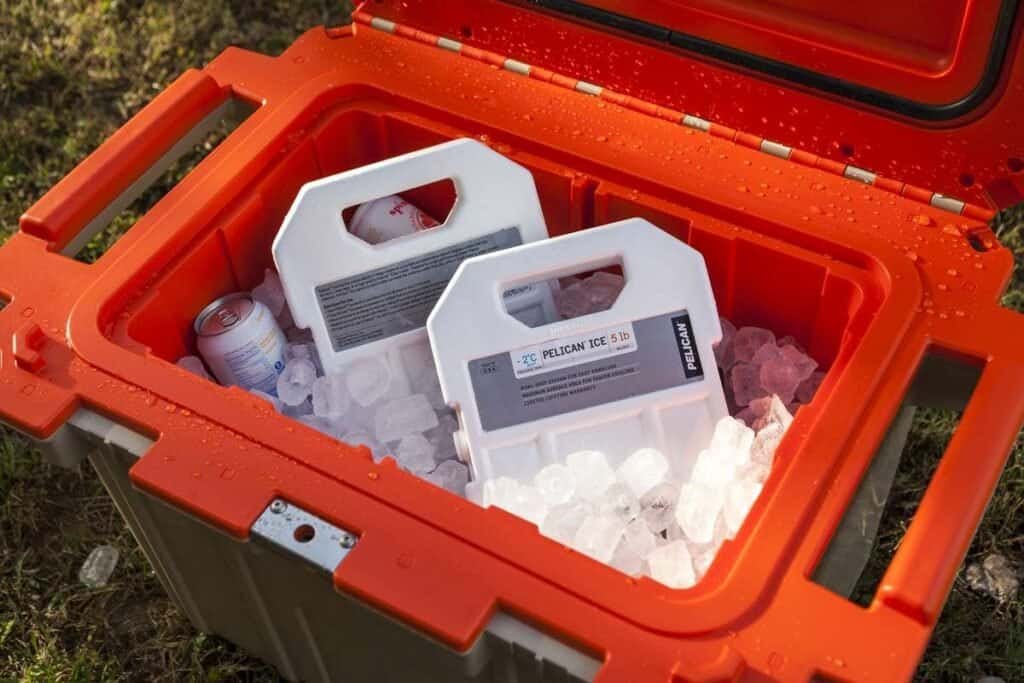
Run the cosmetic fridge vs mini fridge comparison and the first surprise is how similar the two look on paper: same compact footprint, same brushed door, same promise of cold storage. One quotes $18-35 FOB Ningbo. The other runs $45-90. That gap is not margin padding. A $50K order goes sideways exactly like this: the pre-production sample passes every check, the mass production run ships, and the cooling curve collapses once ambient heat climbs past 35°C.
The engineering gap decides everything under load. Thermoelectric cosmetic fridges use Peltier modules that cool roughly 18-20°C below ambient — enough to hold serums at 8-12°C in a bedroom, not enough to hold that temperature in a hot garage or a sunny storefront. Mini bar fridges use sealed compressors that pull down to 2-8°C regardless of ambient heat. A spec sheet that promises 4°C without stating the ambient test condition deserves suspicion, not a sample request.
Here is what the extra 30% actually buys. A sealed compressor and the 8-15kg of weight that comes with it, versus 2-4kg for thermoelectric units — which pushes per-unit sea freight up 2-3x. Usable capacity, because nominal liters overstate real interior volume by 25-40% once shelves, door bins, and the compressor housing are counted. And a quality tolerance that survives contact with end users: a defect-rate cap near 2%, spare parts worth 1-2% of order value, and a factory that honors both in writing. Check those before you sign the PO.
Cosmetic vs Bar Fridge: The Real Engineering Gap
Peltier cooling has a hard physical ceiling; the listing label does not change it.
The cooling mechanism decides every downstream cost. Thermoelectric/Peltier modules cool only 18–20°C below ambient, so a cosmetic fridge rated at 4°C cannot deliver 4°C in a summer bedroom or a 40°C car cabin. Real-world holding temperature settles at 8–12°C. Compressor systems reach 2–8°C and hold temperature in high ambient heat — that is why car fridges and mini bar fridges use compressors.
Sell a $25 Peltier unit as a drink cooler and you are manufacturing a seasonal returns wave. The marketing label does not change the physics underneath.
Capacity: Nominal Liters vs Usable Space
Cosmetic fridges run 2–15L nominal; bar fridges run 20–60L+. Nominal capacity overstates usable space by 25–40% because shelves, door bins, and compressor housings count toward the total. A 10L unit with a thick interior ledge can hold closer to 6–7L of actual product.
Demand interior dimension drawings before any container commitment. The box, not the render, determines whether a customer’s jumbo moisturizer jar fits. Suppliers that stall on a measured drawing are hiding the same capacity inflation that drives refund requests in month two.
Power and Voltage Variants
Confirm AC 100–120V, AC 220–240V, and DC 12/24V configurations before landing stock. North America requires ETL/UL; Europe requires CE/UKCA. Landing 500 units with the wrong voltage or missing certification is a sunk cost, not a fixable line item.
-
- Voltage: AC 100–120V for North America; AC 220–240V for EU, UK, and Middle East; DC 12/24V for vehicle use. A dual-voltage power supply simplifies warehousing into one SKU line.
- Certification: ETL/UL for North America, CE/UKCA for Europe. Verify on the issuing lab’s portal — a supplier-declared CE has no validity in customs or marketplace enforcement.
KelyLands invested in a Ningbo-based portable fridge factory in 2018, a partnership structured around competitive pricing and reliable delivery. When comparing cosmetic vs mini bar fridge suppliers, hold them to the same standard: 12–24 month warranty coverage, a defect-rate cap near 2%, and a spare-parts allocation of 1–2% of order value in Peltier modules or compressors. A factory that commits to those numbers in writing is a manufacturing partner; one that deflects is a trading company.

Hidden Spec Gaps That Kill Distributor Margins
The margin killer isn’t the FOB gap — it’s the certification and noise specs that surface after the container clears customs.
The hidden costs in this category hit after the PO is signed. A supplier-declared CE mark looks fine in the quote, then the first retail chargeback lands because the unit never had valid North American certification. That gap converts a healthy margin into a loss faster than any FOB price difference.
The Certification Trap
Verify ETL/UL, FCC, and Energy Star against your destination market before the MOQ is committed. Cosmetic fridge listings on Alibaba routinely carry a generic CE that carries no weight in North America. Certification adds roughly $3–8 per unit when amortized across a production run; skipping it risks delisting and chargebacks that erase that saving several times over.
A manufacturer with ISO9001:2015 and IATF16949 systems, like the KelyLands factory group in Ningbo, can produce the unredacted test reports and issuing-lab records. If a supplier sends a scanned PDF with no lab name or report number, treat it as a trading company pass-through, not a factory-backed compliance package.
Noise and Reliability Benchmarks
“Whisper-quiet” is not a spec. It is a marketing word that drifts far from measured dB. For bedroom and salon placements, specify a noise ceiling of ≤38 dB and ask for the test method and distance at which the reading was taken. A unit that samples at 32 dB will not feel the same at 45 dB when it sits on a nightstand.
-
- Noise ceiling: Demand ≤38 dB for indoor salon or bedroom use. Get the test method and measurement distance in writing.
- Refrigerant type: Compressor units use R600a or R134a. R600a is flammable and changes air-freight eligibility; R134a faces phase-down rules in several markets. Both affect where you can ship and how the unit is classified.
Reliability benchmarks matter more for compressor units because the repair cost is higher. Peltier modules run $3–6 wholesale; compressor replacements run $15–30. Build the spare-parts allocation into your supplier agreement at 1–2% of order value. That is the difference between a fixable season and a stranded retail program.
Cosmetic Fridge vs Bar Fridge: Wholesale Cost Comparison
The $20 FOB gap between thermoelectric and compressor units shrinks fast once freight, returns, and warranty claims hit the container.
The gap between a $25 thermoelectric unit and a $60 compressor unit looks like a 60% price jump. On a container of 1,200 units, that difference is real money. But the cheaper unit also costs more per complaint, per returned carton, and per chargeback. Compare this category on landed cost, not FOB alone.
FOB Price Ranges by Cooling Technology
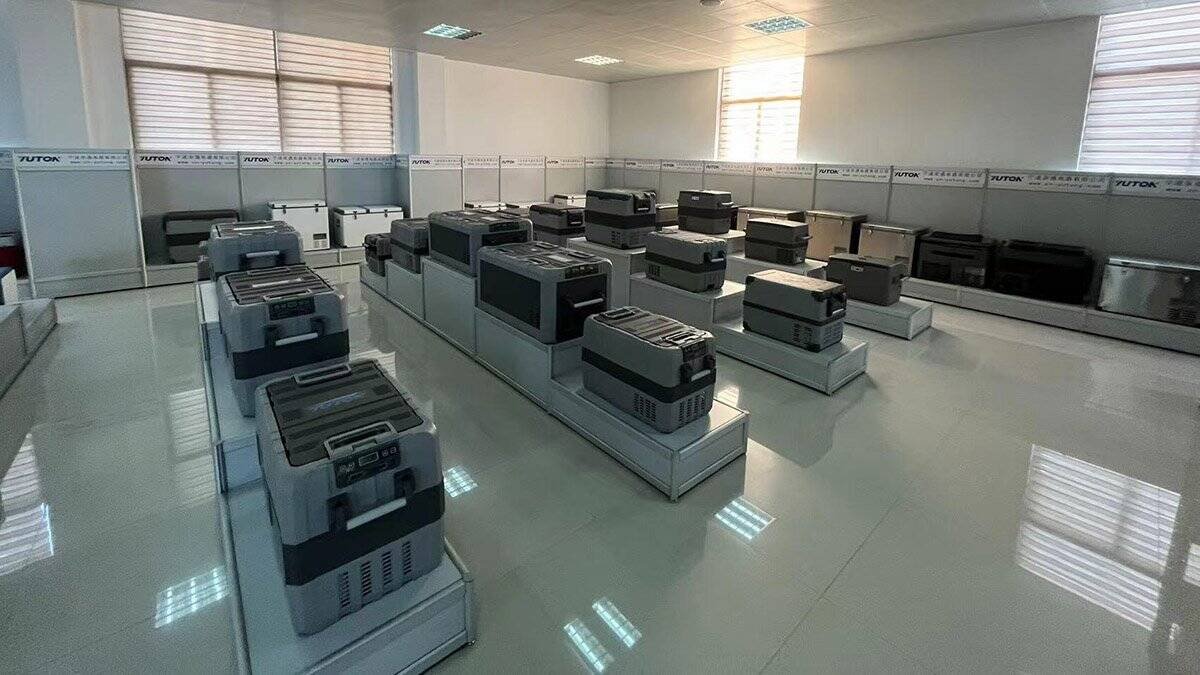
Thermoelectric cosmetic fridges run $18–35 per unit FOB Ningbo. Compressor mini bar and car fridges run $45–90. The compressor price buys a heavier appliance — 8–15kg versus 2–4kg — which raises per-unit sea freight by 2–3×. A 40HQ container holds roughly 1,200–1,800 cosmetic fridges but only 500–800 compressor units, so the freight math cuts both ways.
-
- Thermoelectric $18–35 FOB: Light 2–4kg units pack 1,200–1,800 per 40HQ. Warranty complaints concentrate in hot-ambient markets where Peltier cooling hits its physical ceiling.
- Compressor $45–90 FOB: 8–15kg per unit limits a 40HQ to 500–800. Stable 2–8°C performance and fewer returns justify the higher ticket.
Add duty and destination certification fees to both columns. On a 40HQ of cosmetic fridges, those costs often exceed the per-unit price gap between the two technologies. Importers who skip this step discover the real landed cost only after the container clears customs.
Spare-parts provisioning should match the technology. Ningbo export contracts typically allocate 1–2% of order value in Peltier modules or compressors, with a 12–24-month warranty and a defect-rate cap near 2%. Above that cap, the supplier pays replacement and freight. Lock that into the purchase agreement before sample approval.
MOQ, Carton and Shipping Realities
Thermoelectric lines typically open at 500–1,000 units; compressor lines at 200–500. The lower MOQ on compressor units reflects higher unit price, not supplier flexibility. Carton dimensions decide which SKU actually fits your container budget — request palletized loading diagrams before comparing quotes.
One way to spread risk across a shipment: bundle a fridge line with air pumps or vacuum cleaners in a mixed container. KelyLands’ factory group in Ningbo runs three production facilities covering fridges, pumps, vacuums, and EV chargers under ISO9001:2015 and IATF16949 quality systems. A smaller fridge allocation becomes viable when the rest of the container is filled with other categories from the same partner.
Seasoned importers treat the quote sheet as a starting point, not a commitment. The factory that publishes interior dimension drawings and a 32°C-ambient cooling curve is the one worth negotiating with. Everything else — logos, colors, packaging — is decoration on top of that foundation.
| Cost Factor | Cosmetic Fridge (Thermoelectric) | Mini Bar Fridge (Compressor) | Importer Impact |
|---|---|---|---|
| FOB Price per Unit (Ningbo) | Compressor units cost 2–3× more upfront but generate far fewer warranty claims and returns. | ||
| 40HQ Container Capacity | Cosmetic fridges fit 1,200–1,800 units per container vs 500–800 bar fridges, cutting per-unit freight for thermoelectric lines. | ||
| Unit Weight & Sea Freight | Compressor units weigh 8–15 kg vs 2–4 kg, raising per-unit sea freight 2–3×; verify volume-weight before quoting landed cost. | ||
| MOQ per Order | Thermoelectric lines open at 500–1,000 units; compressor lines at 200–500. Bundling with air pumps or vacuums in a mixed container can lower both. | ||
| Spare Parts Cost | Peltier modules run $3–6 vs compressors at $15–30; contract for 1–2% of order value in spares to cover the technology you stock. | ||
| Certification & Duty Fees | ETL/UL, CE/UKCA, and duty add $3–8 per unit amortized — often exceeding the FOB gap between the two cooling technologies. |
Thermoelectric vs Compressor: Which to Stock
A Peltier unit cools 18–20°C below ambient.
Stock decisions come down to one question: where will the end user actually run this unit? A thermoelectric cosmetic fridge performs acceptably on a 24°C salon counter. Put the same unit in a truck cab at 40°C and it cannot deliver its rated temperature, because Peltier modules cool only 18–20°C below ambient. That physical ceiling, not brand preference, should drive your SKU mix.
Beauty and salon: thermoelectric wins on margin and weight
Salons, spas, and clinics operate in controlled indoor environments, so the 8–12°C holding range of a thermoelectric cosmetic fridge is achievable and matches the product-integrity story that justifies retail prices of $30–200. Commercial end-users account for 27.4% of category revenue and grow at 13.1% CAGR — the premium channel most suppliers ignore. At 2–4kg per unit and $18–35 FOB Ningbo, freight stays low.
Auto, camping, and outdoor: 12V compressor is the only honest answer
Outdoor distributors learn this lesson every summer: a Peltier unit stamped ‘4°C’ cannot cool to 4°C when the cabin hits 40°C. Compressor fridges hold 2–8°C in high ambient heat, which is why the auto and overland channel stocks 12V/24V compressor units at $45–90 FOB. The trade-off is logistics — compressor fridges weigh 8–15kg and push per-unit sea freight 2–3× higher than thermoelectric units.
Hotel, office, and gift: AC compressor mini bars with certification locked early
Hotel minibars and office pantry fridges run on AC power with continuous duty in warm, unventilated rooms. Compressor mini bars at 20–60L+ handle that abuse. Gift and promotional distributors should verify the destination certification before MOQ commitment — CE/UKCA for Europe, ETL/UL for North America — because a non-certified unit cannot legally enter those channels.
-
- Beauty/salon SKU: Thermoelectric, 2–15L nominal, AC 100–120V or 220–240V, CE/UKCA or ETL/UL by region, spare Peltier modules at 1–2% of order value.
- Auto/camping SKU: 12V/24V compressor, 20–60L+, demand the cooling curve at 32°C ambient and a 12–24 month warranty with defect-rate cap near 2%.
- Hotel/office SKU: AC compressor, 20–60L+, lock spare compressors (1–2% of order value) and a 24-hour technical response window in the supplier agreement.
KelyLands entered the fridge category through a 2018 partnership with a Ningbo-based portable fridge factory and operates across three production facilities under ISO9001:2015 and IATF16949 quality systems. That vertical setup — one accountable partner for fridges, air pumps, vacuums, and EV chargers — is what makes mixed-container sourcing worth auditing.

How to Audit Suppliers Before Container Orders
Demand the cooling curve, lab report, and spare-parts clause.
Most container-order failures are not catastrophic. They are hidden spec gaps that surface after the units sit in a warehouse for 90 days. Demand five things before committing: interior dimension drawings, third-party lab reports, a cooling-performance curve at 32°C ambient, spare-parts allocation of 1–2% of order value, and a warranty SLA with a defect-rate cap near 2%.
These checks take less than a week. A manufacturer that hesitates on any of them is the wrong partner.
5-Point Factory Audit Checklist
-
- Production line: Watch whether the line is in-house or repackaged from trading floors. A manufacturer with inline testing can trace a bad batch back to a specific workstation; a trading company cannot.
- Lab certificate verification: Supplier-declared CE markings mean little in North America. Verify ETL/UL, UKCA, or the destination-market certification on the issuing lab’s portal and match the report number to your SKU.
- Thermal chamber test: Place sample units in a 32°C ambient chamber and measure the interior temperature curve. A Peltier unit that cannot hold 8–12°C in heat will create a seasonal returns wave.
- Carton crush strength: Ask for edge crush test results before container loading. Weak cartons fail in distribution-center stacking, and the damage chargebacks land on your account.
- Quarterly price review: Lock a review clause into annual contracts. Copper, aluminum, and freight rates move; a fixed quote for 12 months either overcharges you or pushes the factory to cut corners.
A manufacturer with several in-house lines can consolidate these checks under one accountable partner. KelyLands coordinates fridge, air pump, vacuum, and EV charger production around Ningbo through in-house lines and factory partnerships. Its production bases hold ISO9001:2015 certification, with IATF16949 applied on automotive lines, and its sales team has managed successful partnerships with over 500 clients across 50+ countries.
Warranty Terms Importers Should Demand
Standardize on 12–24 months warranty and a defect rate below 2%. Above that threshold, the supplier pays replacement and freight. Without that cap, return costs land on your margin.
The technology mix changes the spare-parts clause. A Peltier module is cheap to replace; a compressor failure means a complete unit swap. Specify the component split—1–2% of order value in Peltier modules or compressors—so the warranty is actionable.
Require a 24-hour technical response window and video troubleshooting guides. This support layer is what your retail network remembers when a unit fails. KelyLands structures this through its after-sales organization.
Conclusion
Match the cooling technology to the channel before sample approval locks the spec for a full container run. A thermoelectric unit marketed as a drink cooler fails within one summer season, and return freight plus chargebacks consume the margin on the units that actually work. Doing nothing means a 25–40% capacity surprise, a certification rejection, and a warranty bill that lands 6–12 months after the PO.
-
- Thermoelectric cosmetic fridges hold 8–12°C; compressor mini bar fridges reach 2–8°C. Stock per channel.
- Nominal liters overstate usable space by 25–40%; demand interior dimension drawings before signing.
- FOB pricing: $18–35 for Peltier units, $45–90 for compressor units. Compare on landed cost.
- Demand a 32°C-ambient cooling curve, 1–2% spare-parts allocation, and a defect-rate cap near 2%.
Before you commit to the next container, send each shortlisted supplier the five-point audit checklist from this guide: cooling curve, interior dimension drawings, certification, spare-parts allocation, and warranty terms in writing. Review the KelyLands air pump and car accessory range to benchmark the documentation discipline you should expect from any factory partner, then apply the same standard to every cosmetic fridge or mini bar fridge quote you compare.
Frequently Asked Questions
What is a skincare fridge?
A skincare fridge is a compact thermoelectric (Peltier) appliance, typically 2–15 liters, that holds products at 8–12°C. It is not a compressor unit, so it cools only about 18–20°C below. Treat it as a low-temp storage accessory, not a real mini fridge.
How to choose a skincare fridge?
Choose by matching usable capacity and temperature range to the products your channel sells and what end users expect. Demand interior dimension drawings and a 32°C-ambient cooling curve before you commit to. Shortlist only suppliers who prove usable liters, not label liters.
What not to put in a skincare fridge?
Oil-based and clay formulas can separate or solidify when chilled, and moisture-sensitive tools can be damaged. Some active formulations may also react to cold, so follow the label before refrigerating anything outside. Refrigerate only products whose label says cold storage is safe.
Beverage Fridge vs. Mini Fridge: What’s the Difference?
Beverage fridges are can-optimized units with glass doors that usually sit at 4–14°C, while mini fridges are general-purpose compressor units reaching 2–8°C. For sourcing, the key difference is glass-door merchandising versus sealed. Choose by storage format and temperature target, not cabinet size.
Should you keep perfumes in a skincare fridge?
Constant, cool, dark storage extends fragrance life, and some brands market this use case. Confirm the cosmetic fridge’s stable 8–12°C range and the perfume maker’s own storage guidance before storing valuable stock. Confirm the spec and label before storing perfume.

 English
  Español
  Français
  Deutsch
  Português do Brasil
  Русский
  한국어
한국어  日本語
日本語  العربية