 跳转到主要内容 跳转到页脚
In today’s global supply chains, verifying factory certifications is not just a best practice—it’s an essential safeguard against costly and reputational risks associated with fake documents. This article provides a comprehensive, step-by-step guide to effectively verify supplier certifications—including ISO, BSCI, CE, and others—helping buyers conduct thorough due diligence and avoid falling victim to fraudulent factory documents. An estimated 30% of all product safety certificates from China may be fake, posing significant risks for importers and consumers alike. Third-party verification platforms such as IAF CertSearch and recognized inspection companies like SGS, Bureau Veritas, and Intertek play crucial roles in authenticating certifications and mitigating supply chain risks.
An estimated 30% of all product safety certificates from China may be fake. This poses significant legal, financial, and reputational risks for importers. Effective verification is not just a best practice—it is an essential safeguard.
Understanding the Importance of Factory Certification and Compliance
A valid factory certification acts as a critical trust signal ensuring product safety, regulatory compliance, and quality management in international trade.
Why Factory Certifications Matter
Certifications like ISO 9001 and BSCI represent adherence to global standards. They cover quality management, social compliance, and workplace safety. Valid certifications minimize risks like legal penalties and brand damage.
They also prevent costly product recalls and supply chain disruptions. These documents are a supplier’s proof of commitment to excellence.
Common Factory Certifications and Their Roles
ISO 9001:2015 certifies a robust Quality Management System. BSCI audit reports focus on social compliance and ethical workplace standards. The CE marking indicates a product meets EU health and safety requirements.
Audits from bodies like SGS, TÜV Rheinland, and Intertek serve as independent indicators of factory quality control. Each certification plays a distinct role in the compliance ecosystem.

Detecting and Avoiding Fake Certifications and Documents
Applying a structured approach with scrutiny, technology, and independent verification helps identify counterfeit or altered factory certifications effectively.
Key Red Flags of Fake Certifications
Fake certificates often arrive as JPEG or Word files instead of professional PDFs. Look for pixelated logos, spelling errors, and inconsistent company details. Missing certificate numbers or expired dates are major warning signs.
Suppliers who hesitate to provide original documents raise immediate suspicion. Vague certification scopes that don’t match the product are another common red flag.
Document Quality and Security Feature Checks
Authentic certificates use consistent fonts and high-resolution logos. Examine them for security features like watermarks, holograms, and valid official stamps. A physical inspection can reveal altered text or tampering.
Digital security elements, such as secure QR codes, improve authenticity. These features are difficult for forgers to replicate accurately.
Advanced Methods and Tools for Forgery Detection
Leverage technology like OCR and AI to detect text or layout inconsistencies. These tools automate fraud detection beyond human visual checks. Always verify certificates via official databases like IAF CertSearch. Blockchain and encrypted QR code systems ensure tamper-proof certification. Third-party platforms like SGS and Intertek also offer online verification directories. Table Sources: Integrated data from IAF, Qryptal, and AU10TIX documentation.
| Tool/Method | Functionality | Benefit | Example Providers |
|---|---|---|---|
| IAF CertSearch | Online global database for accredited certification validation | Ensures certification body accreditation and certificate validity | IAF |
| Secure QR Codes with Private Key Signing | Embed encrypted verification codes within PDF/physical certificates | Enables instant, tamper-proof document validation | Qryptal |
| OCR and AI Document Analysis | Detects text discrepancies, altered images, and formatting anomalies | Automates fraud detection beyond human visual checks | AU10TIX, Custom in-house AI solutions |
Best Practices for Certification Verification and Factory Audits
Integrating multiple verification steps including direct contact, third-party inspections, and ongoing supplier audit programs ensures continuous compliance and risk mitigation.

Step 1: Direct Verification of Certificates
Always obtain the certificate registration number from your supplier. Cross-check this number in the official database of the certifying body. Contact the issuer directly using their official website or email to confirm authenticity.
Request supporting documents like test reports and full audit reports. Reputable suppliers will provide these documents willingly.
Step 2: Use Third-Party Inspection Services
Employ reputable inspection companies like SGS, Bureau Veritas, or Intertek. They provide unbiased, on-site factory assessments and audit validation. These audits evaluate real-time factory conditions and quality control processes.
Third-party inspections are a powerful tool for independent verification. They confirm a supplier’s compliance with international standards firsthand.
Step 3: Implement Ongoing Supplier Compliance Monitoring
Develop supplier scorecards to track KPIs like audit scores and defect rates. Leverage digital platforms for document tracking and expiration alerts. This proactive approach prevents disruptions from lapsed certifications.
Establish regular communication and training with your suppliers. Reinforcing standards reduces risk and builds a stronger, more transparent partnership.
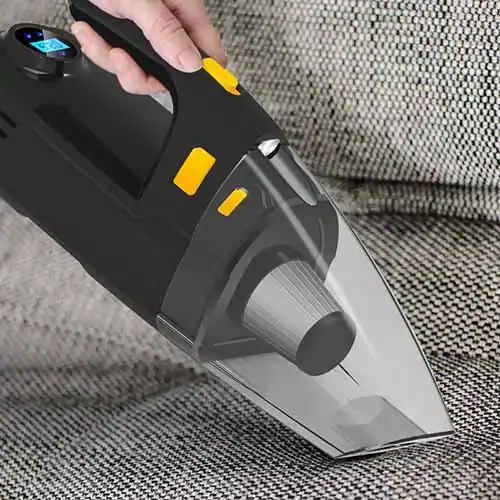
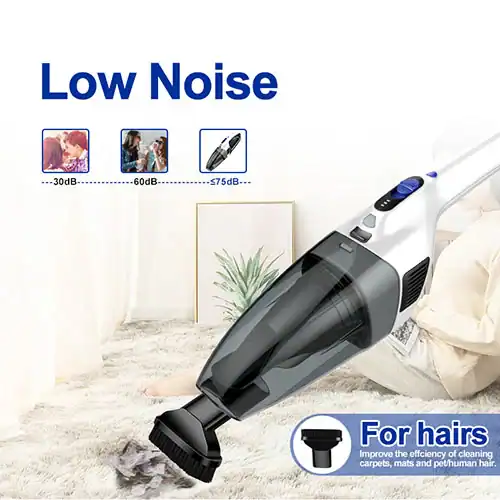
Powerful Portable Car Vacuum Cleaners
Keep your car spotless with KelyLands’ compact vacuum cleaners. Featuring strong suction, versatile nozzles, quiet operation, and cordless charging options, these vacuums are designed for every cleaning challenge on the go. Customize colors, logos, and packaging with flexible OEM services to match your brand.

Frequently Asked Questions (FAQ)
How can I verify if an ISO 9001 certificate is genuine?
Start by obtaining the certificate number and the name of the accredited certification body. Verify the details through the IAF CertSearch online database or the certifier’s own official directory. Also, inspect the document for professional formatting, high-quality logos, and security features to spot fakes.
What should I do if a supplier refuses to provide original certification documents?
Treat this hesitation as a major red flag. A reputable supplier should be transparent. Immediately escalate your due diligence by commissioning a third-party factory inspection. If they continue to refuse, seriously consider selecting an alternate, more cooperative supplier.
Are digital certificates with QR codes more reliable than paper certificates?
Digitally secured certificates with encrypted QR codes offer improved authentication through instant validation. However, they should not be the only method used. Always supplement QR code checks with direct verification through the issuing body’s database for the strongest protection.
How often should factory audits and certificate verifications be performed?
Conduct full audits annually or biannually, depending on the risk level and product type. For critical suppliers, combine these physical audits with real-time digital monitoring of their certifications. This ensures you receive immediate alerts for any expirations or status changes.
Can third-party inspection services guarantee the authenticity of factory certifications?
While third-party inspections significantly reduce risks by providing independent, on-ground verification, no single method is foolproof. The best protection comes from a multi-layered strategy that combines database checks, direct verification, document scrutiny, and periodic audits.

 English
  Español
  Français
  Deutsch
  Português do Brasil
  Русский
  한국어
한국어  日本語
日本語  العربية