 跳转到主要内容 跳转到页脚

In an era where global supply chains span continents and consumer awareness is higher than ever, social responsibility has become a non-negotiable facet of business success. This article elucidates the critical role of social responsibility standards—ISO 9001, BSCI, and SA8000—in ensuring ethical compliance, risk mitigation, and sustained competitive advantage in international sourcing, with a focus on their application in the appliance and retail supply sectors. SA8000 is the world’s leading social certification program, built on international human rights and ILO conventions, using a management system approach similar to ISO 9001, while BSCI emphasizes progressive supply chain social compliance via a common Code of Conduct and monitoring system, supporting continuous improvement.
Overview of Leading Social Responsibility Standards
Understanding the scope, framework, and unique attributes of ISO 9001, BSCI, and SA8000 sets the foundation for appreciating their vital role in global ethical business practices.
ISO 9001 and Its Role in Social Responsibility
ISO 9001 establishes a robust quality management system framework. It enhances business process consistency and product reliability. This forms a critical cornerstone for building ethical sourcing and broader social responsibility initiatives.
Business Social Compliance Initiative (BSCI)
BSCI is a private sector-driven social compliance initiative. It focuses on continuous improvement in supply chain working conditions. This is achieved via a unified Code of Conduct and a system of third-party audits.
BSCI certificates are recognized globally by major retailers. They help companies proactively manage social risks and improve labor standards. This proactive approach is often a prerequisite for accessing key export markets.
Collaboration with suppliers is central to the BSCI model. The framework is supported by monitoring, corrective action plans, and a supplier prequalification system. This ensures a developmental rather than purely punitive approach.
Social Accountability 8000 (SA8000)
SA8000 is the world’s leading auditable social certification standard. It was developed by Social Accountability International. The standard incorporates international human rights and ILO labor conventions into its framework.
It covers critical areas including child labor, forced labor, and health and safety. The standard also addresses discrimination, fair working hours, and compensation. Its management system approach promotes ongoing improvement rather than simple checklist audits.
The forthcoming 2026 update significantly broadens its scope. It will include all workers impacted by an organization’s activities. This emphasizes stronger governance, risk management, and supply chain accountability.
Achieving SA8000 certification signals adherence to rigorous social responsibility principles. It directly reduces reputational risk for brands. It also enhances manufacturer access to regulated global markets that demand proof of ethical production.
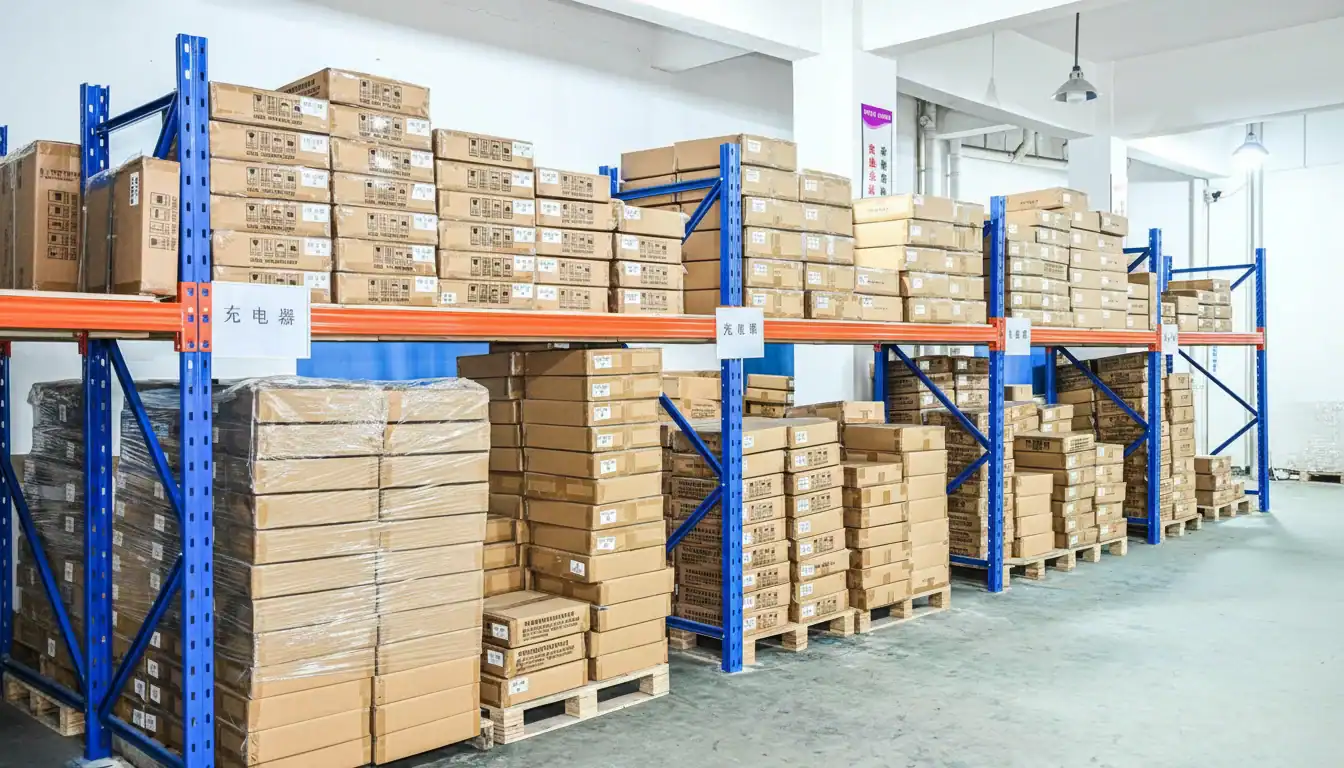
Business Advantages of Complying with Social Responsibility Standards
Adhering to BSCI, SA8000, and ISO 9001 yields tangible business benefits from risk reduction to brand elevation and market expansion.
Risk Mitigation and Reputation Protection
Compliance directly reduces risks of costly labor violations and safety incidents. It also mitigates environmental harm that can trigger legal actions. These events cause severe and lasting reputational damage.
Integrating these standards into supply chain oversight strengthens operational resilience. It builds defenses against disruptions caused by social conflicts or compliance failures. This creates a more stable and predictable sourcing environment.
Market Access and Consumer Trust
Certification is often a gatekeeper for contracts with global retailers. Many European markets mandate social compliance certificates for entry. This makes certification non-negotiable for serious exporters.
Modern consumers increasingly prefer brands demonstrating ethical sourcing. This commitment directly translates into increased customer loyalty and sales. It builds a powerful narrative of trust and integrity.
Operational Efficiency and Workforce Morale
These standards drive meaningful process improvements and reduce waste. The result is measurable cost savings and productivity gains. Efficient operations are often more ethical operations.
Recognized social responsibility practices foster better employee engagement. They significantly reduce turnover rates. This leads to a higher quality, more stable workforce.
Competitive Differentiation and Innovation
Companies leveraging these standards are better positioned to innovate. They can develop products and processes aligned with sustainability expectations. This creates valuable new market opportunities and revenue streams.
Leading brands utilize these certifications as strategic tools. They effectively distinguish themselves in crowded competitive landscapes. This differentiation is a powerful asset in B2B negotiations.
Powerful Portable Car Vacuums Built to Perform
KelyLands car vacuum cleaners offer strong suction, versatile tools, and quiet operation in compact, rechargeable designs. Perfect for daily car care, pet hair removal, and quick spot cleaning, with OEM customization and global certifications you can trust.

Implementing Social Responsibility Standards in Sourcing and Production
Practical steps for integrating ISO 9001, BSCI, and SA8000 into manufacturing and supply chain operations to meet stringent European retail requirements.
Certification and Audit Processes
BSCI and SA8000 require rigorous third-party audits. These verify compliance with their respective Codes of Conduct and labor standards. The audit process is essential for validation.
ISO 9001 certification entails establishing documented quality management systems. These systems must be consistent with internationally recognized norms. The process ensures product and process consistency.
Supplier Prequalification and Continuous Improvement
BSCI includes a valuable supplier prequalification system. This enables buyers to evaluate social compliance risks before onboarding new suppliers. It is a powerful risk mitigation tool.
Corrective action plans are mandatory following any audit findings. They establish a vital cycle of continuous remediation and improvement. This developmental approach builds long-term capability.
Management Commitment and Workforce Engagement
Long-term compliance demands visible commitment from top leadership. Ethical practices must be embedded into the corporate culture. Without this, initiatives often fail.
Training programs and accessible grievance mechanisms are critical. They improve compliance robustness and enable early issue identification. Open dialogue ensures the system works in practice.
Documentation, Traceability, and Reporting
Maintaining transparent records is a non-negotiable requirement. Full traceability throughout the supply chain supports certification efforts. It also satisfies increasing regulatory demands.
Regular reporting enhances stakeholder trust and accountability. These reports can be aligned with frameworks like the GRI (Global Reporting Initiative). Transparency becomes a competitive asset.
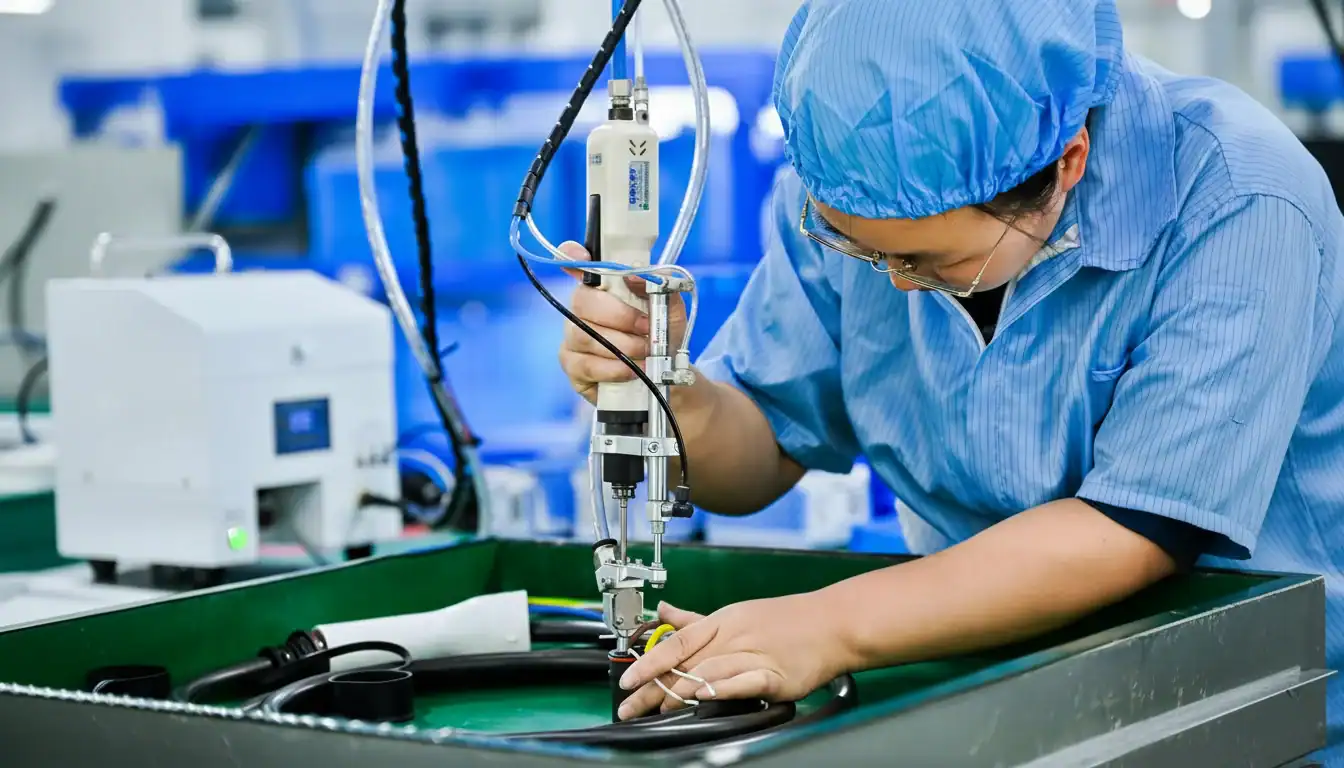
Frequently Asked Questions (FAQ)
What distinguishes SA8000 from BSCI and ISO 9001?
SA8000 is a comprehensive social certification with rigorous labor rights criteria. BSCI is a buyer-driven initiative for supply chain compliance. ISO 9001 is a quality management standard for process consistency.
How do these certifications improve supply chain reliability?
They enforce standards for fair labor and ethical conduct across suppliers. This reduces risks of disruptions from labor disputes or non-compliance penalties. A stable supply chain is a reliable one.
Are these certifications mandatory to supply European retailers?
They are not universally legally mandated. However, major European retailers increasingly require BSCI or SA8000 as a prerequisite. They are effectively essential for doing business.
What are the key benefits for a manufacturer to achieve SA8000 certification?
Certified manufacturers gain enhanced brand reputation and market access. They also benefit from improved employee morale and stronger risk management. Continuous improvement is built into the standard.
Can small or medium enterprises obtain these certifications effectively?
Yes. SMEs can implement tailored systems with a phased approach. They can leverage industry tools and build on existing management practices. The journey is scalable for any organization size.

 English
  Español
  Français
  Deutsch
  Português do Brasil
  Русский
  한국어
한국어  日本語
日本語  العربية