 跳转到主要内容 跳转到页脚
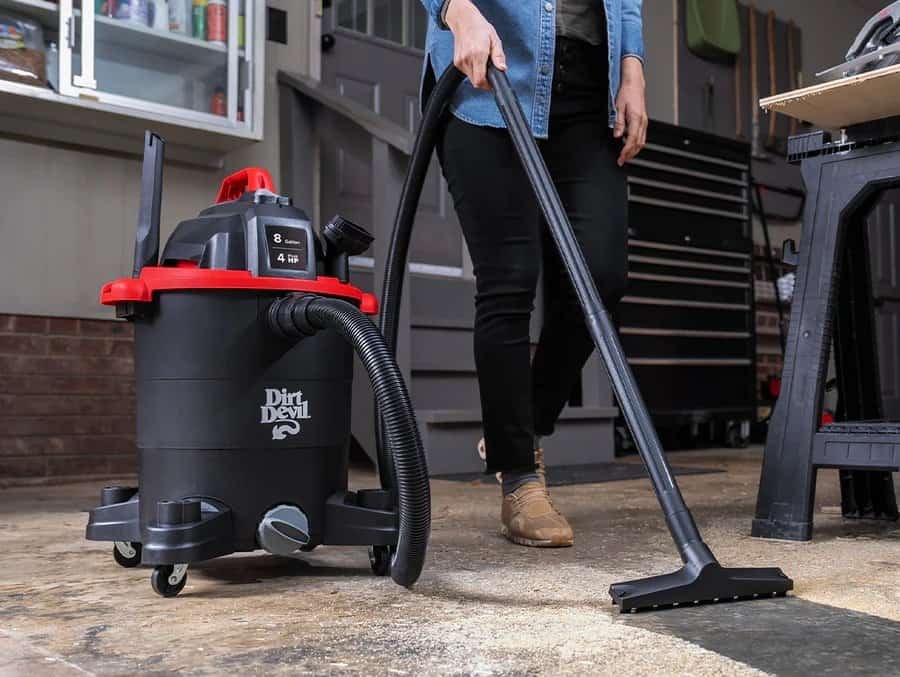
Facility managers and procurement officers often face denied warranty claims because of minor deviations in maintenance or installation. Relying on manufacturer marketing alone doesn’t guarantee long-term durability or indoor air quality. The Carpet & Rug Institute (CRI) addresses this by providing technical standards that validate how materials and equipment perform in real-world commercial environments.
This article examines the CRI regulatory framework, including the mandatory CRI 104 and 204 protocols that mills like Mohawk and Phenix require for warranty protection. We explain the four-tier Seal of Approval system—ranging from Bronze to Platinum—and how laboratories use X-Ray Fluorescence (XRF) to measure exact soil removal percentages. You will also find details on dust containment limits, such as the 100-microgram particulate cap, which ensures cleaning processes protect occupant health while extending the lifecycle of flooring assets.
Commercial Validation: What is CRI?
The Carpet and Rug Institute (CRI) establishes the technical standards for carpet performance, installation, and indoor air quality. By 2026, compliance with CRI 104 and CRI 204 remains a mandatory prerequisite for most commercial warranties, ensuring that materials undergo rigorous ASTM and AATCC testing to validate soil removal and colorfastness.
Regulatory Frameworks for Installation and Maintenance
CRI 104 defines the professional installation requirements for commercial environments. This standard mandates that installers perform comprehensive concrete testing for Relative Humidity (RH) and alkalinity (pH) before laying any material. These pre-installation checks identify substrate conditions that might otherwise cause adhesive failure or moisture-related damage. By referencing ASTM International Standards, CRI 104 provides a technical foundation that ensures the carpet performs as engineered throughout its expected lifecycle.
Maintenance protocols under CRI 204 protect the physical integrity of the carpet through standardized cleaning cycles. This framework requires facilities to use Seal of Approval (SOA) certified products and specialized equipment, such as power pile brushing with counter-rotational brushes (CRB). These methods effectively remove abrasive soil without damaging the fiber structure. Adherence to these protocols serves as a critical legal benchmark for carpet mills, which typically require proof of CRI 204 compliance before honoring product warranties during performance disputes.
Technical Benchmarks for Durability and Indoor Air Quality
Material transparency and durability depend on specific testing metrics. ASTM D-5848 testing regulates pile yarn weight with a strict +/- 7% tolerance per specified square yard, preventing material variance that could compromise heavy-traffic performance. To protect indoor environments, Green Label Plus certification confirms that carpets, adhesives, and cushions comply with California Department of Public Health (CDPH) Section 01350 Version 1.2. This ensures low-emission air quality, which is essential for modern commercial building codes and occupant wellness.
Standardized colorfastness ensures the aesthetic longevity of the flooring. Technical requirements include a minimum Class 4 rating for crocking under AATCC 165 and a Grade 4 for lightfastness on the Gray Scale via AATCC 16 Option 3. These benchmarks validate that the carpet resists color transfer from friction and fading from UV exposure. By utilizing these entity-specific standards, procurement officers and specifiers obtain verifiable engineering data rather than relying on subjective manufacturer claims.

Gold/Silver/Bronze: Performance Tiers
CRI utilizes a four-tier system—Bronze, Silver, Gold, and Platinum—to rank the effectiveness of cleaning equipment and the sustainability of carpet products. These tiers provide measurable benchmarks for soil removal, dust containment, and chemical emissions, ensuring facility managers select tools and materials that meet specific 2026 maintenance standards.
| Certification Tier | Cleaning Efficacy (SOA) | Sustainability & Emissions |
|---|---|---|
| Bronze | Baseline soil removal and dust containment. | Inventory assessment and commitment. |
| Silver | Enhanced soil extraction efficiency. | Strict limits on “X” harmful substances. |
| Gold | High-performance deep cleaning metrics. | Complete exclusion of “X” substances. |
| Platinum | Highest soil and moisture recovery levels. | Zero “X” substances; superior manufacturing. |
Seal of Approval Cleaning Efficiency Levels
The Seal of Approval (SOA) program categorizes vacuums, extractors, and cleaning solutions into performance-based tiers. These ratings—Bronze, Silver, Gold, and Platinum—depend on rigorous laboratory testing for soil removal, dust containment, and carpet fiber retention. A Platinum rating identifies equipment that provides the deepest clean and superior moisture recovery, preventing long-term damage to the carpet backing. Bronze levels serve as the functional baseline for professional use, ensuring basic hygiene without compromising fiber integrity.
Standardized benchmarking allows facility managers to produce auditable cleaning results. High-traffic commercial environments often require Gold or Platinum certified equipment to maintain manufacturer warranties. Furthermore, the program enforces strict dust containment thresholds. This ensures that vacuums capture microscopic particles instead of releasing them back into the breathing zone. By selecting higher-tier equipment, maintenance teams reduce the frequency of deep-cleaning cycles and extend the replacement lifecycle of the flooring material.
Sustainability Ratings and Emission Standards
Sustainability tiers within NSF/ANSI 140 and Cradle-to-Cradle (C2C) frameworks follow a similar hierarchical structure. The Bronze level requires a commitment to inventory and assessment, while Gold and Platinum tiers mandate the complete exclusion of “X” substances—harmful chemicals identified as risks to human health or the environment. These certifications track the product from raw material sourcing through end-of-life recycling. Higher tiers signal a manufacturing process that minimizes environmental impact while maximizing material circularity.
Green Label Plus (GLP) testing supports these tiers by monitoring volatile organic compound (VOC) emissions. The program enforces precise limits, such as a caprolactam emission rate of 131 μg/m²·h, to protect indoor air quality. Physical durability metrics also scale based on intended traffic intensity. For instance, the CRI Model Spec requires a minimum tuft bind strength of 3.0 lbs for cut pile and 10 lbs for loop pile carpet according to ASTM D1335. Adhering to these engineering thresholds ensures that carpets in high-traffic zones resist delamination and premature wear.
Soil Removal Testing: X-Ray Analysis
Modern vacuum testing uses X-Ray Fluorescence (XRF) to calculate exact soil removal percentages. By measuring elemental markers like strontium in a 400-square-inch carpet sample, the CRI determines cleaning efficiency across three replicates, awarding certifications from Bronze to Platinum based on thresholds ranging from 55% to over 90%.
Precision Measurements via X-Ray Fluorescence (XRF)
XRF technology replaces traditional gravimetric methods by detecting elemental concentrations in synthetic soil compounds rather than relying on total weight. Technicians scan a 120-square-inch area of the carpet sample within a three-minute window to gather precise data on soil density. This physics-based approach provides a traceable baseline for cleaning efficacy by measuring specific markers, such as strontium (Sr) applied at 3g per 1000 pellets.
The transition to X-Ray analysis eliminates the visual subjectivity often associated with older testing standards. By quantifying elemental concentrations in parts per million (ppm), laboratories ensure high repeatability for 2026 industry standards. The scanning process occurs on a conveyor-based system, allowing for uniform assessment of the 400-square-inch carpet area post-cleaning.
NASA-Adapted Protocols and SOA Performance Thresholds
Testing protocols follow CRI Test Methods 119 and 120, which incorporate ASTM D6540 for accelerated soiling. A rotating drum operating at 40 rpm applies soil uniformly via five types of compound-coated pellets. Once soiled, cleaning systems must perform four passes over the sample at a strictly controlled speed of 0.55 meters per second (1.8 ft/sec). This standardized motion ensures that the resulting data reflects the machine’s mechanical capability rather than operator technique.
The final soil removal percentage determines the Seal of Approval (SOA) certification level. Tiers include Bronze (55–69%), Silver (70–79%), Gold (80–89%), and Platinum (90–100%). To maintain consistency across different vacuum and extractor models, the test utilizes 30-oz commercial cut or loop pile carpet. Lab technicians report the average removal rate across three separate replicates to validate the cleaning system’s performance for contract bidding and regulatory compliance.
Premium Home Vacuum Manufacturing: Scale Your Brand with KelyLands

Dust Containment: Protecting Indoor Air Quality
CRI standards for dust containment ensure vacuums release no more than 100 micrograms of dust per cubic meter of air. By adhering to CRI Test Method 113, certified vacuums trap fine particulates and allergens within the machine, preventing them from re-entering the breathing zone during the cleaning process.
CRI Test Method 113 and Particulate Release Limits
CRI Test Method 113 mandates that a vacuum releases no more than 100 micrograms of dust particles per cubic meter of air. This standard specifically targets respirable particulates to prevent the re-emission of fine dust, allergens, and debris generated by the brush roll. Independent laboratories conduct these tests on 30 oz/sq. yd. commercial cut pile or loop pile carpets to simulate heavy-duty usage and ensure performance remains consistent in high-traffic environments.
Seal of Approval Ratings and Filtration Performance
Seal of Approval (SOA) ratings—Bronze, Silver, and Gold—require vacuums to balance soil removal with strict dust containment and appearance retention. Maintenance protocols prioritize 79% or more dry soil removal to stop grit and tracked-in particulates from causing fiber abrasion. To meet 2026 air quality standards, vacuum engineering integrates HEPA filtration systems that maintain high suction levels, often up to 20,000Pa, to achieve deep cleaning without compromising air purity.
Carpet Warranty Compliance: Why Mills Demand CRI
Major mills like Mohawk and Phenix mandate CRI standards to ensure structural integrity. Following CRI-105 for installation and CRI-205 for maintenance prevents common failures like delamination or buckling, while proof of professional cleaning using Seal of Approval products remains a strict requirement for valid warranty claims in 2026.
| Standard Type | Technical Requirement | Warranty Implication |
|---|---|---|
| CRI-105 (Installation) | 65-85°F temperature; 40-60% relative humidity | Prevents delamination and pattern distortion |
| CRI-205 (Maintenance) | Professional cleaning every 12–18 months | Mandatory proof for stain/wear claims |
| Cushion Standards | 8 lb density; 1/4″ to 3/8″ thickness | Avoids premature texture failure |
Installation Standards and Structural Risk Mitigation
Major manufacturers including Phenix, Mohawk, and Dobb’s Mills require CRI-105 compliance to prevent delamination and wrinkling. This standard dictates specific site conditions, requiring a temperature range of 65-85°F and humidity between 40-60% RH during the installation process. Proper subfloor preparation must follow ACI tolerances for moisture to avoid adhesive failure and subsequent texture loss. Adhering to these guidelines ensures measurable outcomes for seams and prevents pattern distortion in both commercial and residential settings. Skipping these steps often leads to matting, loss of tufts, or roll-crushing, all of which void factory protection.
Maintenance Schedules and Certified Material Specifications
Professional hot water extraction every 12 to 18 months maintains warranty coverage for Tarkett and Phenix carpets. CRI-205 standards mandate the use of Seal of Approval (SOA) certified cleaning products to prevent permanent fiber damage from high-pH chemicals. For Berber-style carpets, mills specify a minimum pad density of 8 lb with a thickness between 1/4 and 3/8 inch to meet structural requirements. Claims officers use the AATCC Gray Scale to assess color retention and determine if the owner followed maintenance protocols. Documentation of these cleanings serves as the primary evidence needed to validate a claim for pile reversal or texture retention issues.
Final Thoughts
Adhering to CRI standards provides a technical foundation for commercial flooring performance. These benchmarks validate soil removal, air quality, and physical durability through objective testing rather than subjective claims. Using certified equipment and following established installation protocols ensures that materials perform as engineered over their intended lifecycle.
Facilities that prioritize Gold or Platinum certified equipment reduce the frequency of deep-cleaning cycles and prevent premature material failure. Since major mills require proof of compliance for warranty claims, these standards serve as a critical financial safeguard for building owners. Choosing CRI-tested products helps maintain a healthy indoor environment while maximizing the replacement lifecycle of the flooring.
Frequently Asked Questions
How can I verify if a product model is currently listed on the CRI website?
You can confirm the certification status of equipment by searching the official carpet-rug.org directories. These databases track Seal of Approval (SOA) Certified Deep Cleaning Systems, vacuums, and extractors, which currently include 26 specific deep cleaning certifications.
What performance tiers do cleaning systems achieve under CRI testing?
Cleaning systems achieve Bronze, Silver, Gold, or Platinum tiers based on soil removal efficacy measured via X-ray fluorescence (XRF) technology. Bronze is the entry-level requirement, while Silver and Gold represent significantly higher soil removal rates. Platinum is the highest available rating for extractors.
Can companies use the CRI logo on marketing materials?
Manufacturers and service providers with certified products may use the CRI logo once they sign a Participation Agreement. This document ensures the logo and CRI symbols are displayed according to specific brand guidelines to protect the integrity of the certification.

 English
  Español
  Français
  Deutsch
  Português do Brasil
  Русский
  한국어
한국어  日本語
日本語  العربية