 跳转到主要内容 跳转到页脚
Choosing between digital and analog car air pumps isn’t just about personal preference—it’s about matching the right technology to your specific needs. Digital pumps deliver precision within ±0.5-1 PSI and convenient features like automatic shut-off, making them perfect for routine maintenance and tech-savvy users. Analog pumps excel with instant real-time feedback and battery-free operation, proving invaluable for emergency situations and professional applications. This comprehensive analysis breaks down the core technologies, performance differences, and real-world applications to help you make an informed decision based on accuracy requirements, usage patterns, and reliability priorities.
Picture this: you’re driving late at night when your tire pressure warning light suddenly glows on the dashboard, or you’re prepping your bike for an important ride and realize the tires feel soft. In these moments, having a reliable air pump becomes absolutely critical. Yet most people choose their air pump based purely on price, missing the fundamental technology differences that could dramatically impact their safety and convenience.
This guide cuts through the marketing noise to examine what really matters: how digital and analog technologies actually perform in real-world scenarios. Whether you’re maintaining a fleet of vehicles for your business or just want the best tool for weekend adventures, understanding these core differences will save you time, money, and frustration down the road.
The choice between digital vs analog air pumps goes far deeper than simple preference. It involves crucial considerations around accuracy, durability, user experience, and long-term value that most buying guides completely overlook.
Understanding the Core Technologies
Digital and analog air pumps work on completely different principles—one relies on electronic sensors and microprocessors, while the other uses time-tested mechanical components that have powered tire inflation for decades.
Analog car air pump technology operates through mechanical gauge systems with physical needle indicators. The pressure measurement happens via a Bourdon tube mechanism, where compressed air causes a curved metal tube to straighten, moving a mechanical linkage connected to the pressure gauge needle. This proven technology has reliably powered tire inflation for decades, offering immediate visual feedback without requiring any electrical power for pressure readings.
The mechanical nature means these pumps function reliably in extreme temperatures and harsh conditions where electronic components might fail completely. The continuous mechanical movement provides instant pressure indication, allowing users to watch pressure changes in real-time as they inflate.
Digital air pump technology employs electronic pressure sensors that convert physical pressure into electrical signals, which are processed by a microcontroller and displayed on an LCD or LED screen. These systems typically use piezoresistive or capacitive sensors that deliver precise digital readings with numerical accuracy that surpasses mechanical gauges.
The digital processing enables advanced features like programmable pressure settings, automatic shut-off functionality, and integration with smartphone apps. Electronic components allow more sophisticated user interfaces and can store multiple pressure presets for different applications, from car tires to sports equipment.

Signal Processing and Accuracy Differences
The fundamental difference lies in how each system processes signals. Analog systems provide continuous, real-time pressure indication through mechanical movement, while digital systems sample pressure at specific intervals and convert those readings into numerical displays. Digital systems typically offer higher precision, often accurate to within ±1 PSI, compared to analog gauges which may have ±2-3 PSI variance.
Analog systems provide instant feedback without processing delays, making them valuable for applications requiring immediate pressure awareness. Digital systems eliminate parallax reading errors and maintain consistent accuracy across temperature ranges, but may have slight delays in pressure reading updates due to electronic processing. For a deeper understanding of the fundamental differences between analog and digital signal processing, these concepts apply across many technologies beyond air pumps.
Performance Comparison: Digital vs Analog Features
Digital pumps win on precision and convenience with features like automatic shut-off, while analog pumps deliver superior real-time feedback and never worry about dead batteries.
Digital air pump features typically include precision within ±0.5 to ±1 PSI, eliminating parallax reading errors that can occur with analog gauges. These pumps maintain consistent accuracy across temperature ranges and offer calibration stability over extended periods. The digital display provides clear numerical readings that remain easy to interpret in various lighting conditions.
Analog air pump features center on real-time pressure indication without sampling delays and complete immunity to electromagnetic interference. These pumps require no battery dependency for pressure readings and provide instant visual pressure trends during inflation. Experienced users can achieve target pressures quickly through continuous visual monitoring of the needle position.
| Feature | Digital Pumps | Analog Pumps |
|---|---|---|
| Accuracy | ±0.5-1 PSI | ±2-3 PSI |
| Response Time | Slight processing delay | Instant mechanical response |
| Power Dependency | Requires battery/power | Mechanical operation only |
| Temperature Range | Limited by electronics | Wide mechanical tolerance |
Speed and Efficiency Factors
Digital vs analog air pumps show different efficiency patterns in practical use. Digital pumps often incorporate smart features that significantly impact inflation speed through preset pressure settings that eliminate guesswork, while automatic shut-off prevents over-inflation that requires deflation to correct. The electronic components may add slight delays in pressure reading updates, but the convenience features often result in faster overall completion times.
Analog pumps provide immediate pressure feedback, allowing experienced users to achieve target pressures quickly through visual monitoring. The mechanical simplicity often translates to fewer points of failure during high-speed inflation scenarios, and the real-time feedback enables precise control during rapid inflation cycles.
Join 300+ global partners who trust KelyLands for top-tier car accessories. Review our portable air pumps in our free catalogue
Request nowReal-World Applications and Use Cases
Different scenarios favor different technologies—daily drivers benefit from digital precision and convenience, while emergency situations and professional racing often demand analog reliability and instant feedback.
Daily driver vehicles benefit most from digital car air pump technology, where precise tire pressure optimization impacts fuel efficiency and tire longevity. The ability to set exact manufacturer-recommended pressures (typically 32-35 PSI) makes digital systems ideal for routine maintenance. Automatic shut-off prevents over-inflation, while preset functions allow quick switching between different tire pressures for seasonal adjustments.
Performance and racing applications often require analog car air pump systems for real-time pressure monitoring during inflation, where immediate feedback allows precise adjustments during time-critical pit stops. The instant response of analog gauges provides crucial control in high-pressure scenarios where split-second timing matters. Professional racing teams value the reliability and immediate feedback that mechanical systems provide.
Recreational Vehicle Inflating
Bicycle and e-bike maintenance represents an area where digital air pump features excel. Road bike tires requiring 80-120 PSI benefit from digital precision, where small pressure variations significantly impact performance. The accuracy of digital systems helps achieve optimal rolling resistance and handling characteristics that serious cyclists demand.
Motorcycle applications present mixed requirements. Sport motorcycles with performance tires often require precise pressure settings that vary between front and rear wheels. Digital presets allow quick switching between touring and sport configurations, while the precision helps optimize handling and tire life.
Emergency and Roadside Scenarios
Emergency situations favor analog air pump technology due to critical reliability advantages. Battery-independent pressure readings ensure functionality regardless of power availability, while the mechanical simplicity reduces failure probability during critical roadside repairs. The ability to operate in extreme temperatures without electronic component failure makes analog pumps valuable for emergency preparedness.
Digital pumps with built-in LED lights and automatic shut-off features can provide safer operation during nighttime emergencies, preventing over-inflation that could worsen tire damage. Smart features like preset emergency pressures can help stressed users achieve safe inflation levels quickly.

Advanced Features and Technology Integration
Modern digital pumps increasingly offer smartphone connectivity and automated functions that appeal to tech-savvy users, while analog pumps maintain their edge in mechanical reliability and instant feedback for professionals.
Smart connectivity represents a growing trend in digital air pump technology. Modern units offer Bluetooth connectivity, allowing smartphone integration for pressure monitoring, maintenance scheduling, and historical tracking. These features appeal to tech-savvy users who appreciate data-driven vehicle maintenance approaches.
App integration provides vehicle-specific pressure recommendations, seasonal adjustment reminders, and maintenance logs that integrate with broader vehicle care platforms. Some advanced models can send notifications when tire pressure drops below optimal levels, enabling proactive maintenance. This evolution reflects the broader digital technology transformation happening across many industries.
Automatic Shut-off and Preset Functions
Digital pumps with automatic shut-off capability prevent over-inflation by stopping at predetermined pressure levels. This feature proves particularly valuable for inexperienced users or when inflating multiple items to different pressures without manual recalibration. Preset functions allow storage of multiple pressure settings, enabling quick switching between different tire types, seasonal adjustments, or various vehicle applications.
Power source considerations affect long-term usability. Battery-powered digital systems provide cordless convenience but require charge monitoring and periodic replacement. USB-C charging has become standard, offering compatibility with existing device chargers. Both digital and analog pumps commonly feature 12V cigarette lighter connections, ensuring adequate power for larger tires and extended operation without battery concerns.
Durability and Reliability Assessment
Analog pumps dominate in harsh environments thanks to their mechanical simplicity, while digital systems have improved dramatically in weather resistance and now include diagnostic features that warn users of potential problems.
Environmental resistance varies significantly between technologies. Analog pumps demonstrate superior environmental resistance due to their mechanical nature, where temperature extremes that affect electronic components minimally impact mechanical gauge accuracy. This makes analog systems reliable in harsh climates where digital electronics might struggle.
Digital systems have improved significantly in weather resistance, with many featuring IP65 or higher ratings for dust and water protection. Extreme temperatures can still affect LCD display clarity and battery performance, but modern digital pumps perform adequately in most real-world conditions. Understanding the key differences between digital and analog systems in challenging environments becomes especially important for winter use and extreme weather applications.
Long-term Maintenance Requirements
Analog maintenance focuses on mechanical components, requiring periodic gauge calibration verification and hose and fitting inspection. Regular lubrication of mechanical components and protection from impact damage help maintain accuracy over time. The mechanical nature means parts wear gradually and can often be repaired rather than replaced.
Digital maintenance involves battery replacement or charging management, software updates for smart-enabled models, and sensor calibration verification. Protection of electronic components from moisture remains critical, but modern digital pumps include diagnostic features that can alert users to sensor problems or calibration issues before accuracy becomes significantly compromised.
Cost Analysis and Value Considerations
The value equation heavily depends on usage patterns—frequent users often benefit from digital convenience features, while occasional users may find better long-term value in analog simplicity and lower maintenance costs.
Entry-level analog pumps start around $15-25, offering basic pressure monitoring with mechanical gauges that provide reliable service for occasional use. Professional-grade analog systems with high-accuracy gauges range from $40-80, representing excellent value for users who prioritize mechanical reliability and precision.
Digital pumps begin around $25-35 for basic models with simple LCD displays and automatic shut-off functionality. Advanced digital systems with smart features, automatic shut-off, and app connectivity range from $60-150, reflecting the additional technology and convenience features included.
Partner with a trusted supplier to elevate your product offerings. Our ISO-certified car air pumps meet global standards (CE, FCC, RoHS). Request our latest catalogue to discover cost-effective solutions for your business.
Long-term Ownership Costs
Analog ownership costs remain minimal throughout the pump’s lifespan, with occasional gauge recalibration and readily available replacement parts representing the primary expenses. No power consumption costs and simple construction result in low total cost of ownership over extended periods.
Digital ownership costs include battery replacement or charging electricity, potential software updates, and sensor recalibration services. Higher complexity repair costs can make replacement more economical than repair for lower-end digital models, but premium digital pumps often include warranties that cover electronic component failures. The choice between systems often mirrors digital versus analog technology decisions in other communication and electronic devices.
Expert Recommendations by User Profile
The optimal choice depends on your specific needs, technical comfort level, frequency of use, and whether you prioritize convenience features over mechanical reliability.
Daily commuters benefit most from digital pumps with preset functions and automatic shut-off, providing optimal convenience for regular passenger vehicle maintenance. Look for models with 12V power options and basic smartphone connectivity for maintenance reminders. Recommended features include preset pressure memory, automatic shut-off, LED lighting for night use, and compact storage design.
Automotive enthusiasts benefit from high-accuracy digital systems that achieve precise pressures for performance optimization. Consider models with multiple presets for different driving conditions and detailed pressure logging. Recommended features include ±0.5 PSI accuracy, multiple preset storage, app connectivity for tracking, and fast inflation capability.
Emergency preparedness favors analog pumps due to their battery-independent operation and mechanical reliability. Choose models with durable construction and clear, large-scale gauges for easy reading under stress. Recommended features include no battery dependency, rugged construction, clear gauge markings, and compact emergency storage.
Professional applications may require either technology depending on specific needs. Rapid-turnaround scenarios favor analog real-time feedback, while documentation-heavy environments benefit from digital logging capabilities and consistency across multiple operators. This mirrors advantages seen in professional digital versus analog radio communications where clarity and reliability requirements determine the best choice.
Versatile Air Pumps Built for Performance and Portability
Explore KelyLands air pumps designed for cars, bikes, motorcycles, sports balls, and inflatables. Featuring smart digital controls, rapid inflation, and rugged construction, these pumps are ready for emergencies, daily upkeep, and outdoor fun. Customize your product with flexible OEM/ODM options backed by trusted global quality and support.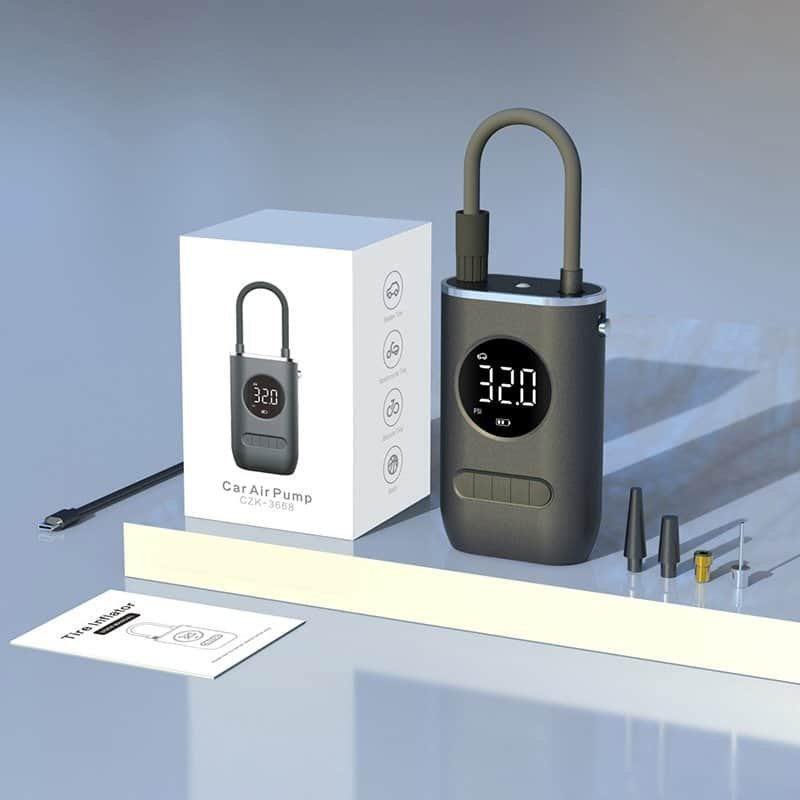
Frequently Asked Questions
Are digital air pumps more accurate than analog ones?
Digital pumps typically offer accuracy within ±0.5 to ±1 PSI, while analog gauges may vary by ±2-3 PSI. Digital systems eliminate parallax reading errors and maintain consistent accuracy across temperature ranges. Analog pumps provide real-time readings without processing delays, which can be advantageous in certain applications requiring immediate feedback.
Do digital air pumps require regular calibration?
Like analog pumps, digital systems benefit from periodic calibration verification. Many digital pumps include self-calibration features, but comparing against a known-accurate reference gauge annually is recommended for both technologies. Digital sensors can drift over time, though they typically maintain accuracy longer than mechanical gauges.
Which type is better for emergency roadside use?
Analog pumps often excel in emergencies due to their battery-independent pressure readings and mechanical reliability. They function regardless of power availability and maintain accuracy in extreme temperatures. Digital pumps with built-in lighting and automatic shut-off can provide safety advantages during nighttime emergencies, but require charged batteries or power sources.
How long do digital air pump batteries typically last?
Battery life varies by model and usage, but most rechargeable digital pumps provide 6-12 months of typical use per charge. Battery-powered models using AA or AAA cells may last 1-2 years with occasional use. Actual battery life depends on frequency of use, ambient temperature, and specific power management features of the pump.
Can digital air pumps work in extreme temperatures?
Modern digital pumps have improved cold-weather performance, but extreme temperatures can still affect battery life and LCD display clarity. Most digital pumps operate effectively between -10°F and 140°F, though performance may degrade at temperature extremes. Analog pumps generally perform more consistently across wider temperature ranges due to their mechanical operation.
Which type inflates tires faster?
Inflation speed depends more on motor power and airflow capacity than gauge technology. Both digital and analog pumps are available in various power levels that determine actual inflation performance. Digital pumps with automatic shut-off may complete the process faster by eliminating the need to monitor pressure manually and preventing over-inflation.

 English
  Español
  Français
  Deutsch
  Português do Brasil
  Русский
  한국어
한국어  日本語
日本語  العربية