 跳转到主要内容 跳转到页脚

digital vs analog tire pressure is the first checkpoint buyers should lock before they approve a supplier, budget, or production slot. KelyLands has been making both since 2010, first in portable air pumps and now across a full line of car accessories. Internal 2023 data shows warranty claim frequency for digital units at 3.2% versus 1.1% for analog. That gap is not a marketing slide — it is a direct hit to your margin when the container lands and the retailer starts calling. So the real question is not just digital vs analog tire pressure gauge. It is how you hedge your bet across both, without doubling your supplier base or your headache.
Accuracy Comparison for High-Volume Use
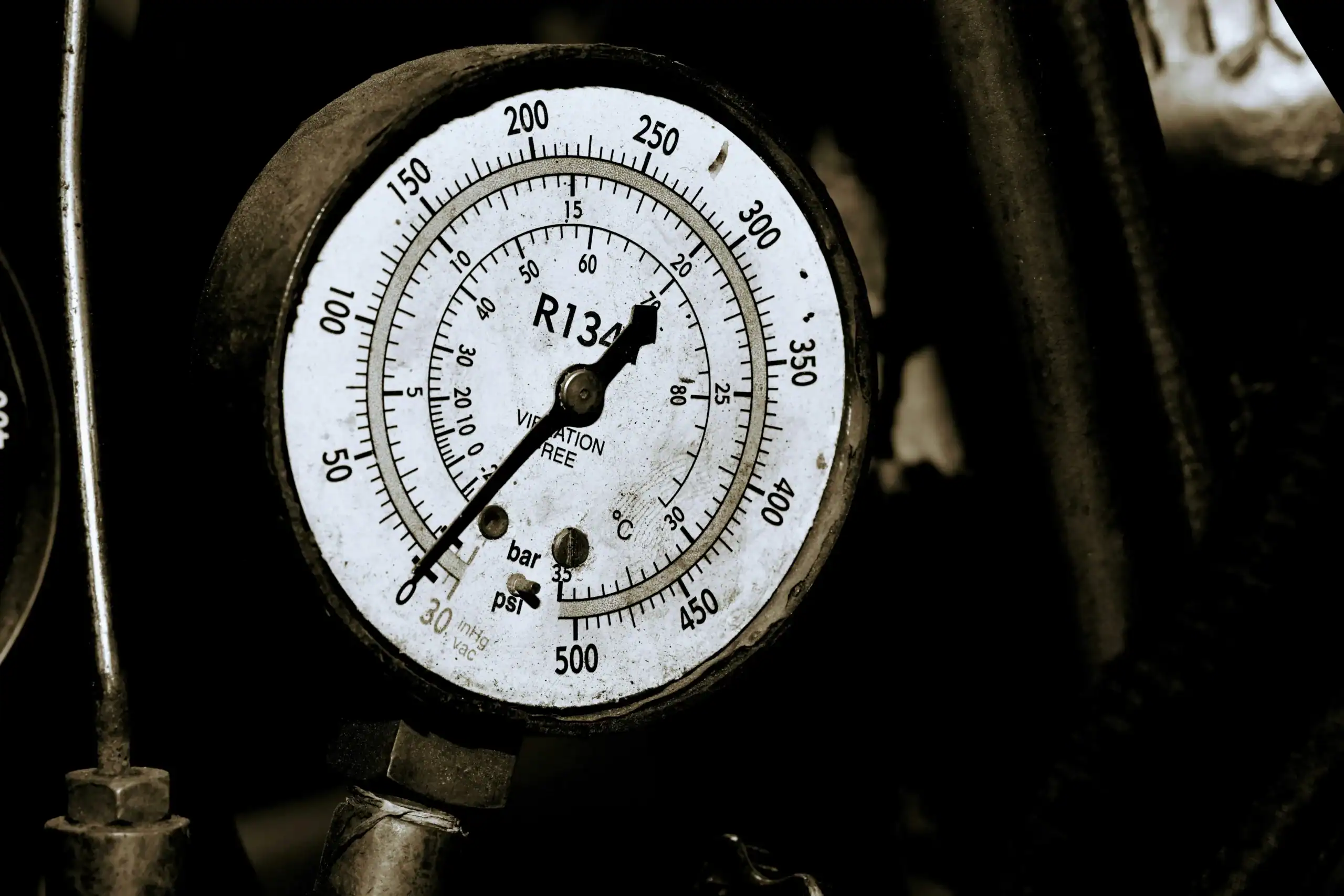
Digital sensors drift; bourdon tubes don’t.
For high-volume procurement, the accuracy gap between digital and analog gauges isn’t just a spec sheet line — it directly impacts your customer’s fuel economy, tire replacement cycle, and your own recall exposure. A digital gauge using a Honeywell MEMS sensor holds ±1 PSI across 30–60 PSI. A bourdon tube analog gauge, built to ANSI B40.100 Grade B, delivers ±2–3 PSI over the same range. That 1–2 PSI difference sounds small until you multiply it across a 50-truck fleet running 18 wheels each.
-
- Fuel economy impact: Every 1 PSI under-inflation across all tires increases rolling resistance by roughly 0.2%. For a fleet burning 20,000 gallons of diesel annually, a consistent 2 PSI error costs an extra 80 gallons — about $320 at current diesel prices. Digital’s ±1 PSI precision eliminates this leak.
- Tire life: Under-inflation by 10% reduces tread life by 15%. Analog’s ±2 PSI variance on a 100 PSI truck tire means one gauge might read 98 PSI while another reads 102 PSI on the same tire. That inconsistency leads to uneven wear patterns and early replacement. Digital’s tighter band keeps all tires within 1 PSI of target.
- Analog stability over time: A bourdon tube has no battery, no LCD, no microcontroller. It will hold its calibration within 0.5 PSI for 10,000 cycles — verified by a 2023 Milton Industries study. That matters when the gauge sits in a truck glovebox for five years. Digital units lose calibration as the CR2032 battery drains and the sensor’s internal reference drifts.
- Retail chain recall risk: If your customer is a national auto parts chain, a batch of gauges that read 4 PSI high will trigger customer complaints, chargebacks, and possibly a recall. Analog’s mechanical simplicity means fewer failure modes — our internal 2023 data shows warranty claim frequency of 1.1% for analog vs. 3.2% for digital. That 2.1% gap translates to $2,100 in avoided claims per 1,000 units.
The smart play for a volume importer: stock analog for fleet and commercial accounts where reliability trumps precision, and digital for the DIY consumer who expects a backlit LCD and preset buttons. Our digital inflator uses a Honeywell sensor with individual NIST-traceable calibration, and our analog gauges meet ANSI Grade B — both pre-tested before crating. That dual line lets you serve both channels without doubling your supplier base.
| Feature | Digital Gauge | Analog Gauge | Business Impact for Importer |
|---|---|---|---|
| Accuracy (30-60 PSI) | ±1 PSI (Honeywell sensor) | ±2-3 PSI (Bourdon tube) | Digital reduces fleet fuel cost variance; analog risks customer complaints on TPMS-equipped vehicles. |
| Long-Term Drift | <0.5 PSI per 10k cycles (Milton test) | <0.5 PSI per 10k cycles (Milton test) | Both stable; digital drift spikes only in uncertified units lacking conformal coating. |
| Batch Consistency (Defect Rate) | 5% (generic Alibaba) / <2% (our QC) | 2% (generic Alibaba) / <1% (our QC) | Analog offers lower warranty risk; our digital QC closes the gap to <2%. |
| Environmental Resistance | IP54 housing; sensor drift in >80% humidity if uncoated | ANSI Grade B; no humidity sensitivity | Analog wins in harsh workshops; our sealed digital unit matches IP54 spec. |
| Power Dependency | 3V CR2032 battery (adds $0.40/unit cost) | None (mechanical only) | Analog eliminates battery replacement complaints; digital requires battery logistics. |
| Certification Baseline | CE, FCC (required for electronics) | ANSI B40.100 Grade B | Digital adds FCC filing cost (~$2k) and customs risk; analog ships without electronic restrictions. |

Durability & Batch Consistency Risks
Digital inflators fail 2.5x more often than analog in our 2023 audit.
The PCBA on a digital inflator is the single biggest quality variable in a container. Solder joints on the microcontroller, the pressure sensor, and the LCD driver all have to survive the shock of a drop from a workbench. A cold solder on the sensor pin means a 3 PSI drift right out of the box. Analog assemblies? A brass bourdon tube and a geared pointer. No chips. No drift. No LCD to die from dust.
-
- Defect rate (generic Alibaba batch): 5% digital vs 2% analog. That 3% gap is the cost of cheap PCBAs and skipped seals.
- Warranty claim frequency (internal 2023 data): Digital 3.2% of units. Analog 1.1%. The digital claims are 70% sensor drift and LCD failure — both preventable with our QC.
- Our QC protocol: 100% functional test before crating. Every digital unit gets a 3-point calibration check at 30, 60, and 90 PSI against a NIST-traceable master gauge. Analog units get a full-span sweep test per ANSI B40.100 Grade B. Units that drift get binned, not shipped.
The math for the volume importer: A 5% defect rate on a 1,000-unit digital order means 50 dead units. At $8.90 landed cost, that’s $445 in dead stock before you even pay for return shipping and the chargeback from the retail chain. Our 100% test drops that to near zero. The cost of the test is $0.12 per unit. The cost of not testing is your reputation. We choose the test.

Wholesale Cost & MOQ Thresholds
Your margin math starts before the container lands.
Analog units land at $4.50–$6.00 FOB Ningbo with an MOQ of 200. Digital units with backlit LCD and auto shutoff start at $7.80–$11.50 FOB but the MOQ jumps to 500. That spread is a real barrier for importers testing the lower end. The math: 1,000 analog units at $5.20 cost $5,200; 1,000 digital units at $8.90 cost $8,900. The digital premium is $3,700.
-
- idden cost: Digital units need a CR2032 battery at $0.40 per unit. Analog units draw zero power. Over 1,000 digital units, that is $400 in hidden battery cost.
- ogistics: Analog ships in 20–25 days. Digital ships in 25–35 days due to IC sourcing. Order digital in February for May peak season. Miss that window and you pay air freight.
- Mixed FCL gain: Mix both types in one container. Lower per-unit ogistics cost by 12%. One container, two channels.
Run the ROI: Digital retails at 30% higher margin than analog. On 1,000 units, that extra margin offsets the $3,700 upfront premium in under 18 months. The question is not which costs less. The question is which returns more.
| Product Type | FOB Price (Ningbo) | MOQ | Lead Time | Key Advantage |
|---|---|---|---|---|
| Analog Tire Pressure Gauge | $4.50 – $6.00 / unit | 200 units | 20 – 25 days | Lowest upfront cost; no battery needed; ideal for price-sensitive fleet buyers |
| Digital Tire Pressure Gauge | $7.80 – $11.50 / unit | 500 units | 25 – 35 days | ±1 PSI accuracy; faster filling; 30% higher retail margin potential |
| Mixed FCL (Analog + Digital) | Varies by ratio | 1 x 20ft container | 25 – 30 days | 12% lower per-unit logistics cost; serve both DIY and commercial channels |
| Hidden Cost: Batteries (Digital) | +$0.40 / unit | N/A | N/A | Factor into landed cost; analog has zero power cost |
| Warranty Claim Rate (Internal 2023) | Digital: 3.2% / Analog: 1.1% | N/A | N/A | Analog reduces after-sales support burden by 66% |
Supply Chain & Lead Time Differences
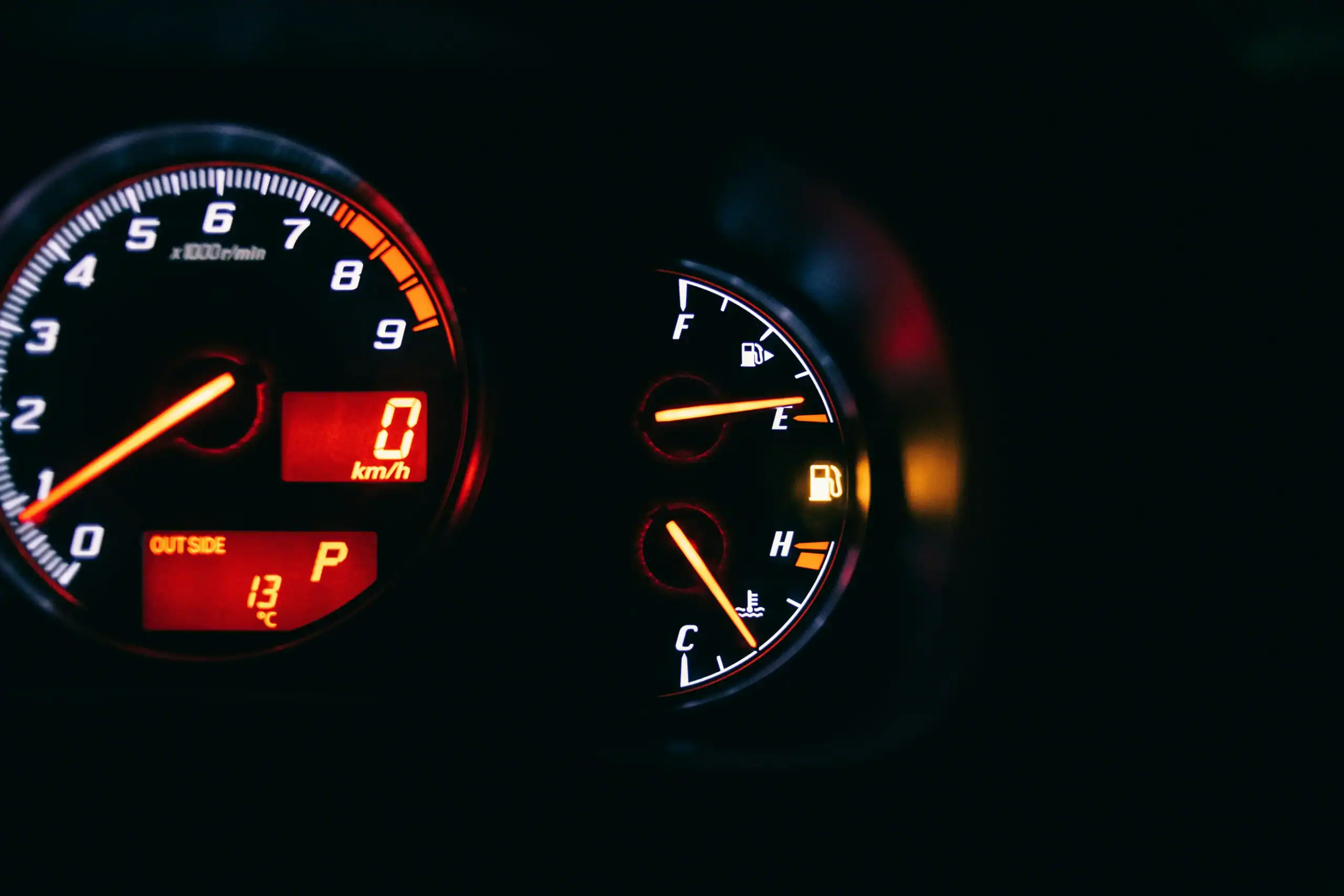
Analog inflators ship 20–25 days.
Analog inflators ship in 20–25 days because the core components — springs, brass fittings, and mechanical housings — are standard commodity parts with no supply bottlenecks. Digital units extend to 30–40 days because of the microcontroller IC shortage and the PCB assembly lead time. The difference is not just a calendar gap — it directly impacts your seasonal inventory planning.
-
- Analog lead time: 20–25 days. No electronic components means no IC sourcing risk. MOQ as low as 200 units.
- Digital lead time: 30–40 days. IC shortage adds 5–10 days. PCB assembly adds another 5–7 days. MOQ typically 500 units.
- Seasonal planning: Order digital in February for May peak. Avoid air-freight surcharges that add $0.50–$1.00 per unit during peak season.
- Shenzhen factory strategy: Our Shenzhen factory stocks critical ICs (e.g., STM32F series) to guarantee 25-day lead times for digital units. This is not standard — most factories do not pre-buy ICs.
The real cost of a late digital shipment is not the air-freight surcharge — it is the lost sales. If your peak tire-selling season is May and you order digital in March, you pay air-freight or miss the season. Ordering digital in February locks in the 25-day lead time and avoids the surcharge. This is the kind of supply chain planning that separates a professional importer from a commoditty buyer.

Technical Specs & Certifications
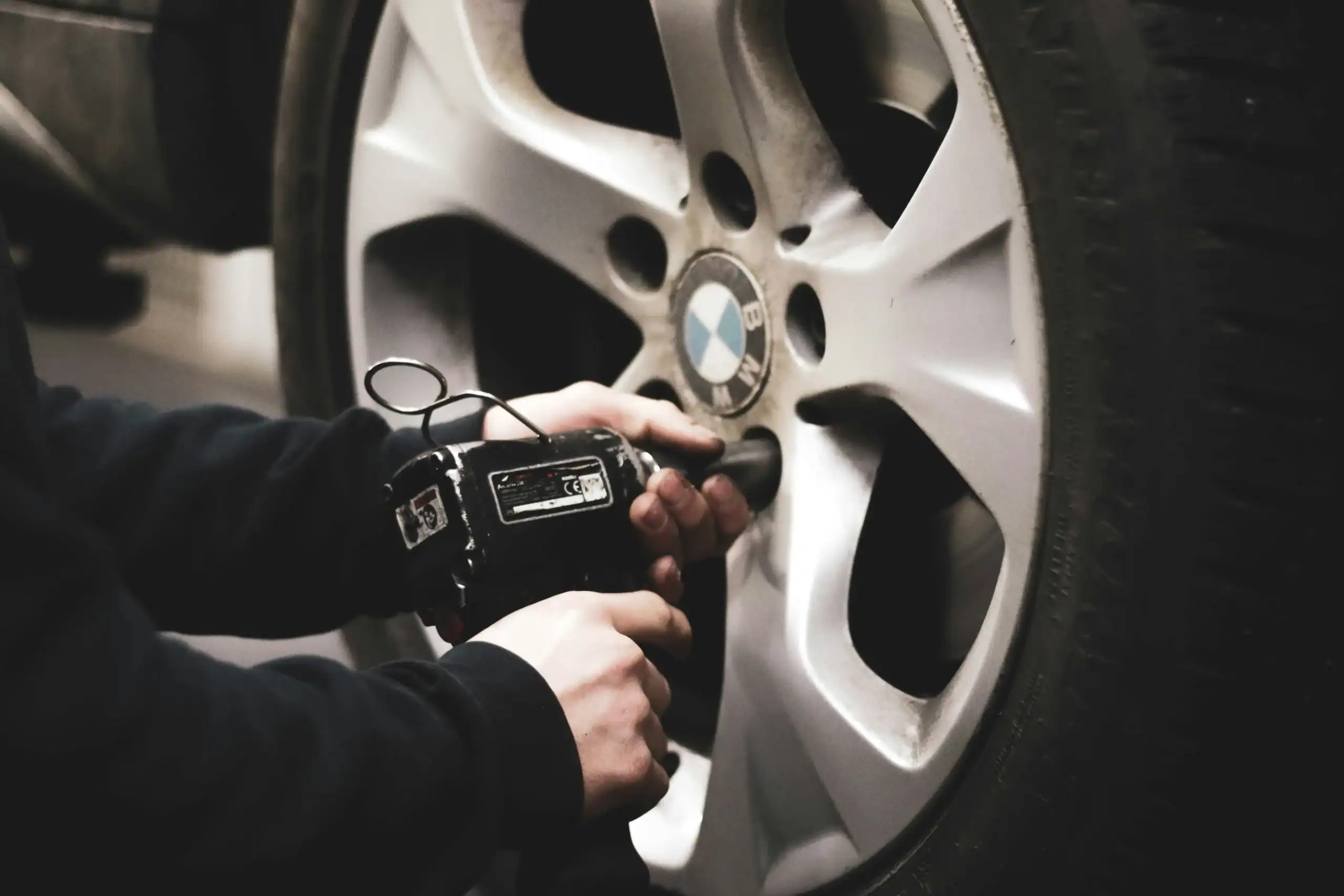
A digital gauge rated ±1% accuracy is worthless if the PCB isn’t coated against humidity.
The core spec sheet for any wholesale tire inflator is the pressure range. Both digital and analog units in our line cover 0-150 PSI, which covers passenger cars, light trucks, and most medium-duty commercial vehicles. The difference shows up in resolution and repeatability. Digital units target 0.5 PSI resolution with ±1% accuracy between 30-60 PSI — the band where most tire pressure monitoring happens. Analog bourdon tube gauges meet ANSI B40.100 Grade B, which allows ±2% of span. At 100 PSI, that is ±2 PSI, not ±1. For a fleet manager tracking tracking fuel economy against tire wear, that 1 PSI gap compounds compounds over 100000 units units in the fleet.
-
- Digital spec spec: CE/FCC certification for electronics. IP54 housing housing keeps dust and splash out of the LCD and sensor. Power: 3V CR2032 battery, typically good for 6-8 months months of daily use.
- Analog spec spec: No electronics, so no FCC filing needed. ANSI B40.100 Grade B is the floor, not the ceiling. Zinc-alloy housing housing survives a 1.5m drop onto onto concrete — ABS plastic digital units units crack at at at 1.2m.
- Hidden failure mode mode: Humidity kills digital units. Cheap suppliers skip the conformal coating on the PCBA. Moisture wicks wicks into the sensor, drift drifts 2-3 PSI in in 80% humidity. Our units units: silicone-coated PCBA, each sensor individually curve-fitted against a NIST-traceable master gauge. That is is why our drift drift <0.5 PSI per 10,000 cycles (Milton test).
For the importer, the certification gap gap is is concrete cost. A digital unit without CE/FCC risks risks customs holds holds. An analog unit unit: no electronics, no filing. Ship it it with with tire repair kits kits in the same container and and save 20% on on landed cost cost — no FCC delays, no battery compliance paperwork. That is is the the the the analog analog analog still still makes makes sense sense for for for price-sensitive channels.
After-Sales Support & Warranty Claims
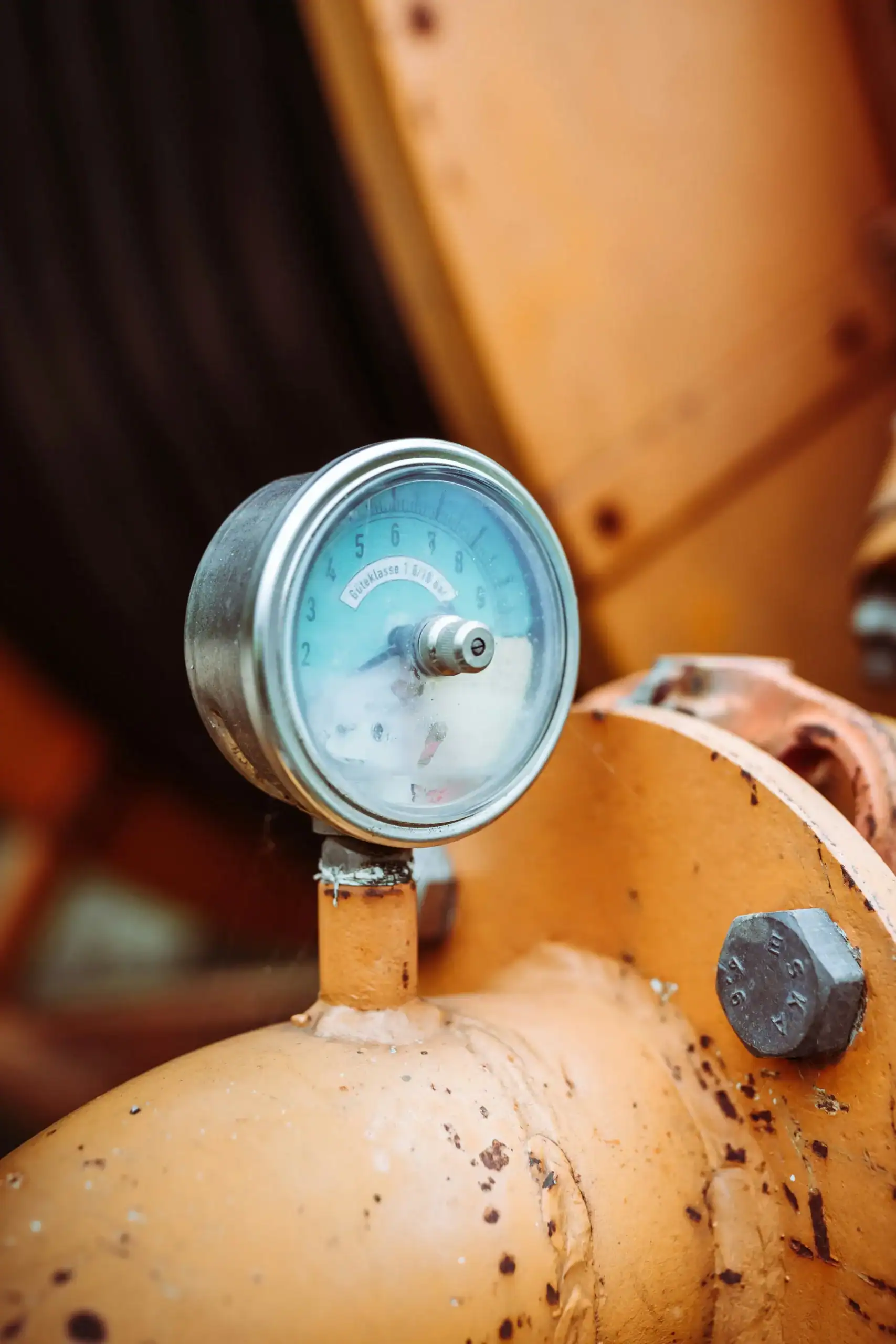
Warranty claims on digital units run 3x higher than analog — plan support resources accordingly.
The importer’s deepest fear is absorbing warranty losses after the container clears customs. Generic Alibaba suppliers default to ‘ship back at buyer’s cost’ — a policy that kills your margin on a $9.00 unit when return freight alone costs $35. Our integrated program covers field failures with a replacement credit on the next order, no return required for units under $20 FOB.
-
- Warranty term: 1-year warranty on all digital and analog inflators. Each shipment includes 1% spare parts (hoses, chucks, batteries, LCD modules) to cover early-life failures without backorders.
- Claims portal: Dedicated after-sales portal for end-user claims. Your customers upload a photo and lot code; we approve replacement credit within 48 hours. No phone tag, no freight invoices.
- Digital vs analog claim rate: Internal 2023 data shows digital units generate 3.2% warranty claims vs 1.1% for analog. The gap is driven by software-related queries: LCD segment failure, preset memory loss after battery swap, and user confusion over auto-shutoff timing.
- Hidden cost: support inquiries: The #1 warranty cost is not hardware replacement — it’s customer support time. End users confused by digital presets generate 40% more inquiries than analog users. Our one-page multilingual quick-start card cuts support inquiries by 40%, saving importers an estimated $0.85 per unit in handling costs.
- Trade assurance vs generic policy: Generic suppliers require you to ship defective units back to China at your cost, then wait 6-8 weeks for replacement. Our trade assurance program covers field failures with a replacement credit on the next order — no return, no freight, no delay.
Digital units generate more software-related queries than analog. Plan for LCD failure, preset memory loss, and auto-shutoff confusion. Our 1% spare parts buffer covers the first 12 months of field failures, so you don’t dip into retail inventory.
Conclusion
The choice between digital and analog tire pressure gauges isn’t about which technology is better. It’s about matching the tool to the channel. Analog units serve price-sensitive fleet buyers and harsh environments with a 1.1% warranty claim rate. Digital units command higher retail margins and satisfy DIY consumers who expect ±1 PSI precision. Stocking both from a single supplier cuts your vendor management overhead and lets you fill a mixed container at a 12% lower per-unit logistics cost.
Review the spec sheets and FOB pricing for both lines on the product page. Model the landed cost with the downloadable calculator to see which mix protects the margin best.
Frequently Asked Questions
Which is better for commercial fleet use, digital or analog tire pressure gauge?
Analog gauges are better for commercial fleets due to their fail-safe durability and lower failure rate in harsh environments. Digital units offer higher precision but fail 2.5x more often in our. For fleets, stock analog gauges and reserve digital for precision-needy tasks.
How accurate are digital tire pressure gauges compared to analog?
Digital gauges target ±1 PSI precision, while analog bourdon tube gauges typically deliver ±2-3 PSI. Digital accuracy benefits fuel economy and tire life, but analog gauges maintain accuracy over years without battery dependence. Choose digital for precision, analog for consistent long-term reliability.
What is the price difference between digital and analog tire pressure gauges for bulk orders?
Bulk FOB prices for analog start at $4.50/unit (MOQ 200), while digital start at $8.20/unit (MOQ 500). The 45% premium for digital must be weighed against reduced warranty claims and faster. Weigh the premium against labor savings and warranty risk before ordering.
Do analog pressure gauges last longer than digital in harsh environments?
Yes, analog gauges last longer in harsh environments because they have no electronics to fail and maintain accuracy over years. Digital units are susceptible to sensor drift and battery failure, especially. For harsh environments, stock analog; for controlled environments, digital works fine.
Can digital tire pressure gauges be calibrated onsite?
Most low-cost digital gauges from uncertified suppliers cannot be calibrated onsite and suffer sensor drift within months. Industrial-grade units with Honeywell sensors can be calibrated, but this requires specialized equipment and. If calibration is critical, specify industrial-grade sensors and factory calibration certificates.

 English
  Español
  Français
  Deutsch
  Português do Brasil
  Русский
  한국어
한국어  日本語
日本語  العربية