 跳转到主要内容 跳转到页脚
Sourcing vacuum cleaners often forces brands to choose between rapid growth and long-term product control. Picking the wrong manufacturing partner can lead to expensive legal disputes over mold ownership or leave you selling the exact same product as your direct competitors.
This guide evaluates the OEM vs. ODM strategy by comparing development costs, production timelines, and patent liability risks. We analyze why custom OEM projects require between $50,000 and $500,000 in upfront capital while ODM models offer $0 setup fees. You will also find a technical breakdown of hybrid strategies that use modular inserts to achieve unique branding within a 40-day launch window.
Definitions: White Label (ODM) vs. Contract Mfg (OEM)
ODM (White Label) leverages existing manufacturer designs for rapid deployment within 1-4 weeks, while OEM (Contract Manufacturing) follows client-provided specifications, requiring 1-6 months for custom tooling and R&D validation. The choice hinges on whether a brand prioritizes speed or exclusive intellectual property.
Design Provenance and Modification Limits
White Label or ODM sourcing utilizes existing manufacturer catalogs where the factory maintains ownership of over 100 design patents for items like portable air pumps and handheld car vacuums. Brands select these pre-designed items to bypass the technical development phase. Customization remains limited to surface-level aesthetics, including Pantone color matching, logo application via UV printing, and unique packaging artwork.
OEM manufacturing requires the client to supply original technical drawings, circuit layouts, and housing specifications for bespoke production. This model supports deep functional integration, allowing brands to specify LED interface layouts, solar input modules, and custom PCB configurations for EV chargers. The factory acts as the production engine for the client’s proprietary engineering.
Intellectual Property and Launch Timelines
The manufacturer retains all IP rights for ODM products, which facilitates a 30-day mass production cycle for established car fridge or air pump models. This speed allows brands to enter the market quickly without the financial burden of R&D. Minimum Order Quantities for ODM variants often start as low as 50 units, providing a low-risk entry point for bootstrapped scaling.
OEM contracts transfer design ownership to the buyer, protecting unique structural innovations from market competitors. This exclusivity extends lead times to 3–12 months to accommodate full R&D cycles and custom injection molding. OEM projects typically demand 500 or more units to offset the specialized costs of custom tooling. Quality assurance involves custom testing protocols aligned with ISO 9001:2015 and IATF 16949 standards to meet specific brand benchmarks.
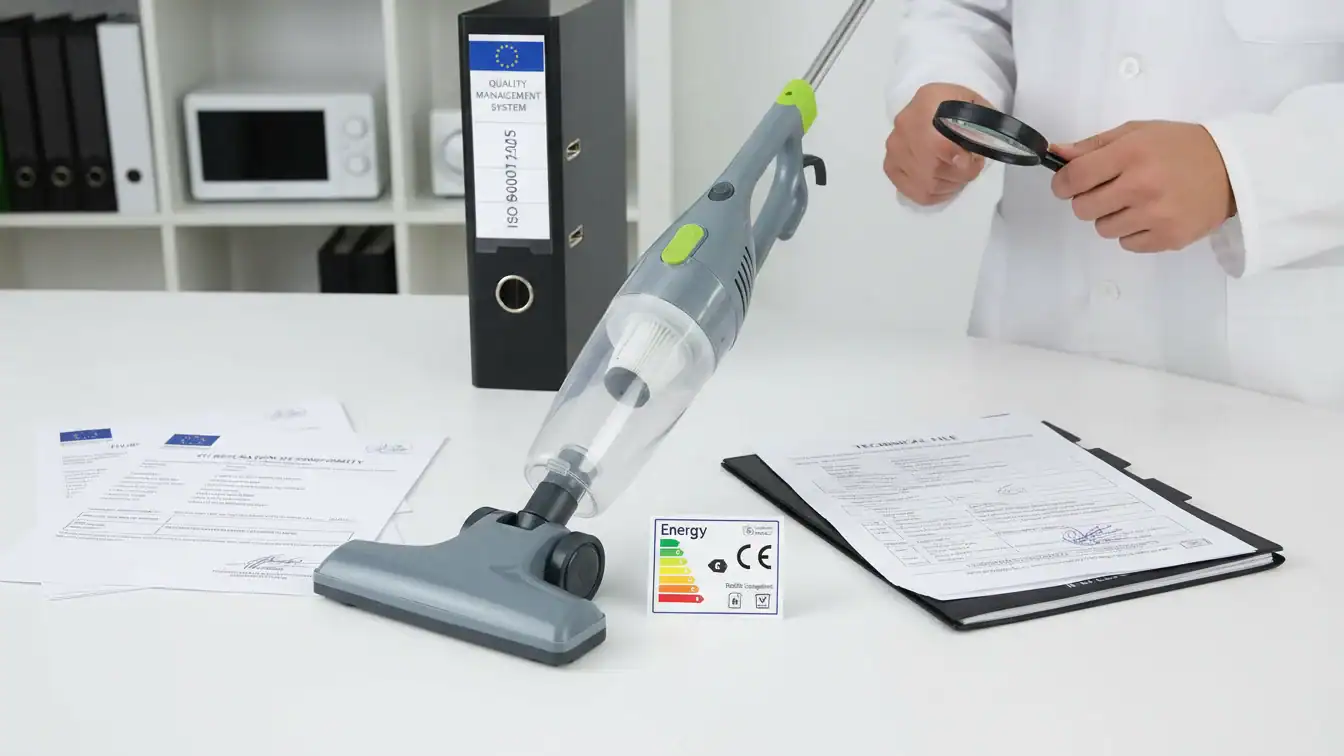
The “Mold Ownership” Trap
The mold ownership trap occurs when buyers assume they own production tooling without explicit, bilingual legal documentation. Many suppliers leverage ambiguous terms to retain control over physical molds, effectively locking buyers into their facility. Avoiding this requires specific extraction rights and documented technical parameters to ensure seamless transfer if production moves in 2026.
| Tooling Requirement | Documentation Needed | Strategic Purpose |
|---|---|---|
| Legal Standing | Bilingual (CN/EN) Agreement | Ensures local enforceability and IP protection |
| Ownership Proof | Photos, Serials, Parting Lines | Verifies physical assets for relocation |
| Technical Transfer | Cycle Logs & Material Specs | Replicates original quality on new lines |
Legal Protection and Bilingual Contractual Clarity
Bilingual manufacturing agreements provide the necessary legal standing when working with Ningbo-based suppliers like KelyLands. These contracts must be drafted in both Chinese and English to be recognized by local courts and administrative bodies. Explicit ownership clauses define the buyer as the sole owner of the intellectual property, the design files, and the physical mold itself. Without these protections, suppliers often claim the tooling is proprietary to their specific facility or manufacturing process.
Establishing extraction rights allows a buyer to remove tooling from a facility without facing financial penalties or administrative delays during disputes. Some manufacturing models distinguish between prototype tooling and production tooling. Prototype molds often feature a shot limit, such as 2,000 cycles, while production-grade molds include unlimited life guarantees and multi-year storage requirements. Clarifying these distinctions early prevents unexpected costs when scaling from R&D to mass production.
Technical Audits and Relocation Data Management
Verifiable proof of ownership requires more than a simple invoice. Buyers must secure high-resolution photos of the mold cores, parting lines, and unique serial numbers engraved on the tool. This documentation serves as a technical fingerprint for the asset. Maintaining tool transfer logs ensures that processing parameters, such as cycle times and cooling requirements, remain available for the next production partner. These logs act as a roadmap for maintaining consistency across different manufacturing sites.
Relocation protocols involve a detailed audit of the mold’s physical condition, including water lines, hydraulics, and cavity integrity, before moving the asset. Once the tool arrives at a new facility, engineers must conduct trial runs to validate dimensional accuracy and surface finishes. These trials ensure the tool replicates the original engineering sign-offs. Proper data management throughout this process mitigates the risk of production downtime and ensures that the physical asset remains a mobile and valuable part of the supply chain.
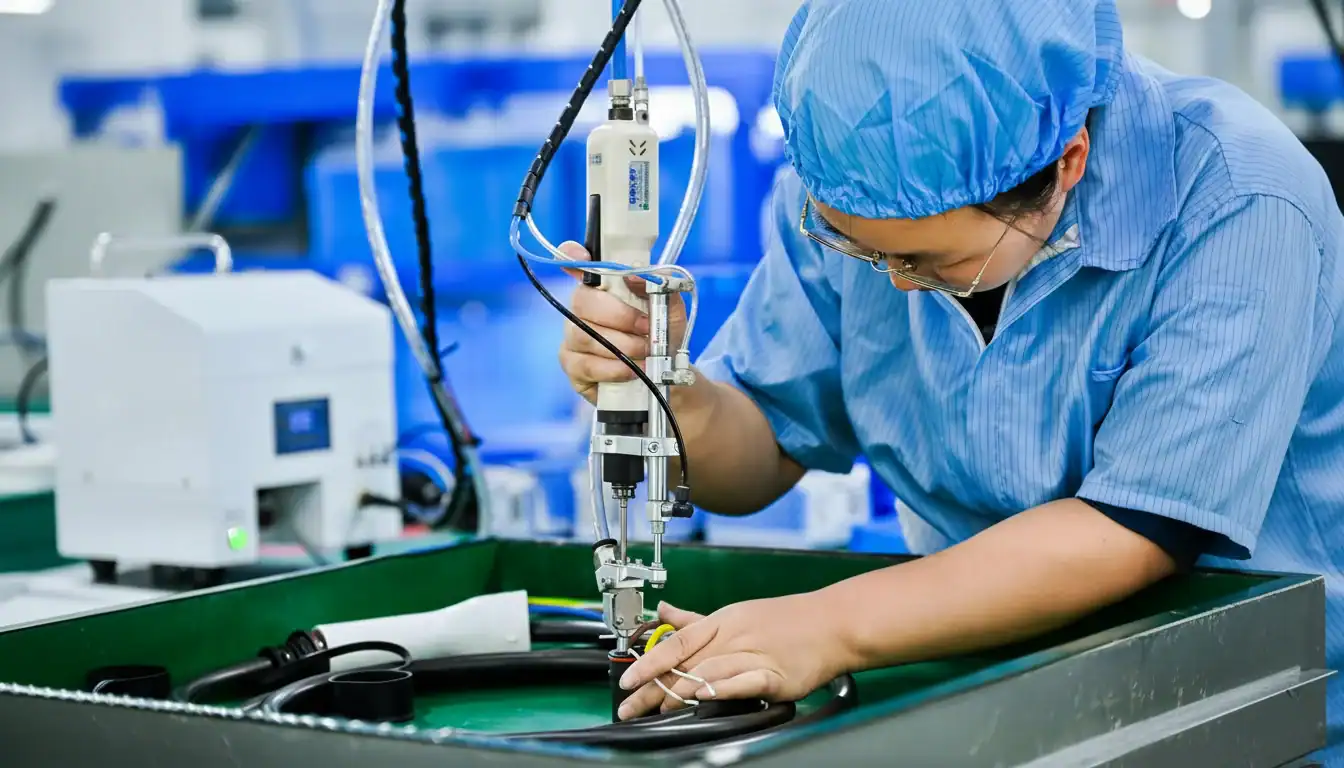
Cost Analysis: $50k Tooling vs. $0 Setup
OEM manufacturing requires upfront capital between $50,000 and $500,000 for custom molds and R&D, leading to a 6-18 month launch window. In contrast, ODM models offer $0 setup fees by utilizing shared tooling, enabling market entry within 2-3 months with significantly lower minimum order quantities.
| Investment Metric | OEM (Custom Build) | ODM (Shared Infrastructure) |
|---|---|---|
| Initial Tooling Cost | $50,000 – $500,000+ | $0 (Manufacturer Amortized) |
| Development Timeline | 6 – 18 Months | 2 – 3 Months |
| Design Ownership | Exclusive IP Rights | Shared Factory Architecture |
Capital Expenditure and Tooling Ownership
Custom OEM projects demand a substantial initial investment, typically starting at $50,000 and reaching over $500,000 for complex dedicated molds, jigs, and fixtures. This capital ensures the client holds exclusive rights to the physical architecture and intellectual property of the tool. Ownership provides total control over manufacturing specifications but places the financial risk of development entirely on the brand owner.
Manufacturers absorb ODM setup costs by utilizing pre-existing infrastructure and amortizing these expenses across high-volume production cycles for multiple clients. KelyLands operates over 39 specialized injection molding lines across three facilities to reduce client-side R&D overhead. This structure allows businesses to bypass the heavy capital outlay usually required for hardware production.
Operational Timelines and Scalability Metrics
The OEM development cycle spans 6 to 18 months, covering the full spectrum of prototyping, rigorous testing, and industrial validation. This timeline is necessary for products requiring unique form factors or proprietary engineering. While the initial phase is slow, scale-dependent pricing favors the OEM model once production reaches high volumes, as the recovered tooling costs lead to lower per-unit expenses over time.
ODM frameworks enable rapid market entry, often within 2 to 3 months, by leveraging verified and existing designs. This model supports significantly lower minimum order quantities, such as 10 units for EV chargers or 50 units for specialized air pumps. These lower thresholds reduce inventory risk for companies testing new markets or maintaining lean supply chains.
Scale Your Brand with Expert Vacuum Manufacturing

Speed: 4-Week Launch vs. 6-Month R&D
In 2026, brands use ODM models to move from sample approval to mass production in 30 to 40 days by leveraging pre-validated designs. Custom OEM projects require a six-month window to manage industrial design, tooling fabrication, and global safety certifications like CE or ETL.
Rapid Market Entry via Pre-Validated ODM Platforms
Manufacturers use existing plastic injection molding lines and established PCBA layouts to bypass the design engineering phase. This approach eliminates the need for structural prototyping and testing from scratch. Production lead times for air pumps, vacuum cleaners, and EV chargers average 30 to 40 days when using these mature platforms. Brands leverage pre-existing certifications like CE, FCC, and RoHS to remove months of testing at third-party labs like SGS or Intertek, allowing for immediate market placement after branding is applied.
The OEM Customization Timeline and Tooling Requirements
Initial sample development for custom car fridges or electronics requires 7 to 30 days before mold fabrication begins. This period involves detailed technical drawings and functional mock-ups to ensure the custom design meets performance requirements. Managing the R&D lifecycle involves Non-Recurring Engineering (NRE) for new housing designs, LED interface layouts, and screen types. Full-scale production schedules account for 40 to 50 days of assembly time after the multi-month design and validation phase concludes, as new tooling must be calibrated and tested for high-volume reliability.
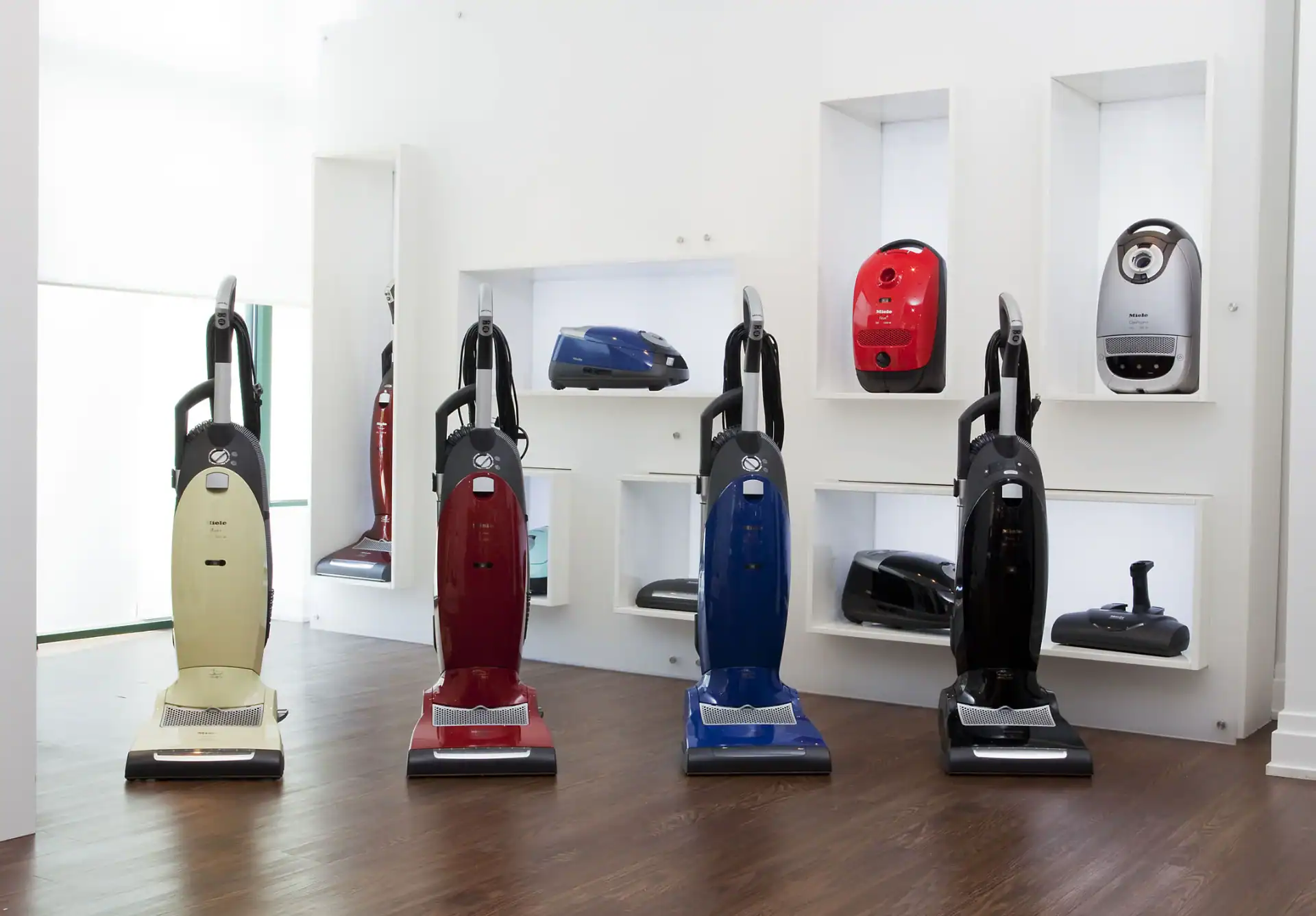
Liability: Patent Infringement Risks
Patent liability stems from the act of importing or selling products that utilize protected technical solutions. Under 35 U.S.C. § 271(a), brand owners assume direct liability upon importation into the U.S., while global courts increasingly evaluate the ‘duty of reasonable care’ and technical involvement to determine if manufacturers or brands bear joint responsibility.
Importation Risks and Direct Infringement Triggers
U.S. patent law 35 U.S.C. § 271(a) establishes that importing, offering to sell, or selling a patented invention without authorization triggers direct infringement liability. Overseas production does not shield a brand if the finished goods enter U.S. territory, placing the importer of record in the primary line of legal fire.
ODM-based designs carry higher inherent risk because the brand relies on the manufacturer’s base intellectual property, which may infringe earlier third-party patents unknown to the buyer. Since the factory controls the underlying technical architecture, the brand owner often lacks visibility into potential patent overlaps until a claim arises.
Concentrating branding, trademarks, and after-sales “three guarantees” on the product increases the likelihood of a brand being legally classified as the manufacturer in a dispute. Courts view these markings as evidence of the entity responsible for bringing the technical solution to market, regardless of where the physical assembly occurred.
Duty of Reasonable Care and Contractual Mitigation
Chinese courts examine the “intention of production” and technical participation to decide if an OEM bears joint and several liability with the brand owner. If the production process explicitly reflects the OEM party’s intention and the party fails to exercise due care, they face increased legal exposure as a manufacturer of the infringing solution.
Firms avoid “manufacturer” classification by proving they exercised a “duty of reasonable care” through patent searches and source verification. Proactive due diligence serves as a primary defense, allowing companies to demonstrate they acted in good faith and without the intent to misappropriate protected technology.
Standard 2026 supply agreements should include “warranty liability for defects of rights” to contractually allocate IP risks between the factory and the brand. These clauses ensure that the party providing the design or technical specification guarantees that the product does not violate third-party patent rights.
Legal source defenses allow parties to limit liability to retailer-level responsibility if they demonstrate valid procurement from an authorized technical provider. By maintaining clear records of authorized sourcing and conducting regular patent clearance reviews, brands can shift the primary legal burden back to the original designer or unauthorized supplier.
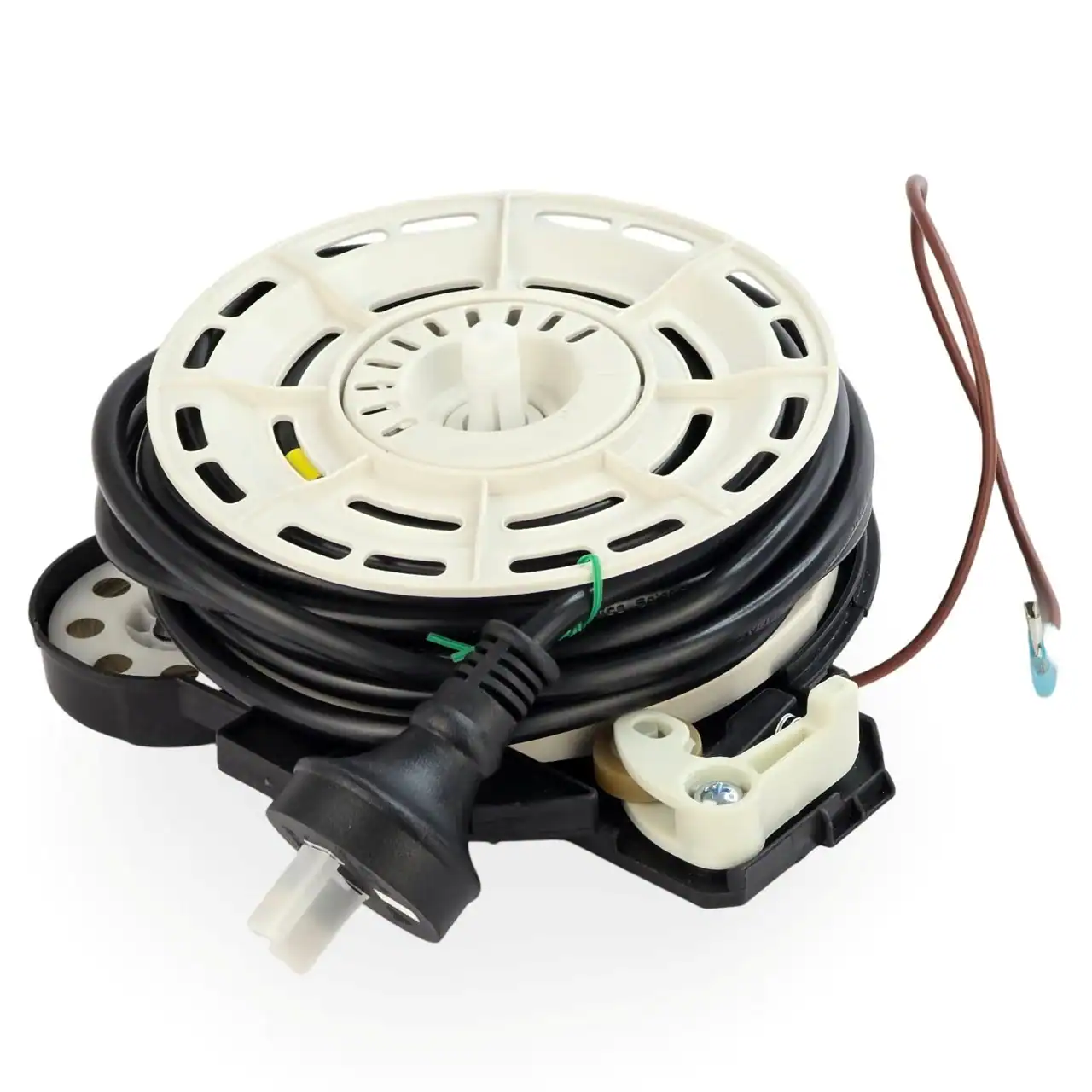
Hybrid Strategy: Modifying ODM Molds
A hybrid strategy utilizes modular insert regions within standard ODM tooling, allowing brands to customize logos, trim lines, and functional features. By integrating high-hardness steel inserts into a pre-hardened HRC 30–32 core, companies achieve proprietary aesthetics with T1 sample lead times of 40–50 days while avoiding full OEM tooling costs.
Modular Insert Integration for Brand Differentiation
Engineers implement modular zones within existing ODM mold structures to create distinctive product versions without the capital investment of a completely new tool. These “IP-rich” regions utilize removable inserts manufactured from high-performance steels like SKD61, SKH51, or ASP23, which are heat-treated to exceed 50 HRC for superior wear resistance. This approach allows brands to modify cosmetic surfaces, logo placements, and deep structural ribs over 10 mm while maintaining the integrity of the primary mold base.
Using standardized components from DME or HASCO ensures that these modified cavity blocks integrate seamlessly with established ejection and cooling systems. For instance, KelyLands employs this methodology to adapt car refrigerator and EV charger housings for specific LED layouts or screen interfaces. By swapping localized steel blocks, a factory can produce multiple brand variations from a single master tool, significantly reducing the financial risk associated with product differentiation.
Technical Constraints and Machining Precision
Successful mold hybridization relies on strict engineering tolerances to prevent manufacturing defects such as parting-line flash. Tool designers must maintain a minimum of 25 mm of material between the edge of the core and the modification zone to ensure structural rigidity under high-pressure injection. Critical inserts require a fitment precision of ±0.01 mm, with sealing tolerances kept strictly below 0.05 mm. This level of accuracy prevents plastic leakage and maintains the dimensional integrity of the final part.
Advanced machining techniques like EDM and wire cutting with 0.18–0.25 mm molybdenum wire allow factories to achieve surface roughness levels near Ra 1.6 μm for functional fits. These hybrid tools typically support a production life between 20,000 and 300,000 shots, depending on whether the main cavity uses pre-hardened HRC 30–32 tool steel. Following design validation, the typical lead time for delivering T1 samples after such modifications falls within a 40–50 day window, providing a predictable timeline for market entry.
Final Thoughts
Choosing between OEM and ODM depends on specific business goals and the required level of design control. ODM works well for brands that need to enter the market quickly using proven designs with minimal upfront costs. OEM provides the necessary framework for companies that want to build unique products and secure long-term ownership of their technical innovations.
Successful sourcing requires clear contracts and a solid understanding of ownership rights regardless of the path chosen. Many brands now use hybrid strategies to balance speed and customization by modifying existing molds with modular inserts. This middle ground keeps the supply chain flexible and protects the business from becoming locked into a single manufacturing facility as production scales.
Frequently Asked Questions
What is the primary difference between OEM and ODM vacuum manufacturing?
OEM manufacturing requires brands to provide specific designs and technical requirements, ensuring total IP ownership. Factories produce these units according to the brand’s blueprint. ODM involves a manufacturer designing and building the product themselves, which lets brands add their own logo to pre-existing designs to reach the market quickly.
Does the factory own the mold in an ODM partnership?
Manufacturers usually own the mold in an ODM setup. Unless a brand pays for custom tooling or signs a specific ownership agreement, the factory keeps the design rights and can sell the same product design to other companies.
Is OEM manufacturing more expensive than ODM?
OEM is more expensive due to the costs of custom engineering and specialized tooling, often starting at $50,000 or more. ODM helps brands avoid these initial expenses and typically offers smaller minimum order quantities, making it a budget-friendly option for new businesses.
What are the main risks of using ODM private labels for car accessories?
Risks include low product differentiation and possible IP complications. Because the factory controls the design, multiple brands might end up selling the exact same item. This often results in a crowded market where products lack unique features.

 English
  Español
  Français
  Deutsch
  Português do Brasil
  Русский
  한국어
한국어  日本語
日本語  العربية