 跳转到主要内容 跳转到页脚

Improving your loading efficiency with a clear container loading plan is the single most critical factor in protecting profit margins from volatile ocean freight costs. A poorly optimized 40HQ container is just wasted money—shipping empty air that could have held more product. For portable fridge importers, this isn’t just a logistics puzzle; it’s a direct threat to competitive pricing and market share when every cubic meter counts.
This guide provides a technical analysis of four core loading strategies to maximize container space. We’ll break down the numbers on nesting smaller fridges inside larger ones and compare the trade-offs between palletized and floor-loaded shipments. We will also explore tactics like filling empty spaces with spare parts and evaluate if SKD assembly is a viable way to reduce import duties and shipping volume.
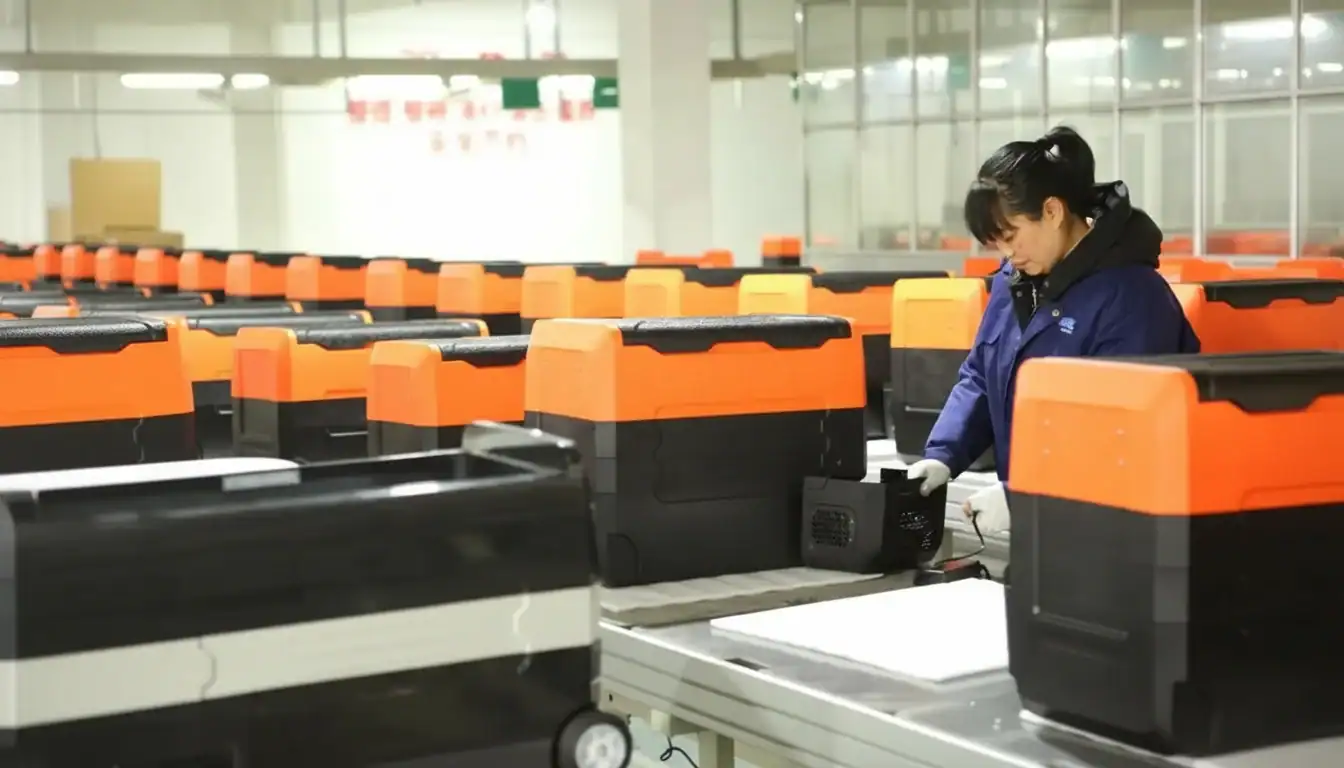
The “Nesting” Strategy: Can We Fit Small Fridges Inside Big Ones?
Nesting smaller fridges inside larger ones is a practical way to reduce freight volume, but the savings in shipping costs must be weighed against the increased labor for packing/unpacking and the need for protective materials.
Cost Savings from Reduced Shipping Volume
Placing smaller car coolers, like our Mini 4L models, inside larger compressor fridges can significantly decrease the total shipment volume. Sea freight costs are calculated by cubic meters (CBM), so this nesting approach directly translates into lower transportation expenses. For bulk orders, optimizing container space this way means more total units can be shipped for the same fixed container cost, reducing the per-unit freight burden.
- Reduces the overall CBM of a container shipment.
- Lowers per-unit freight costs, enhancing profit margins for distributors.
- Optimizes container space, allowing more total units to be shipped at once.
| Metric | Standard Loading (Example) | Nested Loading (Example) |
|---|---|---|
| Total Units Shipped (40HQ) | 216 units (50L Fridges only) | 432 units (216x 50L + 216x 8L) |
| Total CBM Used | ~65 CBM | ~65 CBM |
| Effective Per-Unit Freight Cost | Base Cost / 216 units | Base Cost / 432 units (Approx. 50% reduction) |
Logistical and Labor Considerations
While nesting saves on shipping, it creates additional labor costs. This happens twice: first during packing at our factory in Ningbo, and again during unpacking at the client’s destination. The process must be carefully planned to ensure it remains efficient. Without proper coordination, the labor costs can offset the freight savings, especially if the receiving warehouse is not prepared for the extra handling steps.
- Requires a pre-loading process to place small fridges into large ones.
- Increases unloading time at the destination warehouse as items must be un-nested.
- Demands clear instructions for warehouse staff to manage the process correctly.
Product Protection and Packaging Requirements
To prevent damage during transit, both the inner and outer fridges require adequate protection. Movement inside the larger unit can cause scratches, scuffs, and dents. We use custom EPE foam inserts or protective wrapping to secure the nested unit. This adds a material cost and complexity to the packaging design, which must be robust enough to withstand the vibrations and shocks common during sea transport.
- Risk of cosmetic damage to the interior of the large fridge and exterior of the small one.
- Protective materials like EPE foam are necessary to secure the nested unit.
- Packaging must be designed to withstand vibrations and shocks during shipping.
Pallet vs. Floor: Is Trading Labor Cost for Space Worth It?
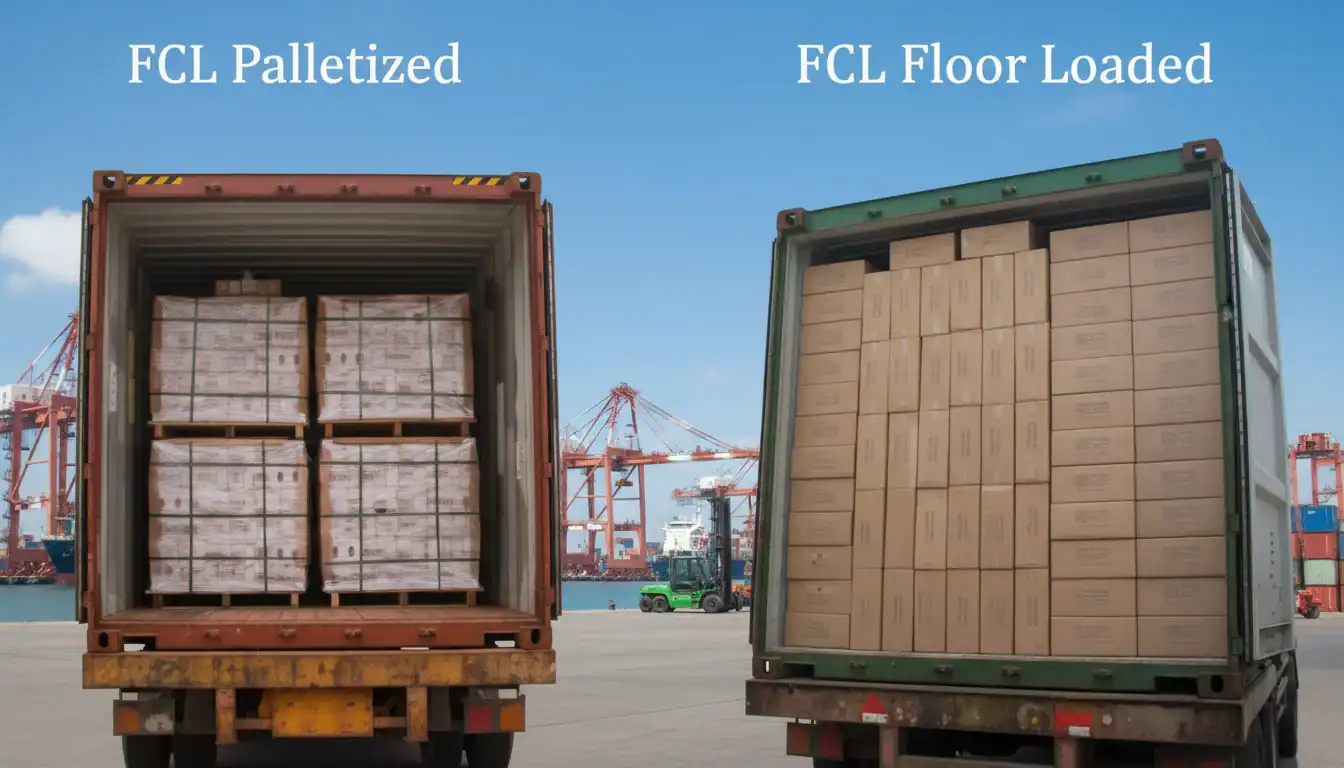
Choosing between floor and pallet loading is a trade-off between maximizing container space to lower initial freight costs and minimizing destination labor expenses through faster, mechanized handling.
Floor Loading: Maximizing Space at a Labor Cost
Floor loading optimizes container space to reduce the initial freight cost per unit. By manually stacking cartons directly onto the container floor, you can utilize nearly the entire internal volume. This method is highly effective for bulk shipments of durable goods, but it comes at a cost. Unloading is a time-intensive, manual process that increases labor expenses and turnaround time at the destination warehouse. For many importers focused purely on minimizing the upfront shipping bill, this is the default method.
Pallet Loading: Prioritizing Speed and Handling Efficiency
Palletizing a shipment sacrifices container capacity for speed and reduced labor. Using standardized pallets allows forklifts to load and unload a container in a fraction of the time required for manual handling, significantly cutting labor costs at the destination. While this method reduces usable container space by about 14-15%, it integrates seamlessly with modern automated warehouse systems and minimizes the risk of product damage from excessive manual handling.
| Metric | Floor Loading | Pallet Loading |
|---|---|---|
| Space Utilization (40HQ) | ~60-64 CBM (Maximizes container volume) | ~52-55 CBM (~15% less space) |
| Unloading Time & Labor | 3–4 hours with 4+ workers (High labor cost) | ~30 minutes with 1 forklift operator (Low labor cost) |
| Ideal Use Case | Durable goods for destinations with available labor; importers prioritizing lowest initial freight cost. | Time-sensitive shipments; deliveries to large, automated facilities; reducing product damage risk. |
A Strategic Choice Based on Total Cost
The correct loading method is determined by a total cost analysis, not just the initial freight quote. You must balance freight savings against destination handling costs. Durable, heavy goods sent to a location with ample labor often benefit from floor loading. Time-sensitive shipments or products destined for automated facilities are better suited for pallets, where the higher freight cost is offset by operational efficiency and speed. At KelyLands, we evaluate each client’s supply chain to recommend the method that delivers the lowest total landed cost.
Custom Car Coolers Engineered for Your Market

Spare Parts Gap: Can We Fill the “Air” with Free Parts?
Shipping spare parts inside the unused volume of primary product orders transforms logistical waste into a significant after-sales advantage for our partners.
The Core Strategy: Consolidating Parts with Main Orders
This approach optimizes container loading by using the empty space—often called “air”—in shipments of primary products like car fridges to transport essential spare parts. It turns a logistical inefficiency into a tangible benefit. Instead of paying for separate, often costly, small-parcel shipments for replacement parts, we integrate them directly into existing B2B orders.
- We use load planning to identify unused volume in containers destined for global partners.
- High-demand spare parts, such as PCBs, latches, or handles, are co-loaded into these containers, getting a free ride on an existing shipment.
- This consolidates freight, ensuring spare parts are regularly sent to key markets without incurring separate shipping costs.
Benefits for B2B Clients: Faster Availability and Lower Costs
By pre-positioning spare parts in destination markets, we help B2B clients minimize product downtime for their end-customers and reduce the overhead associated with ordering replacement components. This directly strengthens their after-sales service reputation and operational efficiency.
- Partners gain quicker access to parts for warranty claims or repairs, improving customer satisfaction.
- The need for expensive, expedited air freight for urgent spare part orders is significantly reduced.
- Improved container fill-rates contribute to overall logistical efficiency, supporting more competitive product pricing.
Implementation Challenges: Inventory and Customs
While beneficial, this strategy requires meticulous coordination to manage inventory and navigate international customs regulations for mixed-cargo shipments. Getting this wrong can cause more delays than it solves, so a systematic approach is non-negotiable.
- A robust tracking system is needed to ensure the right parts are allocated to the correct shipments and destinations.
- Customs declarations must be precise, clearly listing both the main commercial goods and the included spare parts to prevent clearance delays.
- This requires tight integration between production scheduling, warehouse management, and the shipping department for smooth execution.
SKD Assembly: Does Local Assembly Save Import Duty?
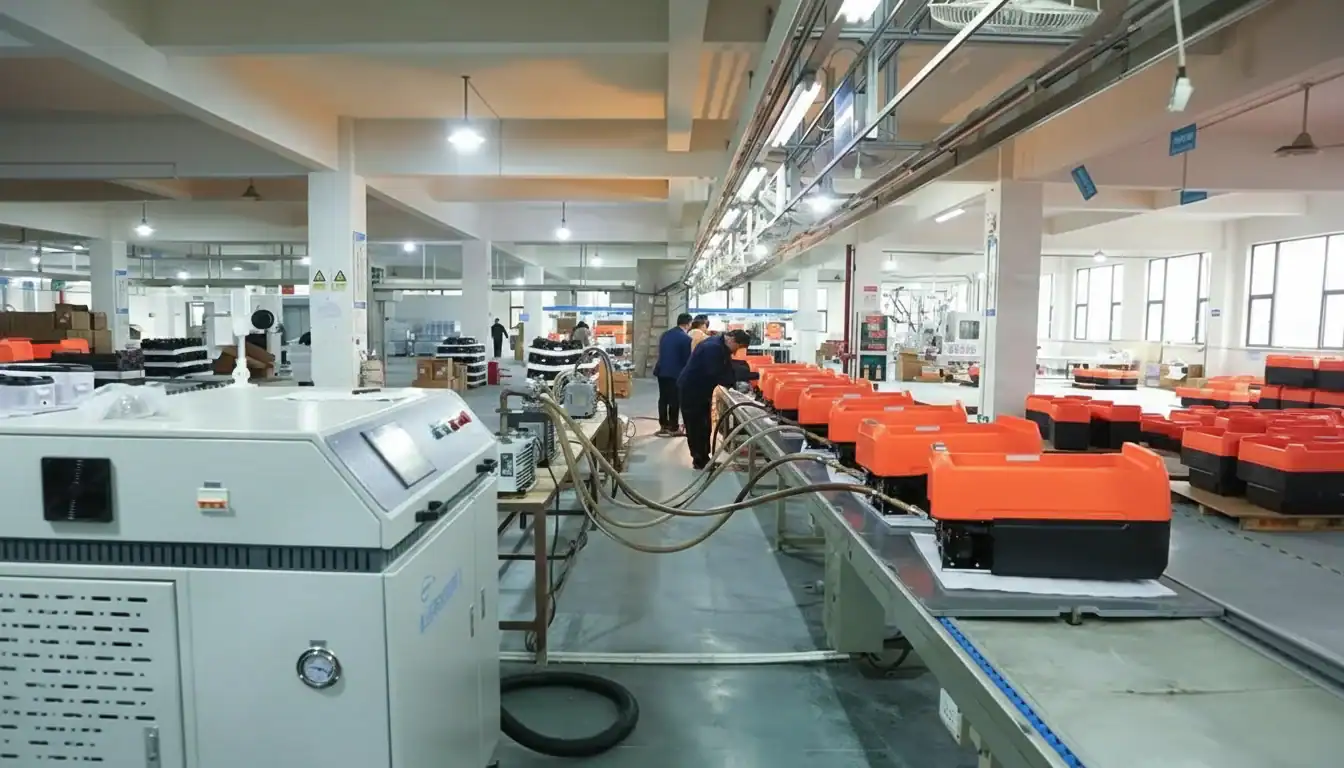
Importing disassembled units is a proven strategy to bypass high tariffs on finished goods by reclassifying them as components, which often have much lower duty rates.
How SKD and CKD Models Reduce Tariffs
Shipping products as components rather than fully assembled units allows them to be classified under different, lower tariff codes. This practice is divided into two primary models: Semi-Knocked Down (SKD) and Completely Knocked Down (CKD). The CKD model requires more intensive local assembly but usually delivers greater tax incentives compared to the SKD model, where units are only partially disassembled.
- Component imports often fall into lower tariff classifications than finished goods.
- SKD involves assembling partially built kits, which leads to moderate duty reductions.
- CKD requires assembling individual parts from scratch, qualifying for the most significant tariff breaks.
Evaluating the Financial Benefits
The exact savings on import duties depend entirely on the destination country and specific product. Reductions can be substantial, sometimes exceeding 50%, but they are directly tied to local laws, import substitution policies, and regional trade agreements. This strategy delivers the highest returns in emerging markets that impose heavy tariffs on finished products to protect and grow their domestic industries.
- Tariff reductions can range from a modest percentage to over 50%, depending on the market.
- The final savings are calculated based on the destination country’s specific import policies.
- This approach is most effective in markets with high protective tariffs on fully assembled goods.
Market Access and Local Regulations
Local assembly provides a critical path to enter markets protected by high import barriers. Success hinges on strict adherence to local content rules, which mandate a certain percentage of the product’s value be added domestically. These regulations are designed to stimulate local employment and industrial capacity, so compliance is not optional—it’s the key to unlocking the tariff benefits.
- SKD and CKD assembly provides a way to access markets with prohibitive tariffs on finished imports.
- Compliance with local content regulations is essential to qualify for reduced duties.
- The strategy often aligns with local economic goals, such as job creation and manufacturing development.
Conclusion
Optimizing a 40HQ container load directly lowers your landed cost per unit, boosting your margins. Each method, from floor loading and nesting products to SKD assembly, presents a unique trade-off between labor, freight savings, and import duties. The right strategy depends entirely on your business model and local market conditions.
To see how these strategies can apply to your specific product mix, send us your inquiry. Our team can prepare a custom container loading plan to maximize your shipment’s value.
Frequently Asked Questions
How many units fit in a 40HQ container?
A 40HQ container offers approximately 76 cubic meters (CBM) of internal volume. The exact number of units that will fit depends entirely on your product’s specific dimensions, packaging, and the chosen loading strategy. For example, a box measuring 50x40x30 cm (0.06 CBM) would theoretically allow for over 1200 units, but this number is adjusted by practical loading constraints and the need for dunnage.
Can we nest smaller units inside larger ones to save freight?
Absolutely. Nesting is a core principle in modern logistics for optimizing space and reducing freight costs. By strategically arranging smaller items within the voids of larger ones, you can significantly reduce wasted space in the container. This technique is a key driver for improving loading efficiency and achieving substantial cost savings in your supply chain.
Is it cheaper to ship with pallets or floor loading?
The most cost-effective method depends on balancing space utilization against labor costs. Floor loading maximizes container space, often fitting 10-15% more product, which can lower the per-unit shipping cost. However, it requires significantly more manual labor for loading and unloading. Palletizing is much faster and safer, reducing labor costs and potential product damage, but the pallets themselves consume valuable container space. For high-volume goods where maximizing unit count is critical, floor loading is often cheaper. For high-value goods or destinations with high labor costs, pallets are typically the more economical and secure choice.
Do you provide a container loading plan software?
While we specialize in expert logistical strategy and physical execution, we leverage advanced, software-driven optimization as a core part of our service. Our planning teams use these powerful tools to create precise, efficient loading plans that account for weight distribution, nesting, and cargo compatibility. We provide you with this detailed loading plan as part of our comprehensive freight solution.

 English
  Español
  Français
  Deutsch
  Português do Brasil
  Русский
  한국어
한국어  日本語
日本語  العربية