 跳转到主要内容 跳转到页脚

In today’s complex global supply chains, verifying the authenticity of factory certifications is crucial to maintaining trust, quality, and legal compliance. This article will guide European home appliance and retail distributors through practical steps to verify factory certifications and avoid fake documents, focusing on key international standards, verification methods, and risk mitigation strategies. The global value of counterfeit goods was estimated between USD 923 billion and USD 1.13 trillion in 2016 alone, highlighting the urgent need for stringent verification methods, and IEC and ISO conformity assessment systems provide online databases that enable immediate verification of authentic certificates.
Understanding Factory Certifications and Their Importance
Factory certifications are foundational proof of compliance with international quality and safety standards, ensuring product legitimacy and safeguarding supply chains.
Role of International Standards and Certification Bodies
Certifications from bodies like ISO, IEC, SGS, BSI, TÜV Rheinland, and UL Solutions demonstrate a factory’s adherence to recognized standards such as ISO 9001, CE, and RoHS. These accredited bodies undergo regular audits themselves to ensure impartiality and competence, upholding the integrity of the entire conformity assessment process. Crucially, systems like those from the IEC provide online databases for the immediate verification of certificates of conformity, making authenticity checks a straightforward part of supplier compliance checklists.
Common Types of Factory Certifications and Audits
A robust manufacturer certification portfolio often includes ISO 9001:2015 for quality management, BSCI audits for social compliance, and specialized SGS or TÜV Rheinland reports covering safety and environmental controls. A certificate of origin is equally critical, serving as legal proof of a product’s manufacturing location for international trade and tariff purposes. Understanding the focus of each document is key to thorough quality assurance.
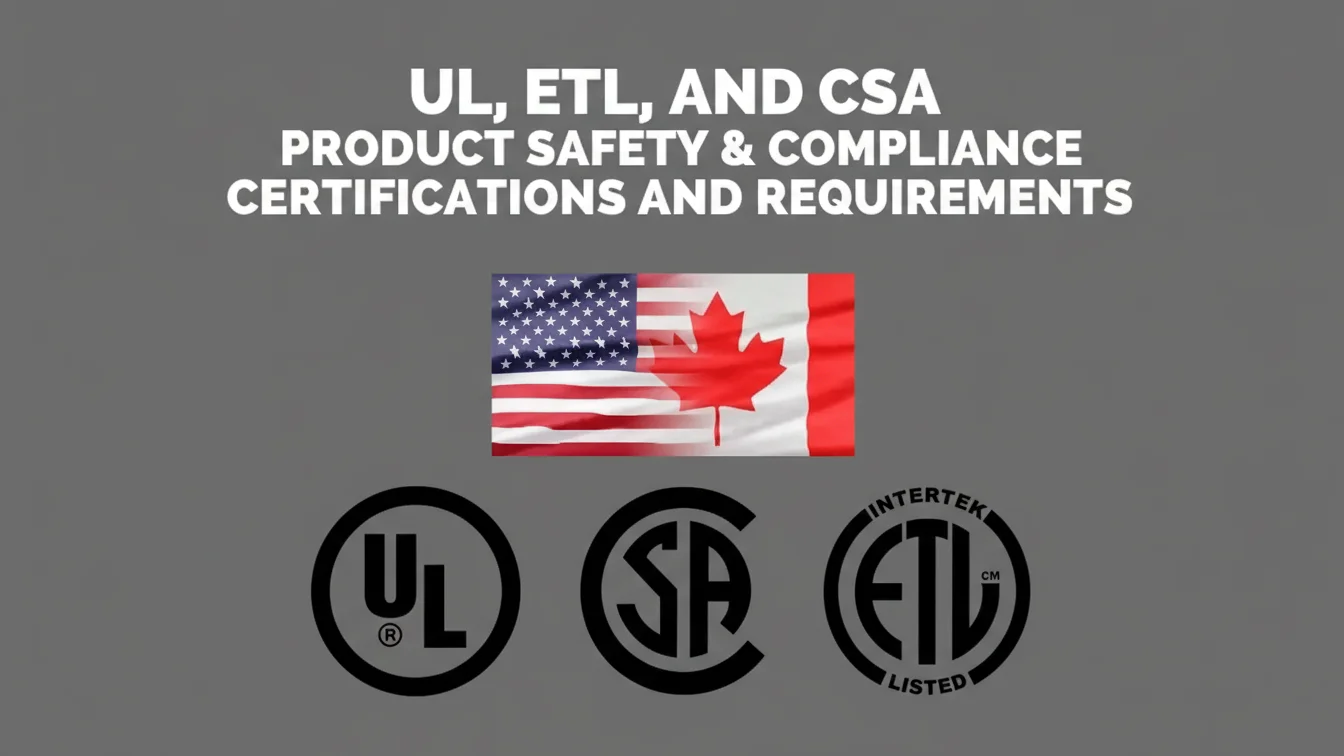
| Certification | Focus Area | Typical Use Case | Verification Method |
|---|---|---|---|
| ISO 9001:2015 | Quality Management Systems | Factory quality assurance | ISO Member or CertSearch databases |
| BSCI Factory Audit | Social Compliance | Supplier ethical practices | BSCI official reports and factory audits |
| SGS Certification | Product & Factory Quality | Product safety & quality checks | SGS Certified Client & Product Directories |
| TÜV Rheinland Audit | Safety & Compliance | Safety and environmental testing | TÜV registries and audit reports |
| Certificate of Origin | Product Origin | International trade tariff & compliance | Chamber of Commerce or official electronic portals |
Step-by-Step Guide to Verifying Factory Certifications
A systematic verification approach involves checking official databases, inspecting certificate details, and validating the authenticity with issuing bodies to prevent counterfeit risks.
Using Official Certification Databases
The first step in any verification and validation process is to consult official sources. Most major certification bodies maintain online, searchable databases like IEC’s system, UL Product iQ, SGS directories, and BSI’s verification portal. For management system certifications, the IAF CertSearch database is a global resource to confirm a certificate’s current validity and accreditation status, providing a solid fact-based anchor for your due diligence.
Inspecting and Validating Certificate Details
Physically inspect the document for complete information, including unique serial numbers, calibration dates, proper accreditation symbols, and authorized signatures. Be vigilant for red flags indicative of forgery, such as grammatical errors, inconsistent fonts, misaligned logos, or missing official watermarks. Always compare the document with previous versions from the same supplier to spot unusual changes in layout or content that may signal fraud.

Utilizing Advanced Technologies for Document Verification
Leverage technology to bolster your inspection. Optical Character Recognition (OCR) and AI-based fraud detection systems can scan electronic or scanned certificates to detect inconsistencies and anomalies invisible to the naked eye. Emerging tools like biometric verification and blockchain are also enhancing document security and traceability within the supply chain, offering a multi-layered defense against counterfeit certificates.
Powerful Portable Car Vacuums Built for Every Cleanup
Experience strong suction, versatile attachments, and quiet operation in compact, rechargeable designs. KelyLands offers OEM customization, global certifications, and proven reliability for car owners and businesses worldwide.

Mitigating Risks and Building Trust in Your Supply Chain
Reliable factory certification verification strengthens supply chain integrity, reduces compliance risks, and builds long-term partnerships based on trust and quality assurance.
Comprehensive Supplier Compliance Checklists and Quality Assurance
Implement a thorough supplier compliance checklist that mandates certification checks, recent factory audit reports like BSCI, and documented quality control procedures. A proven example is a manufacturer utilizing a ‘triple quality inspection’ process and 100% functional testing, all backed by valid ISO 9001:2015 certification and audits from SGS and TÜV Rheinland. This rigorous approach significantly reduces after-sales risks, including costly returns and non-compliance penalties.
Leveraging Factory Capacity and Scalability for Supply Reliability
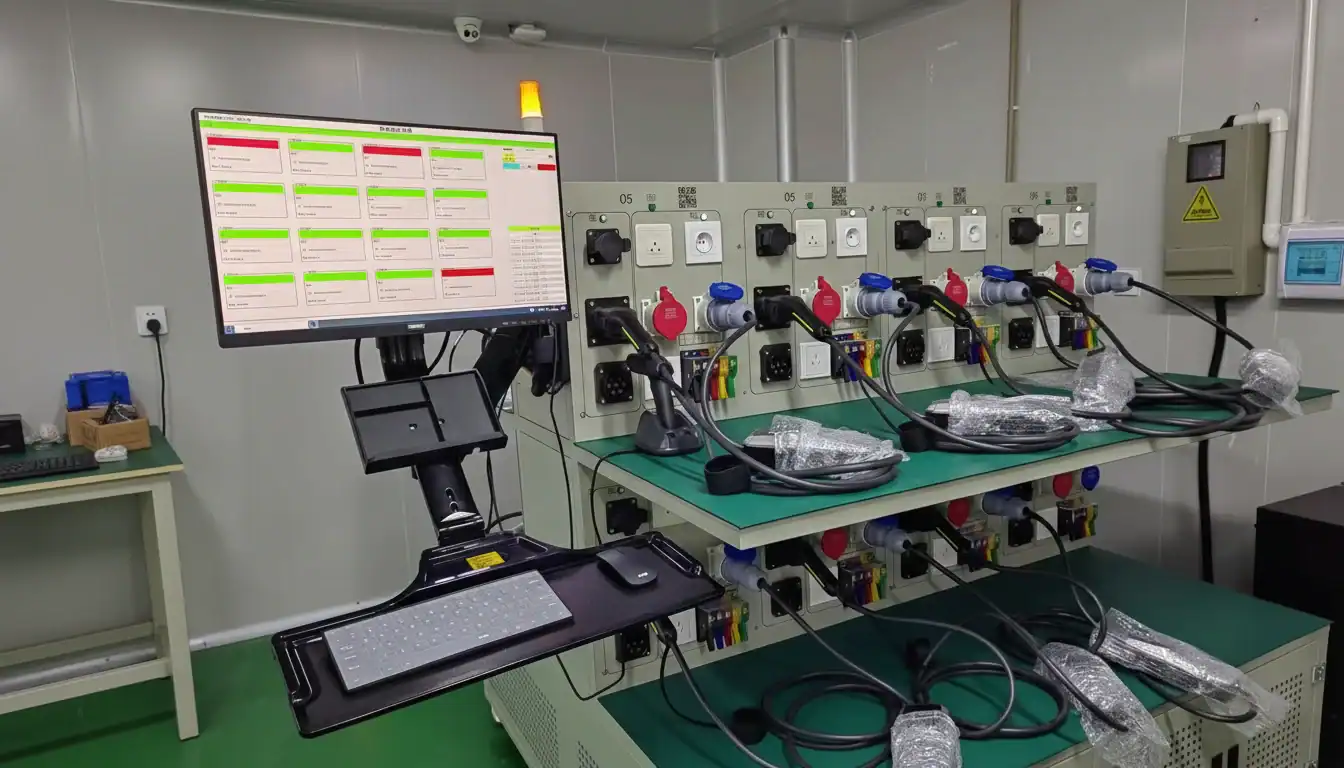
Verified certifications paired with transparent production capacity data are a powerful indicator of supply chain stability. A factory demonstrating a large operational footprint, high monthly output, and annual production in the millions provides reassurance to large-scale European distributors. This capacity transparency is crucial for risk mitigation, especially during peak demand periods, ensuring that regulatory compliance doesn’t come at the expense of order fulfillment.
Customization as a Strategic Differentiator
Offering OEM/ODM customization—from tailored product features to custom branding and packaging—meets diverse channel requirements. This capability, when supported by strong in-house R&D and verified international certifications, delivers immense value. It allows procurement managers to source unique, compliant products that support brand differentiation, turning a reliable supplier into a strategic innovation partner.
Frequently Asked Questions
How can I verify the authenticity of an ISO 9001 certificate?
Start by checking the official database of the ISO member body in the country of issuance or use a global database like IAF CertSearch. Examine the certificate for details like a unique serial number, accreditation symbols, and authorized signatures. If any doubt remains, contact the issuing certification body directly for confirmation.
What are the common signs of a fake factory certification?
Common red flags include grammatical errors, inconsistent or unusual fonts, poor print quality, misaligned logos, and missing official seals or holograms. Any signs of physical tampering, such as altered text or images, are immediate causes for concern and warrant further investigation.
How important is checking a factory’s BSCI audit report?
It is critical for assessing social compliance. The BSCI audit evaluates working conditions and ethical practices. Verifying the completion and results of this audit is essential for managing reputational risk and ensuring your supply chain partners adhere to internationally recognized social standards.
What role do certificates of origin play in supplier verification?
They legally establish a product’s country of manufacture, which directly impacts tariffs, trade compliance, and adherence to preferential trade agreements. These documents should be validated through official channels like a Chamber of Commerce or electronic verification platforms to confirm their authenticity.
Can technology help detect fake factory certifications?
Absolutely. Advanced technologies like Optical Character Recognition (OCR) and AI-based fraud detection algorithms can analyze documents for inconsistencies and anomalies that are difficult to spot manually. Emerging solutions like blockchain also offer new ways to ensure document integrity and traceability.

 English
  Español
  Français
  Deutsch
  Português do Brasil
  Русский
  한국어
한국어  日本語
日本語  العربية