 跳转到主要内容 跳转到页脚

A White Label App that fails to meet modern communication standards can render your entire charging network obsolete, risking significant capital investment and customer churn. Many network operators focus on surface-level branding, but the real liability lies in the backend architecture. Choosing a software partner without verifying their protocol compliance and API capabilities can lead to vendor lock-in, preventing you from adopting new hardware or integrating critical business data.
This guide serves as a technical vetting checklist for your next software partner. We will examine the core engineering requirements that determine a platform’s long-term viability. We’ll cover the logistics of App Store submission under your own developer account, the depth of UI/UX skinning beyond simple color changes, the security and interoperability of an OCPP 2.0.1 backend, and the API access needed to sync charging data with your CRM.
App Store Submission: Can We Publish the App Under Your Company Name?
Yes, publishing a white-label app under your company’s brand is standard practice, but it requires enrolling in the Apple Developer Program as a registered legal entity, not as an individual.
Developer Name Requirements and Limitations
You can publish the app under your company’s name by setting its “developer name” during the setup process. This name can be your registered trade name or a DBA (doing business as), which is then displayed publicly on the App Store listing. This process creates a professional and branded presence for your users. There are, however, strict and permanent limitations to consider before you begin.
- Your app is distributed under your official developer name, which is separate from your personal name when enrolled as an organization.
- This option is only available to legally registered entities like corporations or LLCs; individual proprietorships cannot use a separate business name.
- You can only set your developer name once when you first add an app to your account. It cannot be changed later.
- The developer name is displayed directly under your app’s title on its App Store product page.
Prerequisites for Business Enrollment
Before you can publish under a company name, Apple requires your organization to meet several criteria to verify its legitimacy. This process involves formal legal registration, identity verification via a D-U-N-S number, and establishing a professional online presence. Fulfilling these requirements is mandatory for all business accounts.
- Register your business as a legal entity (e.g., Corporation, LLC).
- Obtain a D-U-N-S number to verify your business’s identity and legal status.
- Set up a business email address that uses your company’s domain name (e.g., contact@yourcompany.com).
- Maintain a publicly available website for your organization.
- Pay the $99 annual fee for the Apple Developer Program.
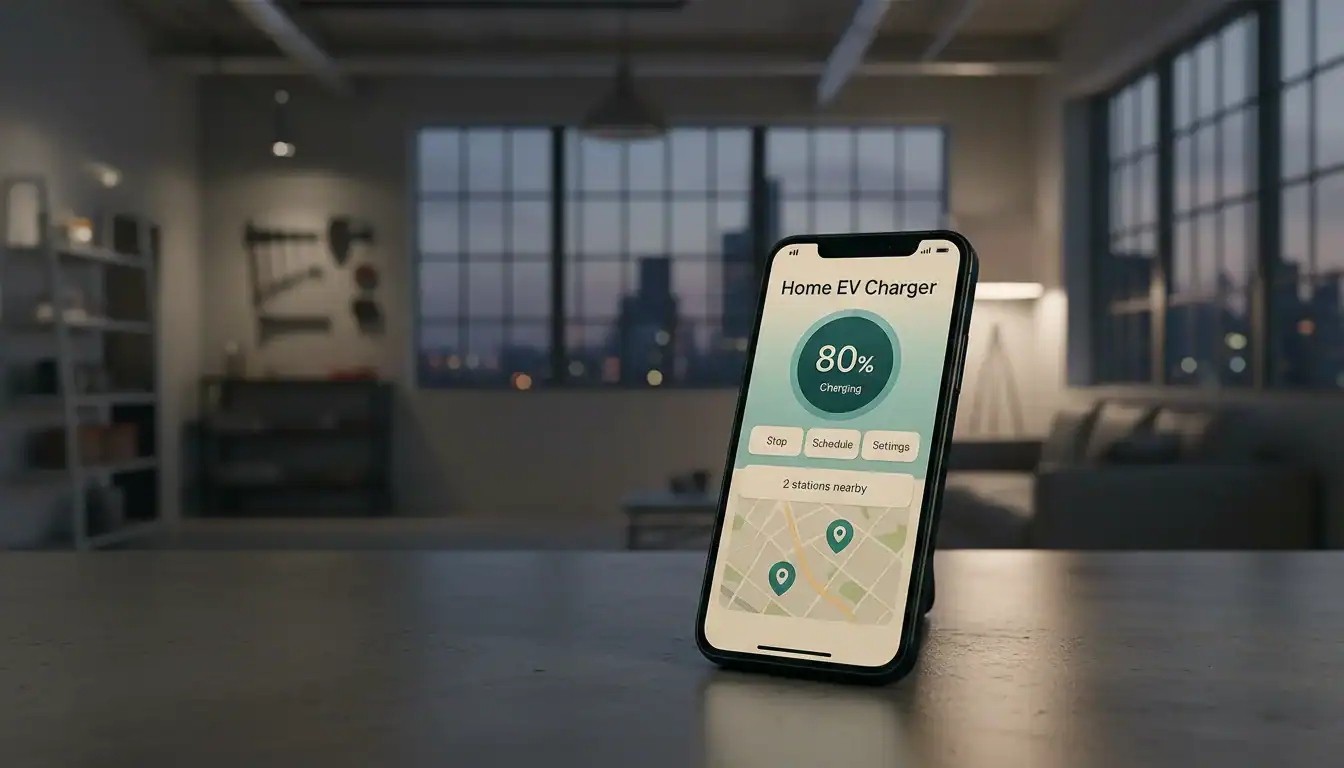
UI/UX Skinning: Does the Interface Match Your Brand Colors?
Effective UI/UX skinning goes beyond simple color matching; it involves a systematic integration of your brand’s complete visual identity to ensure a seamless and professional user experience.
Yes, the application interface can fully adopt your brand’s look and feel. A robust white-label solution isn’t just a generic app with your logo on it—it’s a digital extension of your brand. The goal is to make the software indistinguishable from a product developed in-house by your own team. This process involves a detailed application of your brand’s visual language, from colors and fonts to logos and spacing.
Full Brand Color Palette Integration
Our white-label platform enables the complete integration of your brand’s primary, secondary, and accent colors. We use your exact Pantone or hex codes to ensure the application’s interface is a perfect visual extension of your corporate identity. This creates an immediate sense of familiarity and trust for your end-users.
- We apply your brand’s color system using the 60-30-10 rule for a balanced and professional appearance.
- All interactive elements, including buttons, links, and highlights, will reflect your specified color scheme.
- Our team ensures color consistency across all application views and platforms, delivering a seamless user experience.
Adherence to Your Brand Guidelines
We go beyond simple color matching by implementing your complete brand guidelines. This includes the proper use of your logo, typography, and iconography to maintain a cohesive brand experience. By providing us with your brand style guide, you ensure that every visual element aligns with your established standards.
- You can provide your existing brand style guide for our design team to follow precisely.
- We ensure correct logo placement, spacing, and usage rules are respected throughout the interface.
- Fonts and typefaces are configured to align with your brand’s specific typographic standards.
Customizable Themes and Grey-Tone Flexibility
The platform supports customizable themes, allowing you to select light and dark modes that align with your brand aesthetic. We offer flexibility in adapting the interface to create a unique feel while maintaining core usability and a professional look. This gives your users control over their experience while keeping it within your brand’s ecosystem.
- You can offer users a choice between a light mode, dark mode, or a system-default theme.
- We utilize flexible grey-tone palettes that complement your primary brand colors in any mode.
- The skinning process allows for minor layout adjustments to better fit your brand’s visual presentation.
Accessibility and Usability Standards
While matching your brand, we prioritize user experience and accessibility. Our design process includes checks to ensure that color combinations meet established contrast standards, making the application functional and readable for all users. An app that looks good but is difficult to use fails at its primary objective.
- All color palettes are reviewed to meet WCAG AA or AAA contrast ratings for text and interactive elements.
- We balance brand aesthetics with clear navigation and readability to prevent usability issues.
- Our implementation avoids color combinations known to hinder usability for users with visual impairments.
Global-Ready, Brandable Smart Home EV Chargers

OCPP 2.0.1: Is the Cloud Backend Secure and Future-Proof?
OCPP 2.0.1 provides the cryptographic security and authentication required for large-scale, public-facing charging networks, directly addressing the known limitations of older protocols.
For any business scaling an EV charging network, the backend protocol is the foundation of security and operational stability. While OCPP 1.6J established a functional industry standard, it was not designed for the complex cybersecurity threats of the current landscape. OCPP 2.0.1 is the necessary evolution, built specifically to protect critical infrastructure, ensure data integrity, and provide a platform for future smart grid services.
Enhanced Security Architecture
OCPP 2.0.1 introduces a hardened security framework designed to protect charging infrastructure from modern threats. Its architecture uses configurable security profiles and secure update mechanisms to ensure both charging stations and the central management system (CSMS) remain protected against unauthorized access and malicious attacks.
- Features three distinct security profiles, allowing network operators to tailor security levels to their specific deployment needs.
- Implements secure firmware update protocols, preventing malicious software from being installed on chargers.
- Includes detailed security event logging, which helps in monitoring, auditing, and responding to potential threats.
| Feature Comparison | OCPP 1.6J (Standard) | OCPP 2.0.1 (Enhanced Security) |
|---|---|---|
| Communication Security | Basic authentication; often requires a separate VPN for encryption. | Native TLS encryption and mutual authentication with digital certificates. |
| Firmware Updates | Standardized but lacks mandatory signature validation. | Secure, signed firmware updates prevent unauthorized modifications. |
| Device & User Authentication | Limited to basic credentials and RFID tag identifiers. | Robust device management with unique certificates; supports Plug & Charge (ISO 15118). |
Core Security Features and Encryption
The protocol relies on proven security technologies to safeguard communications and access. By integrating TLS encryption and certificate-based authentication, it ensures that data exchanged between the charger and the cloud is confidential. This prevents eavesdropping and confirms that only authorized devices can connect to the network.
- Uses Transport Layer Security (TLS) to encrypt all data transmitted between the station and the backend.
- Requires mutual authentication with digital certificates, confirming the identity of both the charger and the central system.
- Protects against common attack vectors like man-in-the-middle attacks and unauthorized network access.
Forward Compatibility and Adoption
OCPP 2.0.1 is built to be a long-term solution, offering the security and functionality needed for expanding EV networks. While its adoption requires hardware and software upgrades from the widely used OCPP 1.6J, its robust features make it the clear standard for new, security-conscious deployments. The move to 2.0.1 is not just an update; it’s a necessary investment in network integrity and future capabilities like advanced smart charging and vehicle-to-grid (V2G) integration.
- Addresses the documented vulnerabilities present in earlier versions, making it a sustainable choice for future growth.
- Adoption is driven by network operators who prioritize cybersecurity and compliance with evolving industry standards.
- Widespread implementation is ongoing, depending on vendor certification and planned infrastructure investment to move from legacy systems.
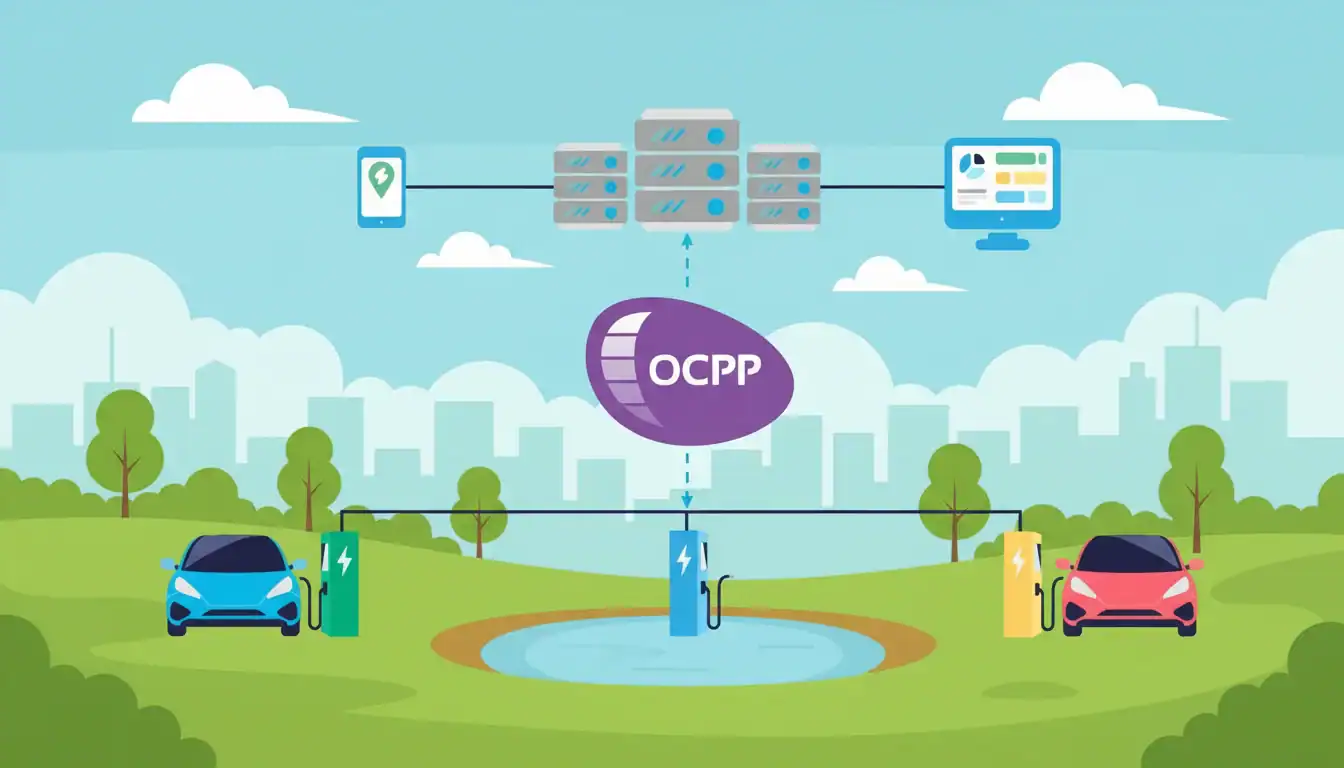
API Access: Can You Integrate Charging Data into Your CRM?
Yes, open API access is a non-negotiable feature for integrating real-time charging data directly into your existing CRM, ERP, or other business management systems.
Connecting your EV charging operations to your core business software isn’t just a convenience—it’s essential for creating a unified view of your customers and assets. Modern charging management platforms from KelyLands use open APIs to push and pull critical data, ensuring your business systems are always synchronized.
Data Synchronization Capabilities
Our platform is designed to synchronize session logs, billing information, payment details, and downtime alerts directly into your CRM or other software. This real-time data transfer eliminates information silos and provides a single source of truth for both customer activity and hardware performance. You gain a complete picture without manual intervention.
| API Data Point | Description | Typical Business Use Case |
|---|---|---|
| Charging Session Data | Detailed logs of start/end times, energy consumed (kWh), and total duration. | Automated billing and customer usage reports in CRM. |
| Payment & Billing Records | Transaction IDs, payment status, applied tariffs, and generated invoice details. | Synchronizing financial data with accounting software (e.g., SAP, QuickBooks). |
| Station Health & Alerts | Real-time operational status (Available, Charging, Faulted), error codes, and downtime notifications. | Triggering automated maintenance tickets in a service management system. |
Benefits of System Integration
Integrating our charging data into your CRM helps centralize customer information and automate key business processes. This connection streamlines workflows, allows for proactive maintenance scheduling based on live alerts, and improves overall customer engagement. It’s the difference between running a reactive charging network and a proactive, data-driven one.
- Automate billing and invoicing workflows for greater efficiency.
- Schedule preventive maintenance based on real-time system alerts.
- Improve customer engagement with access to centralized data.
- Eliminate the need for manual data entry across multiple platforms.
Supported API Technologies
Our charging infrastructure supports several industry-standard APIs to ensure flexible integration with your existing software stack. We provide comprehensive documentation for our REST and WebSocket APIs, which are designed to link seamlessly with your CRM and business management platforms. This approach reduces complexity and shortens development time for your technical team.
Conclusion
A successful white-label EV charging platform depends on more than a custom interface. Secure backend communication through OCPP and flexible API access are essential for integrating charging data into your core business systems. These elements ensure your network is scalable, manageable, and fully aligned with your brand.
If you are planning to deploy or upgrade your charging network, contact our team. We can discuss your specific software requirements to build a solution that fits your operational needs.
Frequently Asked Questions
How much does a white label EV charging app cost?
The cost for a white label EV charging app typically involves a one-time setup fee and an ongoing monthly subscription. The setup fee, which covers branding, configuration, and deployment, generally ranges from $5,000 to $25,000 depending on the level of customization. The ongoing SaaS subscription fee is usually based on the number of charging stations or active users and includes maintenance, updates, and support.
Is the software compatible with OCPP 1.6J?
Yes, our platform is fully compliant with OCPP 1.6J, the industry-standard protocol for interoperability between charging stations and central management systems. This ensures seamless integration with a vast range of certified hardware. We also maintain support for newer protocols like OCPP 2.0.1 to enable advanced functionalities such as Plug & Charge and enhanced grid communication.
Can I host the user data on my own AWS server?
While our standard service utilizes a secure, multi-tenant cloud architecture for maximum efficiency and reliability, we offer private cloud hosting for enterprise clients. This allows you to host all user and operational data within your own dedicated AWS environment to comply with specific data residency policies or internal governance standards. This option is available as part of our enterprise-tier packages.
Do you provide ongoing app maintenance?
Absolutely. Ongoing maintenance is a core component of our service agreement. Our subscription includes regular updates to ensure compatibility with the latest iOS and Android operating systems, critical security patches, performance optimizations, and bug fixes. This proactive approach guarantees your app remains secure, reliable, and provides a consistently excellent user experience.

 English
  Español
  Français
  Deutsch
  Português do Brasil
  Русский
  한국어
한국어  日本語
日本語  العربية